
Winter hits hard. The days shrink. Your energy drops. Your mood follows. You reach for comfort foods that leave you sluggish. Your immune system battles cold air, heating systems, and endless germs.
But nature has your back.
Winter fruits pack serious power. They’re loaded with vitamins that fight fatigue. They contain compounds that lift your spirits. They deliver the fuel your body craves when temperatures plummet.
This isn’t about forcing yourself to eat healthy. It’s about discovering foods that actually make you feel incredible during the toughest months.
Let’s dive into nine winter warriors that deserve a spot in your kitchen.
1. Oranges: Your Liquid Sunshine
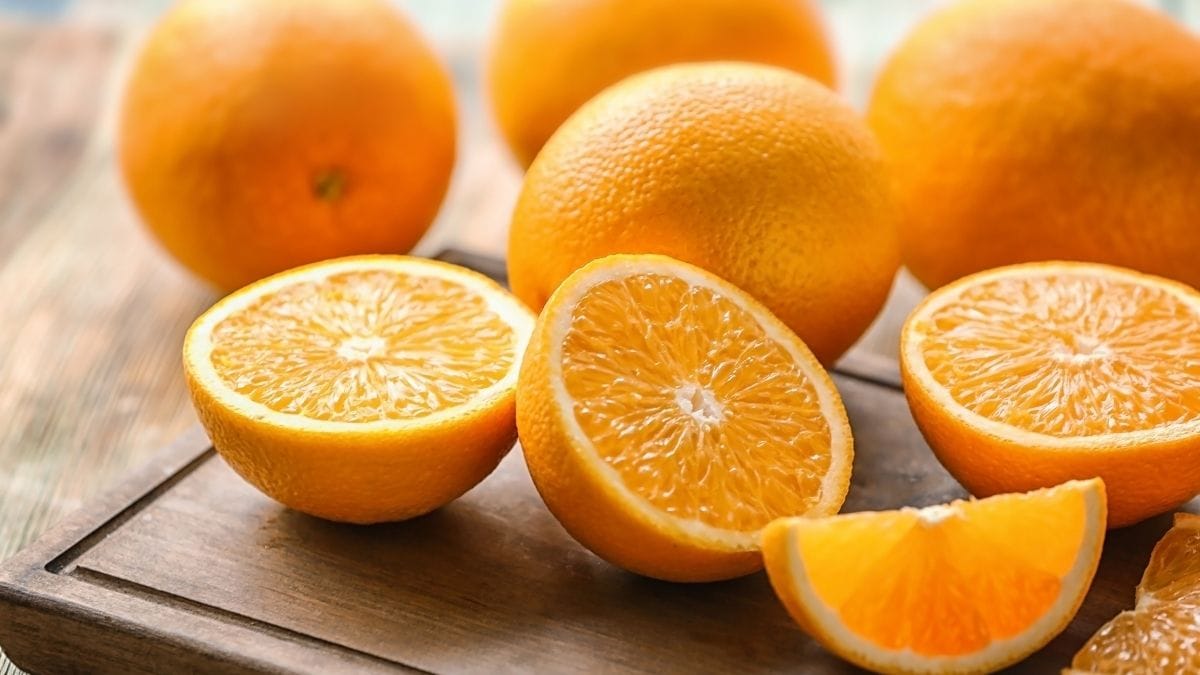
One medium orange (about 130g or 4.6oz) delivers 70mg of vitamin C. That’s your entire daily requirement in one bright package.
Vitamin C does more than fight colds. It helps your body produce serotonin—the feel-good chemical your brain needs when daylight disappears at 4 PM. Low serotonin means low mood. Oranges help fix that.
Energy boost: The natural sugars give you quick energy without the crash. The fiber slows absorption, keeping you steady.
Smart ways to use them:
- Segment them into your morning yogurt with a drizzle of honey
- Freeze the juice in ice cube trays for smoothies
- Zest the peel over roasted vegetables for brightness
- Blend whole segments into salad dressings
2. Pomegranates: The Antioxidant Powerhouse
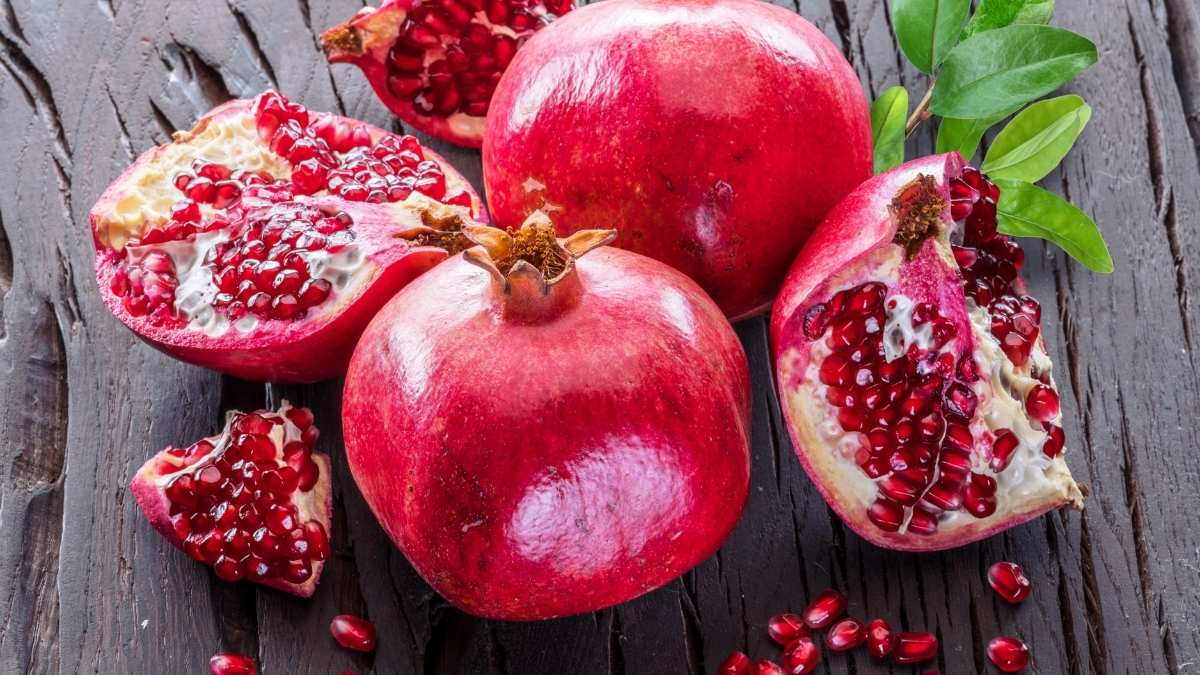
Half a pomegranate (about 87g or 3oz of arils) contains powerful polyphenols and 8.9mg of vitamin C.
The real magic? Punicalagins—antioxidants that reduce inflammation in your brain.
Studies show pomegranate juice improves memory and fights mental fog. When winter makes you feel slow and scattered, these ruby gems sharpen your mind.
Mental clarity benefit: The antioxidants protect your brain cells from stress damage. Less cellular stress means clearer thinking.
Creative uses:
- Sprinkle arils over roasted Brussels sprouts with balsamic
- Stir them into grain bowls for texture
- Mix into guacamole for unexpected sweetness
- Freeze arils and blend into winter cocktails
3. Kiwis: The Fuzzy Mood Lifter
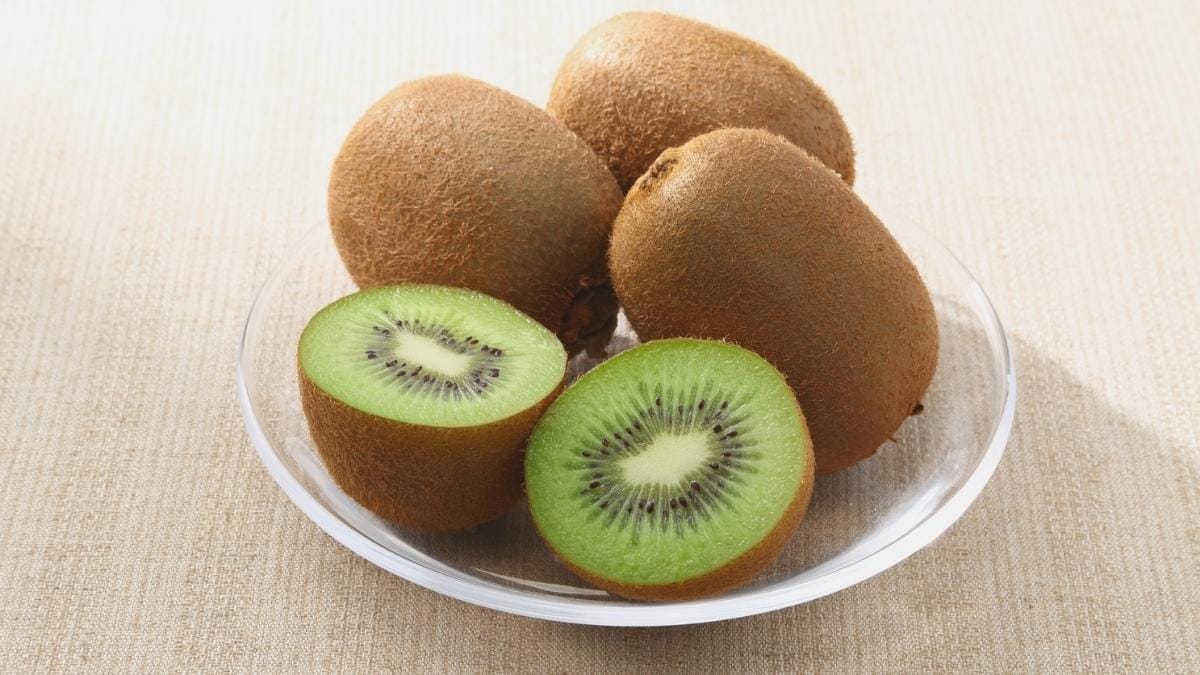
Two medium kiwis (about 148g or 5.2oz) pack 137mg of vitamin C—nearly double your daily needs. They also contain significant serotonin precursors.
Research shows kiwis improve sleep quality. Better sleep means better mood, sharper focus, and more energy. Your body repairs itself at night. Feed it the tools it needs.
Sleep connection: The antioxidants and serotonin work together to help you fall asleep faster and stay asleep longer.
Beyond the spoon:
- Slice thin and layer on toast with ricotta
- Blend with spinach and banana for green smoothies
- Dice into salsa with red onion and cilantro
- Halve and scoop with breakfast for easy eating
4. Pears: The Gentle Energy Source
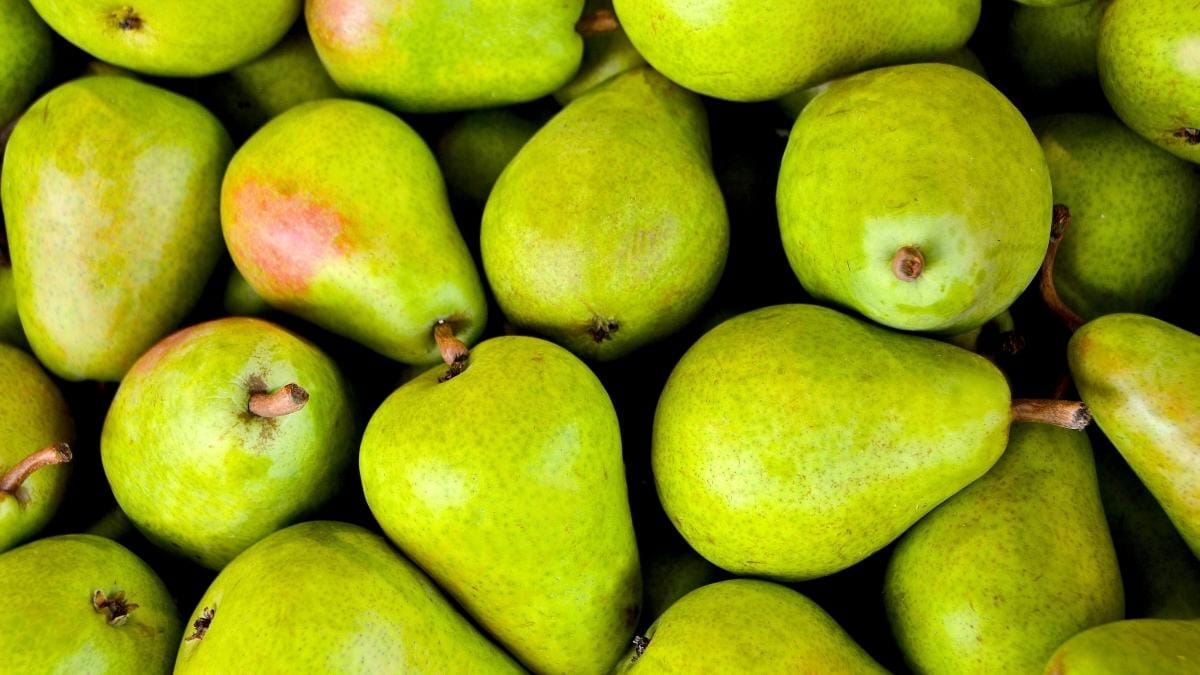
One medium pear (about 178g or 6.3oz) offers 6g of fiber and 7.5mg of vitamin C, plus copper and potassium.
Pears release energy slowly. No spikes. No crashes. Just steady fuel that keeps your brain functioning through long winter days.
The high fiber also feeds your gut bacteria—and your gut health directly affects your mood.
Gut-brain benefit: A healthy gut produces neurotransmitters that regulate anxiety and depression. Fiber is the fuel your good bacteria need.
Delicious applications:
- Roast halves with rosemary and olive oil
- Slice into grilled cheese sandwiches
- Poach in red wine with cinnamon
- Grate into oatmeal while cooking
5. Clementines: The Portable Power Snack
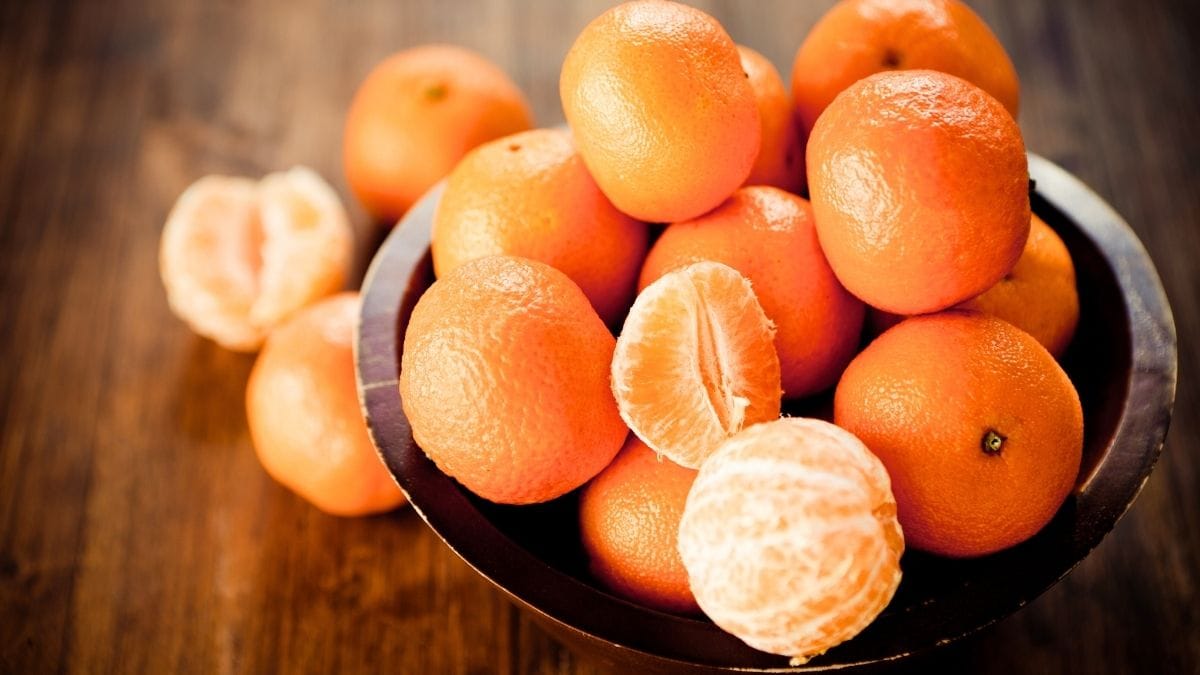
Two small clementines (about 148g or 5.2oz) deliver 70mg of vitamin C and folate.
Folate supports neurotransmitter production. Low folate levels link directly to depression and fatigue. These little fruits fit in your pocket and boost your brain chemistry wherever you go.
Convenience factor: Easy to peel. No mess. Perfect for dark afternoon slumps at work.
Quick ideas:
- Toss segments with arugula and shaved Parmesan
- Squeeze juice over fish before baking
- Add to stir-fries in the last minute of cooking
- Candy the peels for homemade tea additions
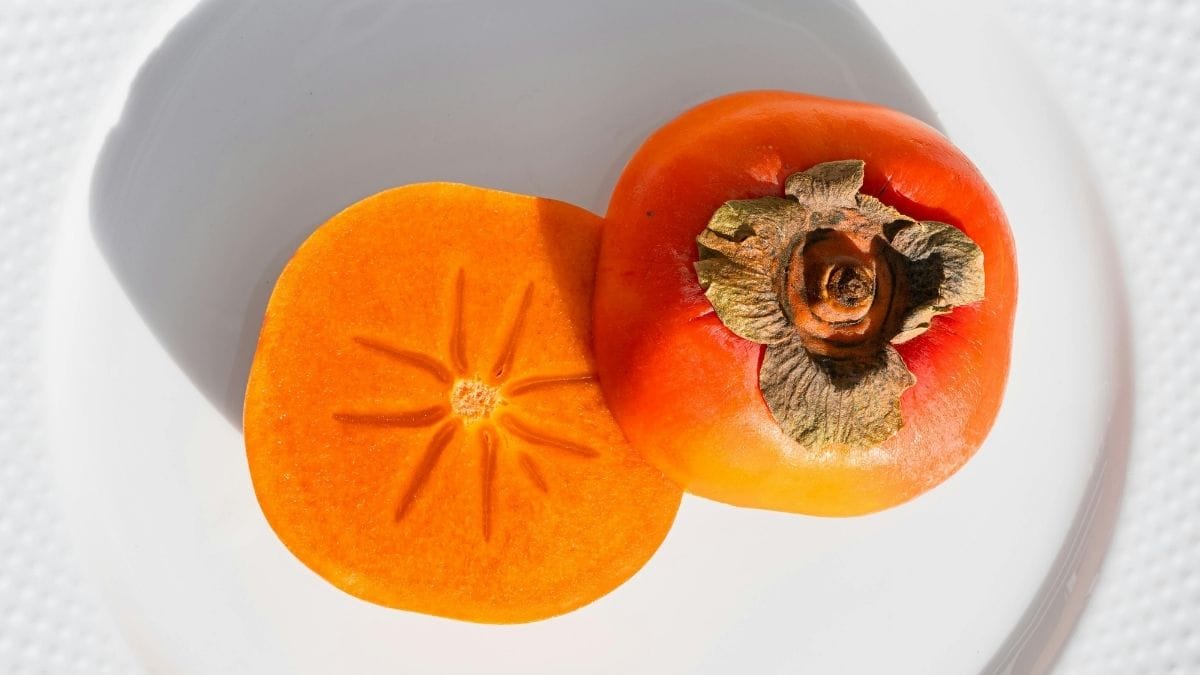
6. Persimmons: The Sweet Stress Fighter
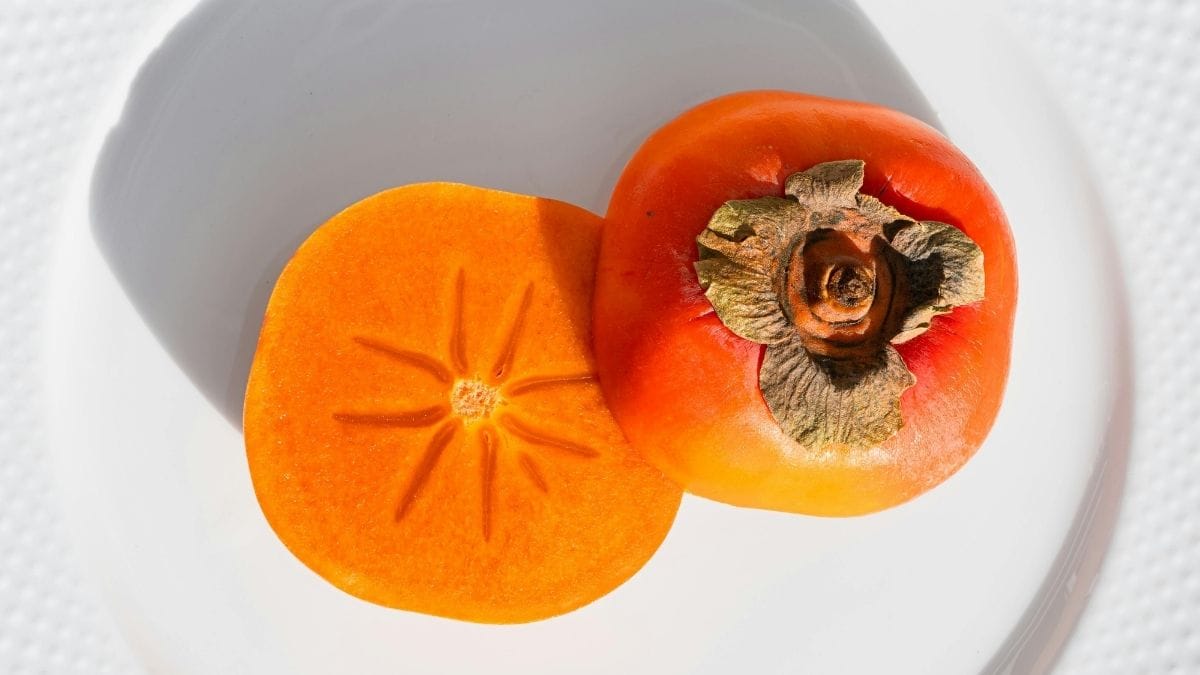
One medium persimmon (about 168g or 5.9oz) contains 12.6mg of vitamin C, plus beta-carotene and manganese.
Beta-carotene converts to vitamin A—crucial for brain function and emotional regulation. Manganese helps process stress hormones. Together, they help you handle winter’s emotional weight.
Stress reduction: The combination of vitamins supports your adrenal glands, which manage your stress response.
How to enjoy:
- Slice Fuyu varieties into winter salads
- Let Hachiya types ripen until soft and eat with a spoon
- Puree ripe fruit into pancake batter
- Dice firm ones into grain bowls
7. Grapefruit: The Morning Energizer
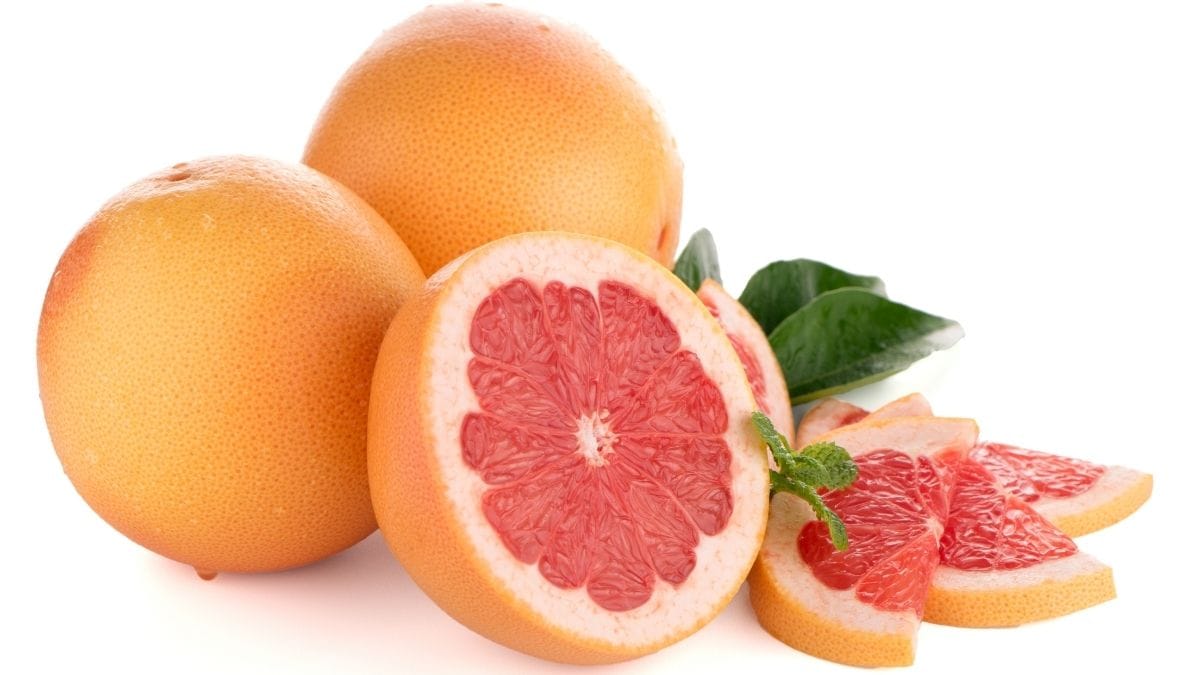
Half a medium grapefruit (about 123g or 4.3oz) provides 38mg of vitamin C and naringenin—a flavonoid that fights inflammation.
Grapefruit jumpstarts your metabolism. The scent alone has been shown to boost alertness and energy. The bitter compounds wake up your digestive system, preparing you for the day ahead.
Mental alertness: The combination of vitamin C and natural sugars gives your brain quick fuel while the fiber prevents energy crashes.
Fresh uses:
- Broil halves with a touch of brown sugar
- Segment into avocado toast
- Juice into warm water for a morning ritual
- Add sections to seafood dishes
8. Cranberries: The Tiny Brain Protector
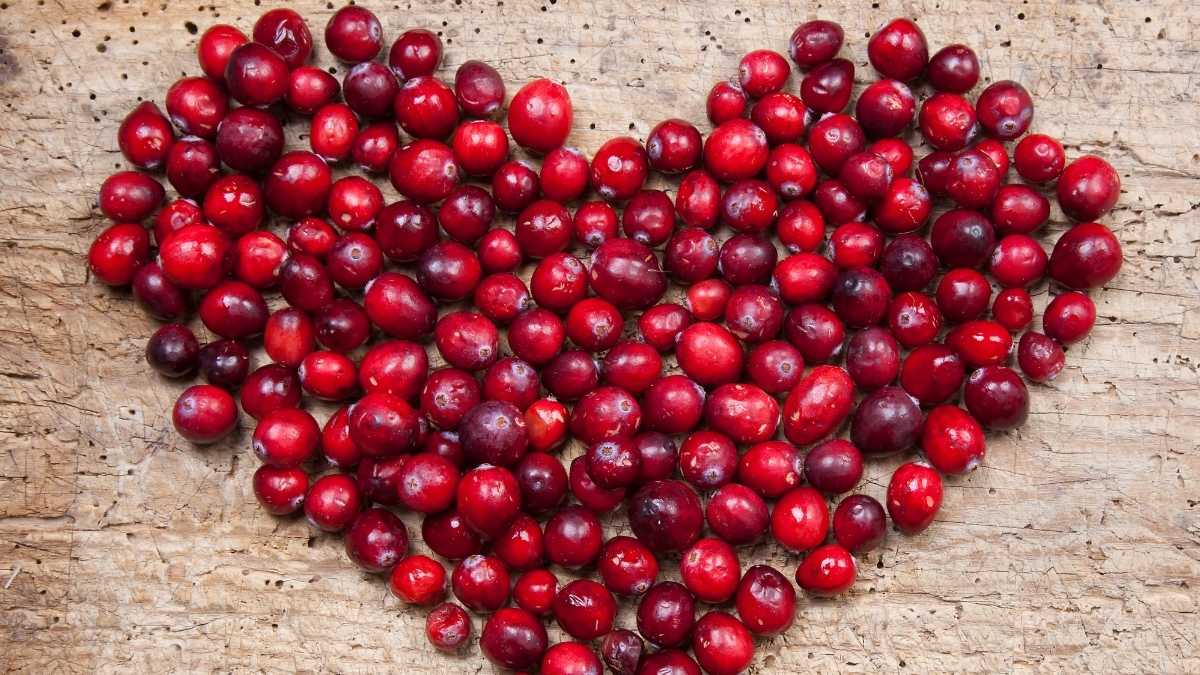
One cup of fresh cranberries (about 100g or 3.5oz) offers 13.3mg of vitamin C and powerful proanthocyanidins.
These antioxidants cross the blood-brain barrier. They literally protect your brain cells from damage caused by winter stress, poor diet, and lack of sunlight. They also support focus and memory.
Cognitive benefit: Regular consumption improves communication between brain cells, enhancing learning and recall.
Beyond sauce:
- Simmer with orange zest for a compote
- Toss fresh ones into muffin batter
- Blend into smoothies with ginger
- Mix dried cranberries into trail mix
9. Blood Oranges: The Anthocyanin Champion
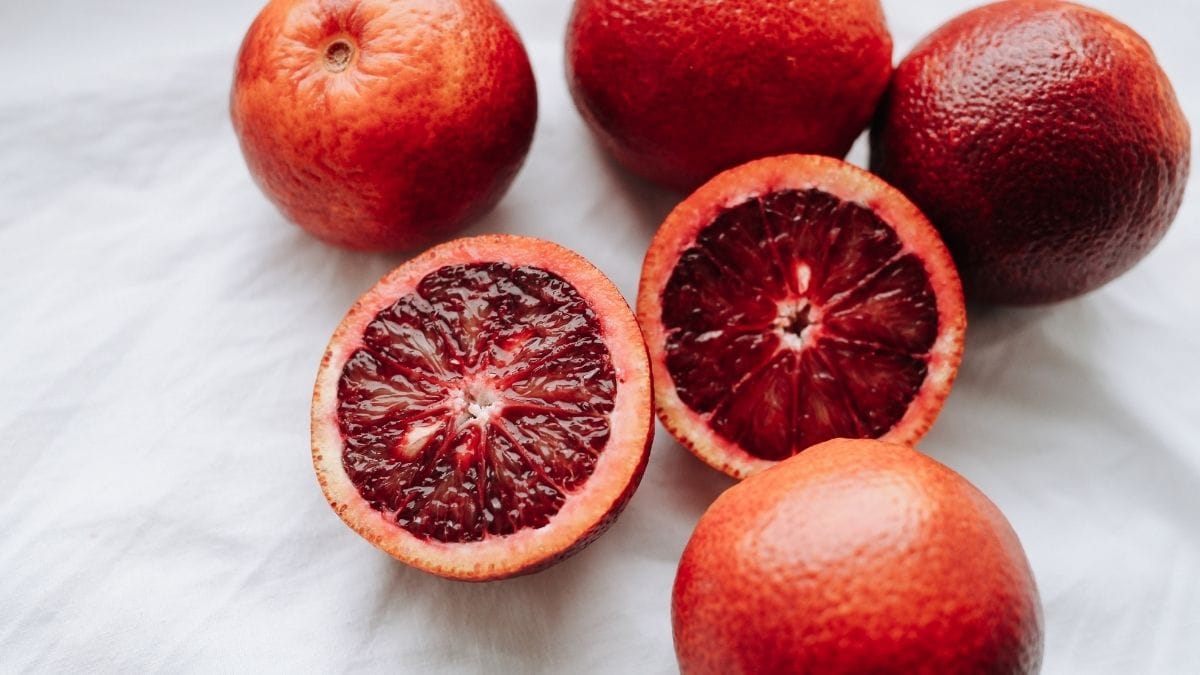
One medium blood orange (about 131g or 4.6oz) delivers 83mg of vitamin C plus anthocyanins—the compounds that give them their dramatic color.
Anthocyanins reduce inflammation throughout your body, including your brain.
They improve blood flow to your prefrontal cortex—the area responsible for decision-making and focus. When winter makes you feel mentally sluggish, these beauties help you think clearly.
Focus enhancement: Better blood flow means more oxygen and nutrients reach your brain cells.
Special uses:
- Juice them for stunning pink drinks
- Caramelize slices with thyme for desserts
- Add segments to fennel salads
- Make compound butter with the zest
Practical Consumption Tips: Make Winter Fruits a Daily Habit
Start your day right: Keep washed, prepped fruit in clear containers at eye level in your fridge. You’ll reach for what you see.
Combine for power: Mix citrus with nuts or cheese. The vitamin C helps you absorb iron. The protein stabilizes blood sugar. You get sustained energy instead of sugar spikes.
Frozen counts: Flash-frozen fruit often contains more nutrients than “fresh” fruit that traveled for weeks. Stock your freezer with pomegranate arils, cranberries, and sliced kiwis.
Time it smart: Eat fruit with meals containing healthy fats. The vitamins A and E in many winter fruits absorb better with fat present. Add orange segments to salads dressed with olive oil.
Rotate variety: Different fruits offer different compounds. Eating the same two fruits daily limits your nutrient diversity. Aim for at least four different winter fruits weekly.
Mind the serving size: Two to three servings of fruit daily is ideal. One serving equals a medium piece of whole fruit or half a cup of smaller fruits.
Your Winter Action Plan
Winter doesn’t have to drain you. These nine fruits offer real, measurable benefits for your immune system, energy levels, and mental health.
Start small. Add one new fruit this week. Notice how you feel. Pay attention to your energy at 3 PM. Track your mood. Your body will tell you what works.
The best part? These foods actually taste incredible. This isn’t a punishment. It’s pure delicious fuel.
Stock your kitchen today. Your winter self will thank you.
Which fruit will you try first?