
Feeling tired all the time.
Gaining weight even when you eat “right.”
Cold hands. Brain fog. Low mood. Weak hair and nails.
Many people blame age or stress. Others think it is just part of life now.
Doctors see something different.
More and more experts agree that thyroid health is quietly affecting millions of people, especially after age 30. And for many, the problem is not extreme disease. It is slow, hidden imbalance.
The good news?
Your daily food choices play a much bigger role than most people realize.
This is not about strict diets or cutting everything you love.
It is about supporting your thyroid gently, daily, and consistently with foods that support thyroid health.
In this complete guide, you will learn:
What the thyroid actually does
Why food matters so much for hormone balance
Which everyday foods support thyroid health
Which foods may interfere if eaten the wrong way
How to build a thyroid-friendly plate without stress
No hype. No fear. Just clear, useful information you can apply today.
What Is the Thyroid and Why It Matters
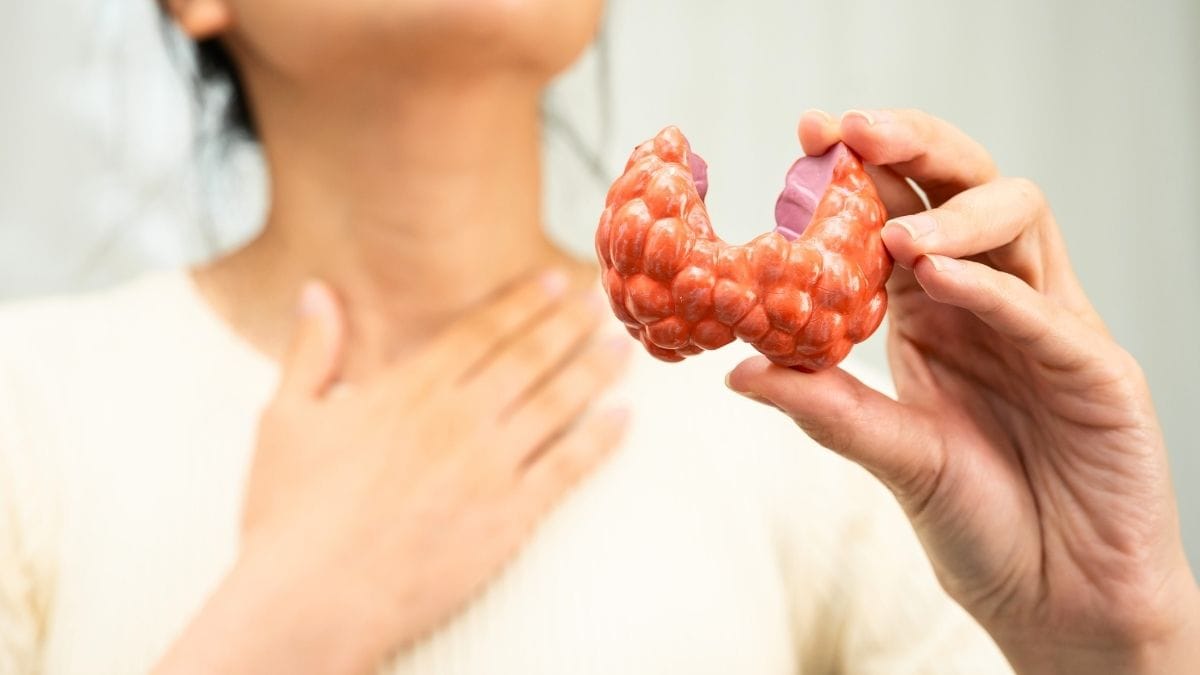
The thyroid is a small, butterfly-shaped gland in your neck.
Small gland. Huge job.
It controls:
- Metabolism
- Energy levels
- Body temperature
- Heart rate
- Mood
- Weight regulation
Your thyroid produces hormones that tell every cell in your body how fast to work.
When thyroid function slows down, everything slows down with it.
This is why people with thyroid imbalance often feel:
- Constant fatigue
- Weight gain
- Dry skin
- Cold sensitivity
- Brain fog
Food alone does not cure thyroid disease.
But food strongly supports or stresses thyroid function every single day.
Why Food Is So Important for Thyroid Health
Your thyroid needs specific nutrients to work properly.
Without them, hormone production drops or becomes inefficient.
Key nutrients include:
- Iodine
- Selenium
- Zinc
- Iron
- Protein
At the same time, some foods can interfere with hormone production if eaten excessively or prepared incorrectly.
That is why understanding how to eat, not just what to eat, matters.
1. Eggs — Simple, Affordable Thyroid Support
Why they help:
Eggs provide iodine, selenium, and high-quality protein. These nutrients support hormone production and tissue repair.
How to eat:
1 egg per day is safe for most people.
Best way:
Boiled, poached, or lightly cooked.
Avoid:
Over-frying in processed oils.
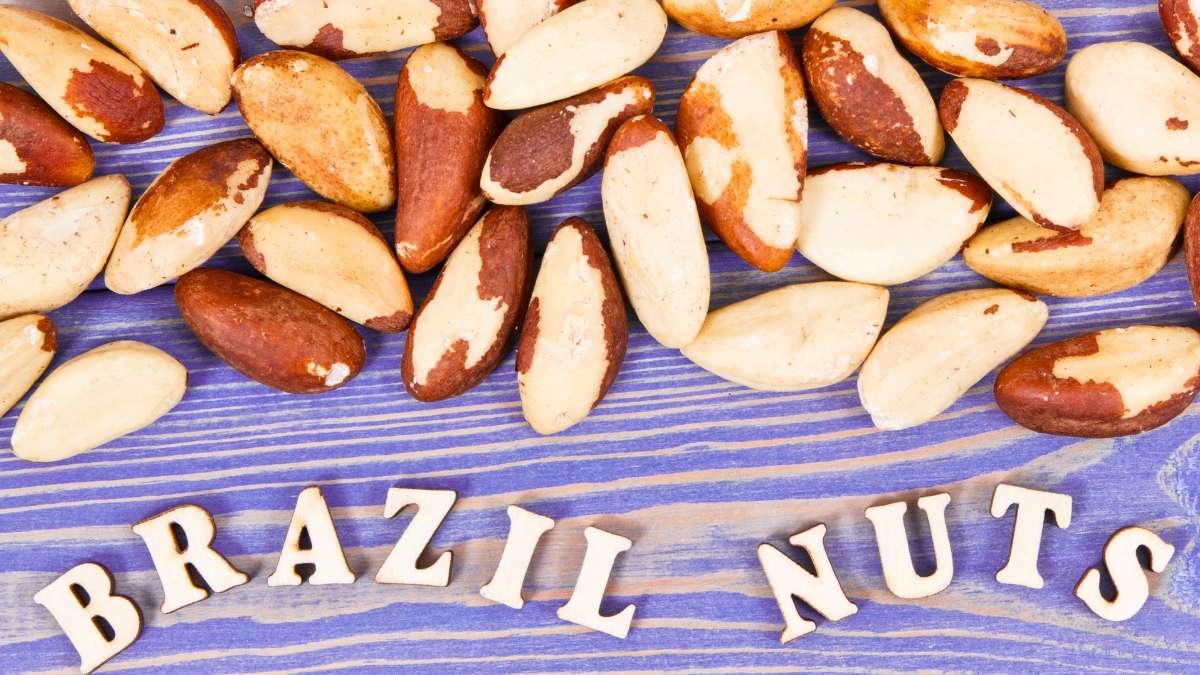
2. Brazil Nuts — Selenium Powerhouse
Why they help:
Selenium helps convert inactive thyroid hormone into its active form.
Just a small amount makes a difference.
How to eat:
1–2 Brazil nuts per day.
Important note:
Do not overeat. More is not better here.
3. Fatty Fish (Salmon, Sardines) — Hormone Balance Support
Why they help:
Omega-3 fats reduce inflammation and support hormone signaling.
They also support heart health, which is often affected by thyroid imbalance.
How to eat:
2–3 servings per week.
Best choice:
Wild-caught when possible.
4. Dairy (Yogurt, Milk, Cheese) — Iodine Source
Why it helps:
Dairy provides iodine and protein, both important for thyroid hormone production.
How to eat:
Moderate portions.
Best option:
Plain yogurt or kefir.
Avoid:
Sugary flavored products.
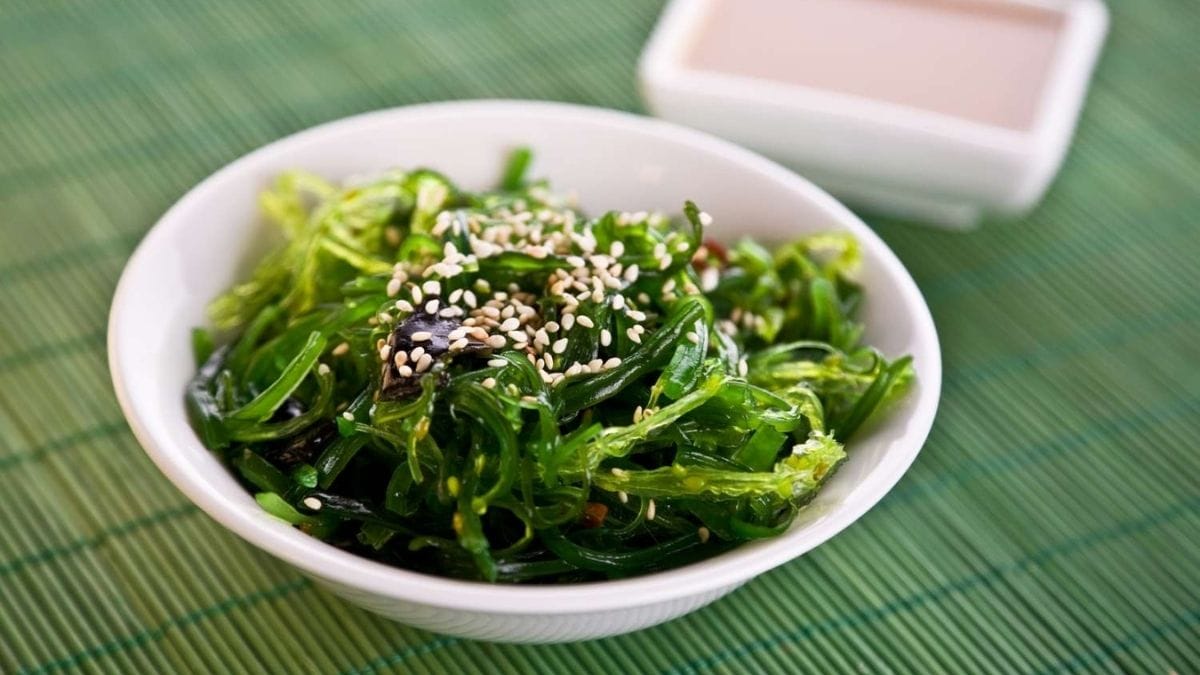
5. Seaweed — Natural Iodine (Use Carefully)
Why it helps:
Iodine is essential for thyroid hormone creation.
How to eat:
Small amounts occasionally.
Best option:
Nori sheets.
Important warning:
Too much iodine can harm the thyroid. Balance matters.
6. Lean Protein — Metabolism Support
Why it helps:
Protein supports muscle, metabolism, and hormone transport.
Good sources:
- Chicken
- Turkey
- Fish
- Beans
- Lentils
How to eat:
Include protein at every meal.
7. Whole Grains — Energy and Digestion
Why they help:
Whole grains support digestion and stable blood sugar, which helps hormone balance.
Best options:
- Oats
- Brown rice
- Quinoa
Avoid:
Highly processed refined grains.
8. Berries — Inflammation Protection
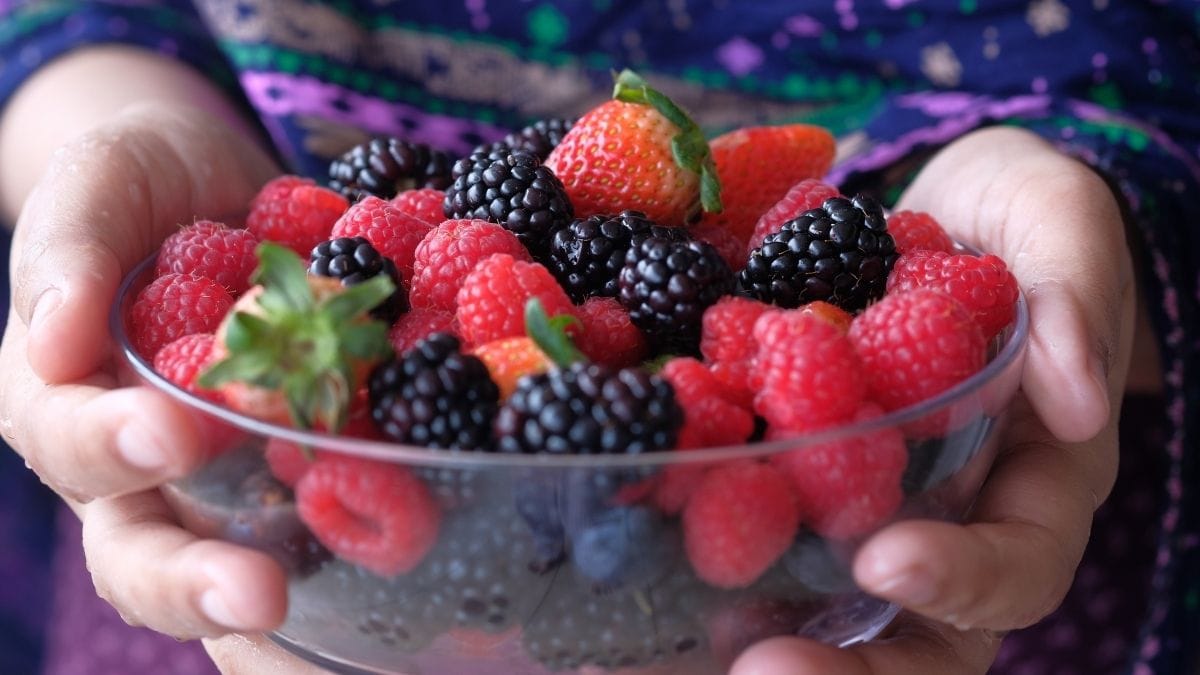
Why they help:
Berries reduce oxidative stress, which supports thyroid tissue health.
How to eat:
½ cup daily.
Best option:
Frozen berries work just as well.
9. Olive Oil — Gentle Anti-Inflammatory Fat
Why it helps:
Reduces chronic inflammation and supports heart health.
How to eat:
1–2 tablespoons daily.
Best use:
Raw or low-heat cooking.
10. Vegetables — But Prepare Them Right
Vegetables are healthy, but preparation matters for thyroid health.
Cruciferous Vegetables (Broccoli, Kale, Cabbage)
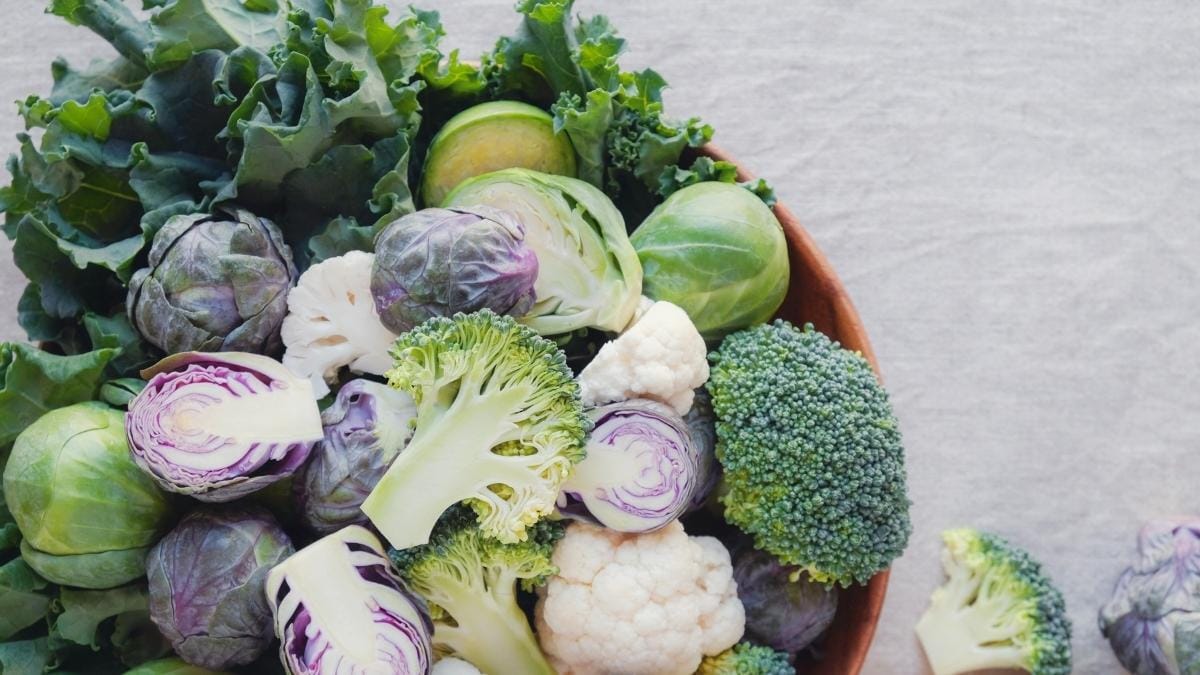
Truth:
They are healthy. They only become a problem when eaten raw in very large amounts.
Best approach:
Cook them lightly.
Foods to Be Careful With
Some foods are not “bad,” but timing and quantity matter.
Soy Products
- Can interfere with thyroid medication absorption
- Eat moderately
Highly Processed Foods
- Increase inflammation
- Stress hormone balance
Excess Sugar
- Disrupts energy regulation
- Increases fatigue
How to Build a Thyroid-Friendly Daily Plate
Use this simple formula:
- Half plate: Vegetables (mostly cooked)
- One quarter: Lean protein
- One quarter: Whole grains
- Healthy fats: Olive oil, nuts
- Bonus: Fermented food

Simple. Sustainable.
Sample Day of Eating
Breakfast:
Eggs + cooked spinach + whole-grain toast
Lunch:
Salmon, brown rice, cooked vegetables
Snack:
Yogurt with berries
Dinner:
Chicken or beans, quinoa, roasted vegetables
Why Consistency Matters More Than Perfection
Thyroid health does not improve overnight.
Small daily support matters more than extreme changes.
People who feel better long-term:
- Eat consistently
- Avoid stress eating
- Do not jump between diets
Safety Notes
- Food supports thyroid health but does not replace medical care
- If you take thyroid medication, follow your doctor’s guidance
- Do not stop or change medication without professional advice
Frequently Asked Questions
Can food cure thyroid disease?
No. But food strongly supports hormone balance and symptom management.
How long before I feel better?
Some people notice changes in weeks. Long-term benefits take months.
Do I need supplements?
Not always. Many needs can be met through food.
Why This Approach Works
This is not a diet.
It is a support system.
When you focus on foods that support thyroid health, you reduce stress on your body and allow hormones to work more smoothly.

Conclusion:
Thyroid health is not about one magic food.
It is about daily choices that support balance.
With the right foods, prepared the right way, your body gets the tools it needs to function better over time.
Start simple. Stay consistent.
Let food support your thyroid naturally.