

You eat breakfast.
Two hours later, you feel tired again.
Your focus drops.
You want something sweet.
Many people think this is normal.
It is not.
These ups and downs are often caused by unstable blood sugar.
And blood sugar problems do not only affect people with diabetes.
They affect energy, mood, weight, sleep, and cravings — every single day.
The good news is simple.
Food choices can calm blood sugar instead of spiking it.
Not extreme diets.
Not cutting everything you love.
This article explains how blood sugar works, why it gets unstable, and which blood sugar friendly foods actually help — in a realistic, everyday way.
Why Blood Sugar Balance Matters More Than You Think
Blood sugar is the amount of glucose in your blood.
Your body uses glucose for energy.
When blood sugar rises too fast:
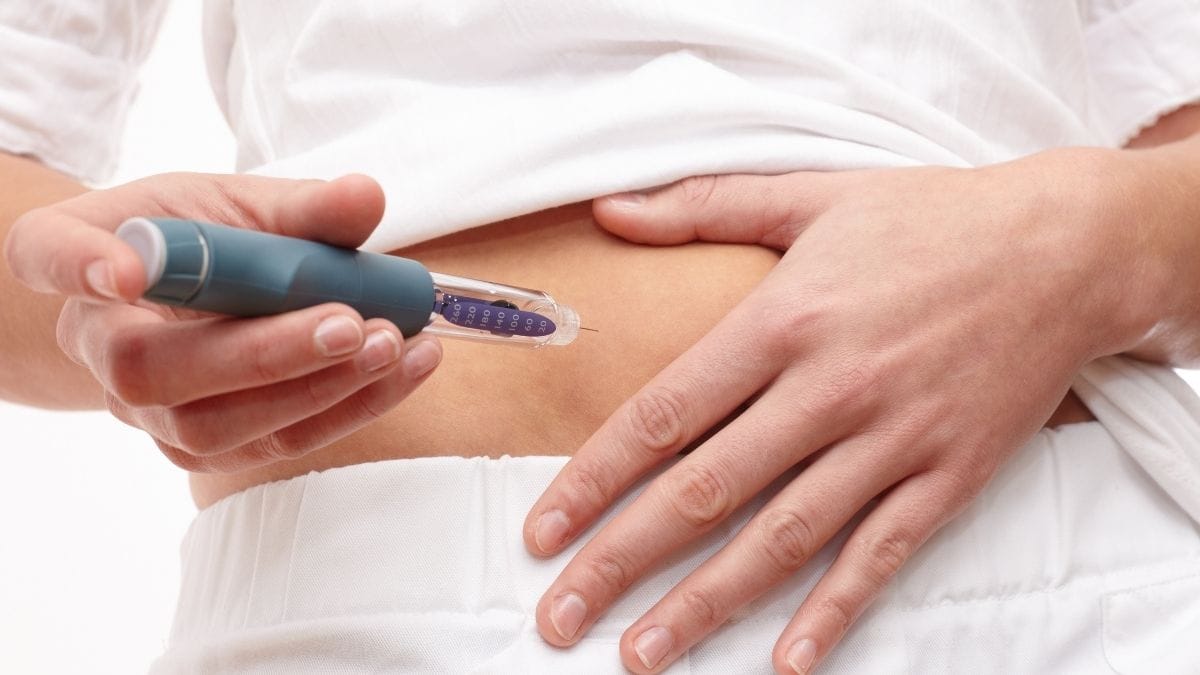
- Insulin spikes
- Energy crashes later
- Hunger comes back quickly
Over time, repeated spikes can lead to:
- Fatigue
- Weight gain
- Brain fog
- Strong sugar cravings
You do not need a diagnosis to feel these effects.
Many people live with blood sugar swings without knowing it.
The goal is not “low sugar.”
The goal is steady sugar.
That is where blood sugar friendly foods come in.
How Food Spikes Blood Sugar (Simple Explanation)
Some foods break down into sugar very fast.
Others break down slowly.
Fast-digesting foods:
- White bread
- Sugary cereal
- Pastries
- Sweet drinks
Slow-digesting foods:
- Protein-rich foods
- Fiber-rich foods
- Fermented foods
- Resistant starch foods
The slower food turns into sugar, the calmer your blood sugar response.
This is not about cutting carbs completely.
It is about choosing better carbs and better combinations.
1. Eggs – Steady Energy Without Spikes
Eggs are one of the most blood sugar stable foods available.
Why they help:
- High in protein
- Contain healthy fats
- No direct sugar impact
Protein slows digestion.
This means sugar enters the blood slowly.
People who eat eggs at breakfast often report:
- Fewer cravings
- Better focus
- Less snacking
How to eat them:
- Boiled eggs with toast
- Scrambled eggs with vegetables
- Omelet with herbs and cheese
Eggs work best when paired with fiber.
2. Greek Yogurt – Protein + Gut Support
Greek yogurt is different from regular yogurt.
Why it helps:
- Higher protein
- Lower sugar
- Supports gut bacteria
Protein stabilizes blood sugar.
Healthy gut bacteria improve insulin sensitivity.
Choose:
- Plain, unsweetened Greek yogurt

Avoid:
- Flavored versions with added sugar
Simple idea:
Greek yogurt + cinnamon + chopped apple
This combination slows sugar absorption and improves fullness.
3. Beans and Lentils – Slow Carbs That Work
Beans are one of the most underrated foods for blood sugar control.
Why they help:
- High fiber
- Plant protein
- Slow digestion
Fiber acts like a brake on sugar absorption.
People who eat beans regularly often have:
- More stable energy
- Better digestion
- Fewer glucose spikes
How to use:
- Lentil soup
- Chickpeas in salads
- Black beans with rice
Beans are affordable and filling.
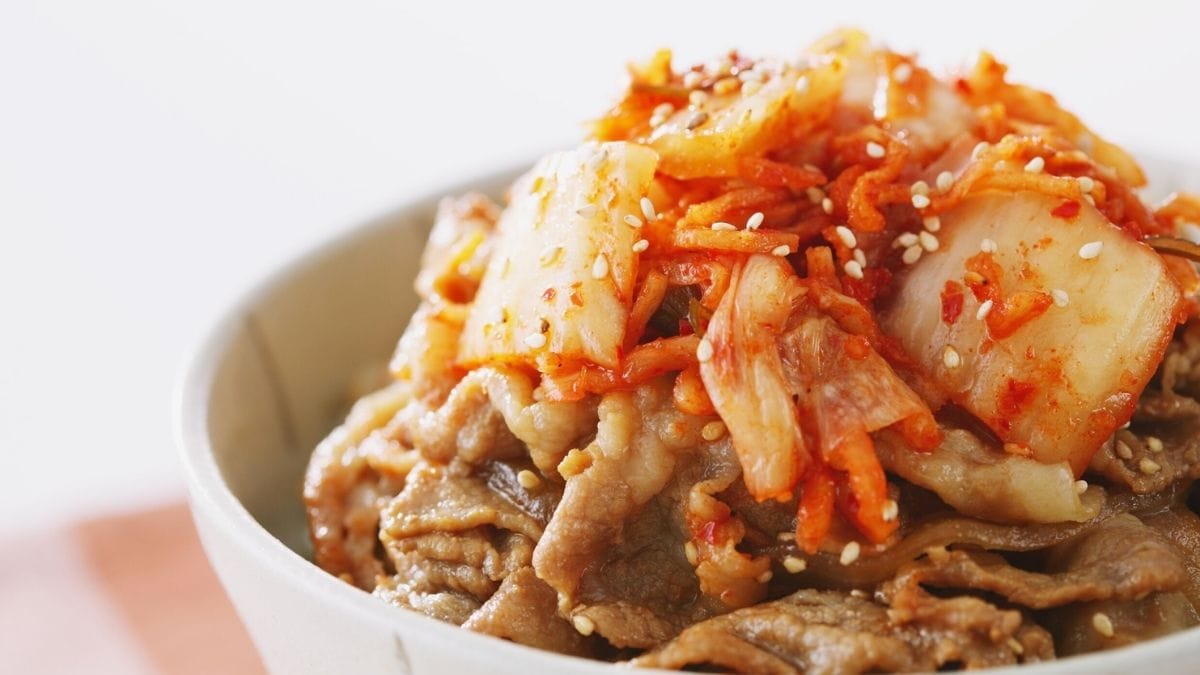
4. Fermented Foods – The Gut–Blood Sugar Link
Blood sugar is not only about sugar.
It is also about gut health.
Fermented foods improve gut bacteria balance.
Why this matters:
- Better gut = better insulin response
- Reduced inflammation
- Improved digestion
Examples:
- Sauerkraut
- Kefir
- Kimchi
- Plain yogurt
Small amounts daily work better than large amounts once in a while.
5. Whole Grains (Not Refined Ones)
Not all grains are the same.
Refined grains spike blood sugar fast.
Whole grains digest slowly.
Better choices:
- Oats
- Barley
- Quinoa
- Brown rice
Why they help:
- Fiber slows sugar release
- More nutrients
- Better fullness
Tip:
Always pair grains with protein.
6. Cinnamon – Small Spice, Real Impact
Cinnamon has been studied for blood sugar control.
Why it helps:
- Improves insulin sensitivity
- Slows stomach emptying
You do not need supplements.
How to use:

- Sprinkle on yogurt
- Add to oatmeal
- Mix into tea or coffee
Consistency matters more than amount.
7. Vinegar – A Simple Pre-Meal Trick
Vinegar sounds strange, but it works.
Why it helps:
- Slows carbohydrate digestion
- Reduces post-meal sugar spikes
How to use:
- Salad with vinegar dressing
- 1 teaspoon apple cider vinegar in water before meals
This works best before carb-heavy meals.
8. Protein at Every Meal (The Missing Key)
Many blood sugar problems come from low protein meals.
Protein:
- Slows digestion
- Reduces cravings
- Stabilizes energy
Good protein options:
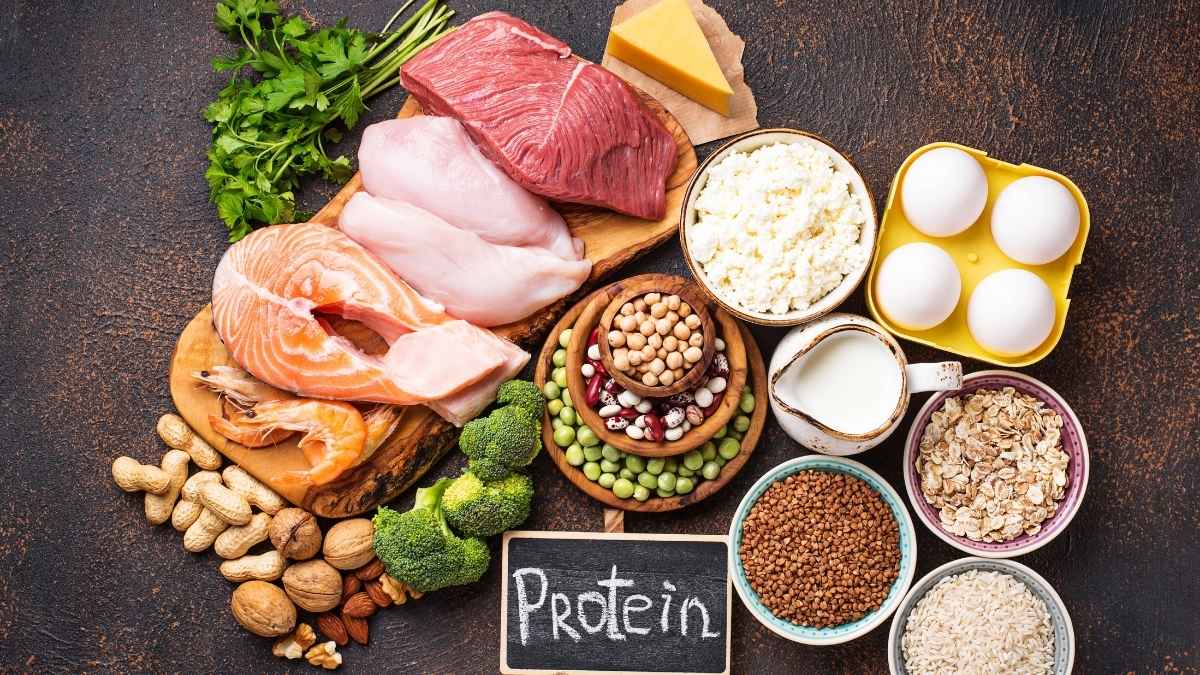
- Eggs
- Yogurt
- Chicken
- Fish
- Beans
Aim for protein at every meal — not just dinner.
Common Blood Sugar Mistakes People Make
Many people eat “healthy” but still spike blood sugar.
Common mistakes:
- Fruit alone as breakfast
- Smoothies without protein
- Large carb meals without fat or fiber
- Skipping meals
These patterns cause highs and crashes.
How to Build a Blood Sugar Friendly Plate
Use this simple structure:
- Half plate: fiber foods
- One quarter: protein
- One quarter: slow carbs
- Small amount of fat
This balance works across cultures and diets.
Sample Day of Eating (Realistic)
Breakfast:
Eggs + toast + yogurt
Lunch:
Lentil soup + salad with vinegar dressing
Snack:
Greek yogurt with cinnamon
Dinner:
Rice + beans + vegetables + protein
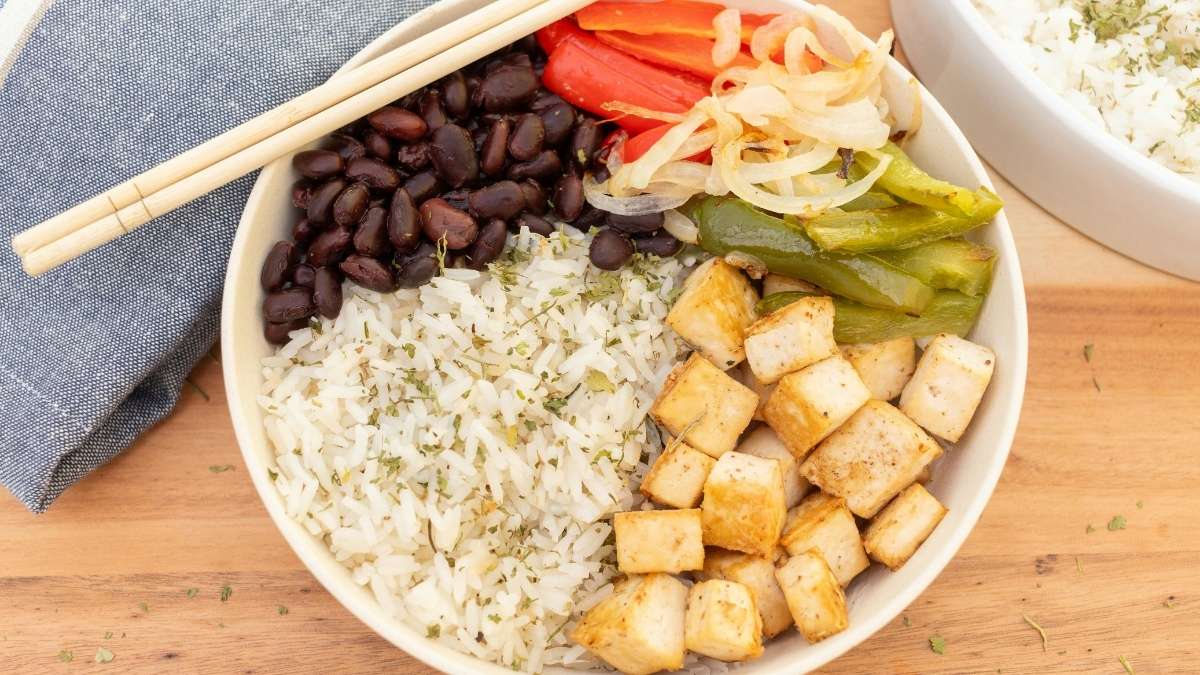
Simple. Sustainable.
Who Benefits Most From Blood Sugar Friendly Foods
These foods help people who:
- Feel tired after meals
- Crave sweets
- Gain weight easily
- Feel shaky between meals
You do not need diabetes to benefit.
Safety Notes
If you take medication for blood sugar, talk to your doctor.
Food helps, but medicine should not be stopped without advice.
Final Thought:
Blood sugar balance is not about strict diets or fear of food.
It is about choosing foods that work with your body, not against it.
When you focus on blood sugar friendly foods, energy improves.
Cravings calm down.
Meals feel satisfying again.
Small food changes, repeated daily, create real results.