Most people think they need more coffee.
They don’t.
They need better fuel.
If you wake up tired, crash in the afternoon, or feel drained by early evening, you are not alone. Millions of adults feel this way every day. And most of them assume it is just “normal life.”
It is not.
Energy is not about pushing harder.
It is about feeding your body smarter.
This article is not about extreme diets.
It is not about supplements.
And it is definitely not about counting calories.
It is about everyday foods.
Simple foods.
Foods you already recognize.
These are foods that improve energy quietly — without spikes, crashes, or stress.
Why Energy Feels So Hard to Maintain Today
Modern life drains energy in subtle ways.
- Long sitting hours
- Constant screen time
- Poor sleep routines
- Ultra-processed foods
- Irregular meals
Even people who eat “healthy” often miss one key thing: energy stability.
When blood sugar jumps, energy crashes.
When digestion struggles, energy drops.
When meals lack balance, fatigue follows.

The solution is not eating less.
The solution is eating differently.
What Real Energy From Food Looks Like
Real energy feels calm.
- No sudden rush
- No sharp crash
- No heavy feeling after meals
It lasts longer.
It feels steady.
And it supports both body and mind.
The foods below work because they do one thing well:
They help your body release energy slowly and consistently.
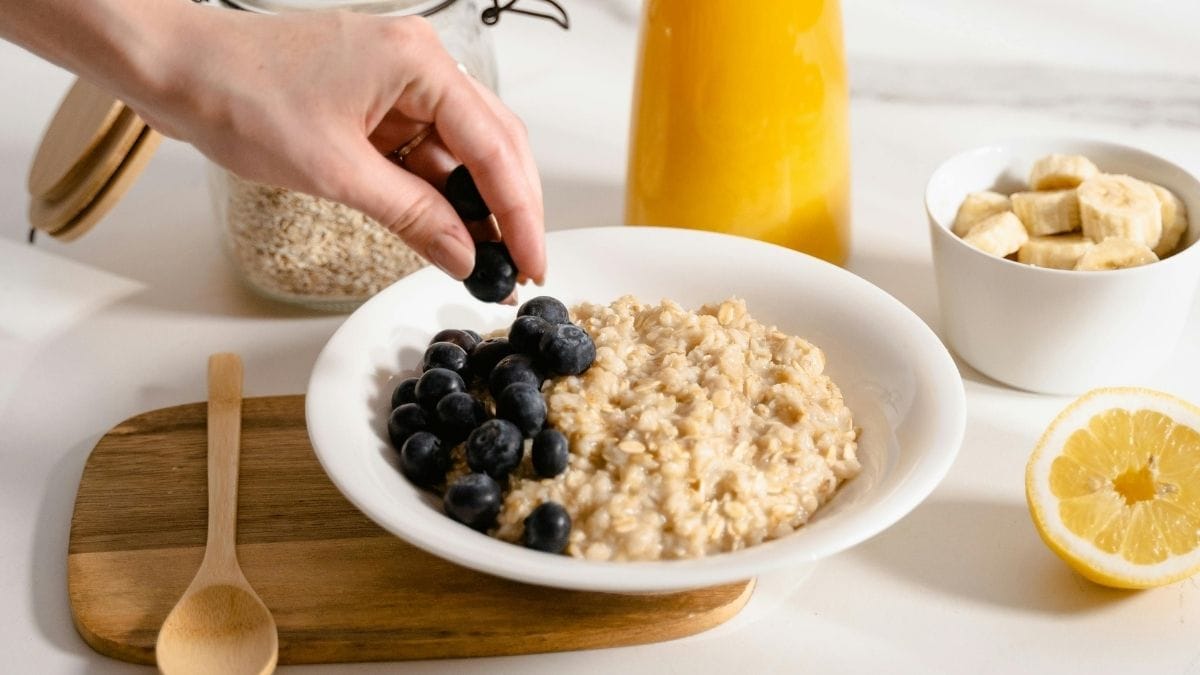
1. Oats: The Quiet Morning Reset
Oats are not exciting.
That is exactly why they work.
They digest slowly.
They keep blood sugar stable.
They help you feel full without feeling heavy.
Oats provide complex carbohydrates that release energy over time. This makes them ideal for mornings or early afternoons.
Best ways to eat oats:
- Plain oatmeal with fruit
- Overnight oats
- Oats with nuts or seeds
Avoid loading them with sugar.
Energy loves simplicity.
2. Eggs: Small Food, Big Support
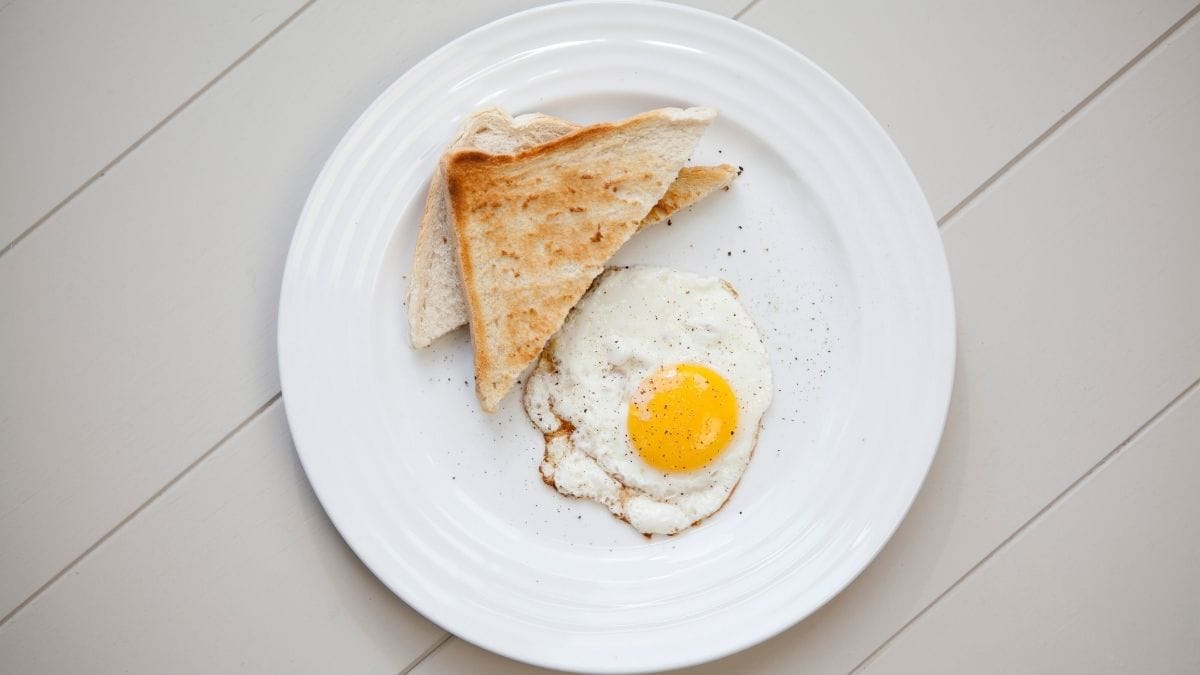
Eggs are one of the most complete foods available.
They contain:
- High-quality protein
- Healthy fats
- Essential vitamins
Protein helps prevent energy crashes.
Fat helps slow digestion.
Together, they create balance.
Eggs are especially useful when:
- Breakfast feels rushed
- Lunch comes late
- You need focus without heaviness
One or two eggs can go a long way.
3. Bananas: Natural, Portable Energy
Bananas are often misunderstood.
They are not “too sugary” when eaten properly.
They contain natural carbohydrates, fiber, and potassium.
This combination helps muscles and nerves work efficiently. That means less fatigue and better stamina.
Bananas are excellent:
- Before walking or light workouts
- As a mid-morning snack
- Paired with nuts or yogurt
Simple. Affordable. Effective.
4. Nuts: Energy That Lasts
Nuts are dense.
That is their strength.
A small handful provides:
- Healthy fats
- Protein
- Minerals
They slow digestion and prevent sharp energy drops.
Best choices:
- Almonds
- Walnuts
- Cashews
Avoid flavored or sugary versions.
Plain always performs better.
5. Leafy Greens: Light but Powerful
Leafy greens do not feel like “energy food.”
But they support energy quietly.
They provide:
- Iron
- Magnesium
- Natural plant compounds
These nutrients help oxygen move through the body more efficiently. Better oxygen use means better energy.
Add leafy greens to:
- Lunch bowls
- Smoothies
- Simple dinners
They do not need large portions to work.
6. Yogurt: Energy Through Digestion
Energy is not only about calories.
It is also about digestion.
When digestion struggles, energy drops.
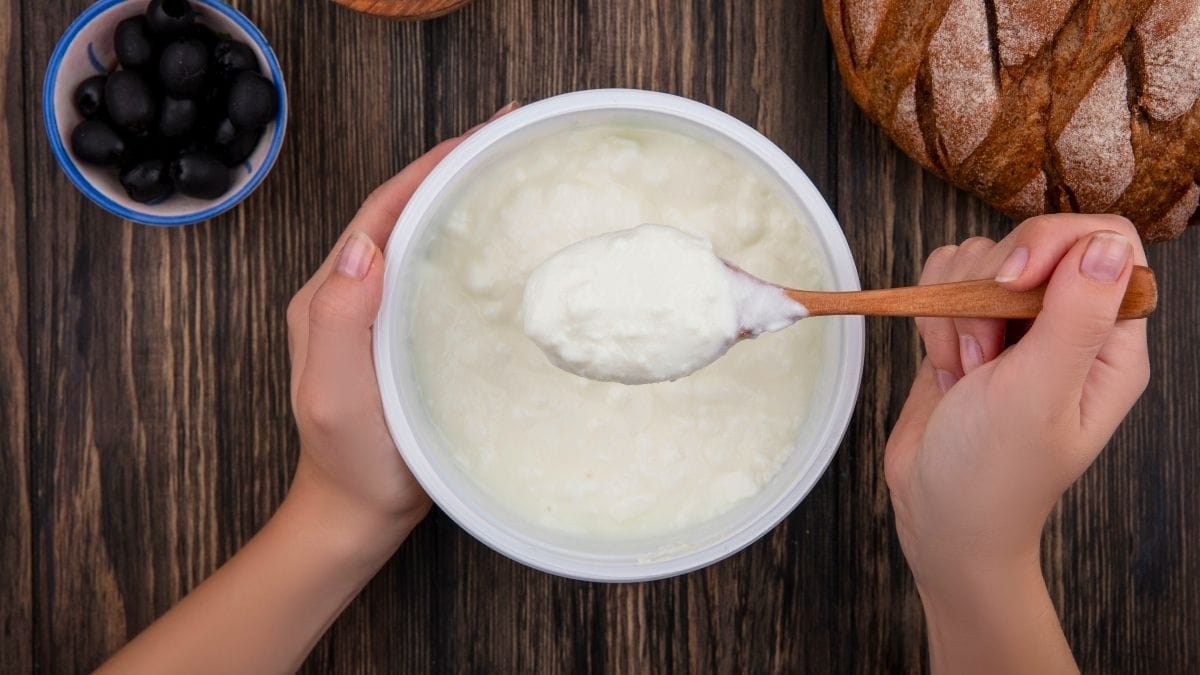
Plain yogurt supports gut health and protein intake at the same time. A healthy gut absorbs nutrients better. That means more usable energy from food.
Choose:
- Plain yogurt
- Greek yogurt
- Unsweetened options
Add fruit or seeds instead of sugar.
7. Sweet Potatoes: Steady and Comforting
Sweet potatoes provide slow, reliable energy.
They are rich in:
- Complex carbohydrates
- Fiber
- Vitamins
Unlike refined carbs, they release energy gradually. This prevents the tired-after-eating feeling many people experience.
They work well:
- At lunch
- At dinner
- As a side instead of bread
They are satisfying without being heavy.
How to Combine Foods for Better Energy
Energy is not about single foods.
It is about combinations.
A balanced energy-supporting meal includes:
- A slow carbohydrate
- A protein source
- A healthy fat
Example:
- Oats + yogurt + nuts
- Eggs + greens + toast
- Sweet potato + eggs + vegetables
Balance creates stability.
Common Energy Mistakes to Avoid
Even good foods fail when habits work against them.
Avoid these patterns:
- Skipping meals
- Eating only carbs
- Drinking energy instead of eating
- Relying on caffeine alone
Caffeine borrows energy.
Food builds it.
Why These Foods Work So Well Together
These are not trendy foods.
They are reliable foods.
They support:
- Blood sugar balance
- Digestion
- Nutrient absorption
- Long-term consistency

That is why these foods that improve energy continue to perform well across cultures and age groups.
They fit real life.
The Truth About Lasting Energy
Energy is not created overnight.
It is built daily.
Small food choices, repeated often, shape how you feel.
You do not need perfection.
You need consistency.
When meals stop fighting your body, energy returns naturally.
That is the real upgrade.
Final Thought:
If energy has felt harder to maintain lately, do not assume something is wrong with you.
Look at your plate.
Often, the fix is not louder.
It is quieter.
And it usually starts with foods that improve energy — eaten simply, eaten regularly, and eaten with intention.