
Pause for a moment.
People who live the longest lives
don’t eat the same foods,
don’t speak the same language,
and don’t live in the same countries.
Yet their plates share something surprisingly similar.
It isn’t a superfood.
It isn’t an expensive supplement.
And it definitely isn’t a trendy diet.
After studying eating patterns for decades, Harvard researchers noticed one simple detail —
a detail most people completely ignore.
This article is about that one thing.
Quiet. Simple. Powerful.
And yes, it’s the common thread found in the world’s most successful Longevity Diets.
A Short Story to Begin
Maria is 82 years old.
She lives in a small village in southern Italy.
She doesn’t count calories.
She doesn’t read nutrition labels.
She has never Googled “best diet for aging.”
But every day, she eats in a way that mirrors people in Japan, Greece, and Spain — regions known for long, healthy lives.
When Harvard researchers study these populations, they notice something important.
It’s not just what they eat.
It’s how food fits into their daily life.
That difference matters more than most people realize.
What Harvard Research Actually Says
Harvard’s nutrition research does not focus on miracle foods.
Instead, it asks a better question:
“What do people eat consistently over many years?”
Across long-term studies, one pattern keeps showing up.
People who age well do not build their diets around heavily processed food.
This is the foundation of most Longevity Diets — not restriction, but structure.
The One Thing All Longevity Diets Share
Food That Still Looks Like Food
In simple words:
If you don’t need a label to understand it,
your body probably knows what to do with it.
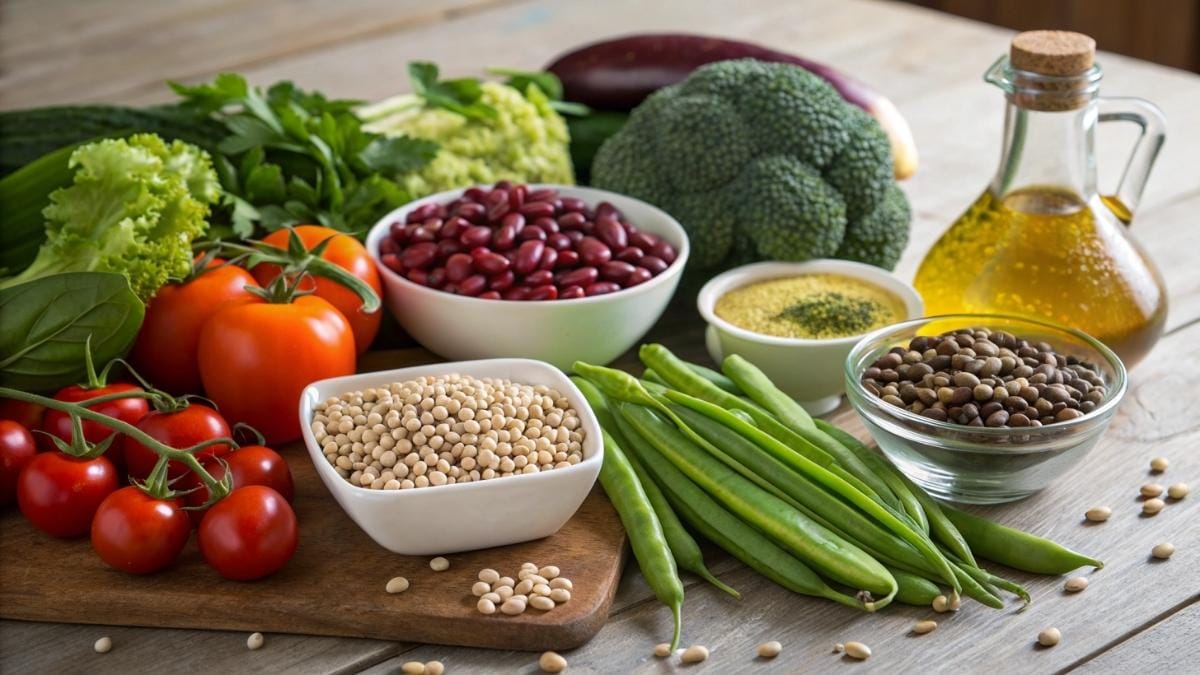
Harvard researchers repeatedly observed diets rich in:
- vegetables in their natural form
- beans and legumes
- minimally processed grains
- healthy fats like olive oil
No hype.
No extremes.
Just real food, eaten regularly.
Where Modern Eating Goes Wrong
Today’s food culture looks very different.
Many foods:
- come with long ingredient lists
- are designed in factories
- last for months on shelves
Research links these foods to:
- chronic inflammation
- heart problems
- metabolic confusion
Harvard researchers often make a key distinction:
These foods don’t always shorten life —
they shorten healthy years.
And that’s the part people feel every day.
Why “What You Avoid” Matters More Than What You Add
Most people ask:
“What food should I start eating?”
Harvard’s findings quietly suggest a different approach:
“What food should stop being the base of your diet?”
Reducing:
- ultra-processed snacks
- sugary drinks
- refined carbohydrates

often improves health without adding anything new.
This is why Longevity Diets work — they remove friction from the body.
A Small Detail Most Diets Miss
Harvard research also points to behavior, not just nutrients.
People who live longer often:
- eat slowly
- stop before feeling full
- respect hunger cues
This isn’t calorie counting.
It’s body awareness.
And it’s largely missing from modern eating habits.
Another Story: Okinawa, Japan
In Okinawa, elders follow a simple rule:
“Hara Hachi Bu.”
It means:
Eat until you’re about 80% full.
Harvard researchers connect this habit to:
- lower disease rates
- healthier metabolism
- better aging outcomes

No apps.
No tracking.
Just awareness.
A Simple Plate That Supports Longevity
Across successful Longevity Diets, plates tend to look similar:
- half filled with vegetables
- moderate protein
- small amounts of healthy fat
It’s not strict.
It’s balanced.
Harvard nutrition experts often repeat one idea:
“Consistency matters more than perfection.”
Why This Truth Is Often Ignored
Because it doesn’t sound exciting.
There’s no dramatic headline.
No quick transformation.
No product to sell.
But health is rarely built through excitement.
It’s built through small, repeatable choices.
This Is Not a Diet — It’s a Direction
Harvard rarely promotes rigid diets.
Instead, it encourages direction:
- fewer factory-made foods
- more natural ingredients
- better portion awareness
That’s why Longevity Diets don’t feel restrictive.
They feel sustainable.
What You Can Change Today
No big overhaul needed.
Just:
- one less processed meal
- one more whole-food snack
- one meal eaten slowly
That’s enough to start shifting direction.
Final Thought: Quiet Motivation
Longevity isn’t hidden in a superfood.
It isn’t found in trends.
It lives in a simple habit most people rush past.
Eat food close to its natural form.
Eat it with awareness.
Harvard researchers have been observing this pattern for years.
And that is the real story behind Longevity Diets.