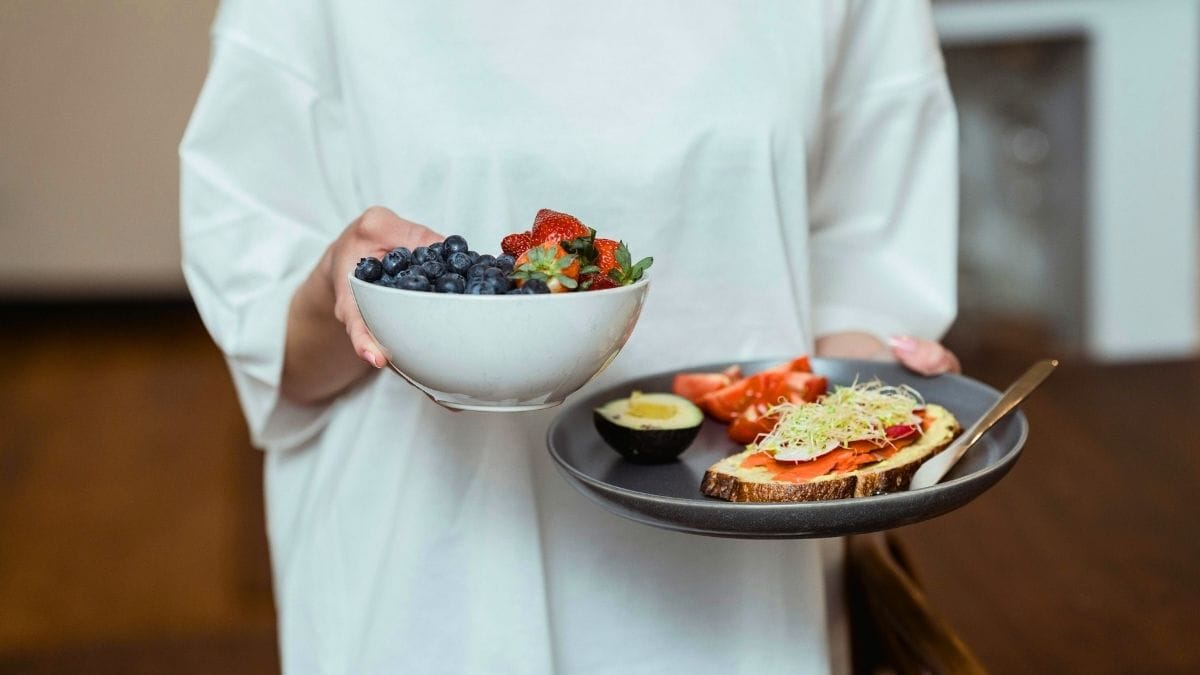
A 2025 Harvard study tracked 105,000 adults for 30 years. The result? What people ate in their 40s predicted how well they’d age.
You know diet matters. But which foods actually slow aging? Most advice conflicts.
Here’s the truth: chronic inflammation drives almost every age-related disease. And your food choices control it.
You’ll learn which foods reduce inflammation and slow biological aging. We’ll cover proven dietary patterns, why processed foods age you faster, and how anti-inflammatory diet aging works in practice.
The Science Behind “Inflammaging”: Why Your Body Ages Faster
Your body has two types of inflammation. Acute inflammation heals cuts and fights infections. It’s good.
Chronic inflammation is different. It’s a low-grade fire that burns 24/7 inside your body. Scientists call this “inflammaging.”

Here’s what matters: inflammaging drives 80% of chronic diseases in adults over 50. Cardiovascular disease. Alzheimer’s. Cancer. Diabetes. All linked to chronic inflammation. It even shortens your telomeres—the protective caps on your DNA that mark cellular aging.
Your biological age differs from your chronological age. Two 50-year-olds can have bodies that function like they’re 40 or 60. The difference? Inflammation levels.
Your gut microbiome controls much of this. As you age, your gut barrier weakens. Bacteria leak through.
Your immune system stays on high alert. This creates the constant inflammation that ages you faster.
Dr. Licia Iacoviello at IRCCS Neuromed explains that dietary choices go beyond preventing illness—they promote long-term function and vitality.
How Ultra-Processed Foods Accelerate Biological Aging
Ultra-processed foods (UPFs) age you faster than your birthday candles suggest. Scientists use the NOVA classification system to identify these foods.
They contain industrial ingredients you’d never use in your kitchen—emulsifiers, preservatives, artificial colors.
A 2024 Monash University study found something alarming. Every 10% increase in UPF consumption speeds biological aging by 2.4 months.
That small chocolate bar or serving of chicken nuggets? About 200 calories of UPFs age you 2+ months faster.
The November 2024 Moli-sani Study tracked 22,000+ people and confirmed this—high UPF intake added 0.34 years to biological age.

Here’s the problem: UPFs make up over 50% of calories in US and UK diets. And a 2025 analysis showed that every 10% increase in UPF consumption raises your death risk by 10%.
It’s not just about nutrients. Food processing itself matters. UPFs trigger brain responses similar to addiction. They’re designed to make you want more.
Common UPFs hiding in your kitchen:
- Packaged bread and buns
- Instant noodles
- Sweetened yogurts
- Energy bars
- Most breakfast cereals
- Chicken nuggets and processed meats
- Sugary drinks
- Ice cream
- Mass-produced cookies and snacks
Many foods marketed as “healthy” are ultra-processed. Check the ingredient list. If it reads like a chemistry experiment, it’s aging you faster.
Dietary Patterns Proven to Slow Aging: The 30-Year Evidence
You don’t need a perfect diet. You need a proven pattern. Researchers have tracked specific eating styles for decades. The results are clear.
The Mediterranean diet tops the list for longevity. It reduces C-reactive protein—a key inflammation marker in your blood.
A 2025 Harvard study found that people who followed Mediterranean or DASH diet patterns gained substantial years of life. If you’re 40 and stick with it, you could add 6.2 to 9.7 years to your life expectancy.
The DASH diet (Dietary Approaches to Stop Hypertension) fights inflammation while lowering blood pressure.
The MIND diet combines Mediterranean and DASH principles specifically for brain health. It protects against cognitive decline. The Nordic diet offers similar benefits using regional foods like berries, fish, and root vegetables.
Blue Zones are regions where people live past 100 at higher rates. A 2024 analysis found that 80% of their longevity comes from lifestyle factors.
Nutrition tops that list. A 2025 Lancet analysis showed something hopeful: even starting at age 60, adopting Blue Zones eating patterns adds an average of 8 healthy years.
What do all these diets share?
- Mostly plant foods (vegetables, fruits, nuts)
- Whole grains and legumes daily
- Fish and omega-3 sources multiple times weekly
- Olive oil and healthy fats
- Very little red or processed meat
- Herbs and spices for flavor instead of salt
- Moderate portion sizes
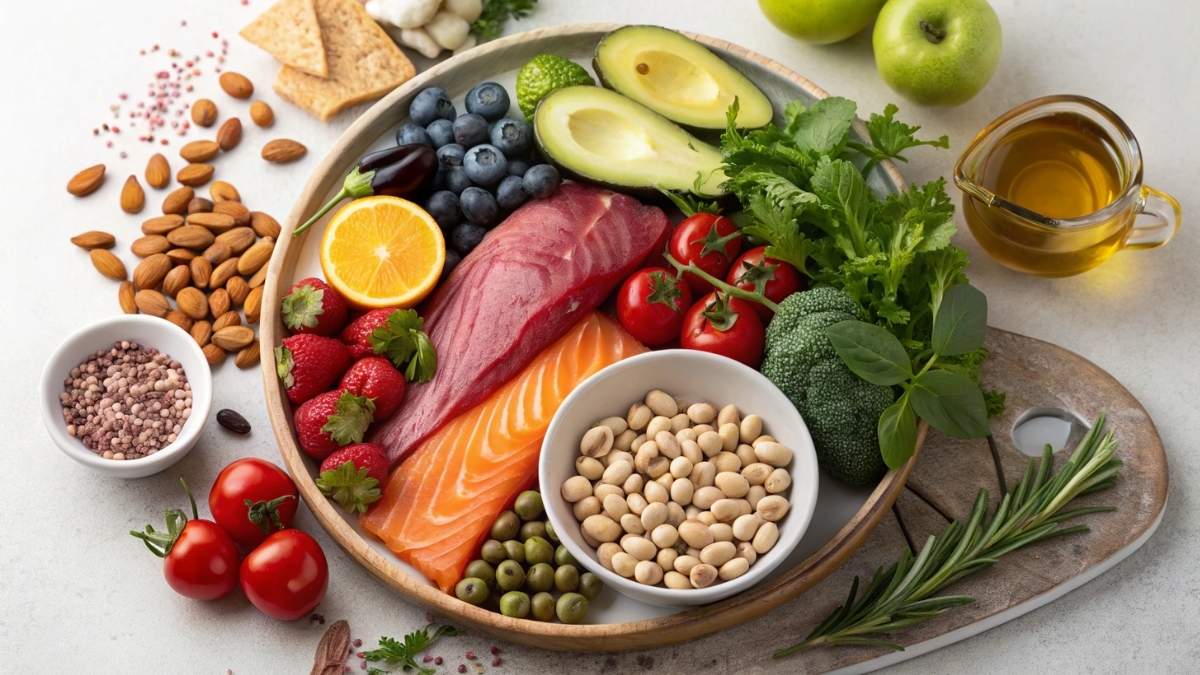
You don’t need to follow one diet perfectly. Pick the pattern that fits your culture and preferences. The anti-inflammatory eating principles work regardless of which specific plan you choose.
The Top Anti-Inflammatory Foods Backed by 2024-2025 Research
Here’s a reality check: 57% of U.S. adults eat pro-inflammatory diets. A 2024 study of 34,500+ people found this.
You might be one of them without knowing it. The good news? Switching to anti-inflammatory foods reverses the damage.
Fatty Fish and Omega-3s Salmon, sardines, and mackerel fight inflammation at the cellular level.
2025 research shows omega-3 supplementation extends lifespan for people who rarely eat fish. Aim for two servings weekly. Walnuts and flaxseeds work too.
Berries and Colorful Produce Blueberries, strawberries, and pomegranates contain polyphenols that repair your DNA.
That’s how they slow cellular aging. Leafy greens like spinach and kale deliver flavonoids—compounds that shut down inflammation. Colorful peppers and cruciferous vegetables (broccoli, cauliflower) belong on your plate daily.
Fiber-Rich Whole Grains Quinoa, oats, and brown rice do more than fill you up. High-fiber diets reduce CRP and IL-1Ra—two inflammatory markers that doctors measure in your blood. Fiber also feeds good gut bacteria.
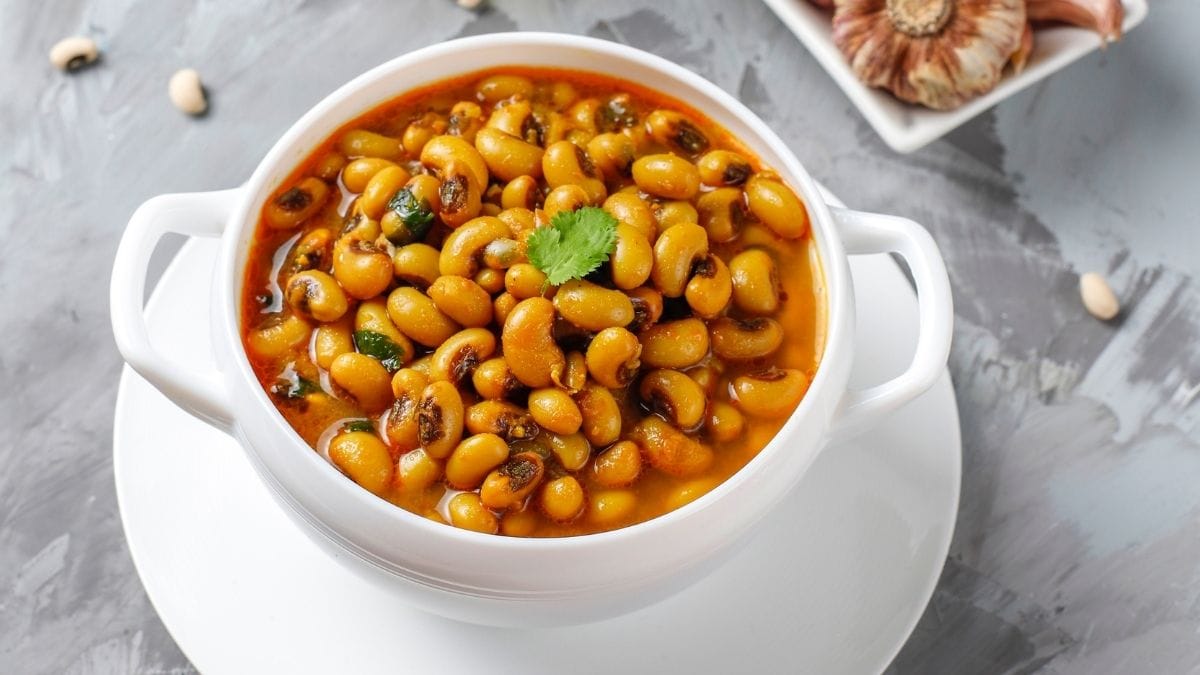
Legumes for Longevity Beans and lentils appear in every long-lived population’s diet.
They’re protein-rich, fiber-packed, and naturally anti-inflammatory. Add them to salads, soups, or use them as meat replacements.
Healthy Fats That Heal Extra virgin olive oil is liquid gold for your cells. Avocados and nuts (especially almonds and walnuts) provide fats that reduce inflammation.
A 2024 study confirmed: saturated fat promotes inflammation while these fats fight it.
Spices as Medicine Turmeric, ginger, garlic, and cinnamon aren’t just flavor. They’re powerful anti-inflammatory agents. Use them liberally. Your taste buds and your cells will thank you.
Fermented Foods for Your Gut Yogurt, kefir, kimchi, and sauerkraut feed your gut microbiome. Remember—your gut controls inflammation levels. These foods deliver beneficial bacteria directly.
One more thing: Vitamin D levels above 40 ng/mL correlate with longer lifespans in large studies. Get tested. Supplement if needed.
Pro-Inflammatory Foods to Limit for Healthy Aging
Some foods fan the flames of inflammation. A 2025 NHANES study found that pro-inflammatory diets increase your odds of cardiovascular disease by 28%, diabetes by 17%, and high blood pressure by 19%. That’s significant.
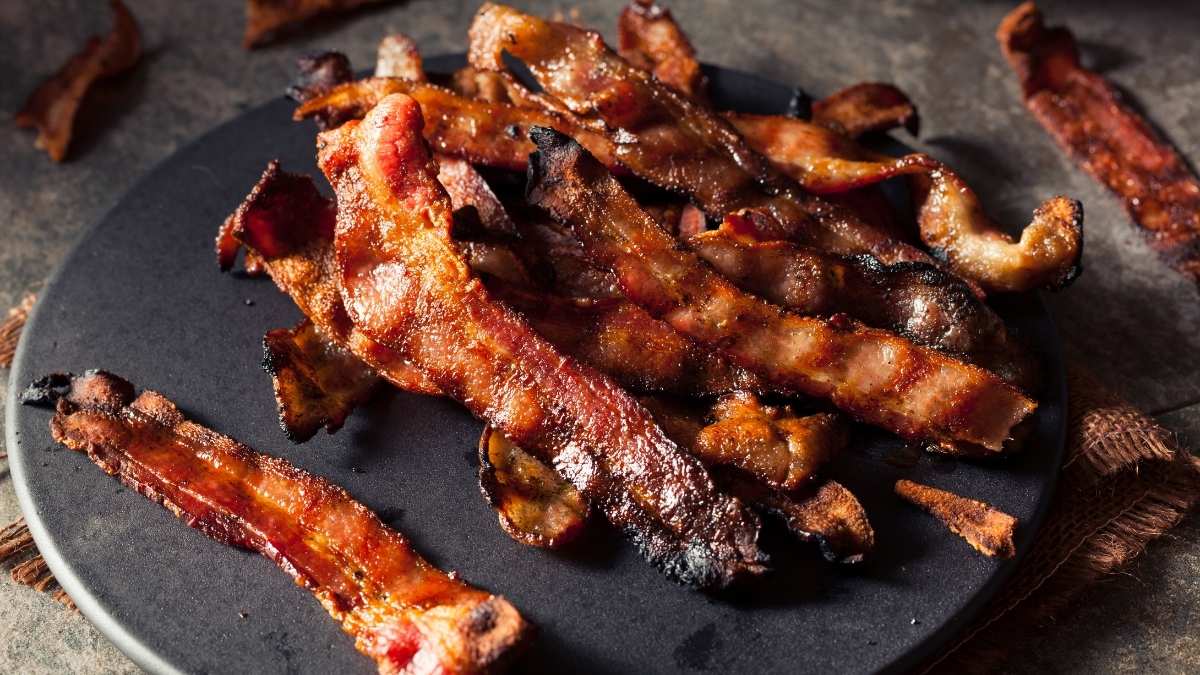
Red and Processed Meats Bacon, sausage, hot dogs, and deli meats top the pro-inflammatory list.
2024 research shows diets high in animal-based proteins raise inflammatory markers in your blood. Limit red meat to once or twice weekly.
Refined Carbs and Added Sugars White bread, pastries, sodas, and candy spike your blood sugar.
This triggers inflammation throughout your body. Your gut bacteria shift in harmful ways when you eat these foods regularly.
Bad Fats Trans fats (in many fried and packaged foods) and excessive saturated fats alter your gut microbiota.
They increase harmful bacteria types called Firmicutes and Proteobacteria. This happens even if you’re not overweight.
Excessive Alcohol More than one drink daily for women or two for men promotes inflammation.

Here’s the honest truth: you don’t need perfection. Occasional treats won’t destroy your health. It’s the daily patterns that matter.
How Your Gut Microbiome Controls Inflammation and Aging
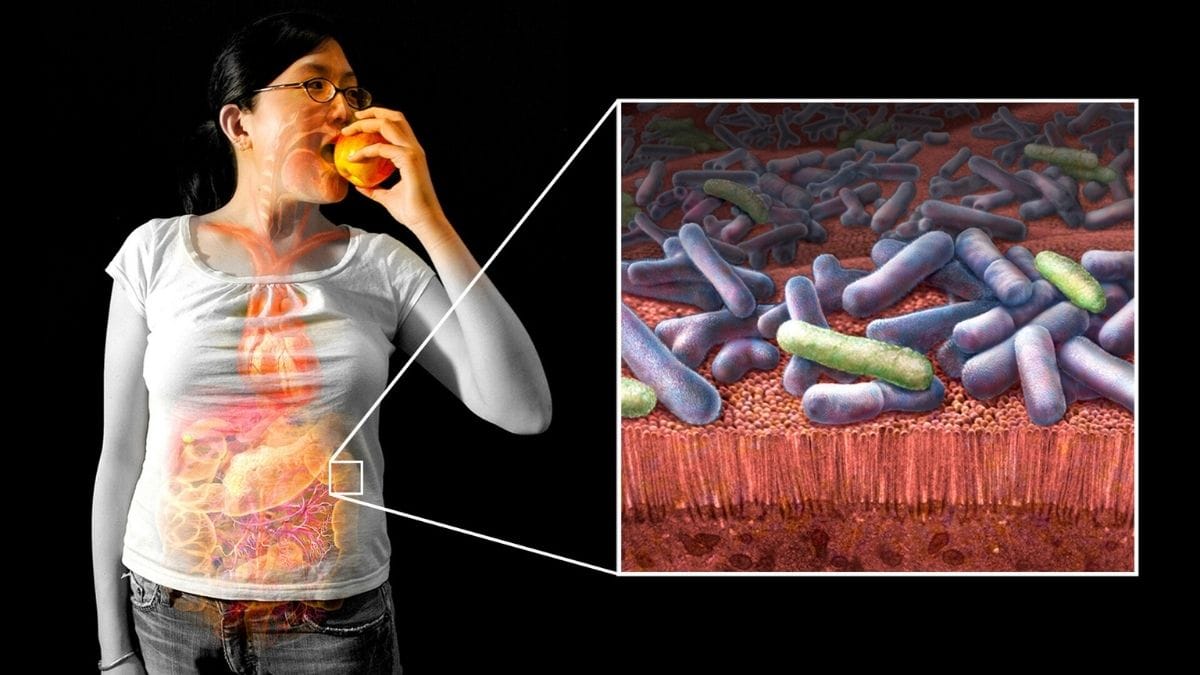
Your gut houses trillions of bacteria. They control more than digestion. They regulate your immune system, communicate with your brain, and determine how fast you age. Scientists call this the gut-brain-immune axis.
A 2025 study revealed something important about gut microbiome aging. As you get older, your gut bacteria shift in harmful ways.
Your intestinal barrier weakens. Think of it like a screen door with holes. Bacteria and toxins leak through into your bloodstream. This triggers system-wide inflammation.
Here’s what happens: beneficial bacteria die off. They produce less of something called short-chain fatty acids (SCFAs).
Your body needs SCFAs—especially one called butyrate—to keep your gut lining strong. High-fiber diets boost butyrate production, which reduces brain inflammation. Research in aging mice proved this works.
Centenarians have something special in their guts. Higher bacterial diversity. More variety means better health. Their gut microbiota looks different than the average 70-year-old’s.
Feed Your Good Bacteria Prebiotics are fiber that feeds beneficial bacteria. Probiotics are the live bacteria themselves. You need both.
Fiber from whole grain cereals reduces inflammatory markers (CRP and IL-1Ra) more effectively than fiber from fruits or vegetables.
Best Gut Foods:
- Whole grains (oats, barley)
- Legumes (beans, lentils)
- Fermented foods (yogurt, kimchi, sauerkraut)
- Vegetables (onions, garlic, asparagus)
- Fruits (bananas, apples)
Your gut barrier function determines your inflammation levels. Feed it right, and it protects you. Ignore it, and gut dysbiosis accelerates aging.
Conclusion:
Thirty years of research proves it: diet controls how fast you age. Anti-inflammatory eating patterns—Mediterranean, DASH, whole plant foods—slow biological aging. Ultra-processed foods speed it up.
You don’t need perfection. Start small this week. Replace one processed food with berries, leafy greens, or fish.
Anti-inflammatory eating for healthy aging isn’t deprivation. It’s choosing foods that keep your body working optimally for decades.