
You forget a name you know well.
You walk into a room and pause.
You search for a word that once came easily.
For many adults over 55, these moments feel scary.
They raise a quiet question: Is my brain slowing down?
Aging plays a role.
But research shows that foods for brain health — and poor food choices — matter more than most people think.
Not overnight.
Not dramatically.
But slowly, over years.
Let’s look at what long-term research suggests may strain brain health—and what to eat instead.
What “Linked to Cognitive Issues” Really Means
Before we begin, let’s be clear.
These foods do not cause dementia.
They do not damage the brain instantly.
Researchers observe patterns over time.
People who eat certain foods often tend to show:
- Poorer memory performance
- Slower thinking speed
- Higher brain inflammation markers

This article focuses on association, not blame.
The goal is awareness—not fear.
And most important, better choices.
Why Brain Health Changes After 55
As we age:
- Blood flow to the brain can decrease
- Inflammation rises
- The brain becomes more sensitive to blood sugar swings
Food that once felt harmless can quietly add stress.
That is why foods for brain health become more important later in life.
Point 1 – Sugary Drinks (Including Sweetened Tea and Juice)

Sugary drinks feel refreshing.
They go down easily.
But the brain pays a price.
What Research Observes
High sugar intake is linked with:
- Memory strain
- Faster brain aging markers
- Poor insulin response in the brain
The brain uses glucose carefully.
Too much, too often, creates stress.
Better Choice
- Water
- Unsweetened tea
- Water with lemon
Hydration supports focus.
Sugar spikes do not.
Point 2 – Highly Processed Meats
Bacon, sausages, deli meats.
Convenient and familiar.
But heavily processed foods raise concern.
What Research Observes
Frequent intake is linked with:
- Higher inflammation
- Reduced vascular health
- Lower cognitive performance scores
The brain depends on healthy blood vessels.
Better Choice
- Fresh fish
- Beans and lentils
- Eggs in moderation
These options support foods for brain health without added chemicals.
Point 3 – Refined Carbohydrates (White Bread, Pastries)

Soft textures feel comforting.
But refined carbs act fast in the body.
What Research Observes
Diets high in refined carbs are linked with:
- Blood sugar swings
- Poor attention and focus
- Faster cognitive decline markers
The brain prefers steady fuel.
Better Choice
- Oats
- Brown rice
- Whole grains with short ingredient lists
Slow energy supports clear thinking.
Point 4 – Fried Foods
Crispy foods are hard to resist.
But frequent frying creates harmful compounds.
What Research Observes
High intake is linked with:
- Inflammation
- Oxidative stress
- Reduced memory performance
Heat-damaged oils stress brain cells.
Better Choice
- Baked foods
- Grilled vegetables
- Light sauté with olive oil
Gentler cooking protects the brain.
Point 5 – Artificially Sweetened Foods

Sugar-free sounds smart.
But the brain may react differently.
What Research Observes
Some studies link heavy intake with:
- Confused hunger signals
- Altered gut-brain communication
- Increased stroke risk markers
The brain relies on clear signals.
Better Choice
- Natural sweetness from fruit
- Smaller portions of real sugar
- Gradual taste adjustment
Less confusion means better balance.
Point 6 – Excess Alcohol
Alcohol is social.
But excess intake affects the brain directly.
What Research Observes
Regular heavy drinking is linked with:
- Shrinking brain volume
- Slower reaction time
- Memory issues
Moderation matters more with age.
Better Choice
- Alcohol-free days
- Herbal drinks
- Water-based social habits
The brain recovers better with rest.
Point 7 – Packaged Snack Foods

Crackers, chips, snack bars.
Easy to grab.
But ultra-processing changes how the brain responds.
What Research Observes
These foods are linked with:
- Poor nutrient intake
- Inflammation
- Reduced mental clarity
The brain needs nutrients, not fillers.
Better Choice
- Nuts
- Yogurt
- Fresh fruit
Simple foods support stable focus.
Point 8 – Foods High in Trans Fats
Trans fats are less visible now—but still present.
What Research Observes
Higher intake is linked with:
- Poor memory scores
- Increased inflammation
- Vascular damage
Brain health depends on fat quality.
Better Choice
- Olive oil
- Avocados
- Nuts and seeds
Healthy fats protect brain cells.
What Researchers Recommend Eating Instead
Instead of focusing on restriction, research points to addition.
Foods Linked with Better Cognitive Aging
- Leafy greens
- Berries
- Fatty fish
- Nuts
- Legumes
- Whole grains
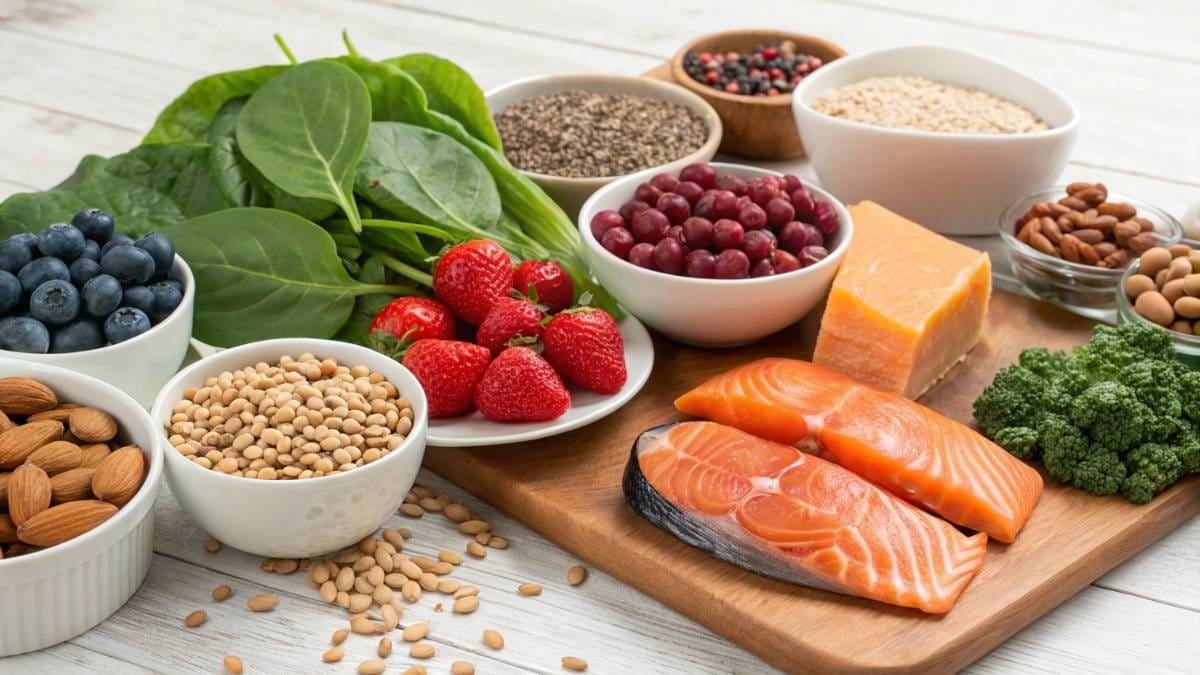
These foods support:
- Blood flow
- Reduced inflammation
- Brain cell protection
This is the foundation of foods for brain health.
Why Small Changes Matter More Than Big Diets
The brain responds to patterns.
One healthy meal does little.
One poor meal does little.
But years of habits matter.
Consistency builds resilience.
A Calm Reminder About Aging
Forgetting sometimes is human.
Aging is not failure.
Food choices are tools—not tests.
Better eating supports:
- Independence
- Confidence
- Quality of life
That matters more than numbers.
Final Perspective:
These foods are not enemies.
They are signals.
Research helps us notice patterns before damage grows.
The goal is not fear.
It is clarity.
Choose foods that nourish the brain gently, daily, and consistently.
That is the quiet power of foods for brain health.