
Aging does not happen overnight.
It shows up slowly—in your energy, your focus, your recovery, and your daily rhythm.
Many people look for shortcuts, pills, or sudden fixes.
But long-term health usually grows from quiet, repeated choices.
Food is one of those choices we make every single day.
Over the years, Harvard researchers have studied how everyday eating patterns connect with aging and long-term health.
Again and again, plant-based foods appear as part of dietary patterns linked with healthier aging. Not as miracles. Not as guarantees. But as steady support.
This article explores Plant-Based Ingredients for Healthy Aging that show up often in Harvard-linked nutrition research. These ingredients are simple, widely available, and already part of many traditional diets around the world.
What “Healthy Aging” Really Means
Before looking at ingredients, it helps to understand the term itself.
Healthy aging does not mean never getting sick.
It does not mean stopping time.
And it does not mean following extreme rules.
In research, healthy aging often refers to:
- Maintaining physical strength
- Supporting brain and heart health
- Preserving mobility
- Staying independent longer
- Reducing the risk of chronic conditions

Harvard studies often focus on patterns, not single foods. Still, certain plant-based ingredients appear again and again within those patterns.
Why Harvard Research Focuses on Food Patterns
Harvard’s long-term studies, like the Nurses’ Health Study and Health Professionals Follow-Up Study, follow people for decades. These studies look at how lifestyle choices connect with long-term outcomes.
Important point:
These are observational studies. They show links and associations—not guarantees.
What they consistently suggest is this:
People who eat more plant-based foods, especially whole and minimally processed ones, tend to age with better overall health.
That is the lens we will use throughout this article.
Ingredient 1: Leafy Green Vegetables

Leafy greens often sit quietly on the plate. They do not trend. They do not excite headlines. Yet they appear often in healthy aging research.
Examples include:
- Spinach
- Kale
- Swiss chard
- Arugula
- Romaine lettuce
Why They Matter
Leafy greens are linked with:
- Cognitive support
- Heart-friendly eating patterns
- Daily nutrient balance
They are low in calories and rich in natural compounds that support normal body functions.
How to Use Them Daily
- Add to soups and stews
- Toss into salads with olive oil
- Mix into eggs or grain bowls
- Blend into smoothies if preferred
These greens are a foundation ingredient, not a side thought.
Ingredient 2: Berries
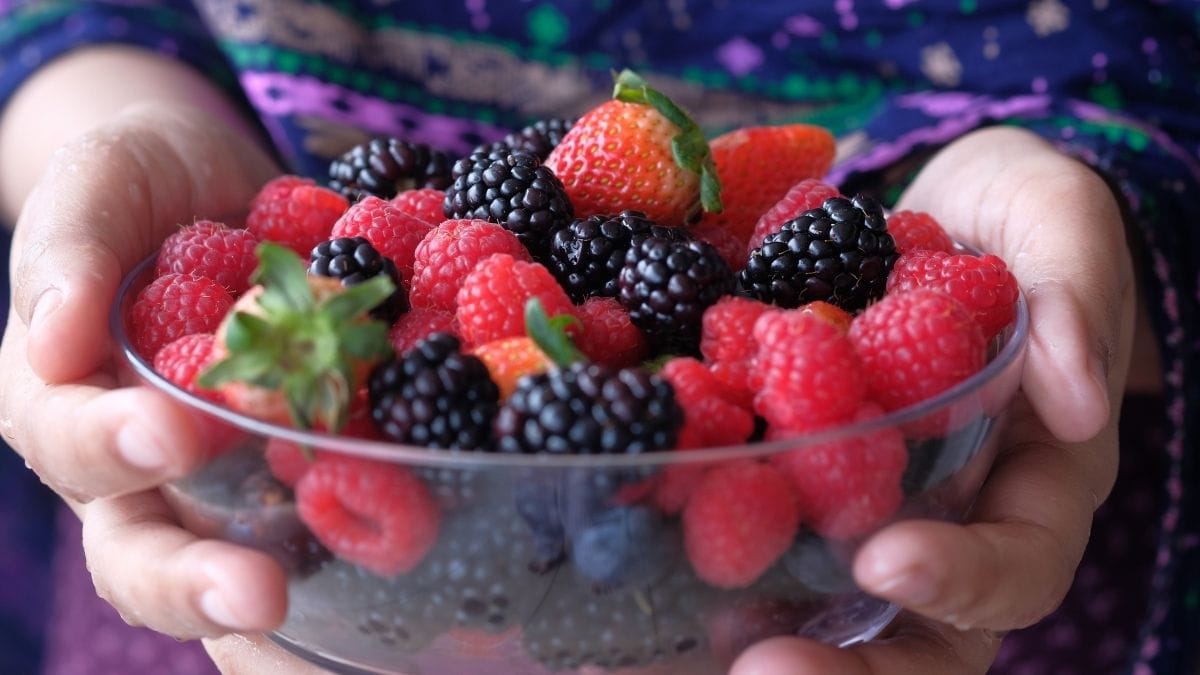
Berries are small, colorful, and often underestimated. Harvard nutrition research frequently highlights them as part of diets linked to better aging outcomes.
Common berries include:
- Blueberries
- Strawberries
- Blackberries
- Raspberries
Why They Matter
Berries contain natural compounds that support:
- Brain health
- Blood vessel function
- Balanced inflammation responses
They also satisfy sweetness without added sugar.
How to Use Them Daily
- Add to oatmeal or yogurt
- Eat fresh as a snack
- Freeze for long-term use
- Mix into simple desserts
Among Plant-Based Ingredients for Healthy Aging, berries stand out for their simplicity and flexibility.
Ingredient 3: Nuts
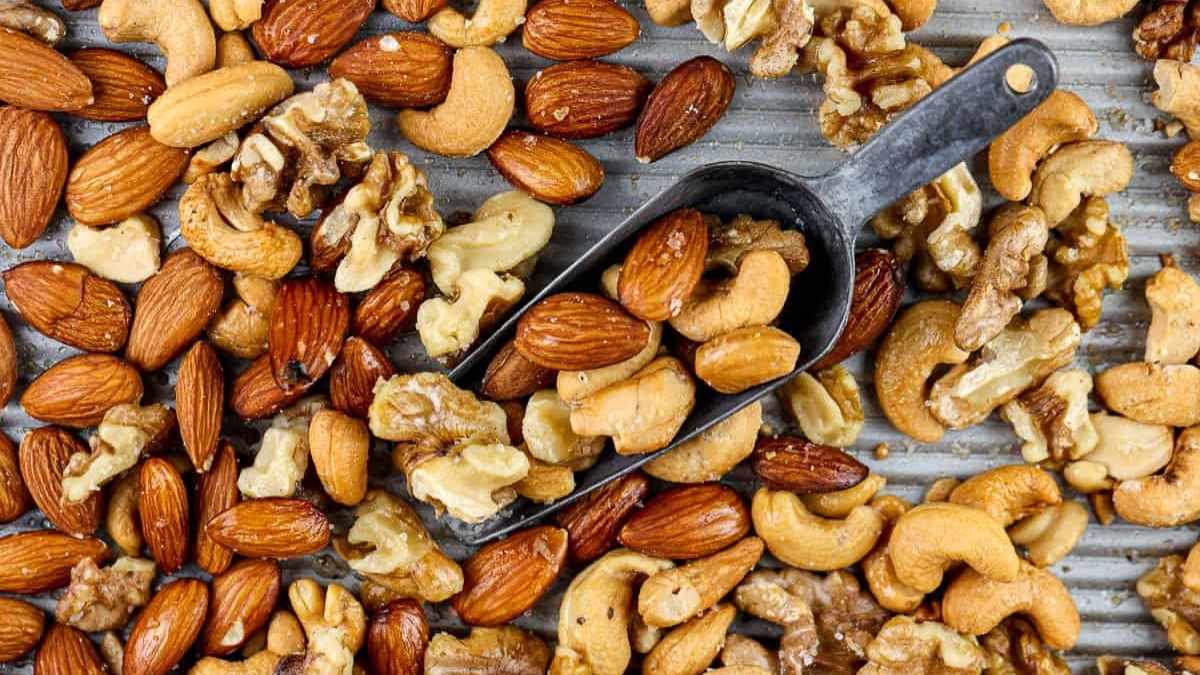
Nuts show up repeatedly in Harvard-linked studies on long-term health and aging.
Examples include:
- Walnuts
- Almonds
- Pistachios
- Hazelnuts
Why They Matter
Nuts are often linked with:
- Heart health support
- Healthy fat intake
- Long-lasting energy
They are calorie-dense, which means portions matter. Still, small amounts go a long way.
How to Use Them Daily
- Sprinkle on salads
- Add to oatmeal
- Eat a small handful as a snack
- Use nut butter in moderation
Nuts help meals feel complete and satisfying.
Ingredient 4: Legumes
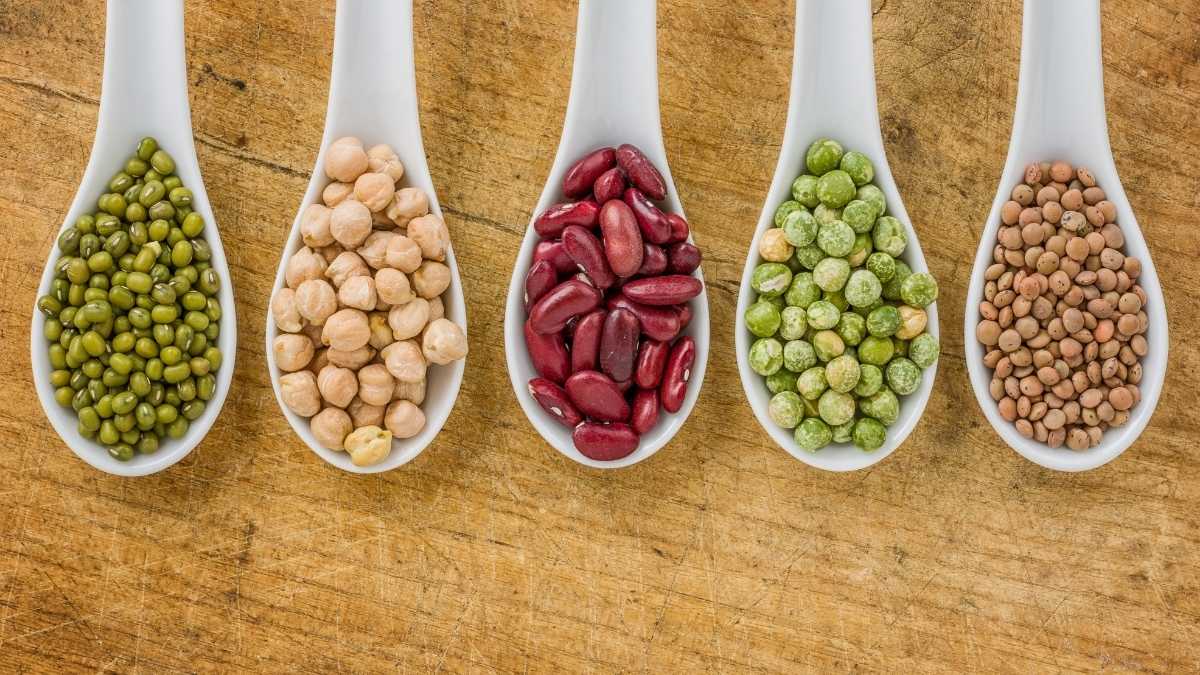
Legumes include:
- Lentils
- Chickpeas
- Beans
- Peas
They appear in plant-forward eating patterns across many cultures—and in research focused on longevity.
Why They Matter
Legumes support:
- Steady energy levels
- Plant-based protein intake
- Gut health through fiber
They are affordable, filling, and versatile.
How to Use Them Daily
- Add to soups and stews
- Use in salads
- Replace some meat in meals
- Mash into spreads or dips
Legumes are one of the most practical Plant-Based Ingredients for Healthy Aging because they fit into everyday life so easily.
Ingredient 5: Whole Grains
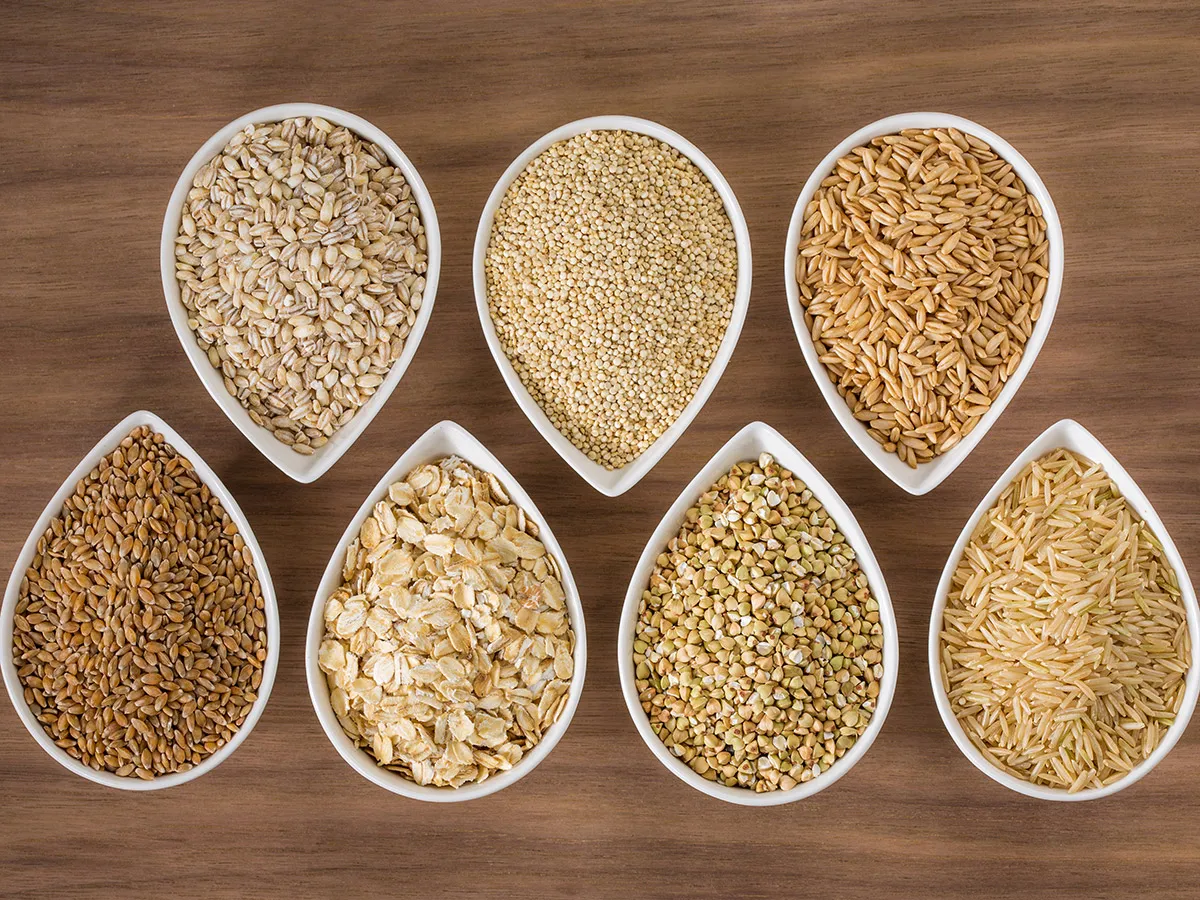
Whole grains are different from refined grains. They keep their natural structure and nutrients.
Examples include:
- Oats
- Brown rice
- Quinoa
- Barley
- Whole wheat
Why They Matter
Whole grains are linked with:
- Better blood sugar balance
- Digestive support
- Long-term heart health patterns
They provide slow, steady energy rather than quick spikes.
How to Use Them Daily
- Start the day with oats
- Swap white rice for brown
- Add grains to soups
- Build simple grain bowls
Whole grains bring structure and stability to meals.
Ingredient 6: Olive Oil
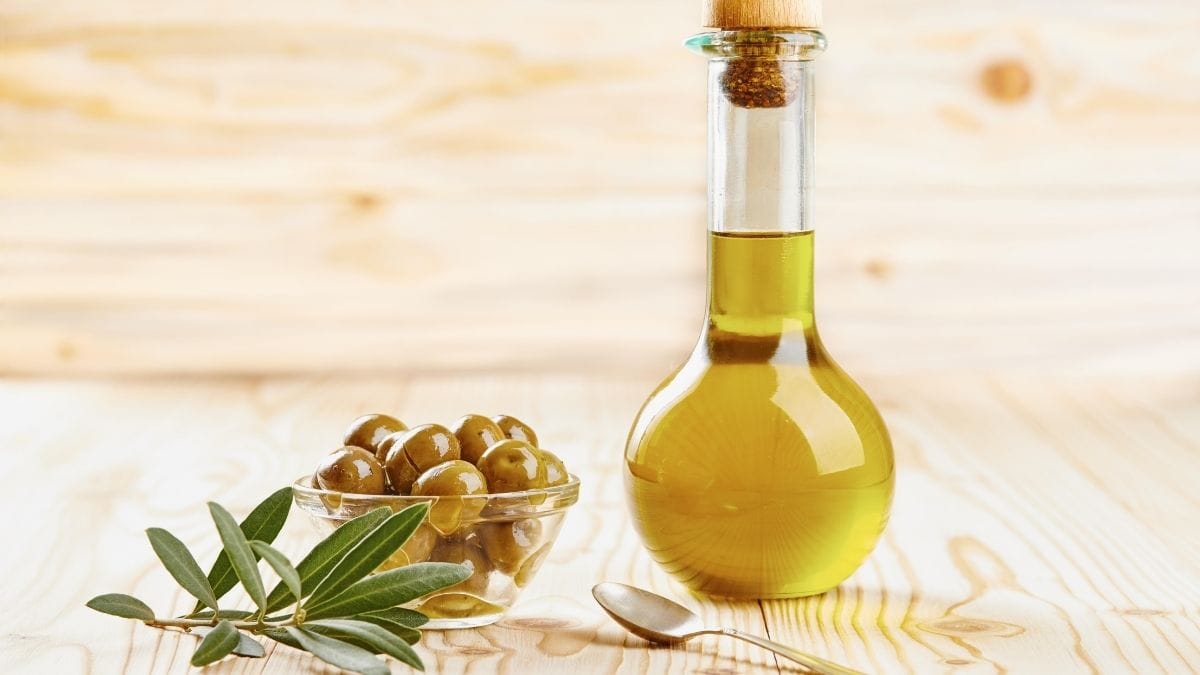
Olive oil is a cornerstone of the Mediterranean diet, which is often referenced in healthy aging research.
Why It Matters
Olive oil is associated with:
- Heart-friendly fat intake
- Reduced reliance on processed fats
- Better overall dietary quality
It is not about adding more oil, but choosing the right one.
How to Use It Daily
- Drizzle on vegetables
- Use for light cooking
- Mix into salad dressings
- Replace butter where possible
A little goes a long way.
Ingredient 7: Tomatoes
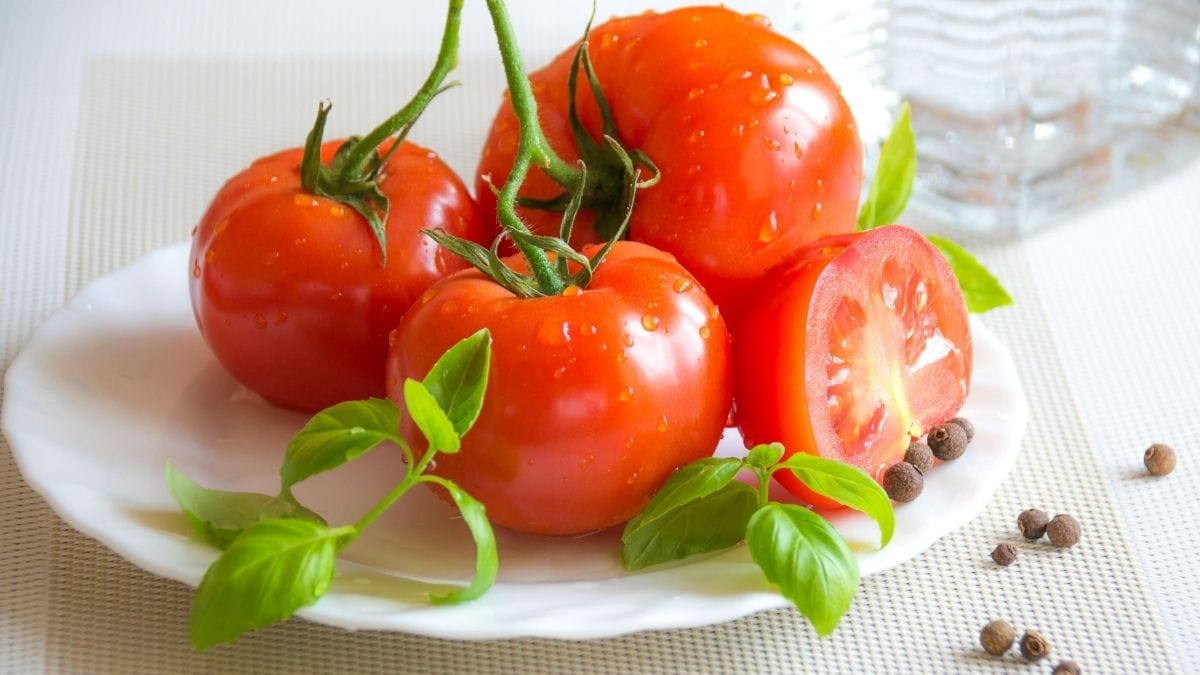
Tomatoes appear often in plant-based diets linked with long-term health.
They can be:
- Fresh
- Cooked
- Sauced
- Dried
Why They Matter
Tomatoes contain natural compounds that support:
- Heart health
- Skin health
- Overall antioxidant intake
Cooking tomatoes can actually increase the availability of some beneficial compounds.
How to Use Them Daily
- Add to salads
- Cook into sauces
- Use in soups
- Pair with olive oil for better absorption
They are easy to include and widely accepted.
Why These Ingredients Work Better Together
No single ingredient causes healthy aging.
The strength comes from patterns.
When these foods appear together regularly:
- Meals become more balanced
- Nutrient intake improves naturally
- Reliance on ultra-processed foods decreases
Harvard research often emphasizes this combined effect.
Common Mistakes to Avoid
Even with healthy ingredients, some habits reduce benefits.
Avoid:
- Extreme restriction
- Overeating “healthy” foods
- Ignoring portion sizes
- Chasing trends over consistency
Healthy aging supports balance, not obsession.
How to Start Without Overwhelm
You do not need to change everything at once.
Try this:
- Add one plant-based ingredient per week
- Swap, don’t remove
- Build meals slowly
- Keep flavors familiar
Consistency matters more than perfection.
Final Thoughts: Aging Is a Process, Not a Problem
Healthy aging is not about fear.
It is about support.
The foods we eat today quietly shape how we feel tomorrow.
These Plant-Based Ingredients for Healthy Aging are not promises.
They are tools—simple, proven, and available.
When used consistently, they help create a lifestyle that supports strength, clarity, and balance as the years move forward.
And that is where real wellness begins.