
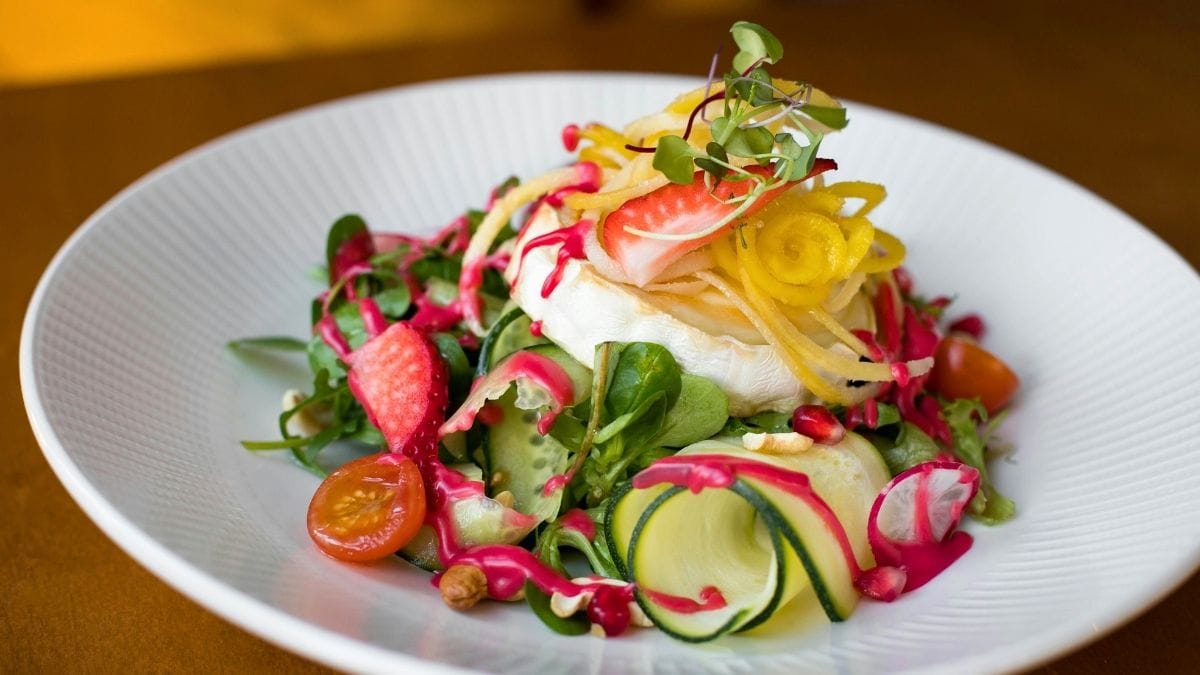
Most of us don’t think about aging until we feel tired more often, or we watch our parents slow down. We start to wonder how daily habits add up over decades. When researchers looked closely at long-living populations, they didn’t find a miracle food or secret supplement. They found a steady, quiet pattern of eating that fit into real life.
This matters because aging is not shaped by one big decision. It grows out of thousands of small ones. What we eat on busy weekdays. How we cook when no one is watching. What feels normal at the table.
Why this pattern matters
Across regions known for long life—places like parts of Japan, Italy, Greece, and Costa Rica—people eat in ways that protect energy, digestion, and metabolic health over time. Not by restriction. Not by counting. But by consistency.
Their food choices support the body instead of stressing it. Blood sugar stays steadier. Inflammation stays lower. Muscles and organs get what they need without excess.
This matters because many modern diets do the opposite. They spike energy and crash it. They rely on refined foods that look convenient but demand more work from the body. Over years, that cost shows up as fatigue, joint pain, or chronic illness.
What researchers kept seeing
The shared food pattern was simple. Most meals were built around plants. Vegetables, beans, whole grains, fruit, nuts. Animal foods showed up, but in smaller amounts. Meat was not the center of the plate. It was an accent.
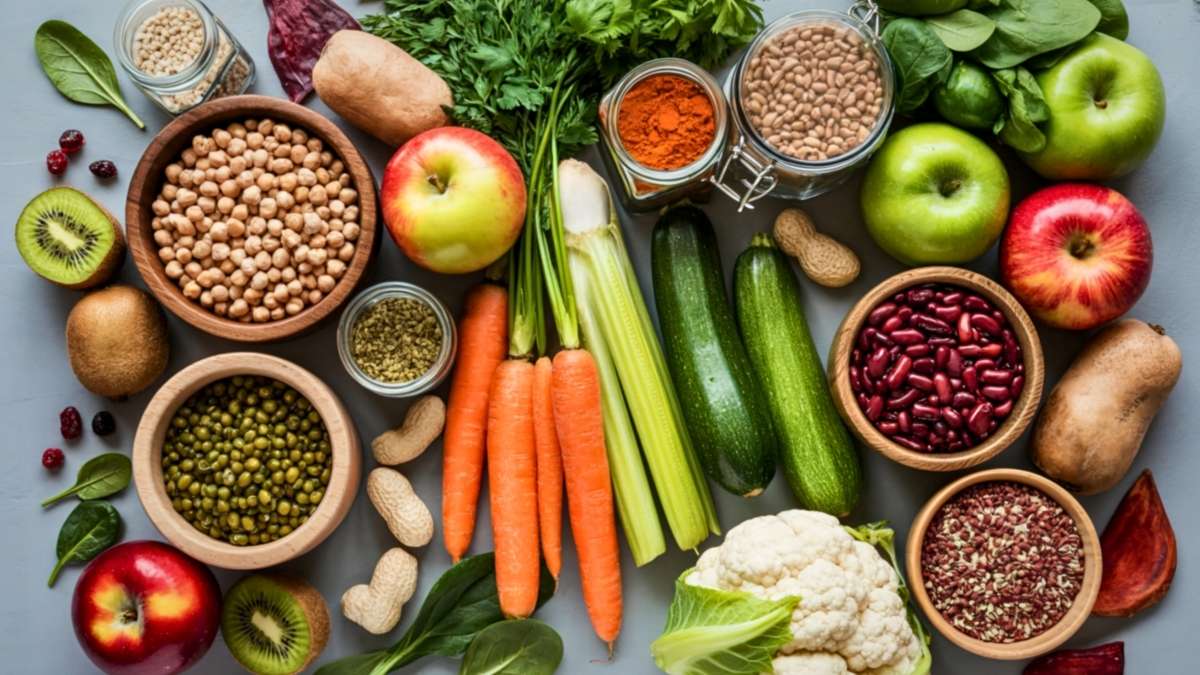
People cooked most of their food. They ate meals at home. Portions were moderate because meals were filling, not engineered to be addictive.
Importantly, this pattern was cultural, not clinical. No one called it a “diet.” It was just how food was eaten, passed down through families.
When researchers studied long-living populations, they also noticed something easy to miss: these eating habits reduced decision fatigue. People did not debate what to eat every day. Simplicity supported consistency.
Common mistakes we make instead
Many well-meaning people chase health through extremes. They swing from cutting everything out to adding superfoods in. This creates stress, not balance.
Another mistake is focusing only on nutrients instead of meals. Protein grams matter less than how food fits together. Fiber-rich foods slow digestion. Healthy fats support hormones. Simple cooking keeps nutrients intact.
And then there is speed. Eating fast, distracted, or late at night changes how the body handles food, no matter how “healthy” it looks on paper.
How to apply this without overhauling your life
You don’t need to copy another culture’s cuisine. You need the structure behind it.
Start by building meals around vegetables and beans most days. Add grains that are close to their natural form. Use meat more like a side than a base.
Cook simply. Oil, salt, herbs. Let food taste like food.
Eat at regular times. Sit down. Finish feeling satisfied, not stuffed.
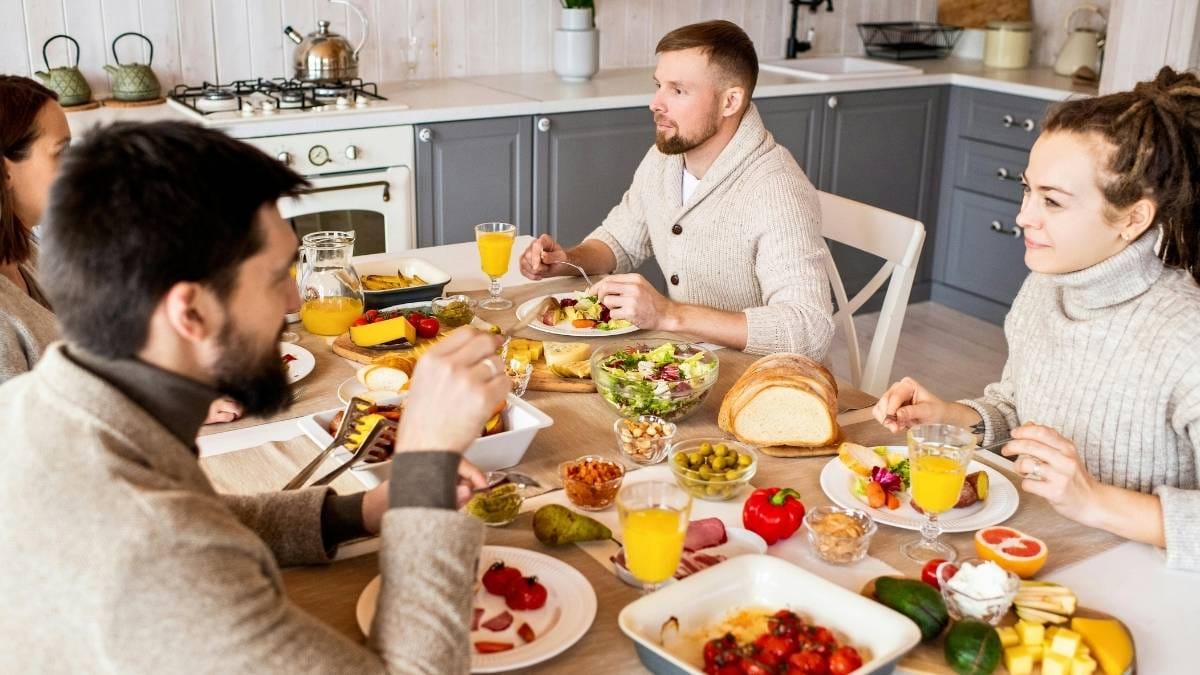
These choices don’t require willpower. They reduce friction. Over time, they become routine.
A quiet way forward
The lesson from long-living populations is not about perfection. It’s about alignment. Eating in a way the body recognizes. Repeating it for years.
Health built this way does not announce itself. It shows up slowly, as steady energy, easier movement, and fewer worries about what comes next. That kind of future is shaped at the table, one ordinary meal at a time.