

Aging rarely announces itself. It shows up quietly—when energy fades faster than it used to, when recovery takes longer, when you begin thinking about staying healthy not just for yourself, but for the people who depend on you.
In studying long lives across cultures, researchers keep returning to the same idea: how we eat most days matters more than any single “healthy” food.
Again and again, they point to Mediterranean-style eating as the pattern most consistently linked with longer, healthier lives.
This is not about chasing youth or following food trends. It is about building a way of eating that supports your body year after year, without constant effort or restriction.
Why scientists care more about patterns than nutrients
One of the quiet shifts in longevity research is this: scientists are less interested in individual nutrients and more focused on dietary patterns. Real people do not eat isolated grams of fat or fiber. They eat meals. They eat habits.
When researchers look at populations with lower rates of heart disease, diabetes, cognitive decline, and early mortality, they do not find a magic ingredient. They find consistent ways of eating that reduce chronic stress on the body.
A dietary pattern matters because it shapes inflammation, blood sugar stability, gut health, and metabolic resilience over decades. These are slow processes. They do not respond well to shortcuts.
The Mediterranean dietary pattern stands out because it supports all of these systems at once, without requiring extreme rules.
What this pattern actually looks like in daily life
Despite the name, this way of eating is less about geography and more about structure. It reflects how people traditionally ate in parts of Southern Europe before modern ultra-processed foods became dominant.
At its core, the pattern emphasizes:
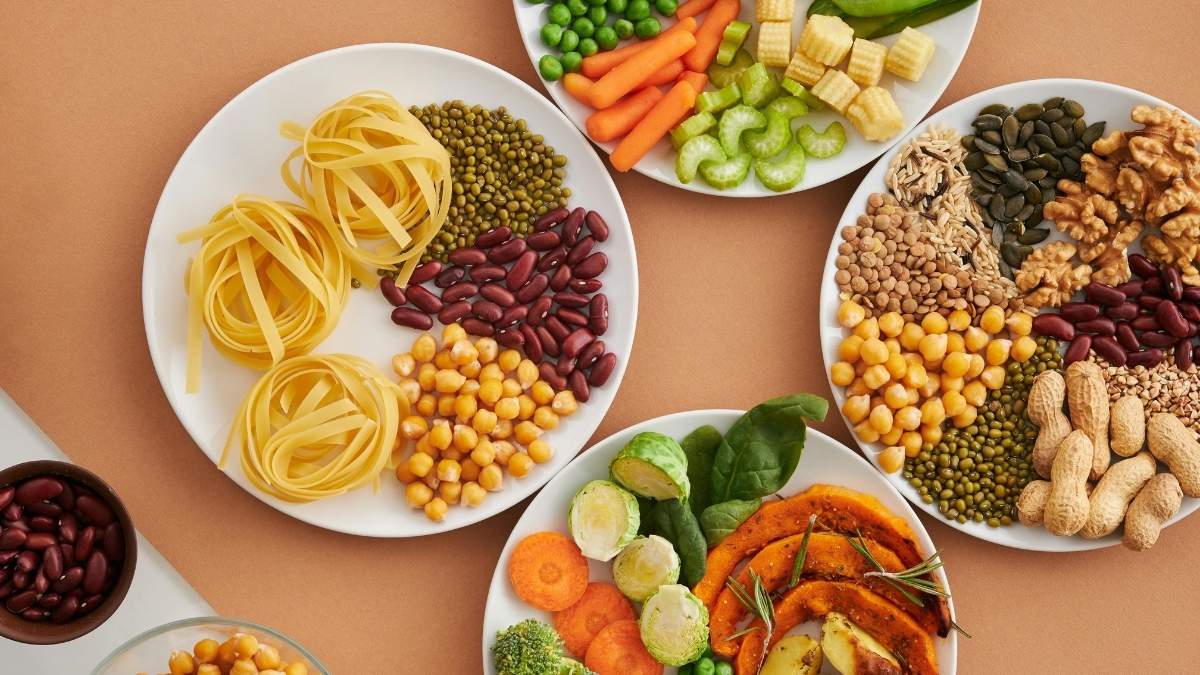
- Vegetables as a daily foundation, not a side item
- Fruits, beans, lentils, and whole grains as regular staples
- Olive oil as the primary fat, used generously but not excessively
- Fish and seafood several times a week
- Nuts and seeds in modest amounts
- Dairy, mostly yogurt or cheese, in small portions
- Red meat and sweets occasionally, not routinely
What matters is not perfection. What matters is frequency. Vegetables most days. Fish often. Processed foods rarely.
This pattern leaves room for culture, taste, and family meals. That flexibility is one reason it lasts.
Why this matters more as you get older
As we age, the body becomes less forgiving. Blood sugar spikes last longer. Inflammation resolves more slowly.
Muscle mass declines if protein intake and movement are inconsistent. The Mediterranean dietary pattern works because it quietly supports the systems that tend to weaken with time.
Fiber-rich foods feed beneficial gut bacteria, which play a role in immune function and inflammation control. Healthy fats from olive oil and fish support cardiovascular health and brain function. Steady energy from whole foods reduces metabolic strain.
Importantly, this way of eating does not demand constant willpower. That is critical for longevity. A diet you cannot sustain is not protective, no matter how scientifically impressive it looks on paper.
What longevity research keeps showing
Large population studies repeatedly associate Mediterranean-style eating with lower risk of heart disease, stroke, type 2 diabetes, and cognitive decline. These findings hold across different countries, income levels, and age groups.
Researchers studying regions of exceptional longevity, including areas often referred to as the Blue Zones, observe similar patterns: plant-forward meals, simple ingredients, modest portions, and shared eating.
The strength of this evidence is not that it promises extraordinary lifespan. It shows reduced risk of the diseases that shorten life and erode quality of living.
Longevity, in research terms, is less about living forever and more about staying functional longer.

Common misunderstandings that derail people
Many people try to follow this pattern but miss its essence.
One mistake is focusing on “Mediterranean foods” while ignoring the overall balance. Adding olive oil to a diet still dominated by refined carbs and packaged snacks changes very little.
Another is overemphasizing seafood while neglecting vegetables and legumes. Fish matters, but it works best within a plant-rich base.
A third misunderstanding is portion distortion. Traditional Mediterranean meals are satisfying, not excessive. Plates are fuller with vegetables, not with meat or bread.
Finally, some people treat this pattern as a short-term fix. Longevity benefits come from repetition, not intensity.
How this fits into modern, busy lives
You do not need long recipes or special ingredients. The pattern adapts well to ordinary routines.
A weekday lunch can be lentils with vegetables and olive oil. Dinner might be grilled fish with greens and potatoes. Breakfast could be yogurt with fruit and nuts. None of this requires culinary expertise.
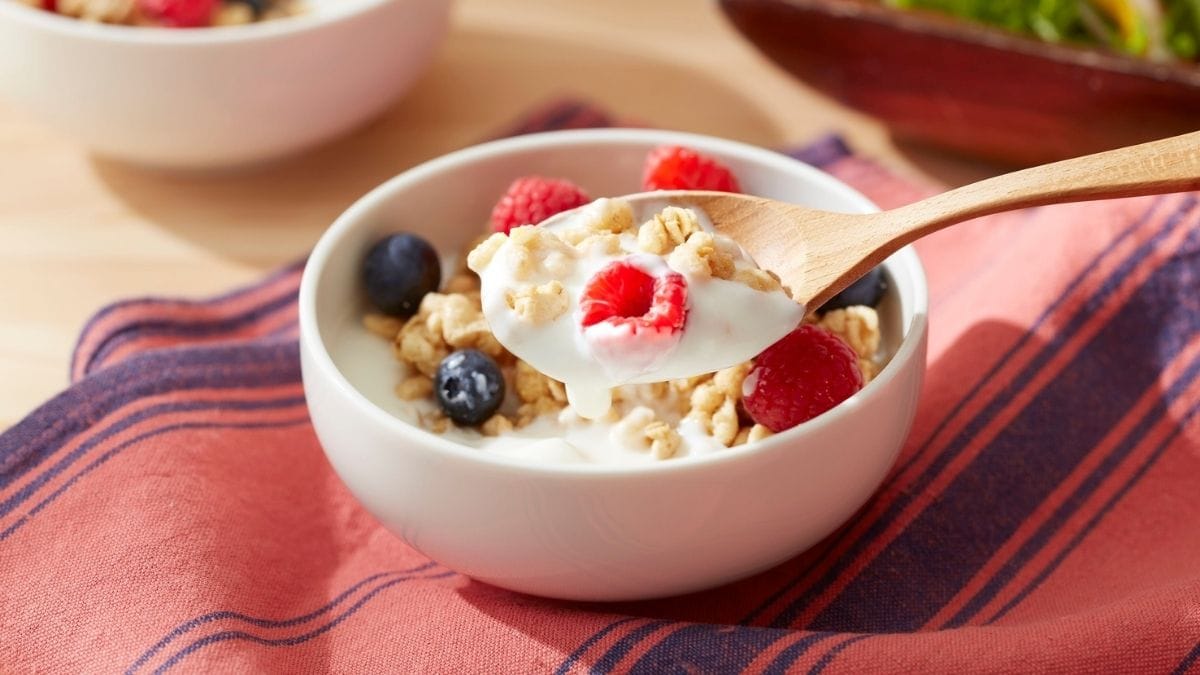
The key is default choices. When vegetables become the automatic base of meals, everything else falls into place more easily.
Eating this way also tends to regulate appetite naturally. Many people notice fewer energy crashes and less constant hunger, without tracking calories.
Practical ways to apply it without overhauling your life
Start by adjusting structure, not meals.
Make vegetables half your plate when possible. Cook them in olive oil so they feel satisfying, not obligatory.
Replace one or two weekly meat-heavy meals with beans, lentils, or fish. This single shift reduces inflammatory load without feeling restrictive.
Use olive oil as your main cooking fat and dressing base. This small change improves fat quality across the entire diet.
Choose whole grains you already enjoy. There is no requirement to eat unfamiliar foods.
Eat slowly when you can, ideally with others. The social aspect of meals is not a side detail. It is part of why this pattern supports long-term health.
Why supplements are not the point
Longevity scientists emphasize food patterns precisely because supplements cannot replicate them. Fiber, polyphenols, healthy fats, and micronutrients work together in complex ways. Isolating them breaks that synergy.
This pattern delivers nutritional density repeatedly, day after day, without the risks or costs of high-dose supplementation.
It is also more equitable. Anyone can move closer to this way of eating using basic foods.
The quiet strength of this approach
What makes Mediterranean-style eating powerful is not novelty. It is restraint. It does not promise transformation in weeks. It offers stability over years.
In a culture drawn to extremes, this can feel underwhelming. But biology favors consistency. Bodies age better when they are not constantly pushed, deprived, or shocked.
This pattern respects that reality.
A long view worth taking
Longevity is built from ordinary days stacked carefully over time. The meals you return to again and again quietly shape your future energy, independence, and resilience.
Mediterranean-style eating endures in science because it aligns with how human bodies function best over decades, not because it sells excitement.
If you think of food as something that should support your life rather than dominate it, this pattern offers a grounded, humane way forward—one that rewards patience and keeps health within reach for the long run.