
Most of us do not wake up thinking about lifespan. We think about getting through the day with enough energy, staying patient with family, and feeling steady in our own bodies as the years pass.
Yet, quietly, our daily food choices shape how we age. The idea of foods for a longer life is not about chasing youth. It is about protecting strength, clarity, and independence for as long as possible.
Longevity, in real life, is less dramatic than headlines suggest. It grows from ordinary meals, repeated over years. What we eat most often matters more than what we eat perfectly.
Why food matters more than we admit
Aging is not a single event. It is a slow accumulation of small stresses. Inflammation, unstable blood sugar, muscle loss, and poor gut health do not announce themselves early. They show up later, as fatigue, stiffness, and chronic disease.
Food cannot stop time. But it can reduce unnecessary strain on the body. Cultures with long lifespans tend to eat simply, regularly, and without extremes.
They rely on foods that support the heart, the brain, digestion, and metabolic health together, not in isolation.
Below are ten foods linked to longer, healthier lives. Not because they are trendy, but because they fit into daily routines and support the body in practical ways.
1. Beans and lentils
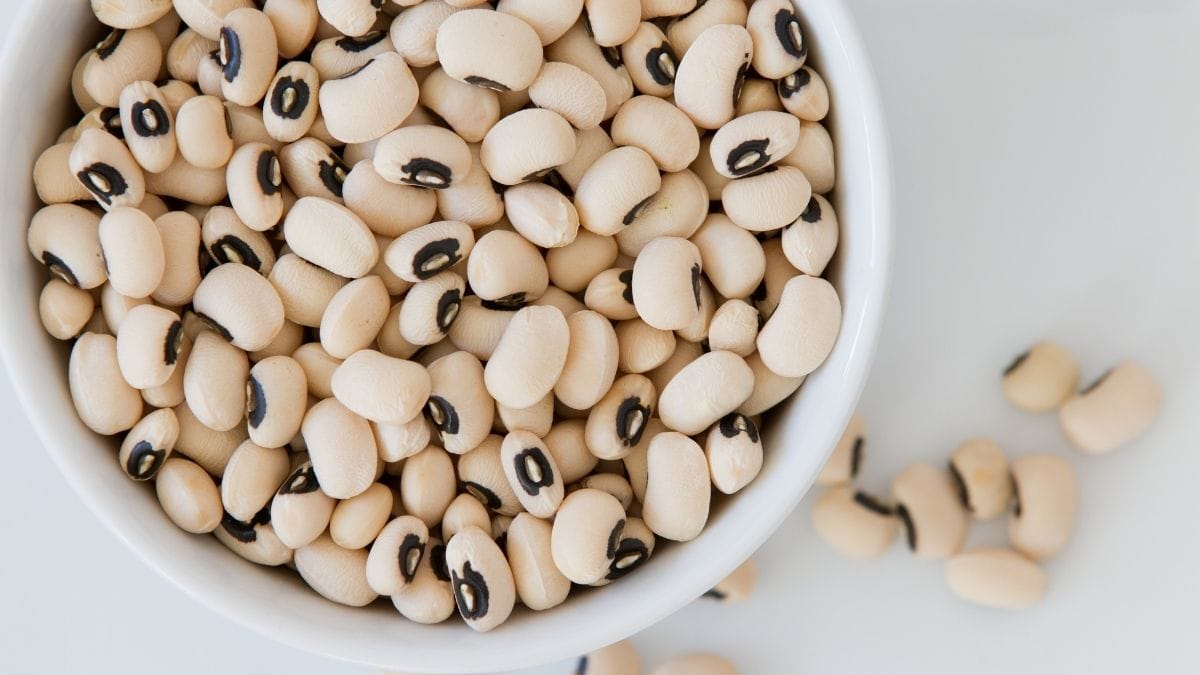
Beans are one of the most consistent foods in long-living populations. They are affordable, filling, and easy to store. Their fiber feeds gut bacteria, which helps control inflammation and supports immunity. They also steady blood sugar, reducing long-term stress on the pancreas.
A simple bowl of lentils or chickpeas a few times a week can replace more refined carbs without feeling restrictive.
2. Leafy greens
Spinach, mustard greens, arugula, and similar vegetables protect cells from oxidative stress. They supply folate, vitamin K, and magnesium, nutrients linked to brain and heart health as we age.
The mistake many people make is treating greens as decoration. A handful once a week is not enough. They work best when eaten often, even in small amounts, added to everyday meals.
3. Olive oil
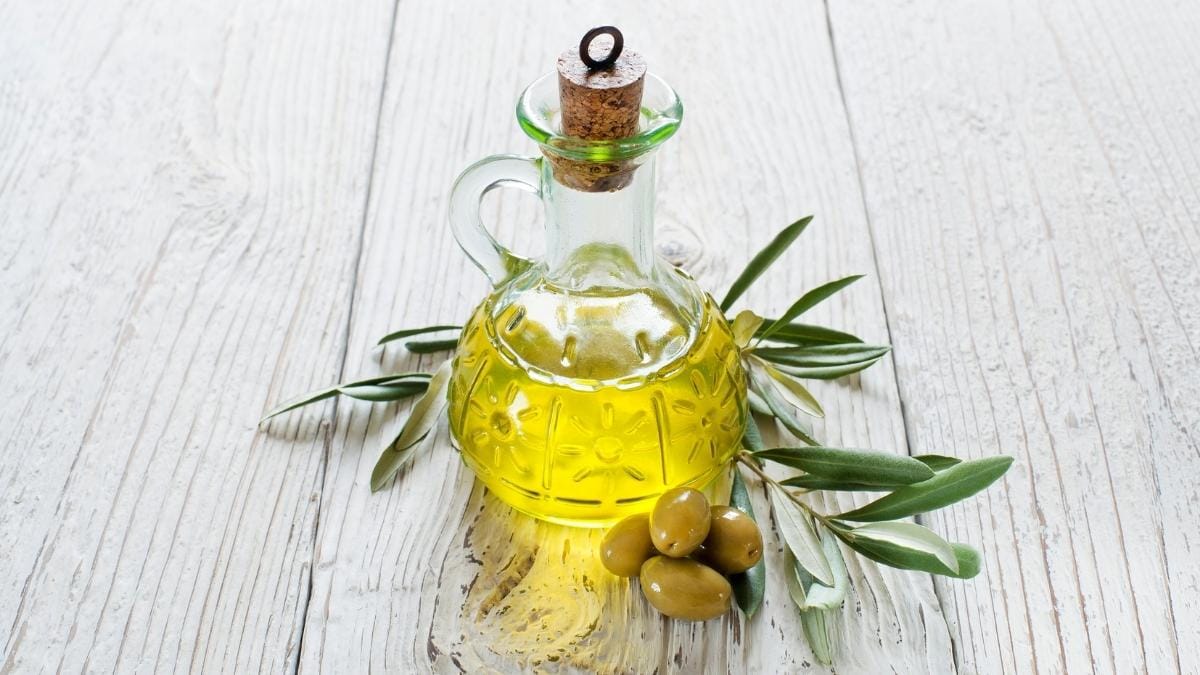
In traditional diets around the Mediterranean, olive oil is not a supplement. It is a cooking fat, a dressing, and a flavor base. Its compounds support blood vessels and reduce chronic inflammation.
The benefit comes from replacing other fats, not adding more calories. Drizzling olive oil on vegetables or using it instead of butter is where the real value lies.
4. Whole grains
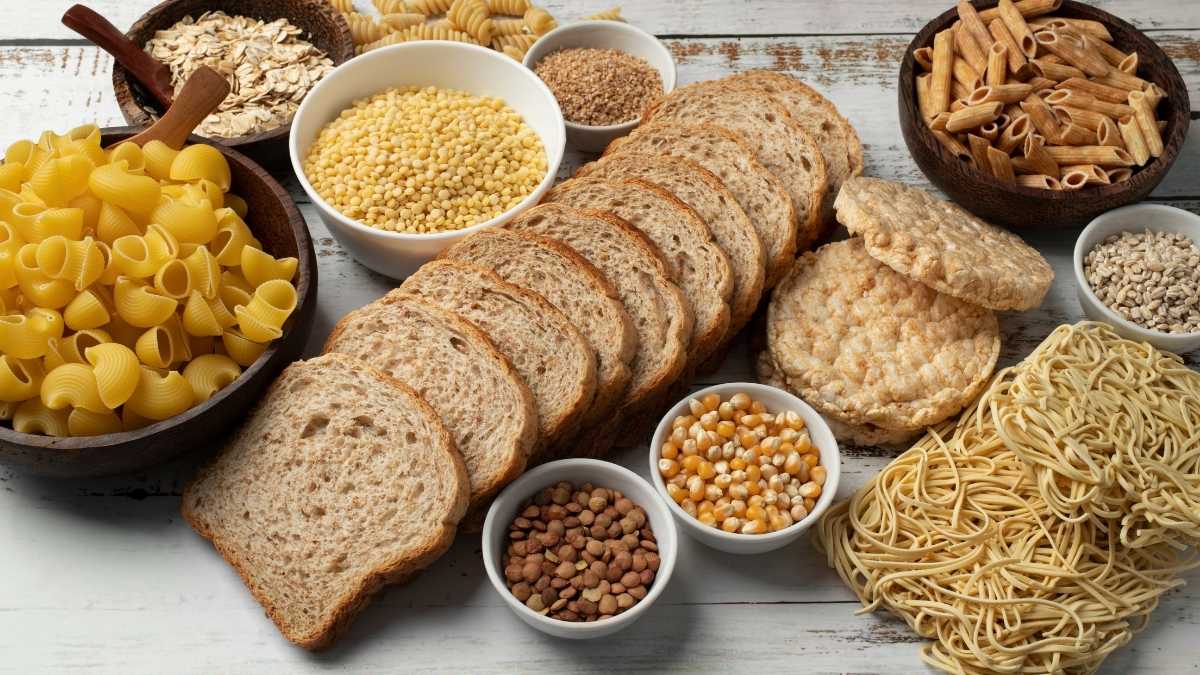
Oats, barley, brown rice, and whole wheat digest slowly. They reduce sharp blood sugar spikes that damage blood vessels over time. Whole grains also provide minerals that refined grains lose during processing.
Many people avoid grains out of fear, then replace them with ultra-processed foods. That swap works against long-term health. Moderation and quality matter more than elimination.
5. Nuts
A small handful of nuts most days is linked to better heart health and lower mortality risk. They provide healthy fats, protein, and minerals that support muscles and nerves.
The key is portion control. Nuts are dense. They work best as a replacement for sugary snacks, not as an extra on top of an already full diet.
6. Fatty fish
Fish like sardines, mackerel, and salmon support the brain and heart through omega-3 fats. These fats help manage inflammation and may slow age-related cognitive decline.
In many cultures, fish is eaten regularly but in modest portions. One or two servings a week is enough to make a difference without excess.
7. Yogurt or fermented dairy
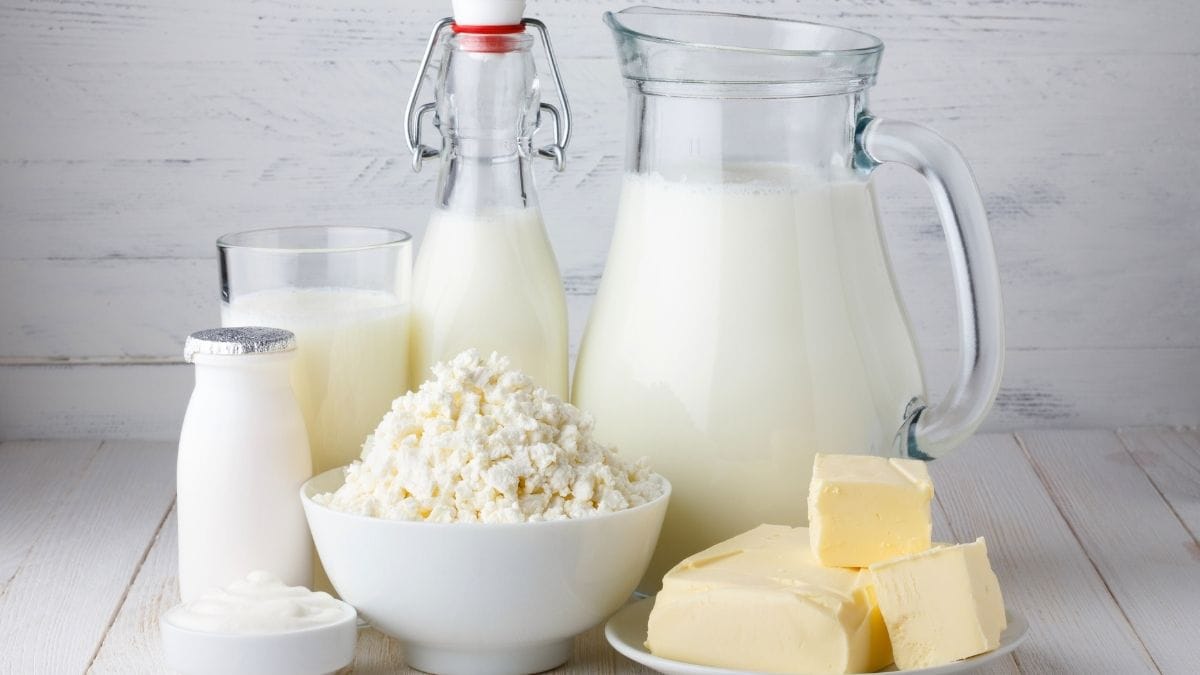
Fermented foods support gut health, which influences immunity, mood, and metabolism. Yogurt, especially plain and unsweetened, provides protein and beneficial bacteria without added sugar.
For those who tolerate dairy, a small daily serving can support digestion and muscle maintenance as we age.
8. Berries
Berries offer fiber and plant compounds that protect blood vessels and brain cells. They also satisfy sweetness without overwhelming the body with sugar.
They are most useful when they replace desserts or sugary snacks, not when they are added on top of them.
9. Tomatoes
Tomatoes provide lycopene, which supports heart health and may reduce certain cancer risks. Cooking tomatoes with a bit of fat improves absorption.
In many traditional diets, tomatoes appear daily, in sauces, soups, or stews, not as raw garnishes.
10. Sweet Potatoes
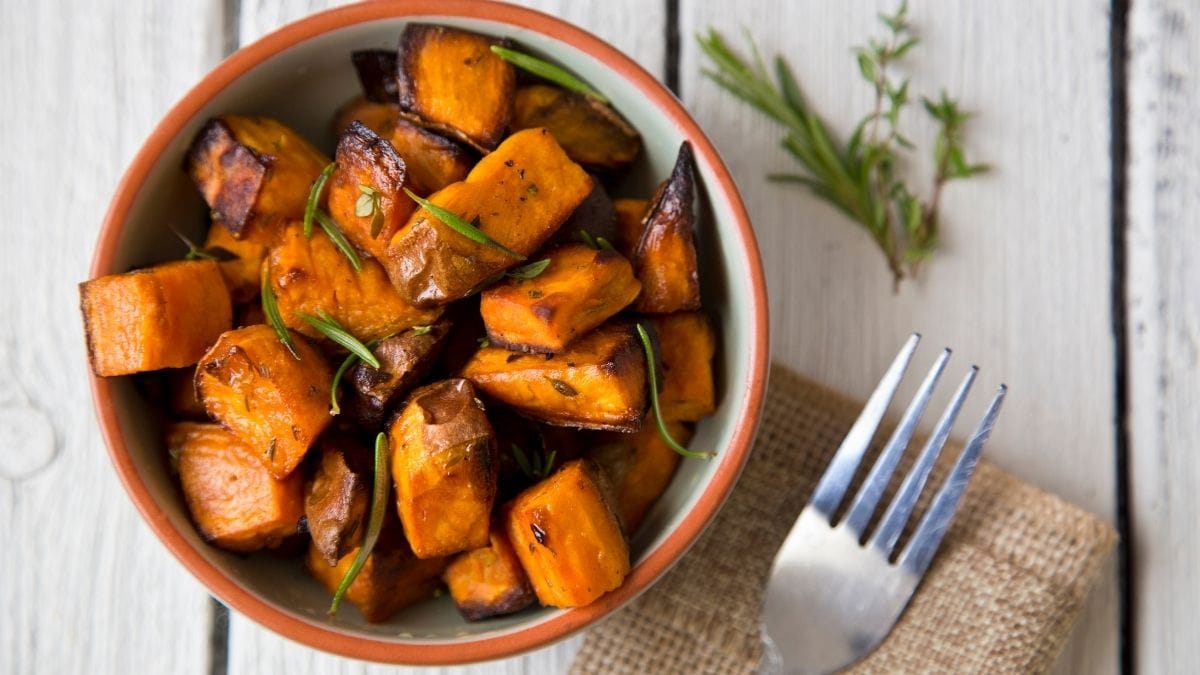
Sweet potatoes are a staple food for centenarians living in Blue Zones, especially those in Okinawa, Japan. Research suggests that purple sweet potatoes, rich in bioactive compounds, possess anti-aging potential and may support longevity.
Sweet potatoes are an excellent source of carbohydrates and fiber, providing a steady energy source after eating. Their antioxidants help fight inflammation.
Sweet potatoes can be enjoyed in a variety of ways, including baked or boiled.
How to think about eating for longevity
The most overlooked truth is that longevity eating is boring in the best way. It is not built on superfoods. It is built on repetition.
People shorten their healthspan not because they eat one “bad” food, but because they rely too often on convenience foods that offer calories without nourishment. Busy lives push us toward packaged solutions. Over time, the body pays the price.
Instead of overhauling your diet, look at what you already eat often. Ask whether those foods support or drain your future energy. Small swaps, repeated daily, matter more than occasional discipline.
Eating foods for a longer life is less about control and more about alignment. Aligning meals with how the body actually ages.
A quiet investment in the future
Long life is not measured only in years. It is measured in how well those years are lived. Food cannot guarantee outcomes, but it can tilt the odds toward strength, clarity, and resilience.
When meals are simple, familiar, and nourishing, they stop feeling like decisions and start feeling like habits. And habits, not intentions, are what carry us forward.