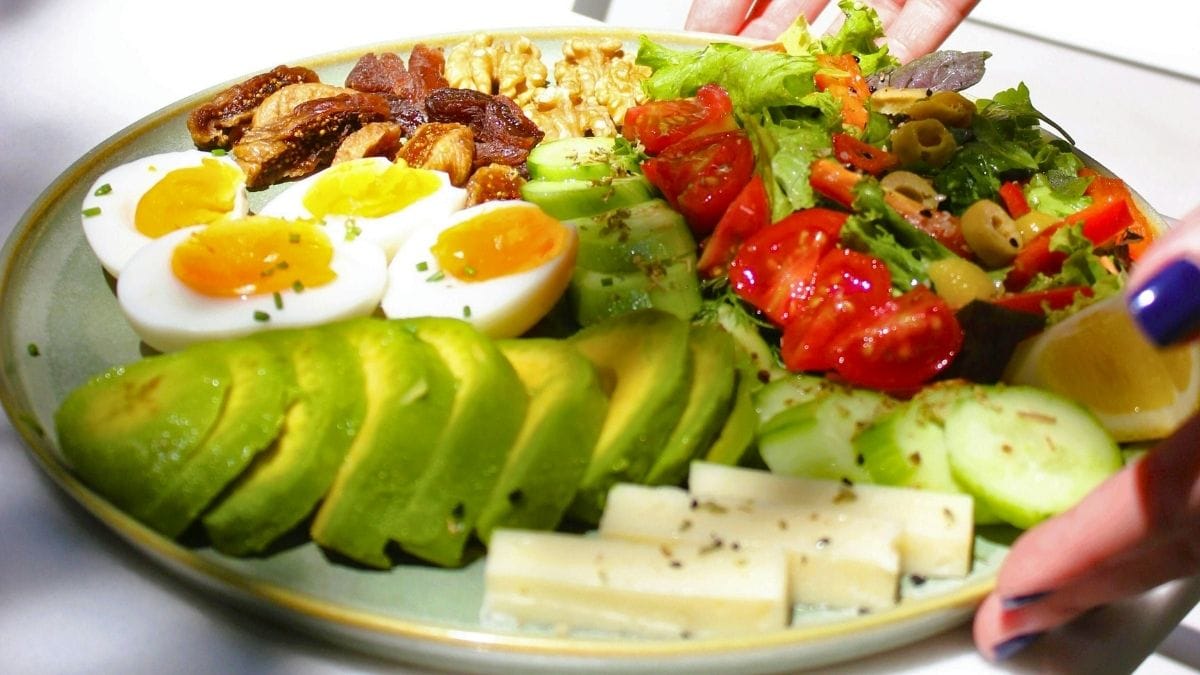
A 25-year study following over 25,000 women revealed something remarkable: those who closely followed the Mediterranean diet had up to 23% lower risk of death from any cause—and the secret ingredient wasn’t what most people think.
You’ve heard that Mediterranean diet longevity comes from olive oil or wine. But 2024 research found something better.
Your gut microbiome changes completely within months. These tiny bacteria create compounds that slow biological aging at the cellular level.
Here’s what you’ll learn: how your body transforms when you eat Mediterranean-style, which foods activate anti-aging pathways, and a practical 7-day plan to start today.
The Longevity Data You Need to Know (2024-2025 Studies)
Harvard tracked 25,315 women for 25 years. The results changed everything we know about longevity research. Women who stuck to the Mediterranean diet had 23% lower all-cause mortality compared to those who didn’t.
Here’s the part that matters: every small improvement counts. Each step you take following this diet cuts your death risk by 6%. You don’t need to be perfect.
The benefits are specific. Cancer deaths dropped 17%. Heart disease deaths fell 20%. A 2025 Nature Medicine study compared 8 different eating patterns for healthy aging. The Mediterranean diet won.
After 30 years of follow-up, researchers found the odds of aging well increased significantly. Italy now officially recommends this diet for older adults in their 2025 guidelines.
This isn’t a quick fix. The benefits build over years. But they’re real, measurable, and backed by decades of science.
It’s Not the Olive Oil—It’s Your Gut Microbiome
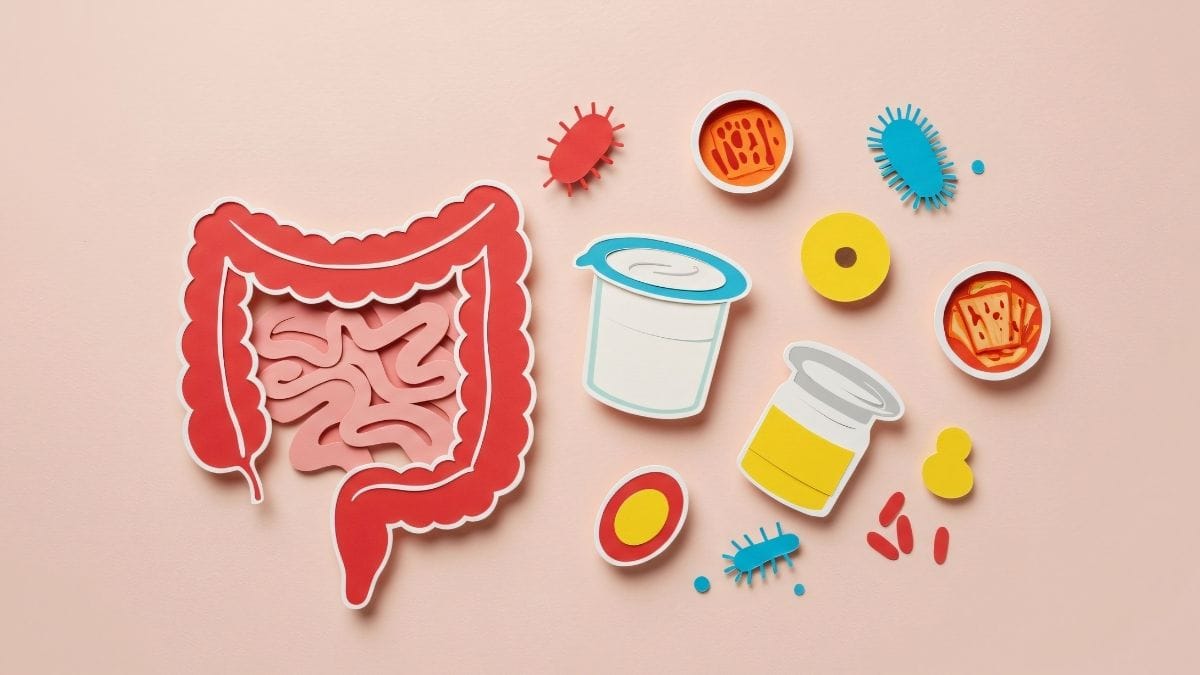
Everyone talks about olive oil. But the real secret is what happens inside your gut. The connection between gut microbiome and aging is more powerful than any single food.
Your gut contains trillions of bacteria. When you eat Mediterranean-style, these bacteria completely change within 12 months. This isn’t a small shift. It’s a total transformation.
The NU-AGE study proved this. Researchers followed 612 elderly people across 5 European countries. After one year on the Mediterranean diet, their gut bacteria looked different. The changes matched lower frailty and better brain function.
Here’s what grew: Akkermansia muciniphila and Faecalibacterium prausnitzii. These beneficial bacteria protect you from chronic inflammation.
They sit in key positions in your gut’s bacterial network, like central hubs that control everything else.
These bacteria make compounds called short-chain fatty acids. Think of them as anti-aging chemicals your gut produces for free. They reduce inflammation throughout your entire body. At the same time, harmful bile acids drop.
Scientists estimate that these gut microbiome changes explain up to 40% of the diet’s longevity benefits. That’s nearly half the reason the Mediterranean diet works.
Your gut bacteria are tiny factories. Feed them the right foods, and they produce compounds that slow down aging. It takes 12 months to see the full change, but improvements start within weeks.
The Anti-Aging Power of Polyphenols (Beyond Antioxidants)
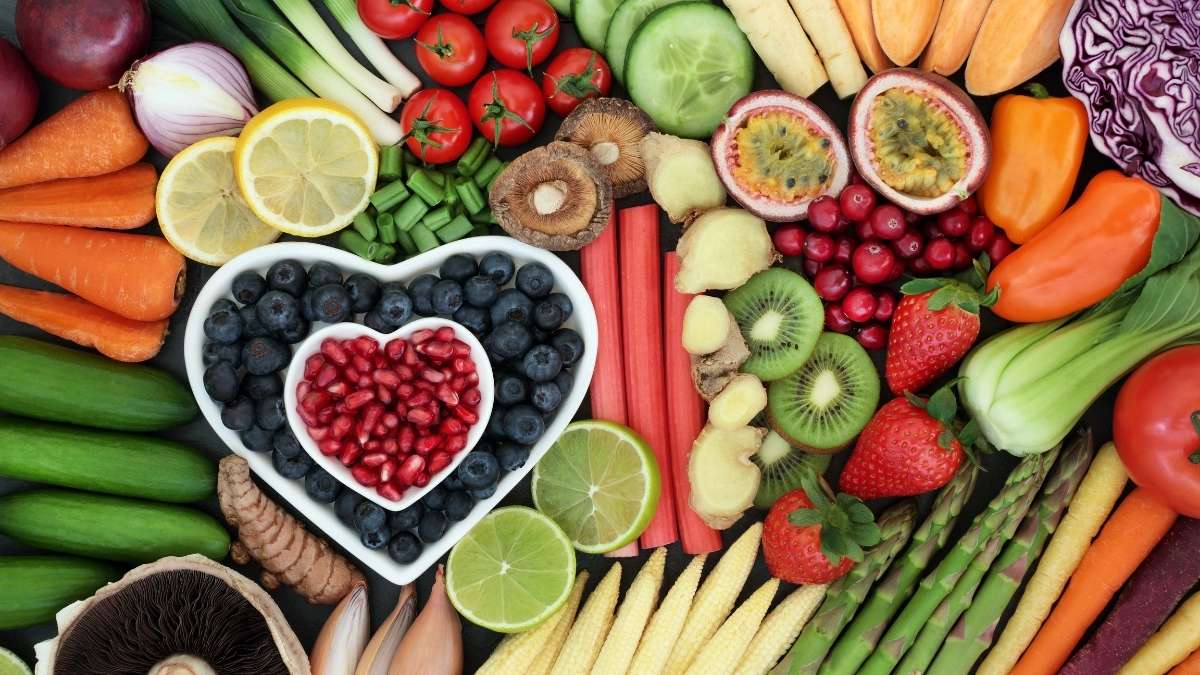
You’ve heard polyphenols are antioxidants. That’s true but incomplete. These plant compounds work like text messages to your cells, telling them to slow down aging.
A Green Mediterranean diet study measured something called DNA methylation. This shows your biological age, which can be different from your actual age.
After 18 months, people eating high-polyphenol foods had reduced their biological aging by 18 months. They literally got younger.
Higher polyphenol consumption cuts your risk of dying by about 7%. The link between polyphenols longevity is clear in the data.
Here are the key players: Hydroxytyrosol comes from olive oil. Resveratrol is in red grapes and wine. Catechins are found in green tea. Each one triggers different anti-aging pathways in your body.
These compounds activate proteins called sirtuins and AMPK. They also reduce cellular senescence, which is when old damaged cells stick around and cause problems. Think of polyphenols as cleanup crews for your cells.
Polyphenols affect over 8,000 different compounds in your body. They also feed your gut bacteria, creating a two-way benefit. The bacteria break down polyphenols into even more helpful compounds.
No single superfood does this alone. The Mediterranean diet delivers these compounds in combinations that work together. Your body needs the whole pattern, not just one ingredient.
That’s why supplements don’t work the same way. Food delivers polyphenols with fiber, fats, and other nutrients that help your body use them.
How Inflammation Drives Aging (and How Diet Stops It)

Chronic inflammation is aging you from the inside. Scientists call it “inflammaging.” Every major age-related disease shares this common thread: heart disease, dementia, cancer, diabetes.
Your body has low-level inflammation burning constantly. It’s like a fire that never goes out. Over years, this damages your cells, organs, and DNA.
The Mediterranean diet works as an anti-inflammatory diet. Studies measured specific inflammatory markers in blood tests. The diet dropped levels of IL-6, CRP, IL-17, and TNF-alpha. These are chemicals that signal inflammation in your body.
Researchers found that reducing these biomarkers of metabolism and inflammation made the biggest contribution to longevity benefits. Even more than cholesterol or blood sugar improvements.
The diet works through multiple paths. It reduces endotoxemia, which is when harmful bacteria compounds leak into your bloodstream. It balances your immune response so it stops attacking your own body.
Here’s the good news: you see results fast. Within 12 weeks of eating Mediterranean-style, your blood tests will show lower inflammation. Your doctor can measure C-reactive protein and Interleukin-6 levels dropping.
This isn’t about managing symptoms. You’re stopping the root cause of aging at the cellular level. The chronic inflammation that damages you every day starts to cool down.
The Actual Mediterranean Diet (Not What Restaurants Serve)
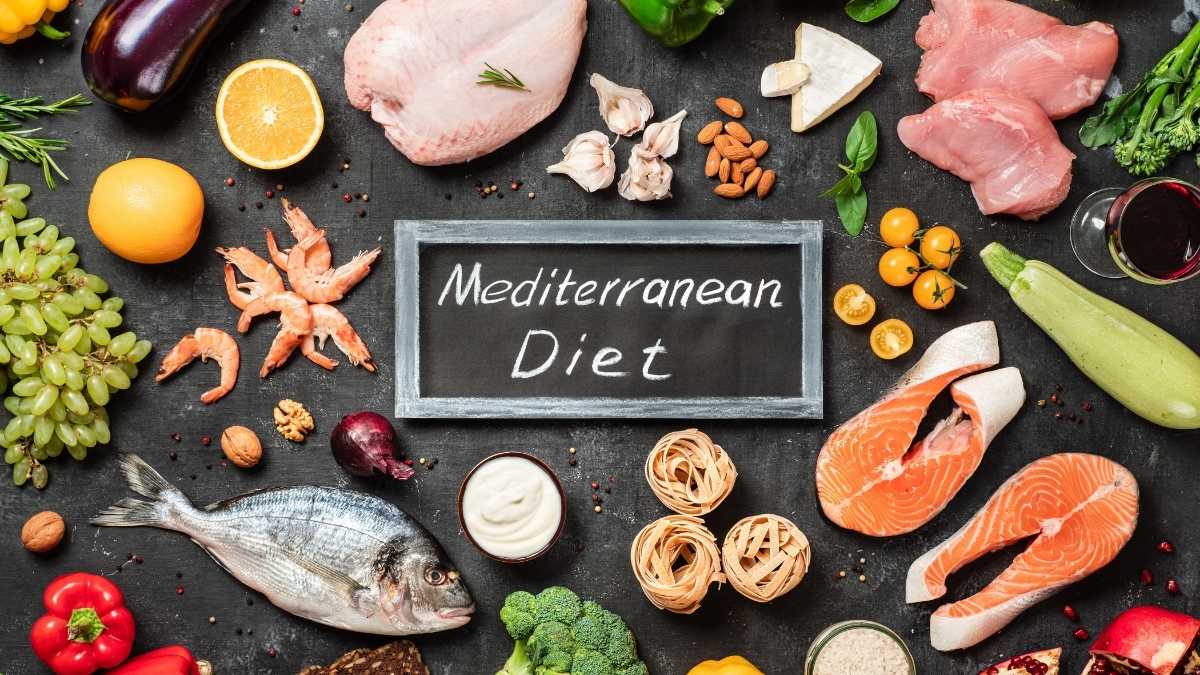
Forget what restaurants call Mediterranean. The real Mediterranean dietary pattern is simpler and more plant-focused than you think.
This isn’t a rigid set of rules. It’s a flexible pattern you can adapt to your life. That’s why people stick with it for decades.
Here’s what you eat most: vegetables at every meal, legumes like beans and lentils, fresh fruits, nuts, whole grains, and extra virgin olive oil. Fish goes on your plate 2-3 times each week.
Moderate amounts include poultry, eggs, cheese, yogurt, and wine if you drink. These show up a few times weekly, not daily.
Eat rarely: red meat, processed foods, and sweets. You don’t ban them. You just don’t make them your regular foods.
The specifics matter. Use 3-4 tablespoons of extra virgin olive oil daily as your main fat. Eat legumes at least 3 times per week. Snack on 1 ounce of nuts every day. Choose whole grains over white bread and pasta.
Season with herbs and spices instead of salt. Think basil, oregano, garlic, and lemon.
Base every single meal on plant-based foods. Vegetables should fill half your plate. The rest is whole grains, legumes, or fish.
Fresh and minimally processed beats packaged every time. Shop the produce section first.
Your 7-Day Mediterranean Starter Plan
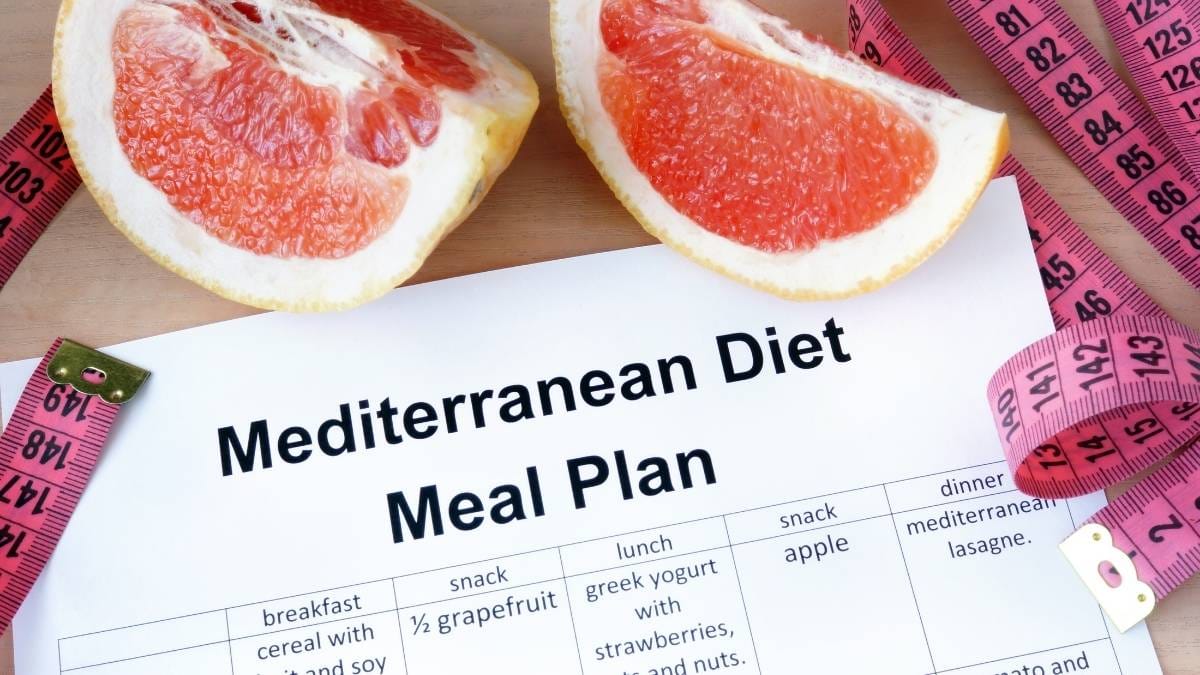
Here’s your Mediterranean meal plan for the first week. No guesswork, no overwhelm.
Monday: Greek yogurt (1 cup) with blueberries and walnuts for breakfast. Chickpea salad with tomatoes, cucumber, and olive oil for lunch. Grilled salmon with roasted vegetables and quinoa for dinner. Snack on almonds (1 ounce).
Tuesday: Oatmeal with sliced almonds and banana. Lentil soup with whole grain bread. Grilled chicken with sautéed greens and brown rice. Apple with almond butter as snack.
Wednesday: Whole grain toast with mashed avocado and tomato. White bean and spinach salad. Baked cod with roasted peppers and whole wheat couscous. Carrot sticks with hummus.
Thursday: Smoothie with spinach, berries, Greek yogurt, walnuts. Falafel wrap with tahini and vegetables. Turkey meatballs with marinara and zucchini noodles. Handful of pistachios.
Friday: Veggie omelet with feta cheese. Tuna salad with mixed greens and olive oil. Shrimp with garlic, white beans, and broccoli. Orange slices.
Saturday: Greek yogurt parfait with granola and strawberries. Minestrone soup. Grilled chicken with roasted eggplant and bulgur. Dates with almonds.
Sunday: Whole grain pancakes with berries. Caprese salad with whole grain crackers. Baked fish with tomatoes, olives, and green beans. Dark chocolate (1 square) and walnuts.
Shopping list essentials: Extra virgin olive oil, canned tuna and salmon, dried lentils and chickpeas, mixed nuts, fresh spinach, tomatoes, cucumbers, berries, whole grain bread, quinoa, Greek yogurt.
Sunday prep: Cook a big batch of lentils and chickpeas. Wash and chop vegetables. Portion nuts into small containers.
Drink water throughout the day. Coffee and green tea are great. Wine is optional (1 glass with dinner if you choose).
This sustainable diet becomes easier each day. By week two, these healthy eating habits feel natural.
Foods That Boost Your Longevity Microbiome
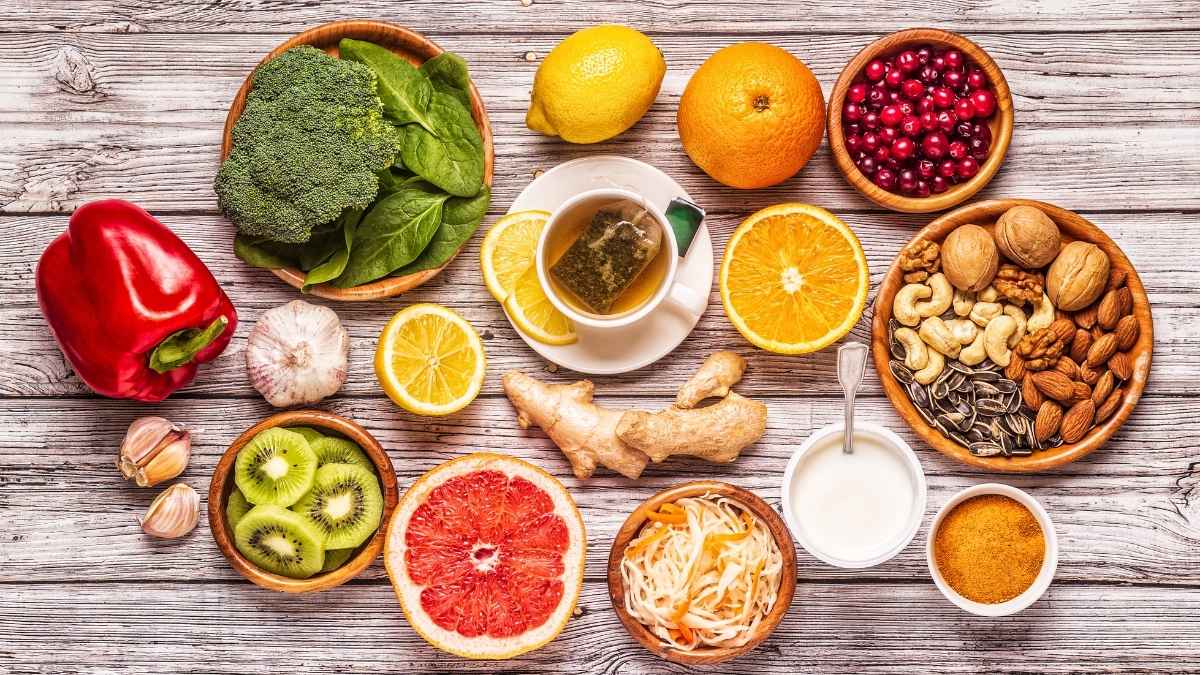
Certain gut health foods are microbiome superstars. These showed up repeatedly in longevity studies.
Fiber-rich prebiotic foods feed your beneficial bacteria. Think of fiber as food for the good bugs in your gut. Top choices: leafy greens like spinach and kale, all types of legumes, berries, and walnuts.
Fermented foods deliver live probiotics. Greek yogurt, kefir, and olives add helpful bacteria directly to your system. They work alongside the bacteria already living there.
Polyphenol-rich foods create synergy with your microbiome. Extra virgin olive oil and green tea top the list. Studies show 3 cups of green tea daily enhance the Mediterranean diet’s effects.
Here’s your goal: eat 30 different plant foods each week. This builds microbiome diversity, which protects against disease. Count everything: herbs, spices, nuts, vegetables, fruits, whole grains, and legumes.
Foods that harm your gut bacteria: processed meats, refined sugars, and artificial sweeteners. These feed harmful bacteria and reduce the good ones.
Combine these foods at each meal. Spinach salad with walnuts, berries, and olive oil dressing feeds multiple types of beneficial bacteria at once.
Your microbiome thrives on variety, not perfection.
Conclusion
The Mediterranean diet adds years to your life through three pathways: reshaping your gut microbiome, reducing chronic inflammation, and activating anti-aging compounds called polyphenols. Recent 2024-2025 studies prove what long-lived populations already knew.
Start with one change this week. Switch to extra virgin olive oil for cooking. Add beans to your lunch. Snack on walnuts instead of chips.
The Mediterranean diet longevity benefits come from consistency, not perfection. Focus on the overall pattern. Your future self will thank you.