
After tracking 119,315 healthcare professionals for 36 years, Harvard researchers discovered something remarkable.
People who followed certain eating patterns were up to 20% less likely to die early from any cause. That’s real data from real people, not a quick fix that falls apart in six months.
You’re tired of diet trends that promise everything but prove nothing. You want to know what actually works. This Harvard study gives you evidence-based nutrition you can trust.
Here’s what you’ll learn. The 4 specific eating patterns that cut mortality risk by 14-20%. Which diseases these diets protect you from, backed by exact numbers.
And practical steps to start today, no matter what foods you grew up eating. Best part? You don’t need to be perfect to see results.
The Harvard Study That Changed Our Understanding of Longevity

This isn’t some small test done in a lab. Harvard researchers tracked 119,315 healthcare professionals for 36 years, from 1984 to 2020.
That’s 75,230 women and 44,085 men who answered detailed questions about what they ate every four years.
Dr. Frank Hu led the research. He chairs the Nutrition Department at Harvard T.H. Chan School of Public Health. His team analyzed 3,559,056 person-years of data and tracked 54,163 deaths to find patterns.
The results appeared in JAMA Internal Medicine in January 2023. This is one of the top medical journals in the world.
The Dietary Guidelines for Americans 2025-2030 committee now uses this data to make national food recommendations. That’s how solid this Harvard research longevity study is.
The 4 Eating Patterns That Slash Mortality Risk (With Exact Numbers)

You want to know which diet actually works. Here are the four patterns that proved themselves over 36 years, with the exact numbers.
Alternate Healthy Eating Index (AHEI): 20% lower death risk. People who stuck to this pattern had the best results. That’s a 20% reduction in dying early from any cause.
Healthy Eating Index 2015 (HEI-2015): 19% lower death risk. This follows official dietary guidelines. People in the highest adherence group cut their mortality risk by 19% compared to those who ate poorly.
Alternate Mediterranean Diet (AMED): 18% lower death risk. The Mediterranean diet benefits are real and proven. An 18% reduction in early death is significant.
Healthful Plant-based Diet Index (HPDI): 14% lower death risk. Even the lowest performer still gave people a 14% better chance at living longer. Plant-based eating longevity isn’t hype.
Here’s what matters most. You don’t need to follow these perfectly. People who maintained high diet scores for just 12 years saw 9-14% mortality reduction. That’s still huge.
Pick one pattern and stick with it. The best diet is the one you’ll actually follow. All four work. All four save lives. Choose what fits your life and food preferences.
What These Life-Extending Diets Have in Common
You don’t need to memorize four different diets. They all follow the same basic rules. Master these and you’re set.
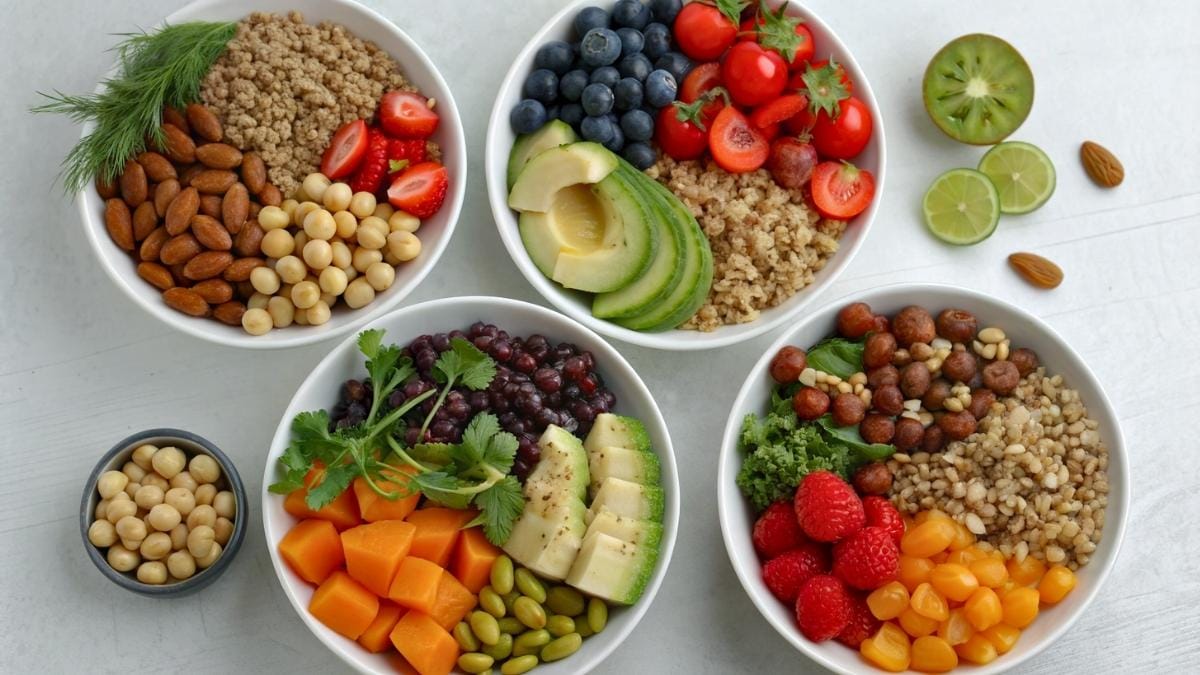
Eat more plants. All four patterns load up on whole grains, fruits, vegetables, nuts, and legumes.
Think brown rice, quinoa, oats, and whole wheat bread. Add beans, lentils, and chickpeas to your meals. Grab a handful of almonds, walnuts, or pistachios every day.
Cut back on meat. Limit red meat and ditch processed meats like bacon, sausage, and deli meat. They increase your death risk. You don’t have to go vegetarian, but meat shouldn’t be the star of every meal.
Dump the junk. Reduce added sugars and refined grains. White bread, sugary drinks, and candy don’t fit this anti-inflammatory diet. Your body doesn’t need them.
Add healthy fats. Cook with olive oil instead of butter. Eat fatty fish like salmon, mackerel, or sardines twice a week. These fats actually protect your heart.
Here’s what matters. None of these diets obsess over single foods. They focus on whole food nutrition patterns. You don’t need perfect meals. You need consistent, nutrient-dense eating habits that you can maintain for years.
Disease-Specific Protection: The Breakdown

These eating patterns don’t just add years to your life. They protect you from specific diseases that kill millions of people every year.
Respiratory disease: 35-46% lower death risk. This is the biggest win. If you have asthma, COPD, or lung problems, this disease prevention diet cuts your death risk nearly in half.
Cancer: 7-18% lower death risk. Cancer risk reduction varies by how closely you follow the eating pattern. The tighter you stick to it, the better your protection.
Heart disease: 6-15% lower death risk. Heart disease prevention starts with what you eat. Even a 6% reduction matters when heart disease is the leading killer in America.
Brain diseases: Modest protection. The Mediterranean and Alternate Healthy Eating patterns showed some protection against Alzheimer’s and Parkinson’s. The results weren’t as strong as other diseases, but every bit helps.
Here’s the best part. These benefits work for everyone. The study found consistent results across Hispanic, non-Hispanic Black, and non-Hispanic White participants. Your ethnic background doesn’t matter. Your genes don’t determine your fate.
What you eat does. And that’s something you can control starting with your next meal.
The Mediterranean Diet: Your Practical Starting Point
U.S. News & World Report rated this the #1 diet in 2025. And it’s the easiest one to start today.
The basics are simple. Load your plate with vegetables, fruits, whole grains, and fish. Cook with olive oil instead of butter.
The olive oil benefits are backed by decades of research on heart-healthy fats. You can have a glass of red wine with dinner if you want, but it’s optional.
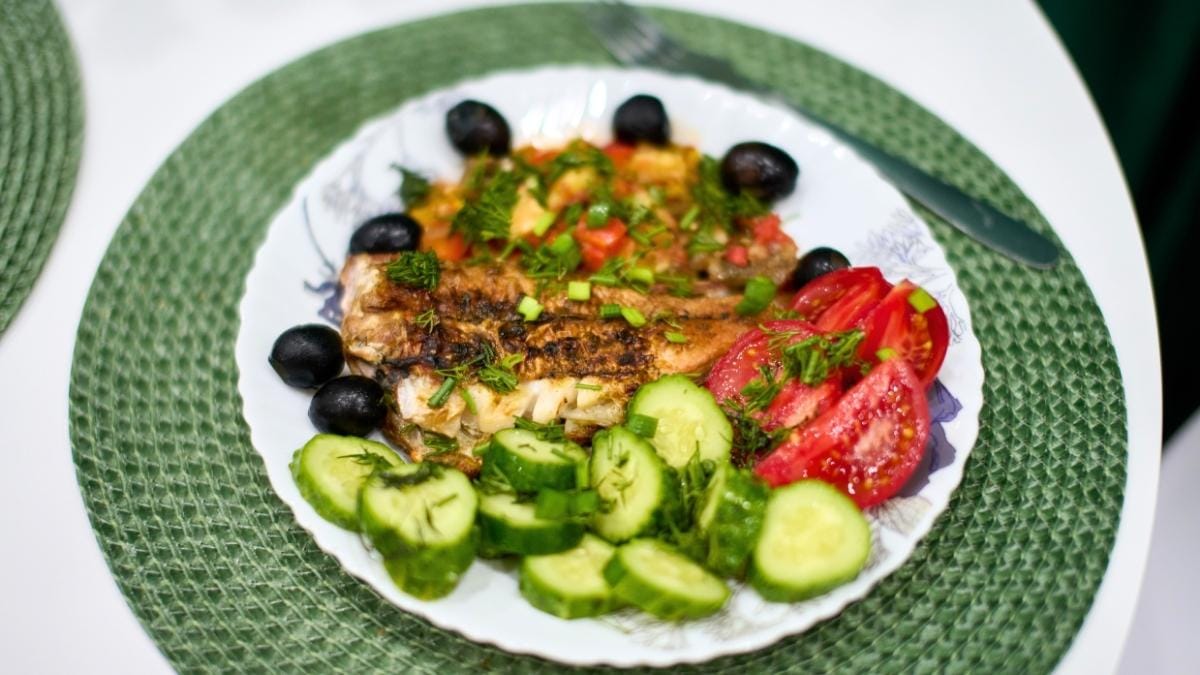
Here’s what a day looks like. Breakfast: Greek yogurt topped with berries, nuts, and a drizzle of honey. Lunch: Mediterranean grain bowl with chickpeas, cucumber, tomatoes, feta cheese, and olive oil dressing.
Dinner: Grilled salmon with roasted vegetables and quinoa. Snacks: Hummus with cut vegetables or a handful of almonds.
This diet fits your life. It doesn’t ban foods or make you count calories. You eat real food that tastes good. Family dinners are encouraged. Social meals matter. That’s why people actually stick with this Mediterranean diet meal plan.
Need help getting started? Check out MyPlate Kitchen for free recipe ideas. The Mayo Clinic Diet also offers a complete Mediterranean meal plan if you want more structure.
The Mediterranean diet works because it doesn’t feel like a diet. You’re eating food people have enjoyed for thousands of years. No weird shakes. No expensive supplements. Just real food that helps you live longer.
The DASH Diet: Proven Blood Pressure Control
If you have high blood pressure, this is your diet. DASH stands for Dietary Approaches to Stop Hypertension. It was designed specifically to lower blood pressure without medication.
The results are proven. Wake Forest research in 2019 showed the DASH diet cut heart failure risk by 50%. That’s huge. Dr. Frank Hu calls it the best option for heart health.
Here’s how it works. The DASH diet 2025 guidelines focus on blood pressure reduction by cutting sodium and boosting potassium, calcium, and magnesium. Keep sodium under 2,300mg daily. For even better results, aim for 1,500mg.
Your daily targets: Eat 4-5 servings of vegetables and 4-5 servings of fruits. Add 6-8 servings of whole grains. Include 2-3 servings of low-fat dairy. Choose lean proteins like chicken, fish, and beans.
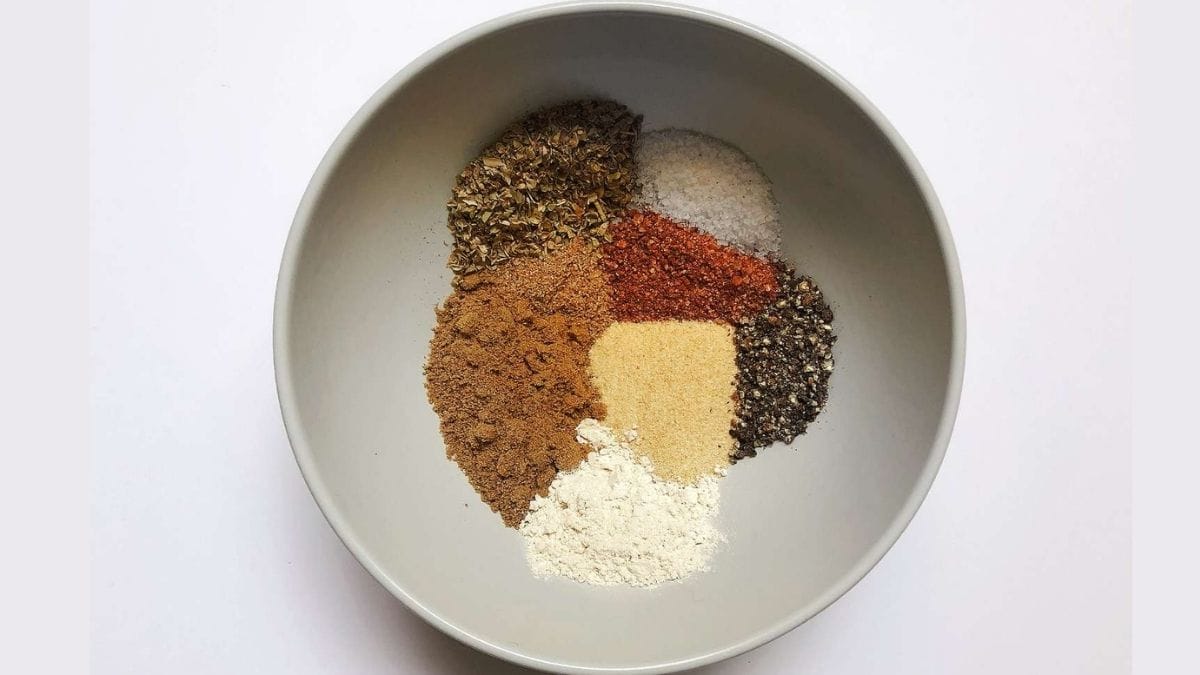
The biggest sodium reduction tip? Ditch the salt shaker. Use herbs and spices instead. Garlic powder, cumin, basil, and black pepper add flavor without raising your blood pressure.
One warning. Low-fat dairy isn’t for everyone. If you’re lactose intolerant or prefer full-fat options, adjust accordingly.
The key is the overall pattern, not perfection on every detail. Focus on eating more fruits, vegetables, and whole grains while cutting back on salt.
Getting Started: Your 7-Day Action Plan
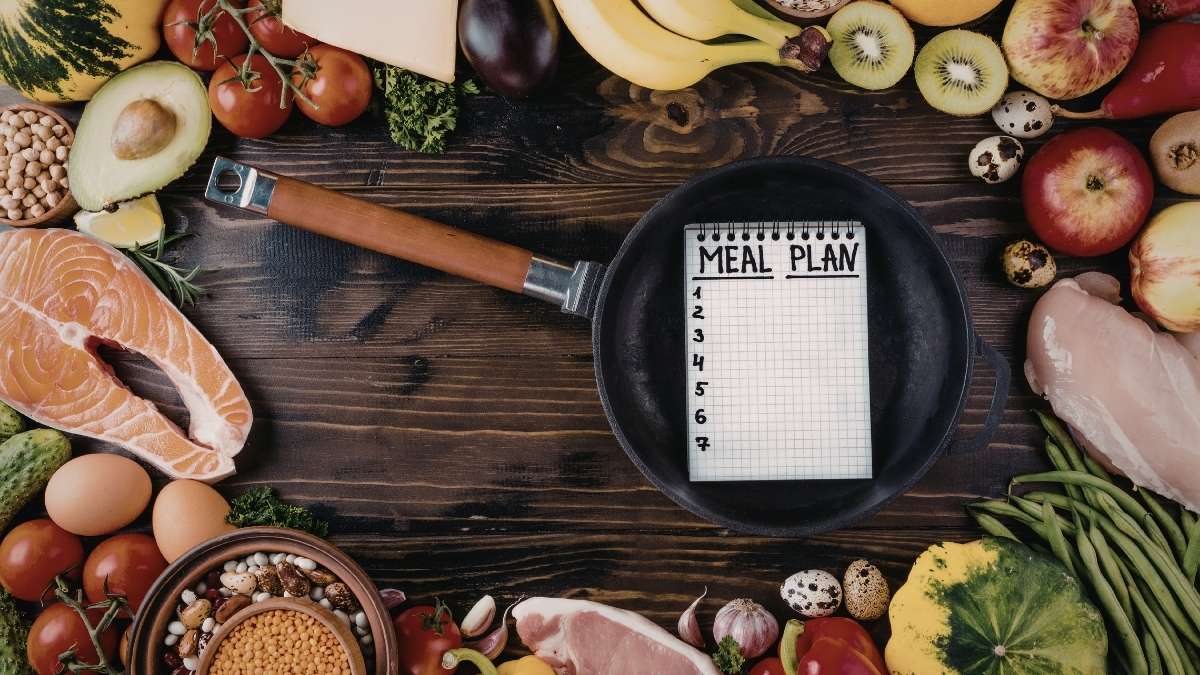
You don’t need to change everything at once. This meal planning for beginners approach breaks it down into simple daily steps.
Day 1-2: Look at what you’re eating now. Write down your meals for two days. Pick one meal to improve. Most people start with breakfast or dinner because those are easier to control than lunch at work.
Day 3-4: Plan three dinners. Choose Mediterranean or DASH recipes. Try theme nights like Meatless Monday or Fish Friday.
This makes planning easier because you’re not starting from scratch every week. Download a free meal planning template from MyPlate.gov or use the MealLime app.
Day 5: Make your grocery list. Organize it by store sections: produce, proteins, grains, dairy.
This saves time and prevents you from wandering aisles and buying junk you don’t need. Check Nutrition.gov for their meal planning tools and MyPlate grocery game plan.
Day 6: Shop the perimeter first. That’s where whole foods live. Vegetables, fruits, fish, chicken, dairy.
Hit the center aisles only for specific items like brown rice, quinoa, and canned beans. This is healthy grocery shopping 2025 strategy that actually works.
Day 7: Prep for the week. Batch cook grains like quinoa and brown rice. Chop vegetables. These batch cooking tips save you 30 minutes every weeknight. Keep a “use me first” bin in your fridge for produce that needs eating soon.
Start small. Build habits. You’ll be eating better within a week.
Shopping Smart: Building Your Longevity Pantry

Healthy grocery shopping starts before you leave home. Make a list and stick to it. You’ll avoid impulse buys that drain your wallet and wreck your diet.
Stock these pantry staples. Quinoa, brown rice, canned beans, nuts, and olive oil. These last for months and form the base of quick, healthy meals. Dried beans are cheaper than canned if you have time to cook them.
Your produce section strategy. Buy seasonal produce using the USDA seasonal guide. It’s fresher and costs less.
Grab leafy greens, berries, citrus fruits, and cruciferous vegetables like broccoli and cauliflower. Hit farmers markets near closing time for deep discounts on food that’s still perfectly good.
Don’t skip the freezer aisle. Frozen vegetables have the same nutrition as fresh, sometimes more. They don’t spoil, so you waste less money.
Stock up on mixed vegetables, berries, and whole grain bread. Frozen fatty fish like salmon works great and costs less than fresh.
Budget-friendly nutrition tips. Buy store brands. Same quality, lower price. Greek yogurt, low-fat cheese, chicken breast, tofu, and eggs give you protein without breaking the bank.
Read labels for two things. Sodium and added sugars. High amounts of either mean put it back on the shelf. Your heart and waistline will thank you later.
Final Thought:
The Harvard study tracked 119,315 people for 36 years and proved that healthy eating patterns cut death risk by 14-20%.
Mediterranean, DASH, plant-based—all of them work. The key is eating more whole foods, plants, and healthy fats while cutting back on processed junk and added sugar.
Start with one meal this week. Make a Mediterranean breakfast or DASH dinner. Even modest improvements matter. The evidence is clear: adopting healthy eating patterns backed by Harvard’s research can add years to your life.
Your next meal is your fresh start.