
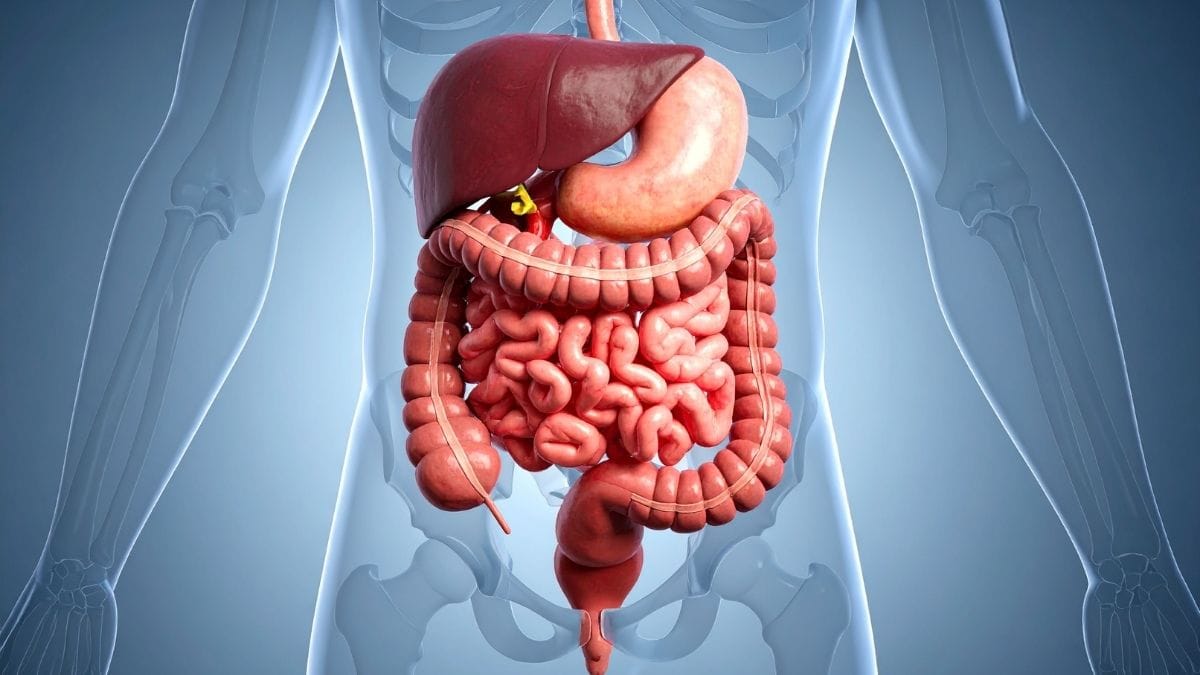
Most people think of gut health as a digestion issue.
Bloating. Discomfort. Food reactions.
But research over the last two decades suggests something deeper.
Your gut may shape how well your body handles stress, illness, aging, and recovery over time.
This idea is often described as long-term resilience — the body’s ability to adapt, repair, and stay stable as life changes.
What Scientists Mean by “Long-Term Resilience”
In health research, resilience does not mean avoiding illness forever.
It means:
- Recovering faster from stress or infection
- Maintaining balance as you age
- Responding better to challenges, not perfectly, but steadily
Many researchers now see the gut as a central system in this process.
Not because it controls everything.
But because it connects many systems at once.
Why the Gut Matters More Than We Once Thought

The gut is home to trillions of microorganisms.
Together, they form what scientists call the gut microbiome.
This system is involved in:
- Immune regulation
- Inflammation control
- Nutrient absorption
- Metabolic signaling
- Communication with the brain
When the gut ecosystem is diverse and stable, these processes tend to work more smoothly.
When it is disrupted, resilience may weaken.
What Gut Health Research Consistently Shows About Diet
Across population studies, clinical trials, and long-term observations, one pattern appears again and again:
Diet shapes gut health more than any single supplement or product.
Not through one food.
Through patterns.
Pattern 1: Dietary Diversity Supports Microbial Diversity
Studies repeatedly show that people who eat a wider range of plant foods tend to have more diverse gut bacteria.
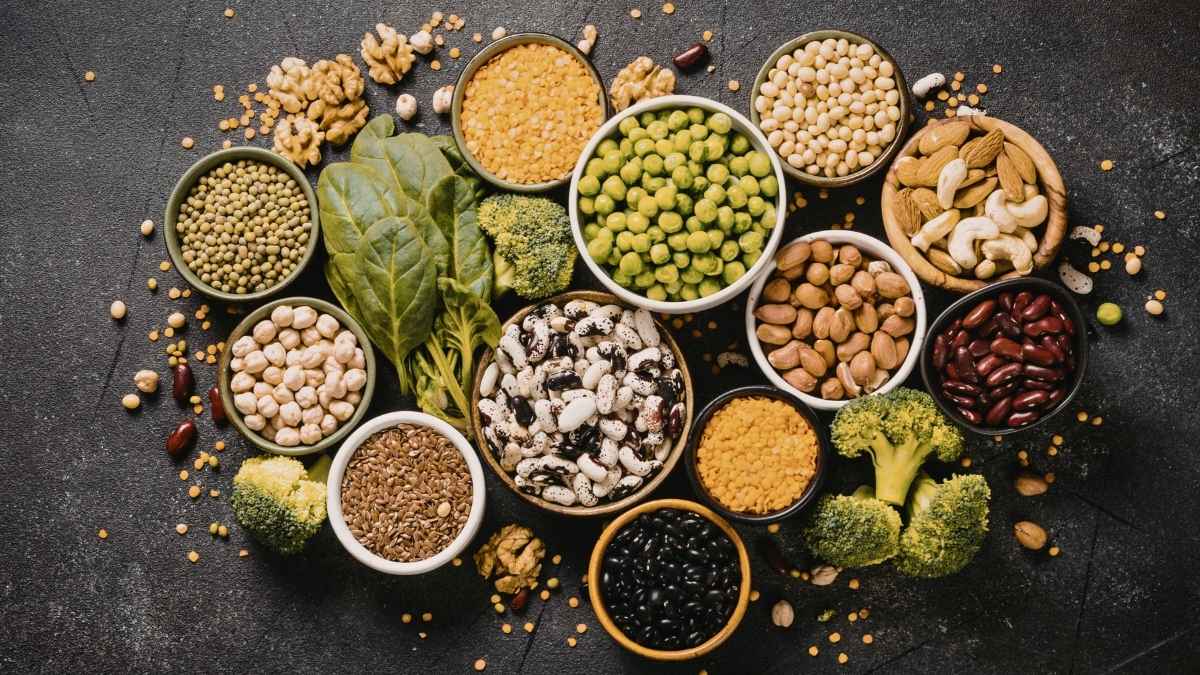
This includes:
- Vegetables
- Fruits
- Legumes
- Whole grains
- Nuts and seeds
Microbial diversity is often linked with better metabolic and immune flexibility.
This does not mean eating everything.
It means avoiding extreme restriction for long periods.
Pattern 2: Fiber-Rich Foods Play a Central Role
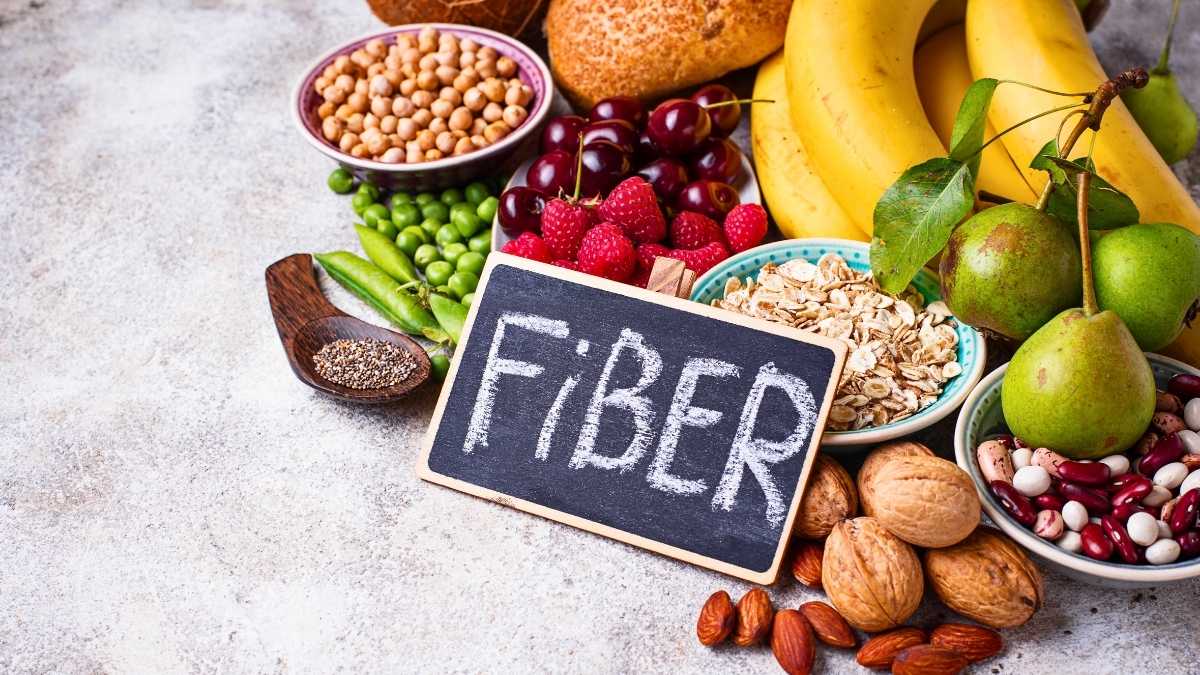
Fiber is not just for digestion.
It is fuel for beneficial gut bacteria.
When fiber is fermented in the gut, it produces short-chain fatty acids.
These compounds are associated with:
- Lower inflammation
- Stronger gut lining
- Improved metabolic responses
This is one reason diets linked to gut health and long-term resilience are usually rich in whole, minimally processed foods.
Pattern 3: Ultra-Processed Foods Often Reduce Stability

Research does not suggest that occasional processed food destroys gut health.
But high, consistent intake shows a different picture.
Diets high in ultra-processed foods are often associated with:
- Lower microbial diversity
- Disrupted gut signaling
- Higher inflammatory markers
This matters over years, not days.
Pattern 4: Fermented Foods May Support Adaptability

Fermented foods such as yogurt, kefir, kimchi, and sauerkraut appear in many gut-health studies.
Evidence suggests they may:
- Introduce beneficial microbes
- Support microbial balance
- Improve digestive tolerance in some people
Effects vary by individual.
But fermented foods often appear in dietary patterns linked with resilience.
Gut Health, Stress, and the Brain
The gut and brain communicate through neural, hormonal, and immune pathways.
This is sometimes called the gut–brain axis.
Research suggests that diet-driven gut changes may influence:
- Stress response
- Mood regulation
- Cognitive flexibility
This does not mean food replaces therapy or medicine.
It means nutrition may quietly shape how resilient the system is.
What Research Does Not Strongly Support
This matters just as much.
Gut health research does not strongly support:
- One perfect diet for everyone
- Extreme elimination without medical need
- Heavy reliance on supplements instead of food
- Short-term “gut reset” programs
Resilience is built slowly.
Through habits, not hacks.
A Practical Way to Think About Gut Health and Resilience
Instead of asking,
“What food fixes my gut?”
Research suggests a better question:
“What eating pattern supports balance over time?”
That usually means:
- Eating a variety of whole foods
- Prioritizing fiber-rich plants
- Limiting ultra-processed foods most days
- Supporting consistency, not perfection
This approach aligns closely with what studies associate with gut health and long-term resilience.
Final Thought
Gut health is not a trend.
It is a long-term relationship between diet and biology.
Research does not promise immunity from aging or illness.
But it does suggest that how we eat today may influence how well we adapt tomorrow.
Resilience is not about control.
It is about support.
And diet appears to be one of the most steady tools we have.