
Your muscles are listening less. Not because they’re stubborn, but because after 50, they need you to speak louder—with protein.
Most people over 50 eat the same protein they did in their 30s. That’s a problem. Research shows 30% of men and 50% of women over 71 don’t get enough protein. This leads to muscle loss that starts in your 40s and speeds up after 50.
This isn’t about how you look. It’s about staying independent, avoiding falls, and living fully in your later years.
Here’s what you’ll learn: why you need more protein after 50, exactly how much you need, which foods work best, when to eat them, and simple meal plans to hit your targets.
Why Protein Becomes More Critical After 50
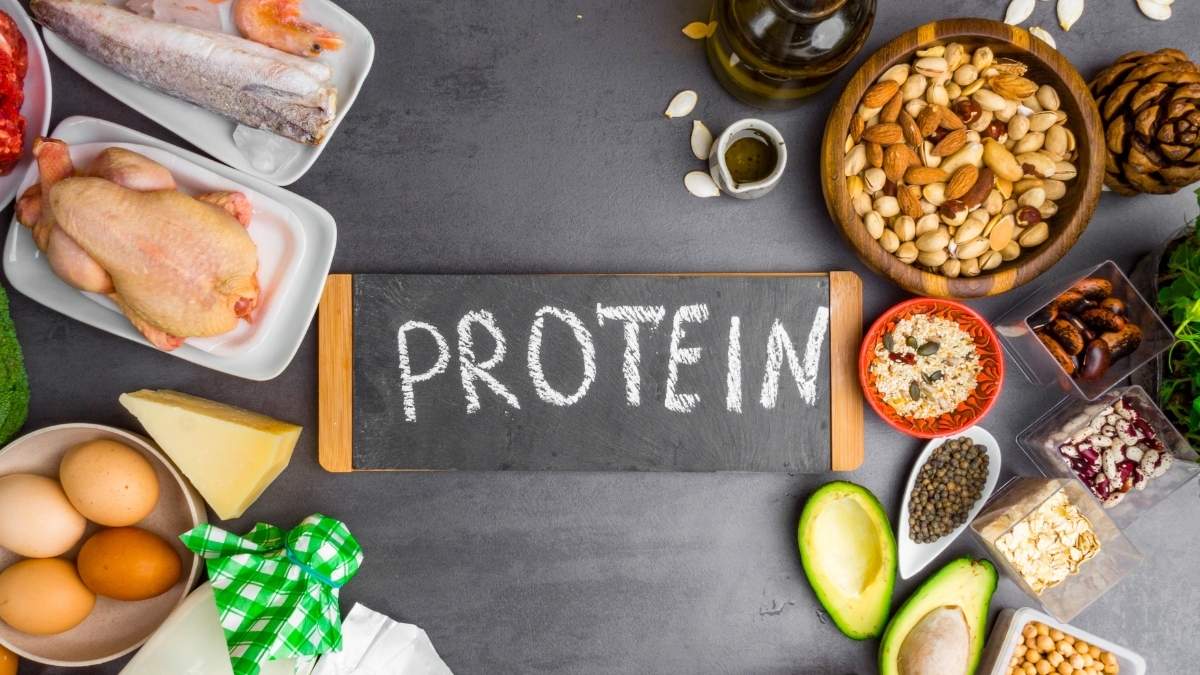
Here’s what happens to your muscles after 50. They stop listening as well to protein. Scientists call this anabolic resistance.
A 22-year-old needs about 20 grams of protein to build muscle. A 71-year-old needs 40 grams to get the same result. Stanford research proved this. Your muscles literally need twice the signal.
And muscle loss after 50 is real. You lose 3-10% of your muscle every decade after 50. By age 80, you could lose 30-50% of your muscle mass. Nearly half of people over 80 have sarcopenia—serious muscle loss.
This isn’t about looking good. Weak muscles mean more falls, slower recovery from illness, and losing your independence. Lower muscle mass is linked to higher death rates.
The problem? About 46% of adults over 51 don’t meet protein requirements for older adults. Half of women over 71 eat too little protein. Factors include lost appetite, dental problems, and changes in taste.
Your muscles need more. Most people give them less.
How Much Protein Do You Actually Need After 50?
The old rule says 0.8 grams of protein per kilogram of body weight. That’s the same for everyone—whether you’re 25 or 75. But experts now say that’s not enough for people over 50.
New research from ESPEN, NCOA, and Stanford shows you need 1.0-1.2 grams per kilogram. If you’re active or sick, you might need up to 1.6 grams per kilogram. Here’s how much protein after 50 you actually need.
Calculate Your Daily Protein Target:
Step 1: Take your weight in pounds and divide by 2.2. This gives you kilograms. Step 2: Multiply that number by 1.0 to 1.2.
Let’s try an example. Say you weigh 165 pounds. That’s 75 kilograms (165 ÷ 2.2). You need 75-90 grams of protein daily (75 × 1.0 to 1.2). A younger adult the same weight only needs 60 grams.
Real Numbers for Real People:
A 150-pound woman needs 68-82 grams daily. The old rule said just 55 grams. A 180-pound man needs 82-98 grams daily. The old rule said just 65 grams. An active 160-pound person could go up to 80-100 grams daily.
Most older adults need 70-90 grams of protein each day. During illness or recovery, protein requirements for older adults go up to 1.2-1.5 grams per kilogram.
One warning: if you have kidney disease, talk to your doctor first. More protein can stress damaged kidneys. For everyone else, quality and timing matter just as much as the total amount.
The Leucine Factor: Why Protein Quality Matters
Not all protein works the same. The difference comes down to leucine—an amino acid that tells your muscles to grow and repair. Think of it as a key that starts the engine.

Older adults need more leucine than younger people. Research shows you need 77-78 mg per kilogram of body weight daily.
That’s double the old recommendation of 39 mg/kg. And here’s the catch: you need 2.5-3 grams of leucine per meal to trigger muscle growth. Less than that? Your muscles barely respond.
To get 2.5-3 grams of leucine, you need about 25-30 grams of high-quality protein at each meal. This is where the best protein sources for seniors matter most.
Foods High in Leucine:
4 oz chicken breast: 30g protein, 2.5g leucine 4 oz beef: 28g protein, 2.3g leucine 4 oz tuna: 26g protein, 2.2g leucine 1 cup Greek yogurt: 20g protein, 1.8g leucine 3 eggs: 18g protein, 1.5g leucine
Animal proteins win for leucine content. Whey protein has the most. Harvard Health found whey works better than plant proteins for building muscle in older adults.
Plant proteins have less leucine. Chickpeas and pumpkin seeds contain some, but you need larger portions to match animal sources.
You can combine plant proteins to get all the amino acids you need. Just plan on eating more volume.
Here’s a practical target for protein quality older adults should aim for: 25-30 grams of protein at each main meal. This hits your leucine threshold naturally.
Example: 4 oz chicken plus 1 cup Greek yogurt gives you about 50 grams of protein and 4+ grams of leucine. That’s two meals covered right there.
Breakfast is where most people fall short. Fix that meal first, and you’re halfway to your daily leucine for muscle needs.
When You Eat Protein Matters as Much as How Much

You could eat 100 grams of protein daily and still lose muscle. How? By eating it all at dinner.
Most people follow this pattern. Women over 51 eat about 11 grams at breakfast, 15-18 grams at lunch, and 27-30 grams at dinner.
Men eat slightly more but follow the same skewed pattern. Only dinner hits the 25-30 gram threshold your muscles need.
Research shows this is a mistake. A 2014 study found that spreading protein evenly across meals increased muscle protein synthesis by 25%.
Your muscles can only use so much protein at once. When you eat protein every 3-4 hours, you give your muscles multiple growth signals throughout the day instead of one big one.
The Breakfast Fix:

Breakfast is where most people fail. The average older adult eats just 8-16 grams in the morning. This is your easiest win. Boost breakfast from 10 grams to 25-30 grams, and you’re halfway to fixing your protein timing.
Compare These Two Days:
Typical day (bad distribution): Breakfast: Toast and coffee = 8g protein Lunch: Salad with chicken = 18g protein Dinner: Steak and potato = 50g protein Total: 76g but poor protein distribution meals
Better day (good distribution): Breakfast: Greek yogurt, berries, granola = 28g protein Lunch: Chicken sandwich, cottage cheese = 30g protein Snack: Almonds = 6g protein Dinner: Salmon and quinoa = 32g protein Total: 96g with better when to eat protein spread
Both days might seem similar. The second one builds 25% more muscle because of protein timing.
After exercise, eat 25-30 grams of protein within 2 hours. Whey protein works great post-workout. But don’t stress about a 30-minute window. Your total daily intake matters more than perfect timing.
Best Protein Sources for Adults Over 50
The best protein sources seniors should eat combine three things: high protein content, rich leucine levels, and easy digestion. Here’s what works.
Lean Meats:

Chicken breast gives you 31 grams of protein per 4 ounces with low fat. Turkey has a similar profile plus selenium and B vitamins.
Lean beef, pork, and bison pack iron, zinc, and B12. These are complete proteins your body uses easily. Just don’t eat red meat every day because of cholesterol.
Fish and Seafood:

Salmon delivers 25 grams of protein per 4 ounces plus omega-3s for your heart. Tuna has 26 grams and lots of selenium.
Cod is super lean at just 72 calories per 3 ounces with 20 grams of protein. Halibut and Arctic char are also excellent high protein foods older adults should eat regularly.
Dairy Products:
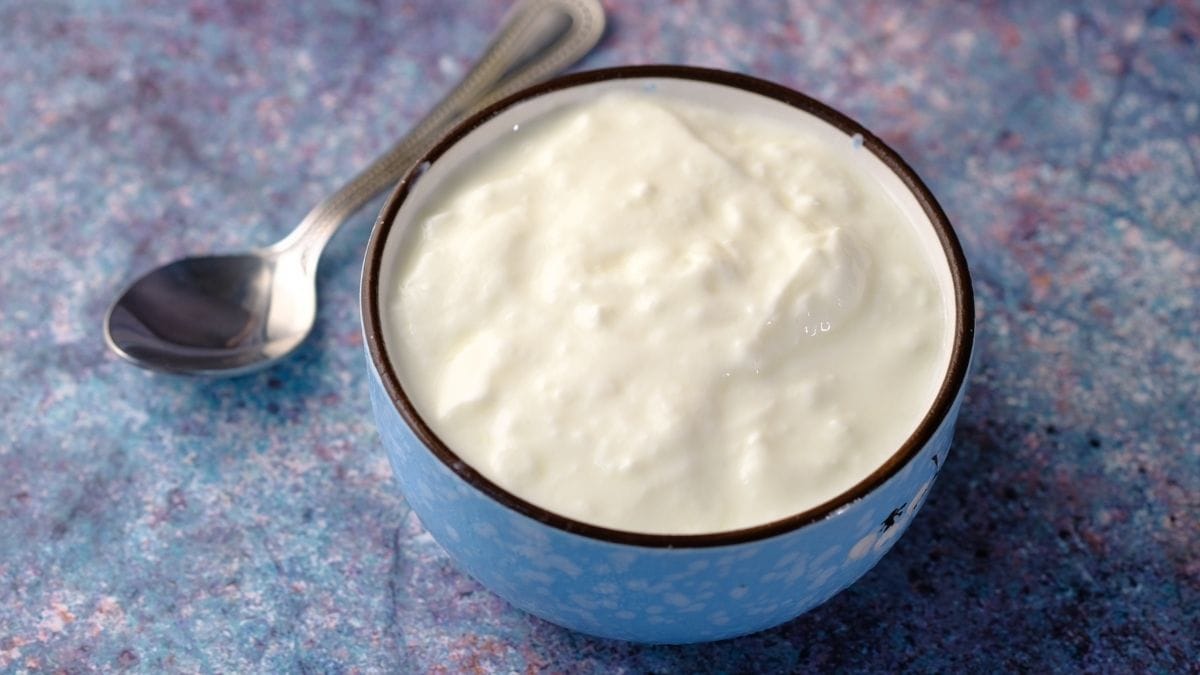
Greek yogurt packs 20 grams per cup. Choose plain, low-fat versions. Cottage cheese gives you 28 grams per cup at only 163 calories. Regular milk has 8 grams per cup. These also give you calcium for your bones.
Eggs:

One large egg has 6 grams of protein and all essential amino acids. The American Heart Association says one egg daily is fine. They’re cheap and easy to cook dozens of ways.
Plant-Based Options:
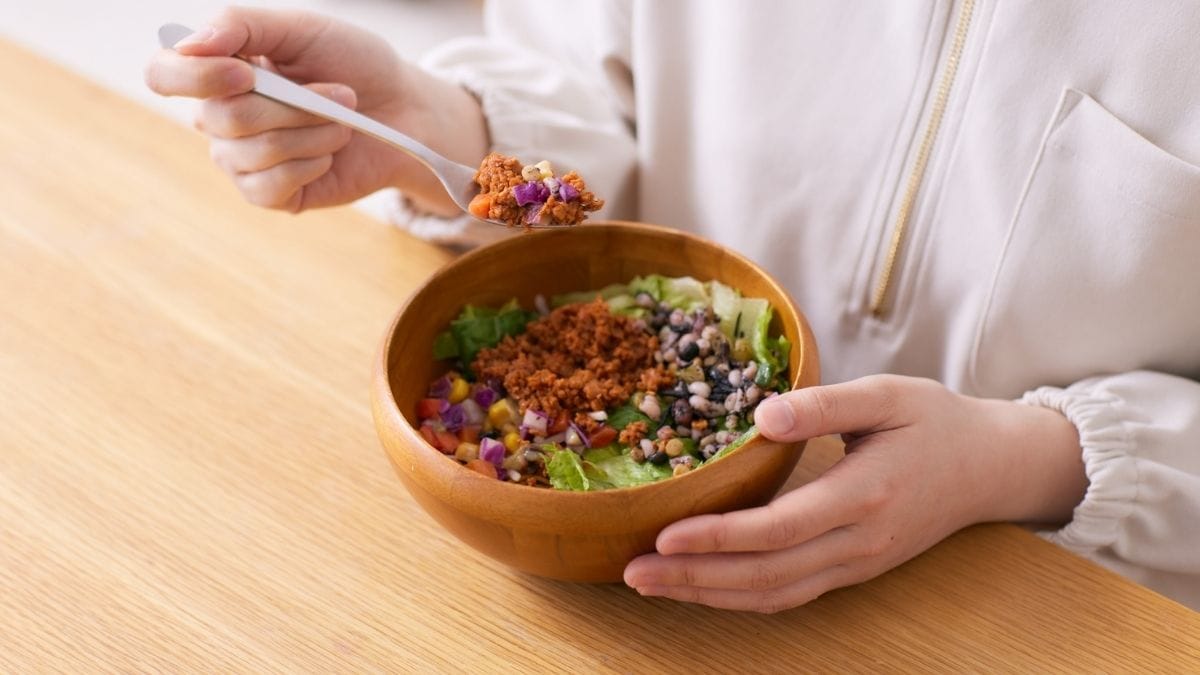
Chickpeas have 7 grams of protein and 6 grams of fiber per half cup. Lentils give you 9 grams per half cup. Tofu has 10 grams per half cup, tempeh has 15 grams, and edamame has 9 grams.
Quinoa is a complete protein with 8 grams per cup. Nuts and seeds add 6-7 grams per ounce. Remember: plant proteins need larger portions to match the leucine in animal proteins.
Protein Powders:
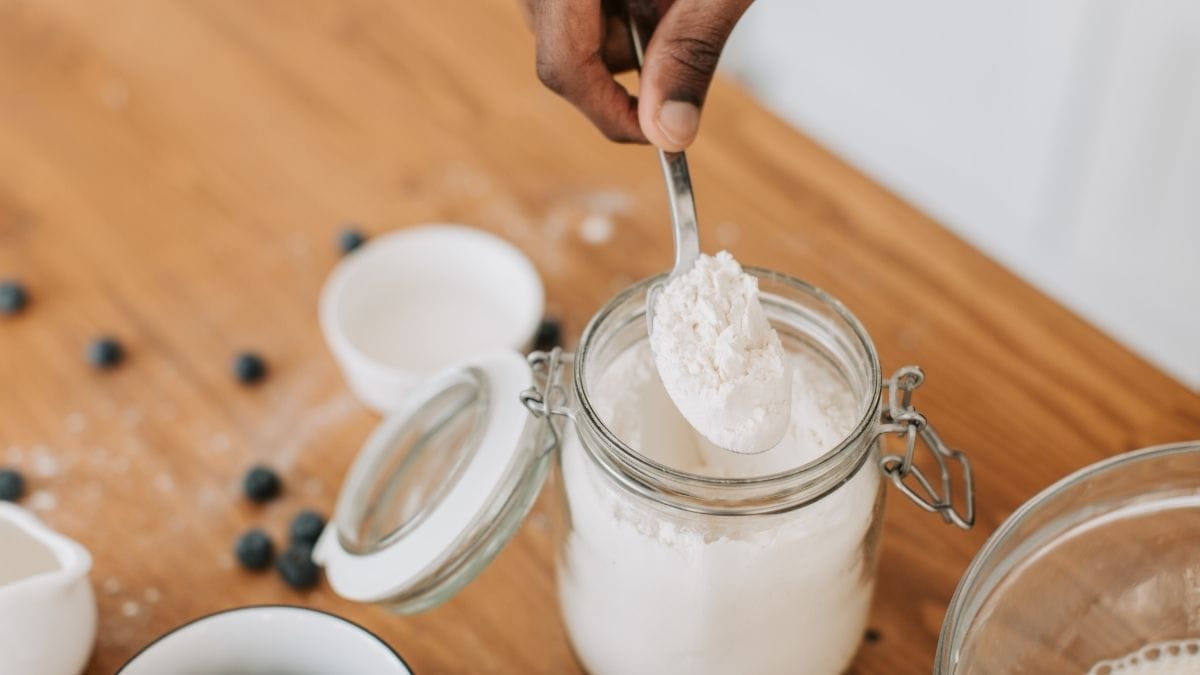
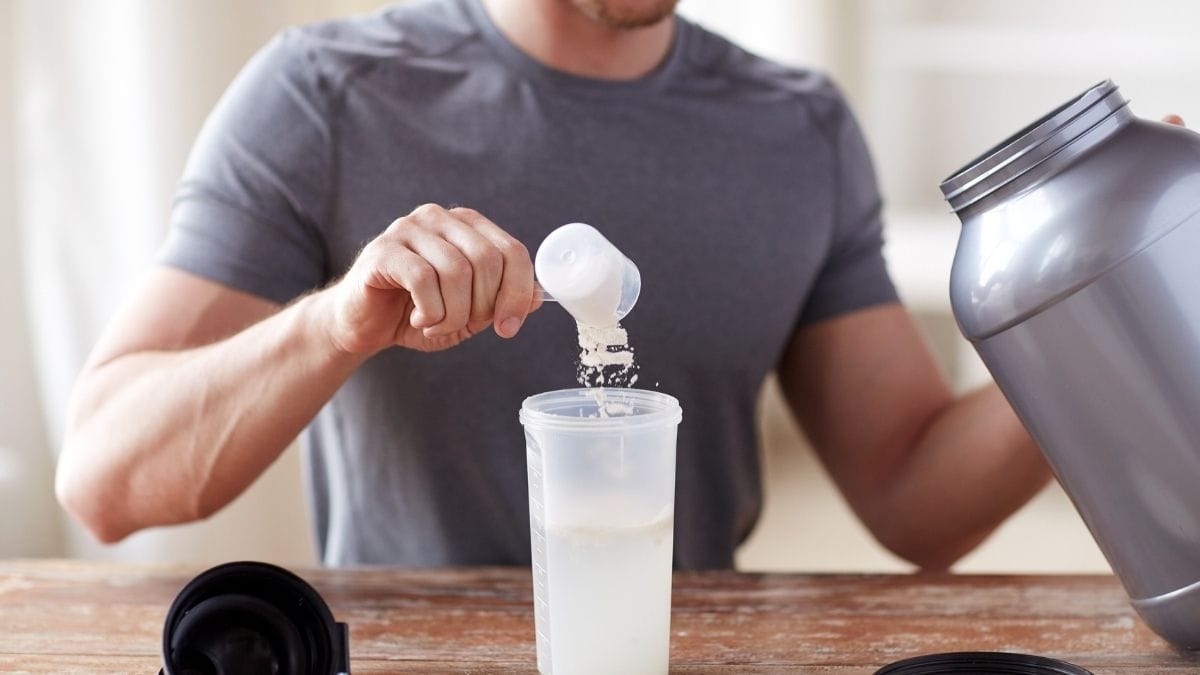
Whey protein isolate is the best for older adults. One scoop gives you 20-30 grams of protein that absorbs quickly. Use it when appetite is low, for convenience, or after workouts. You don’t need it if you hit your targets with whole foods.
Combining Protein with Exercise: The Real Game-Changer

Here’s the truth about protein and exercise over 50: protein gives your muscles the building blocks. Exercise gives them the signal to build. You need both.
Research shows protein plus resistance training creates the most improvement in muscle mass and strength for older adults. One without the other? You’re leaving results on the table.
Start Resistance Training Older Adults Can Actually Do:
You need 2-3 sessions per week minimum. Focus on major muscle groups—legs, chest, back, arms.
Use weight machines, dumbbells, resistance bands, or your own bodyweight. You don’t need heavy weights. Moderate resistance works fine as long as you gradually increase it over time.
Studies show 12 weeks of training can improve your leg press strength by 25% or more. Even people over 80 build muscle with this combination.
When you eat 1.6 grams of protein per kilogram daily and train regularly, you get optimal results for building muscle after 50.
Simple Weekly Routine:

Monday, Wednesday, Friday: 10-minute warm-up walk Leg exercises: squats, leg press (3 sets of 8-12 reps) Upper body: chest press, rows (3 sets of 8-12 reps) Core work: planks, crunches Post-workout: protein shake (30g) or Greek yogurt with fruit
Tuesday, Thursday, Saturday: 30-minute brisk walk or swim Light stretching
After your workout, eat 25-30 grams of protein within 2 hours. Your muscles are most receptive then. But don’t stress about a 30-minute window. That’s old thinking. Total daily protein plus regular training is what really matters.
Be realistic. You won’t build muscle like a 25-year-old. Your goal is to maintain what you have and slowly build strength. Focus on function and strength, not just size. Consistency beats intensity every time.
What to Do If You Have Kidney Disease or Other Health Conditions
Higher protein intake helps most older adults. But certain medical conditions require special consideration for safe protein intake.
Kidney Disease:
This is the big exception. High protein can stress damaged kidneys. If you have kidney disease, the standard recommendations may not apply to you. You must work with a nephrologist or dietitian. Protein restriction is sometimes necessary. Don’t increase protein and kidney disease intake without medical approval.
Diabetes:
Good news here. Protein can help stabilize blood sugar and may improve insulin sensitivity. You can generally follow higher protein guidelines. Just monitor portions when carb counting.
Heart Disease:
Focus on lean proteins and fish. Limit saturated fat from red meat. Plant proteins are beneficial for heart health. Eat omega-3 rich fish like salmon twice weekly.
Digestive Issues:
Spread protein more throughout the day if you have stomach problems. Choose easily digestible sources like eggs, Greek yogurt, and protein shakes. Protein shakes help when solid food is difficult. Consider digestive enzymes if needed.
Taking Medications:
Some medications interact with protein metabolism. If you take warfarin, maintain consistent vitamin K intake. Always tell your doctor about dietary changes. Protein timing may matter with certain medical conditions protein affects.
When to Call Your Doctor:
Before major diet changes if you have chronic conditions. If taking multiple medications. If you experience unexplained symptoms. To get personalized recommendations.
This article provides general information. Always consult your healthcare provider before making significant dietary changes.
The Bottom Line on Protein After 50
After 50, you need 1.0-1.2 grams of protein per kilogram of body weight daily. That’s 70-90 grams for most people. Aim for 25-30 grams of high-quality protein at each meal—chicken, fish, eggs, dairy. Don’t pile it all at dinner. Spread it out.
Protein alone won’t cut it. Add resistance training 2-3 times weekly for real results.
Start today. Calculate your target: weight in pounds ÷ 2.2 × 1.1. Track what you eat for three days. Then fix breakfast first—boost it to 25-30 grams.
Getting enough protein after 50 isn’t hard. It just takes attention. Your muscles and your future self will thank you.