The global anti-aging supplement market hit $4.47 billion in 2024. But here’s the problem: a 2025 analysis found that most collagen studies showing anti-aging benefits were funded by supplement companies.
When independent researchers looked at the same question, the benefits disappeared.
You see Instagram ads promising younger skin. Your friends spend hundreds on NAD+ pills. Companies wave around clinical trials. But do anti-aging supplements actually work, or is this just smart marketing?
This guide cuts through the noise. You’ll learn which supplements have real scientific evidence from 2025 studies, which ones are overhyped, and the exact dosages that showed results in clinical trials.
More importantly, you’ll spot the red flags that separate legitimate research from industry-funded hype.
The $4.47 Billion Question: Are Anti-Aging Supplements Worth It?
The anti-aging supplements market hit $4.47 billion globally in 2024. Experts predict it will reach $6.99 billion by 2030. That’s 7.89% growth every year. Collagen alone owns 31.39% of the market.
Here’s what’s driving this spending: people are getting older. By 2050, one in four people in Asia-Pacific will be over 60.
In the U.S., more than 50% of adults already take supplements, and anti-aging products are among the most popular.
But there’s a massive gap between what companies promise and what clinical evidence actually shows.
Most supplement studies are funded by the companies selling them. When independent researchers test the same products, the results often disappear.
There’s another problem: bioavailability. Your body can’t absorb most supplements the way companies claim. That expensive pill might pass right through you without doing anything.
The real question isn’t whether people are buying anti-aging supplements. It’s whether supplement effectiveness matches the marketing hype. Spoiler: it usually doesn’t.
Collagen Supplements: The Inconvenient Truth About Industry Studies
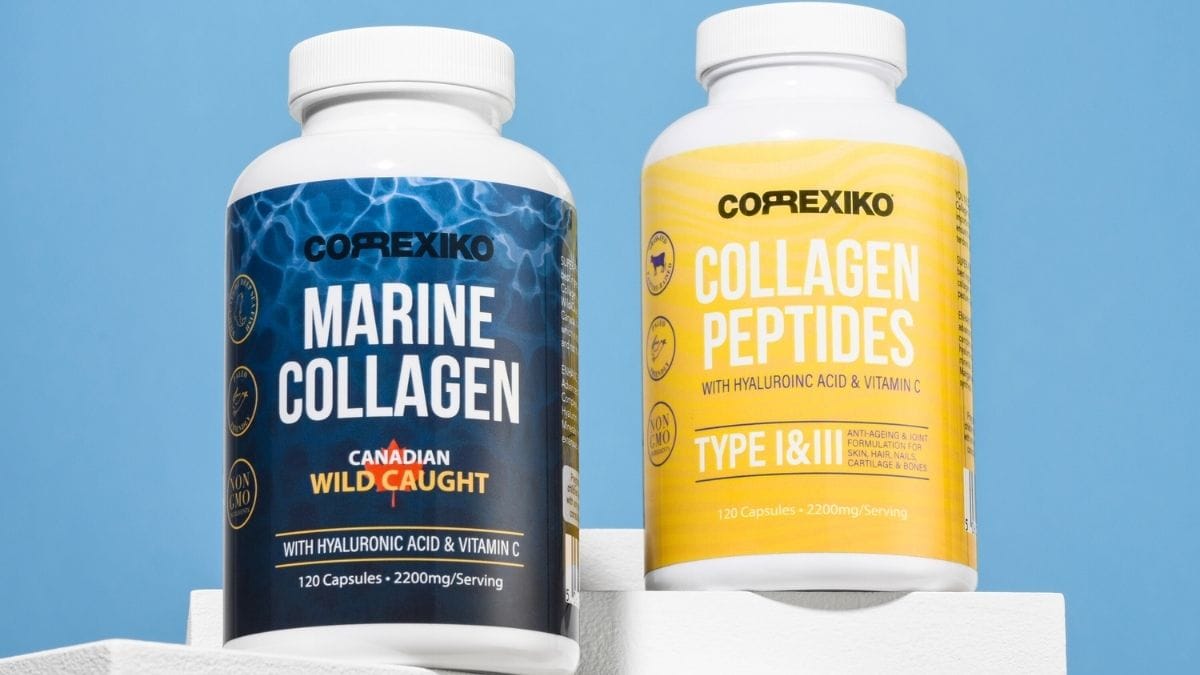
In May 2025, researchers published a study that should have made headlines. They looked at 23 clinical trials with 1,474 people testing collagen supplements effectiveness. The results were shocking.
When supplement companies paid for the research, collagen looked great. Skin improved. Wrinkles decreased. Everyone was happy. But when independent scientists ran the same tests, the benefits vanished completely.
This wasn’t a small difference. High-quality studies without industry funding showed no significant effect on skin aging at all. Zero. You were basically paying $30 a month for expensive powder that did nothing.

Most studies tested 2.5 to 15 grams of collagen daily for 8 to 12 weeks. That’s a lot of collagen. Still didn’t work in placebo-controlled trials when companies weren’t funding the research.
There was one exception worth noting. A 2025 study found that a specific amino acid ratio reduced biological age by 1.4 years over six months.
The formula was 3 parts glycine, 1 part proline, and 1 part hydroxyproline. But here’s the catch: this study didn’t have a placebo control group. We can’t be sure the results were real.
Why does this matter to you? Because collagen dominates 31% of the anti-aging market. Companies are making billions selling a product that independent research says doesn’t work. That’s your money going down the drain.
NAD+ Boosters (NMN and NR): What Clinical Trials Actually Show
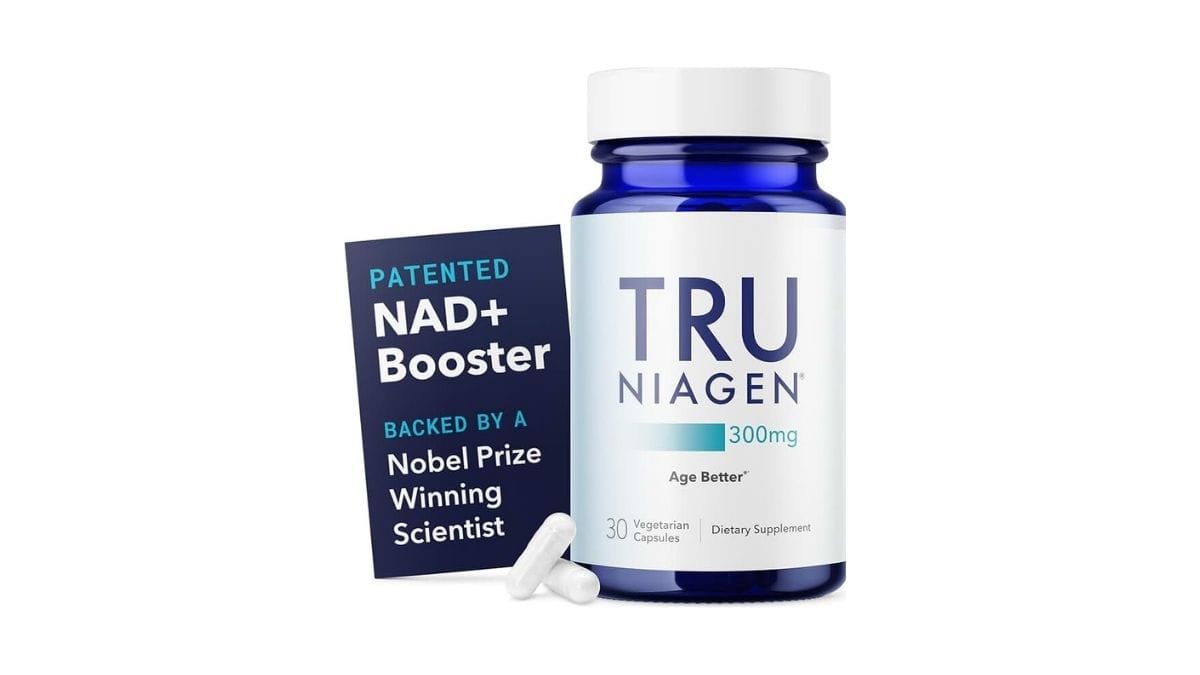
NAD+ is a molecule in every cell of your body. It helps turn food into energy and repairs damaged DNA.
The problem? Your NAD+ levels drop by about 50% as you age. That’s why NMN supplements and nicotinamide riboside are so popular right now.
Let’s look at what NAD+ clinical trials actually found. In 2022, researchers tested 80 people taking 600-900mg of NMN daily.
Good news: their blood NAD+ levels went up significantly. They also showed better physical performance. This looked promising.
But here’s where it gets tricky. A 2024 analysis looked at 12 NMN trials with 513 people total. Yes, NMN boosted NAD+ levels in the blood.
But when researchers checked actual health outcomes, most showed no significant difference from placebo pills. Higher NAD+ didn’t automatically mean better health.
The nicotinamide riboside effectiveness story is similar. A 2025 trial gave long-COVID patients 2,000mg of NR daily.
Their NAD+ levels jumped 2.6 to 3.1 times higher. Impressive numbers. But cognition, fatigue, and mood didn’t improve compared to people taking fake pills.
Why the disconnect? Bioavailability is part of the problem. Your body breaks down these supplements quickly. Just because NAD+ increases in your blood doesn’t mean it’s getting into your cells where it matters.
Based on trials, effective dosages are 250-500mg for NR and 300-900mg for NMN. But “effective” only means raising NAD+ levels, not improving your health.
Here’s the bottom line: NAD+ boosters do what they claim chemically. They raise your NAD+ levels. But we don’t have solid proof that this translates to real anti-aging benefits in humans. The science is still early.
Vitamin D: The Unexpected Anti-Aging Winner
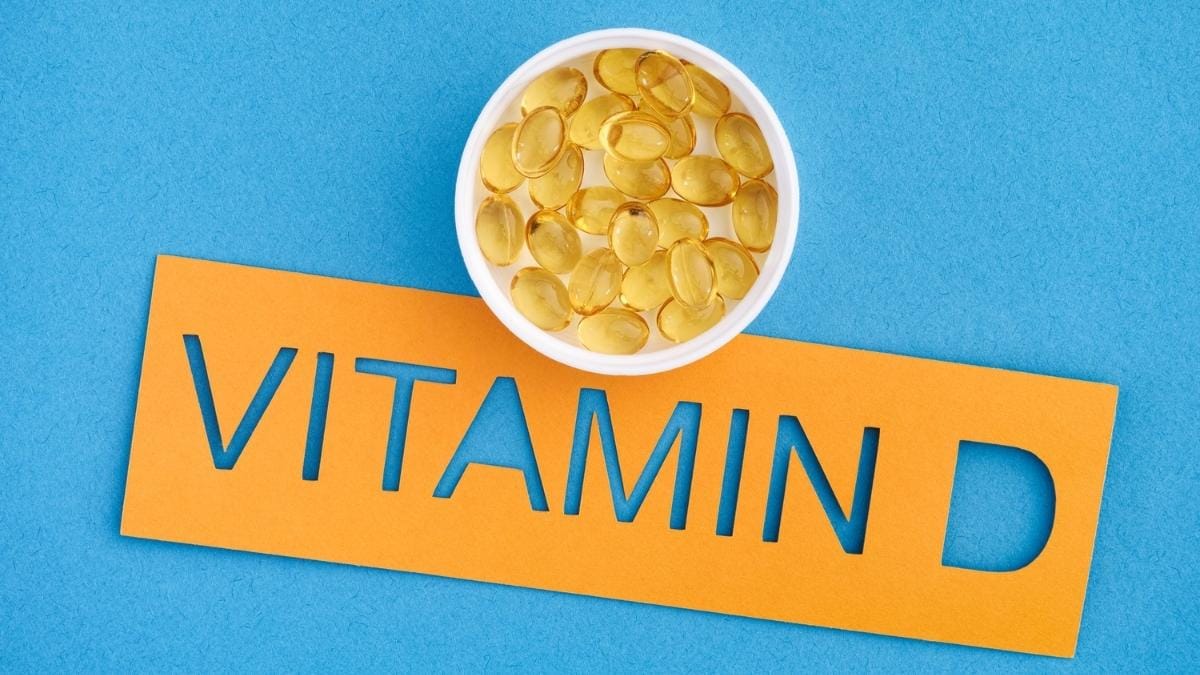
While everyone chases expensive NAD+ boosters, boring old vitamin D quietly delivered the most impressive vitamin D anti-aging results in 2025. And it costs about $10 for a three-month supply.
An April 2025 study found something remarkable. Daily vitamin D3 supplementation reduced biological wear and tear equivalent to nearly three years of aging.
That’s not marketing hype. That’s measured biological aging in actual people.
The key mechanism? Telomere protection. Telomeres are like the plastic tips on shoelaces. They protect your DNA from damage.
Every time your cells divide, telomeres get shorter. When they get too short, you age faster and face more health problems.

Vitamin D3 stopped telomeres from shortening. This is a hallmark of aging that the supplement actually prevented. No other supplement on this list has evidence this strong.
The effective dose in research was 1,000-2,000 IU daily. That’s it. Not megadoses. Just consistent, daily supplementation.
Why does vitamin D have stronger evidence than trendy options? Because researchers have studied it for decades in thousands of people. It’s not new. It’s not sexy. But it works.
Here’s the smart move: get your vitamin D levels tested first. Some people need more than 2,000 IU, others need less. Your doctor can tell you based on your blood work.
Resveratrol: From Wonder Drug to Cautionary Tale

Twenty years ago, resveratrol was the hottest thing in anti-aging. The story was compelling:
French people drank red wine and had fewer heart problems despite eating rich food. Scientists found resveratrol in red wine and thought they’d discovered the magic ingredient.
In labs, resveratrol worked amazingly well. Mice lived longer. Their cells showed sirtuin activation, which looked like an anti-aging switch.
Supplement companies went crazy. Everyone wanted to sell the red wine molecule in a pill.
Then came the human trials. Almost 200 clinical studies tested resveratrol over 20 years. Researchers used doses from 150mg to 2,000mg daily.
Some studies showed small benefits for blood sugar and heart health markers. But resveratrol effectiveness for anti-aging? It never showed up.
The problem is bioavailability. Your liver breaks down resveratrol so fast that barely any reaches your bloodstream. Even less gets into your cells.
What worked in mice at high concentrations failed in humans because we couldn’t absorb it properly.
Longevity researcher Matt Kaeberlein put it bluntly: scientists don’t study resveratrol in the aging field anymore. They’ve moved on. The early promise didn’t survive rigorous human testing.
Here’s what this teaches you about supplement hype. Animal studies can look incredible. But bioavailability problems kill most supplements when tested in real people.
Twenty years and 200 studies later, resveratrol remains a cautionary tale about the gap between lab excitement and real-world results.
Omega-3s and Traditional Supplements: The Solid Foundation
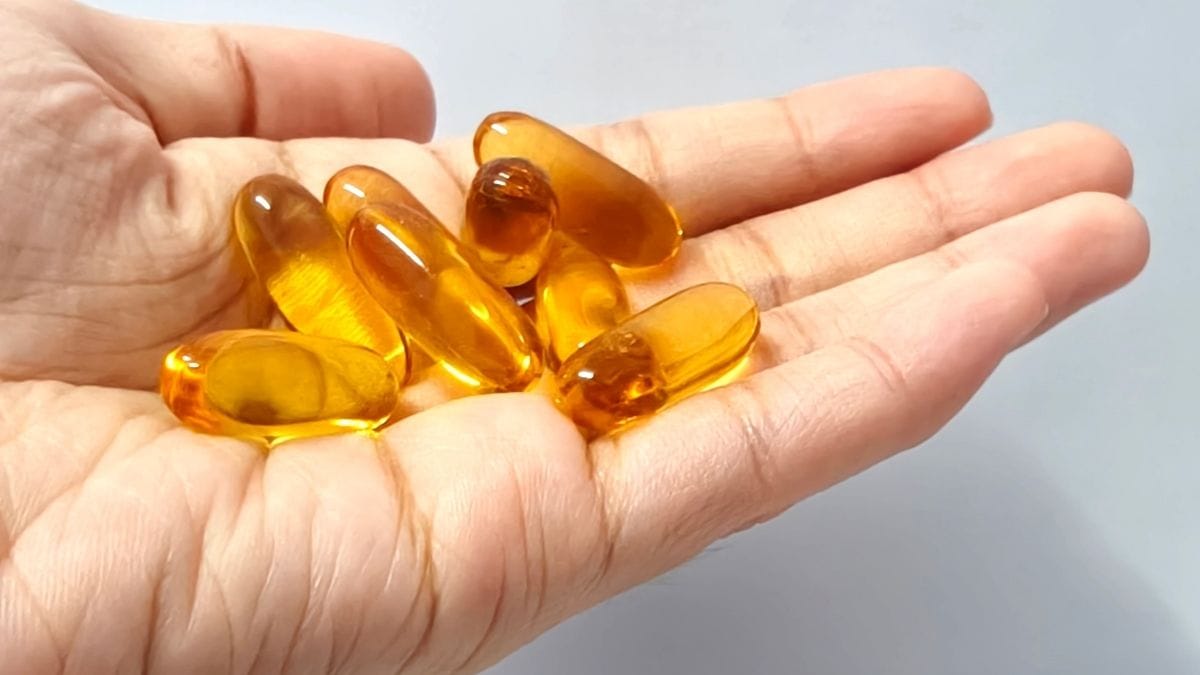
Sometimes the boring supplements deserve more credit than the flashy new ones. Omega-3 fatty acids aren’t sexy. But they’re among the best longevity supplements with actual proof behind them.
The 2025 DO-HEALTH trial analysis tracked people for three years. Omega-3 anti-aging benefits were real: these fatty acids measurably slowed aging markers.
Not reversed aging. Not turned back the clock. Just slowed it down, which is what realistic anti-aging looks like.
The effective dose based on research is 1-2 grams of EPA and DHA combined daily. That’s the actual omega-3s, not the total fish oil. Check your label carefully.
Scientists also discovered something new in 2024: C15:0, also called pentadecanoic acid. It’s an essential fatty acid your body needs but can’t make.
C15:0 links to cellular health, metabolic stability, and resilience as you age. You get it from whole milk and certain fish.
Curcumin is another compound with solid research. A study gave adults aged 60-85 just 400mg daily for four weeks.
Their attention, working memory, and mood all improved significantly. But here’s the catch: curcumin bioavailability is terrible. You need it paired with black pepper extract (piperine) or special formulations to absorb it.
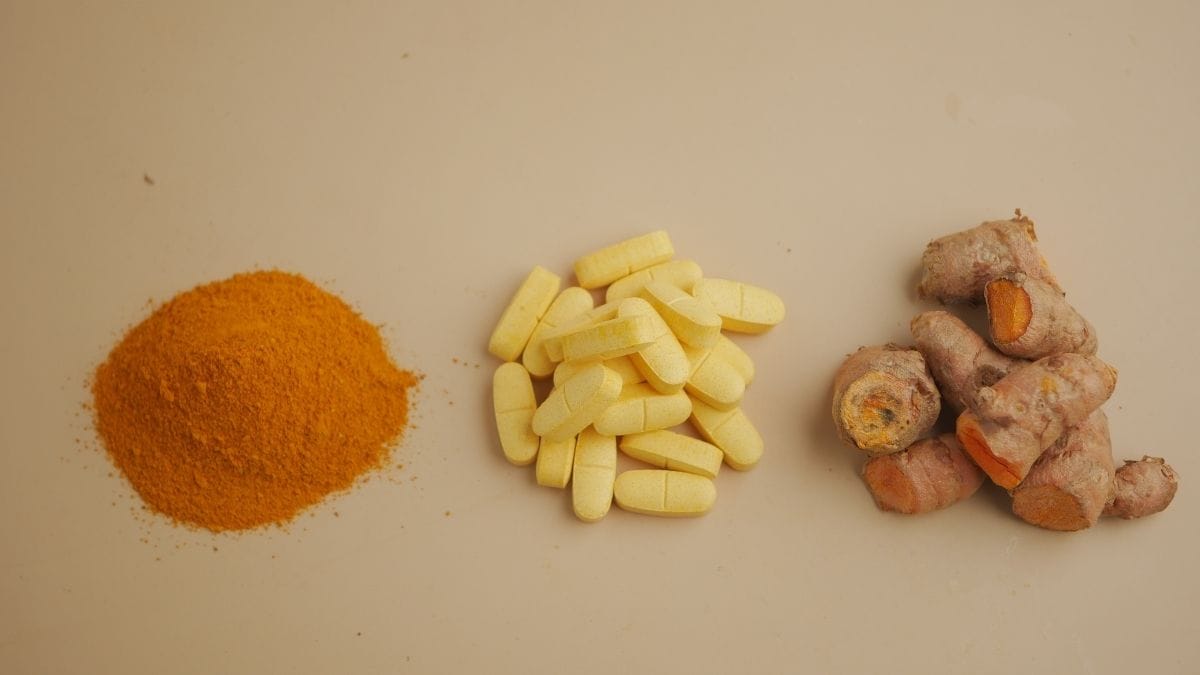
These traditional supplements won’t make you look 20 again. But they offer small, real benefits backed by decades of research. That’s more honest than most anti-aging claims you’ll see online.
The Red Flags: How to Spot Overhyped Anti-Aging Claims
Remember that 2025 collagen study? When supplement companies paid for research, benefits appeared.
When independent scientists tested the same thing, benefits vanished. That’s your first red flag: who funded the study matters hugely for supplement quality.
High-quality clinical trial design needs three things: enough people (at least 50-100), a placebo control group, and decent duration (minimum 8-12 weeks).
The collagen amino acid study that showed promise? No placebo group. We can’t trust those results.
Watch for phrases like “reverse aging” or “turn back the clock.” Evidence-based supplements don’t make impossible promises. And avoid “proprietary blends” that hide exact ingredient amounts. You deserve to know what you’re taking.
What Actually Works: Evidence-Based Recommendations for 2025
Here are the best anti-aging supplements 2025 based on actual evidence, organized by how strong the proof is.
Tier 1: Strong Evidence Vitamin D (1,000-2,000 IU daily) and omega-3s (1-2g EPA+DHA daily) have the most solid research. These are your foundation.
Tier 2: Promising But Early NMN (300-600mg daily) raises NAD+ levels but we don’t know if that improves health long-term. Curcumin (400-500mg with piperine) shows cognitive benefits in older adults. Worth trying, but manage expectations.
Tier 3: Skip These Most collagen products and resveratrol have weak evidence despite massive marketing budgets. Save your money.
Here’s the reality check: over 50% of U.S. adults take supplements, but lifestyle behaviors matter way more for healthy aging.
No pill replaces sleep, exercise, and a decent diet. Those supplement recommendations with evidence-based dosages can help, but they’re supplements, not substitutes.
If you’re going to spend money on anti-aging, start with vitamin D and omega-3s. Get your levels tested. Fix your sleep. Then, if you want to experiment with NMN or curcumin, at least you’ve covered the basics first.
Lastly:
Do anti-aging supplements work? The answer depends entirely on which ones you choose and whether you’re relying on marketing claims or actual clinical evidence from 2025.
Most supplements fail when independent scientists test them. Collagen benefits disappear in well-designed studies. Resveratrol never delivered on its promise. Who pays for research changes what the research finds.
Vitamin D and omega-3s have real evidence. NAD+ boosters might help, but we need better proof.
Before spending hundreds monthly, start with the basics: fix your vitamin D levels, take quality omega-3s, sleep enough, and move your body. Those work better than any expensive powder.