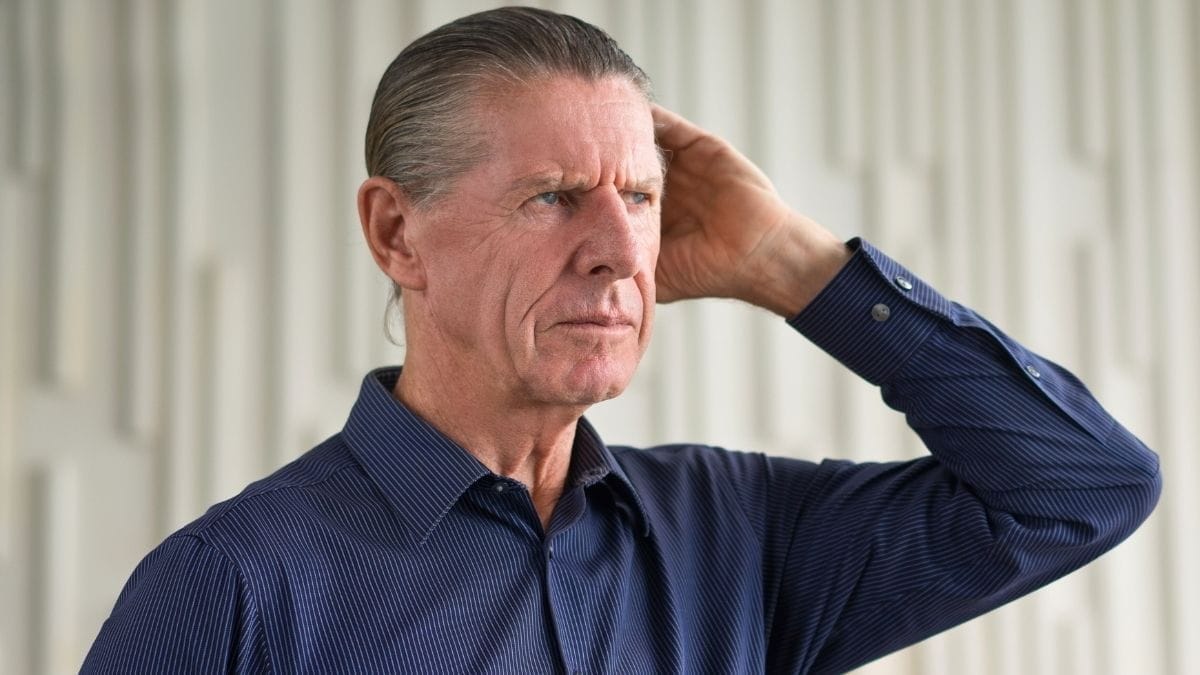
Most of us don’t notice brain aging all at once. It sneaks in quietly — forgotten names, lost keys, slower recall.
You wonder: Is this normal… or the beginning of decline? Harvard researchers say the story is not what we were taught. The brain is not a fading machine.
It is a living system that can be strengthened — if we treat it right.
The Fear Most Adults Don’t Say Out Loud
A few years ago, I caught myself standing in the kitchen, staring at an open cabinet, unable to remember why I walked there. It lasted maybe five seconds. But it shook me.
That tiny blank moment felt like a warning.

Many people experience this after 35 or 40. We joke about it. We blame stress. We say, “I’m just getting older.” But under the humor is a real fear:
Is my brain already slowing down?
Harvard researchers have spent decades studying aging brains. The surprising truth is this:
Slowing is not the same as decline.
And decline is not inevitable.
Your brain is not a battery that drains. It is more like a muscle. It responds to how you live.
Understanding this changes everything.
What Actually Happens to the Brain With Age
The common myth is simple: aging equals shrinking brain equals loss of ability.
Reality is more complex.
Certain brain processes do slow slightly over time. Reaction speed and recall may take longer. But other areas — pattern recognition, emotional regulation, wisdom — often improve.
Harvard neuroscientists describe aging brains as adaptive, not broken.
The biggest threats are not birthdays. They are lifestyle patterns that quietly damage brain networks:
- chronic inflammation
- poor sleep
- blood sugar spikes
- inactivity
- social isolation
- ultra-processed diets

When these pile up, the brain struggles. When they are corrected, the brain often rebounds.
This is where hope begins.
The Brain Is Designed to Rewire Itself
There is a word scientists use: neuroplasticity.
It means your brain can form new connections at any age.
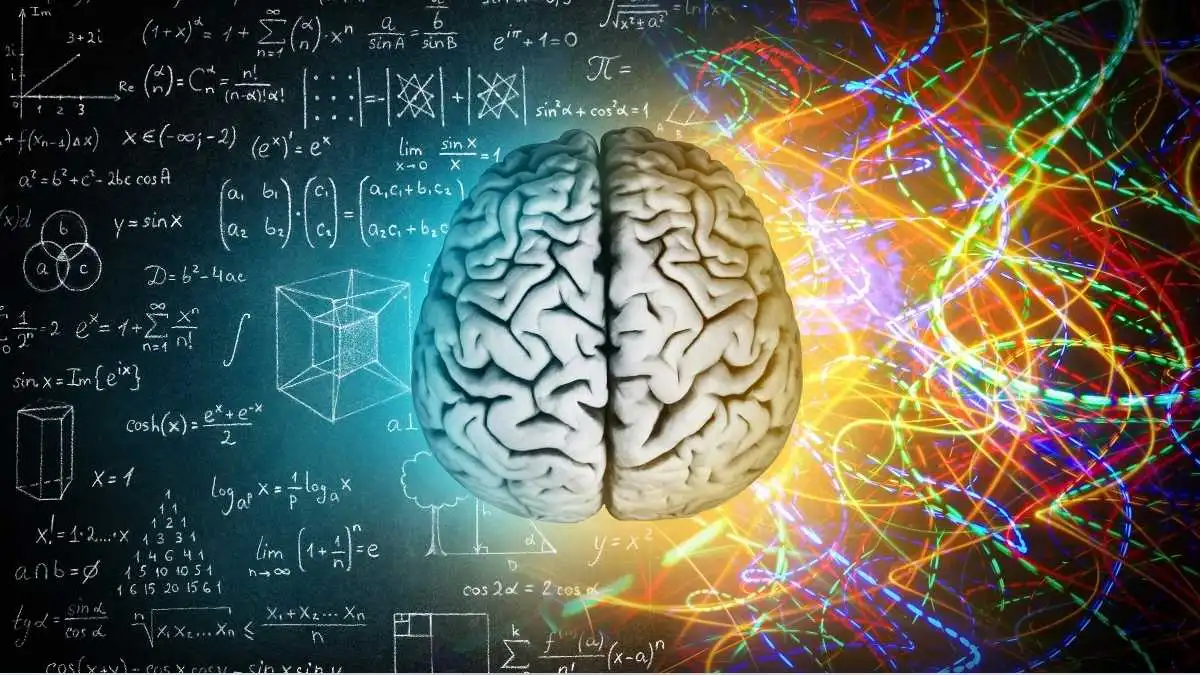
For years, doctors believed brain growth stopped in adulthood. Harvard research proved that wrong. Even older adults can grow new neurons in key memory areas like the hippocampus.
But neuroplasticity is not automatic. It is triggered by signals:
movement
learning
nutrition
challenge
rest
Think of it as a switch. The right habits flip it on. The wrong habits shut it down.
And food plays a larger role than most people realize.
The Food Pattern That Protects the Aging Brain
Harvard nutrition studies consistently point to a pattern close to the Mediterranean diet. Not as a trend. As a long-term brain strategy.
This pattern is rich in:

- leafy greens
- berries
- olive oil
- fatty fish
- nuts and seeds
- legumes
- whole grains
These foods reduce inflammation and support blood flow to the brain.
The brain consumes massive energy. It needs stable fuel. Highly processed foods cause sharp spikes and crashes. Over time, those swings damage delicate neural pathways.
Whole foods act like steady power. They feed the brain without chaos.
One Harvard study followed adults for years and found that people who ate more plant-based fats and antioxidants showed slower cognitive aging.
Not stopped aging. Slower aging.
That difference matters.
The Silent Brain Killer: Blood Sugar
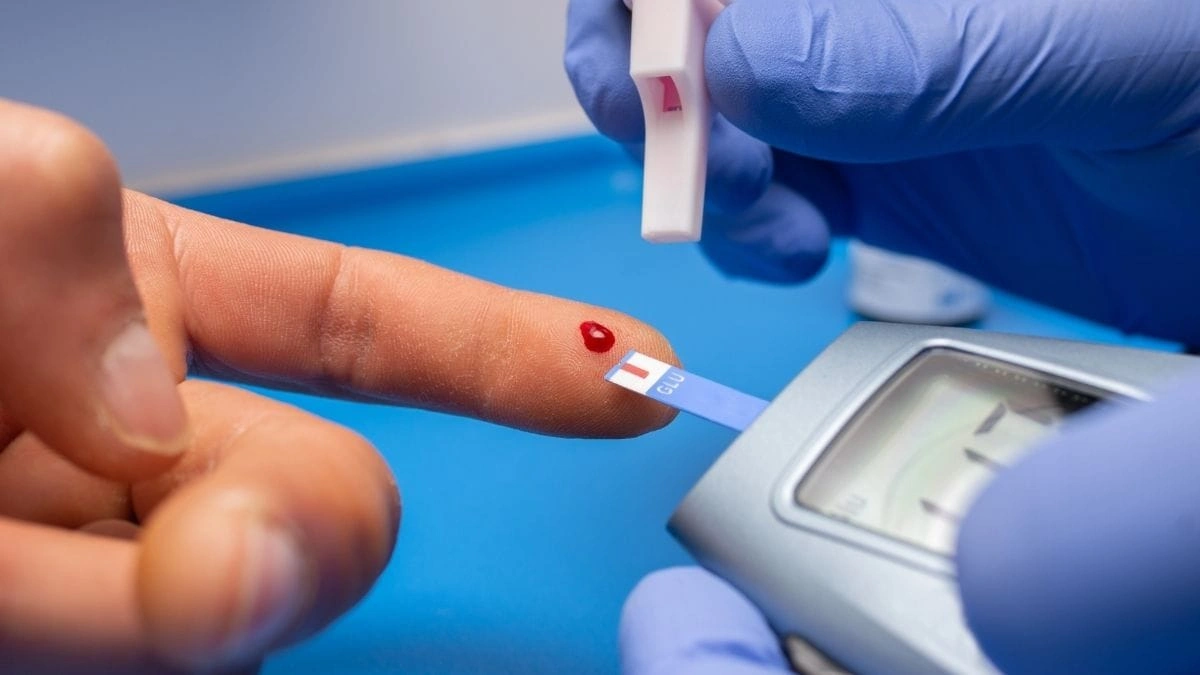
If there is one hidden factor accelerating cognitive decline, it is unstable blood sugar.
Even people without diabetes can experience chronic spikes from refined carbs and sugar-heavy diets. These spikes trigger inflammation and damage small blood vessels — including those in the brain.
Harvard researchers link high blood sugar to increased risk of memory loss and dementia over time.
The solution is not extreme dieting. It is steadiness.
Meals built around fiber, protein, and healthy fats digest slowly. They keep energy stable. The brain thrives on predictability.
A simple rule helps:
If a food spikes your energy fast, it likely crashes your brain later.
Stable energy equals stable thinking.
Movement: The Brain’s Natural Fertilizer
Exercise is not just for the body. It is biochemical brain medicine.
When you move, your brain releases a growth factor called BDNF. Think of BDNF as fertilizer for neurons. It protects cells and encourages new connections.
Harvard research shows that regular aerobic activity improves memory centers and slows age-related shrinkage.
This does not require marathon training.

Walking briskly
cycling
swimming
dancing
strength training
Even 30 minutes most days creates measurable brain benefits.
Movement sends a message: This brain is needed. Keep it strong.
Sleep Is Brain Maintenance

Many adults treat sleep like a luxury. The brain treats it like survival.
During deep sleep, the brain clears waste proteins that accumulate during waking hours. When sleep is cut short, those toxins remain. Over years, buildup is linked to neurodegenerative disease.
Harvard sleep labs emphasize that memory consolidation happens at night. Learning without sleep is like writing on water.
Good sleep is not passive. It is active repair.
Protecting sleep may be one of the most powerful anti-aging tools available — and it costs nothing.
The Role of Mental Challenge
Brains weaken when they are underused. Comfort zones shrink neural networks.
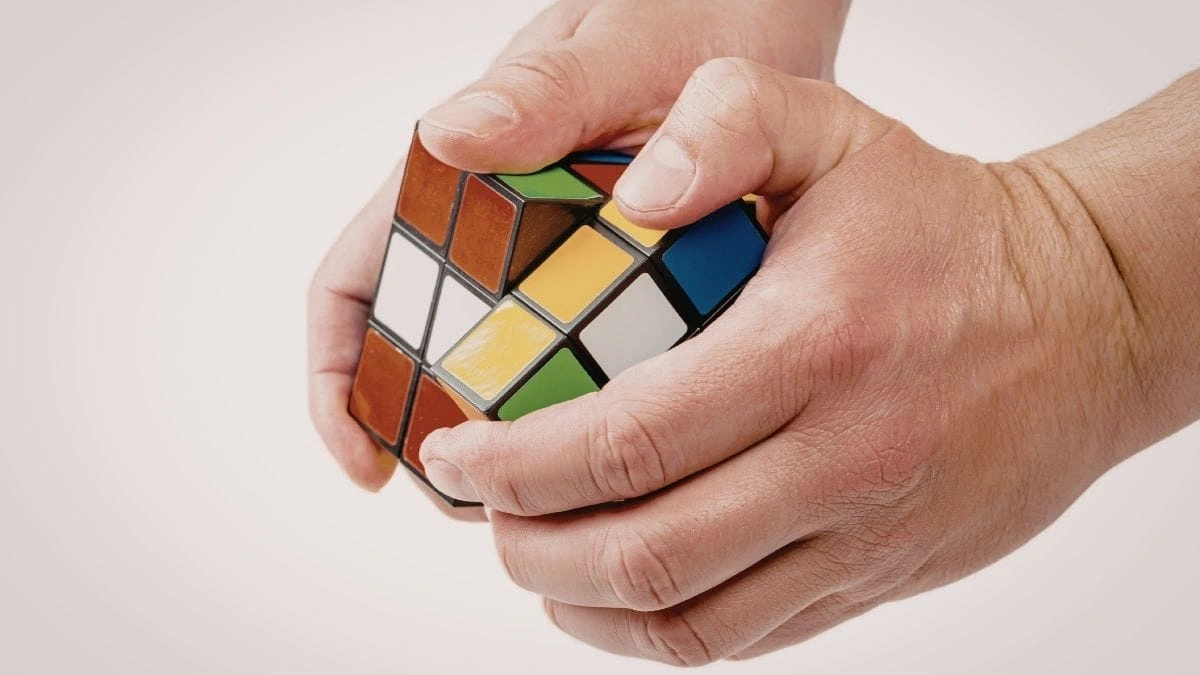
Learning new skills forces the brain to adapt:
a language
an instrument
a complex hobby
problem-solving games
reading deeply
creative work
Harvard cognitive studies show that adults who continue learning maintain sharper executive function.
The brain does not care how old you are. It responds to demand.
Challenge equals growth.
Social Connection Is Cognitive Protection
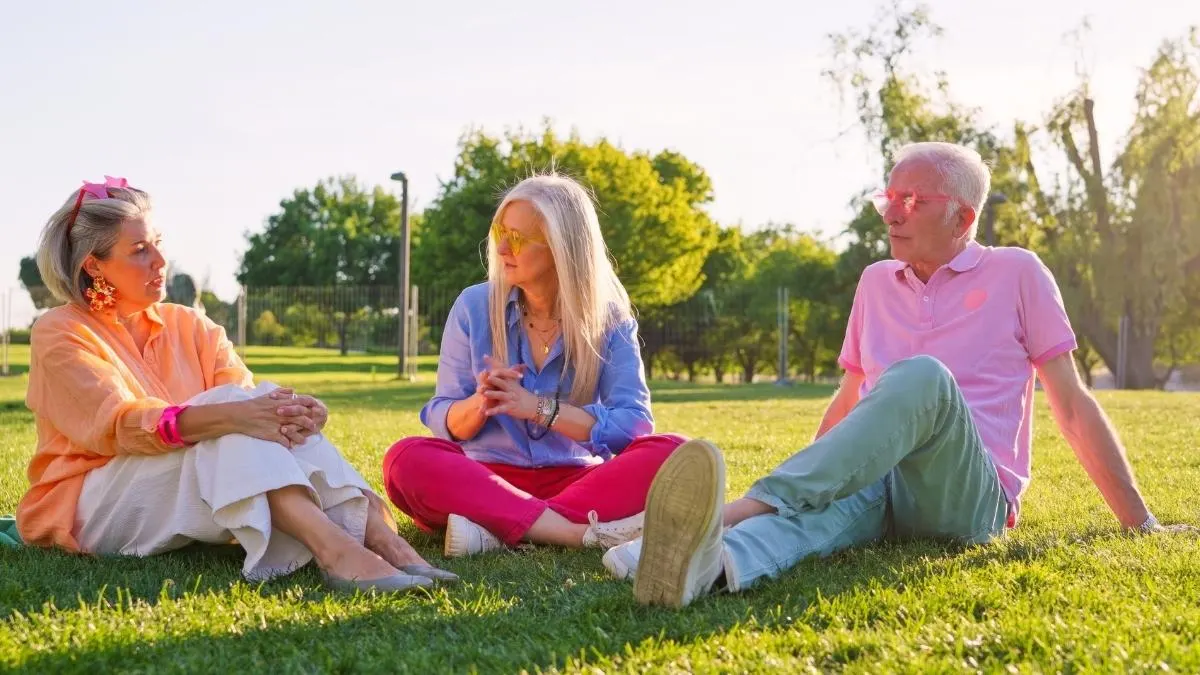
Isolation harms the brain in ways similar to smoking or inactivity.
Human connection stimulates emotional and cognitive circuits. Conversation requires memory, empathy, language, and interpretation. It is full-brain exercise.
Harvard’s long-running adult development study links strong relationships with better mental health and slower cognitive decline.
Loneliness is not just emotional. It is neurological.
Friendship protects the brain.
The Biggest Shift: Stop Thinking of Aging as Decline
Here is the most important insight Harvard researchers repeat:
The brain is not fragile glass.
It is resilient tissue shaped by daily choices.
When people believe decline is unavoidable, they disengage. They stop challenging themselves. They accept deterioration as fate.
That belief becomes self-fulfilling.
But when people understand neuroplasticity, behavior changes. Movement increases. Diet improves. Learning continues. Social ties strengthen.
And the brain responds.
Not perfectly. Not magically. But measurably.
Aging becomes adaptation instead of collapse.
This is the real fight back.
Practical Daily Blueprint
You do not need a complete life overhaul. Small consistent actions matter more than extreme bursts.
A simple brain-protective day might look like:
- a morning walk
- leafy greens or berries with breakfast
- focused work or learning block
- balanced meals without sugar spikes
- meaningful conversation
- evening wind-down for sleep
No heroics. Just rhythm.
Brains love rhythm.
Consistency beats intensity.
Why This Matters More Than Ever
We are living longer than any generation before. Longevity without cognitive strength is not freedom. It is fear.
Harvard’s message is clear: brain aging is influenced. It is not random drift.
Every meal
every step
every hour of sleep
every conversation
every new idea
These are votes for your future brain.
The question is not whether aging happens.
The question is how you age.
And that remains, to a surprising degree, in your control.
Final Thought:
Your brain is not quietly shutting down. It is listening to how you live. Harvard research shows that aging does not erase strength — neglect does.
Feed the brain well, move often, sleep deeply, stay curious, stay connected. The fight back is not dramatic. It is daily. And it works.