

Margaret never thought she would feel embarrassed talking about her digestion. She had always been active, independent, and careful about her health.
But after turning 62, she started noticing something uncomfortable. Days would pass without a proper bowel movement. She felt bloated, tired, and frustrated.
At first, she ignored it. She thought it was just part of getting older. Then she started relying on over-the-counter remedies.
Some worked for a day or two. Others caused stomach cramps. Nothing solved the problem for long.
Margaret later learned she was not alone. Many adults silently struggle with constipation after 60, but few talk about it openly.
What surprised her most was discovering that the solution was not complicated. It required small, steady changes that supported her gut naturally.
Here is what health experts and digestive specialists wish more older adults understood about fixing constipation safely and effectively.
#1 – Aging Naturally Slows Down Digestion
Many people assume constipation only happens because of diet. Experts explain that aging itself slows down the digestive system.
As you grow older, muscles in the digestive tract become less active.
The colon moves waste more slowly, which causes stool to become dry and difficult to pass. Nerve signals that control bowel movements also weaken with age.
Margaret learned that ignoring bowel signals made things worse. Holding bowel movements allows the colon to absorb more water from stool, making constipation more severe.
Experts recommend responding to the urge to go to the bathroom without delay. Creating a regular bathroom routine can help train the body to move waste more smoothly.
#2 – Fiber Intake Often Drops Without People Realizing
Fiber plays a major role in keeping bowel movements regular. It adds bulk to stool and helps it move easily through the digestive system.
Many adults unknowingly reduce fiber intake as they age. Appetite changes, dental issues, and smaller meal portions often lead to less fiber consumption.
Margaret noticed she relied heavily on toast, tea, and simple meals. These foods were comforting but lacked enough fiber. When she increased fiber slowly, her digestion began improving.
Experts suggest adding fiber-rich foods such as:
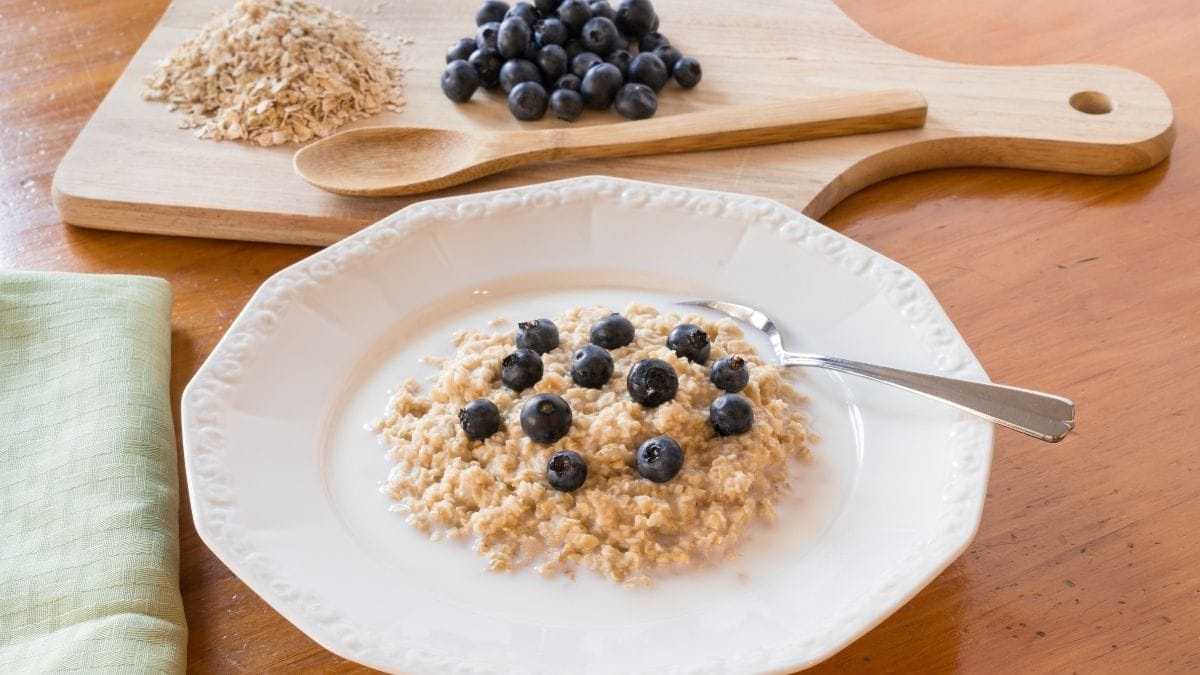
- Oats and whole grains
- Fresh fruits like apples, pears, and berries
- Vegetables like carrots, spinach, and broccoli
- Beans and lentils
- Nuts and seeds
Increasing fiber gradually is important. A sudden increase may cause bloating or gas. Drinking enough water helps fiber work effectively.
#3 – Hydration Is More Important Than Most People Think

Dehydration is a hidden cause of constipation. As people age, their sense of thirst often decreases. Many older adults drink less water without realizing it.
Water keeps stool soft and easier to pass. Without enough fluid, stool becomes hard and difficult to move through the colon.
Margaret noticed she drank tea throughout the day but rarely drank plain water. Once she started tracking her water intake, she saw significant improvement in her symptoms.
Experts suggest spreading water intake evenly throughout the day. Soups, herbal teas, and water-rich fruits can also support hydration.
Maintaining hydration is one of the simplest and most effective ways to reduce constipation after 60.
#4 – Physical Activity Stimulates Gut Movement
Movement plays a powerful role in digestion. Exercise stimulates intestinal muscles and helps waste move through the colon more efficiently.
Many older adults reduce activity levels due to joint pain or lifestyle changes. Unfortunately, reduced movement often worsens constipation.
Margaret began taking short daily walks. She also added gentle stretching exercises recommended by her doctor. Within weeks, she noticed her digestion becoming more regular.
Experts suggest simple activities such as:

- Walking for 20 to 30 minutes daily
- Gentle yoga or stretching
- Light household activities
- Swimming or water aerobics
Even small amounts of movement can significantly improve bowel function.
#5 – Gut Bacteria Play a Bigger Role Than Expected
The gut contains trillions of beneficial bacteria that support digestion and immune health. Aging, medications, and poor diet can disturb this balance.
Margaret’s doctor explained that improving gut bacteria could help restore natural bowel movements. She began adding probiotic foods and noticed gradual improvements.
Foods that support healthy gut bacteria include:

- Yogurt with live cultures
- Kefir
- Fermented vegetables like sauerkraut
- Fiber-rich plant foods
Probiotics help improve stool consistency and support regular digestion. A healthy gut environment makes it easier for the digestive system to function naturally.
#6 – Some Medications Can Trigger Constipation

Many older adults take medications for blood pressure, pain relief, or chronic conditions. Some medications slow intestinal movement and cause constipation.
Margaret discovered one of her medications contributed to her symptoms. After discussing it with her doctor, she adjusted her treatment plan safely.
Experts strongly advise never stopping medication without medical guidance. However, discussing digestive side effects with healthcare providers can lead to safer alternatives or supportive treatments.
Understanding medication effects is essential for managing long-term digestive health.
#7 – Establishing a Daily Routine Helps Train the Body
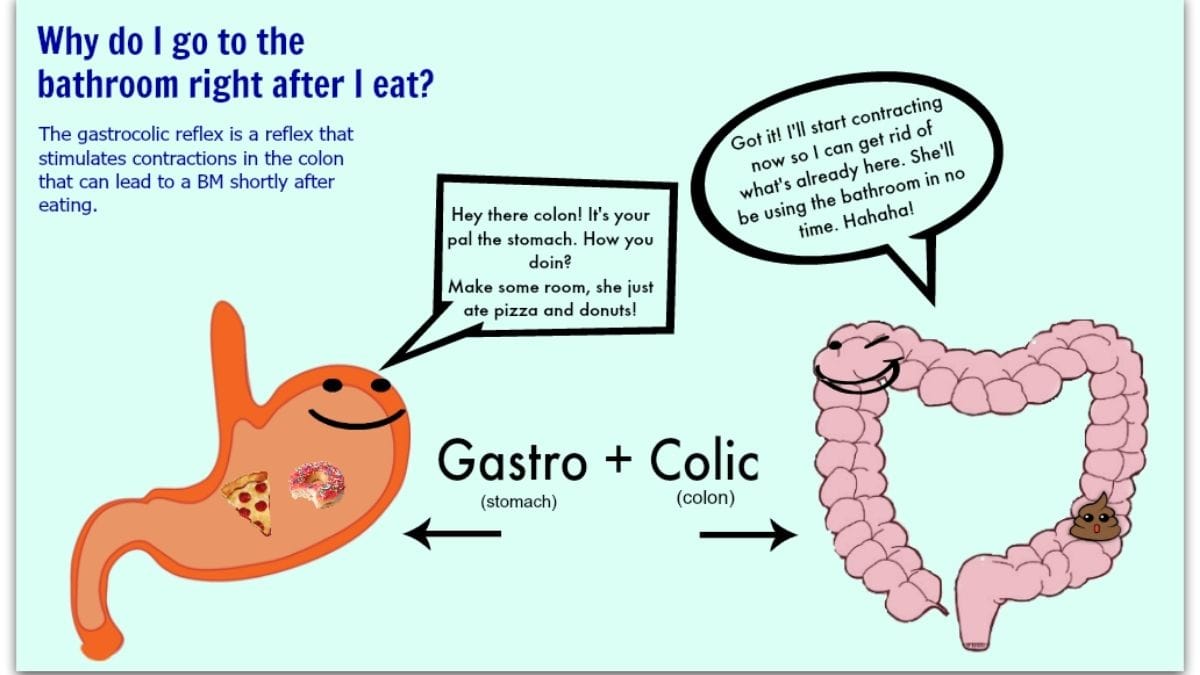
The digestive system responds well to routine. Irregular eating and sleeping patterns can confuse bowel signals.
Margaret started eating meals at consistent times and sitting on the toilet for a few minutes after breakfast. This timing works well because digestion becomes more active after meals.
Experts call this the gastrocolic reflex. It stimulates bowel movement shortly after eating.
Creating a daily bathroom routine helps the body develop predictable bowel habits. Over time, this routine can reduce reliance on laxatives.
#8 – Stress and Emotional Health Affect Digestion
Many people overlook the connection between mental health and gut health. Stress can slow digestion and disrupt bowel movements.
Margaret realized her symptoms worsened during stressful family situations. When she began practicing relaxation techniques, her digestion improved noticeably.
Experts recommend stress-reducing habits such as:

- Deep breathing exercises
- Meditation or prayer
- Spending time outdoors
- Engaging in enjoyable hobbies
- Maintaining social connections
A calm nervous system supports better digestive function and helps reduce constipation after 60.
#9 – Overusing Laxatives Can Make Constipation Worse

Laxatives can provide temporary relief, but frequent use may weaken natural bowel function. The colon may begin relying on stimulants rather than working independently.
Margaret initially used laxatives regularly. Over time, they became less effective. Her doctor recommended focusing on natural digestive support instead.
Experts suggest using laxatives only when medically necessary and under professional guidance. Long-term relief usually requires lifestyle changes rather than quick solutions.
#10 – Small Lifestyle Changes Often Create Lasting Results

Margaret expected one single solution to fix her problem. Instead, she learned that digestion improves when multiple healthy habits work together.
Her routine eventually included:
- Eating fiber-rich meals
- Drinking enough water
- Walking daily
- Adding probiotic foods
- Managing stress
- Maintaining a regular bathroom schedule
Within a few months, her digestion became predictable and comfortable. She felt more energetic and confident in her daily life.
Experts emphasize that consistency matters more than perfection. Small, steady changes often produce the strongest long-term results.
Conclusion
Constipation can feel frustrating and uncomfortable, especially when it seems like a normal part of aging. However, digestive specialists stress that chronic constipation should never be ignored.
Understanding how aging affects digestion allows people to make informed decisions about their health.
Improving nutrition, hydration, movement, and gut balance can significantly improve digestive comfort.
Margaret’s experience reflects what many older adults discover. The most effective solutions are often simple, natural, and sustainable.
Addressing the root causes of constipation after 60 can restore comfort, confidence, and overall well-being.
Taking care of gut health supports more than digestion. It improves energy levels, strengthens immunity, and enhances quality of life. With the right daily habits, maintaining healthy digestion after 60 is completely possible.