
If you’re over 70 and feeling more tired than usual, your diet might need a tune-up—not a total overhaul.
You’re not imagining it. Your body works differently now. You might notice less energy for your morning walk. Maybe climbing stairs feels harder. Or you’re losing strength you used to have.
Here’s the good news: food can fix a lot of this.
This article shows you 9 science-backed foods that help you stay fit and energized after 70. These aren’t exotic superfoods you’ve never heard of.
They’re real foods you can buy at any grocery store. Foods that help you maintain muscle mass, boost energy levels, and keep your brain sharp.
You’ll learn exactly what to eat, why it works, and how to add these foods to your meals without stress.
No complicated meal plans. No expensive supplements. Just smart food choices that work with your body’s changing needs.
Let’s start with why your nutrition needs have changed.
Why Nutrition Changes After 70
Your body isn’t broken. It’s just different now.

After 70, you need more protein than younger adults. The old rule was 0.8 grams per kilogram of body weight. Now you need 1.0 to 1.2 grams. That’s about 25-30% more protein at every meal.
Why? Your muscles don’t respond to protein the way they used to. Scientists call this “anabolic resistance.” It means your body needs more protein to do the same job.
Here’s what else changes. Your metabolism slows by 3-8% every decade after 30.
Muscle mass drops 3-8% per decade too, speeding up after 60. By age 80, you could lose 30% of your muscle without changing what you eat.
And get this: 46% of adults over 51 don’t get enough protein. That affects your energy levels after 70 more than you think.
Your body also absorbs nutrients less efficiently now. You need nutrient-dense foods that pack more punch per bite. This matters for muscle preservation and staying active.
Let’s look at the foods that help.
1-Fatty Fish (Salmon, Mackerel, Sardines)
Your brain shrinks as you age. Fatty fish helps stop that.
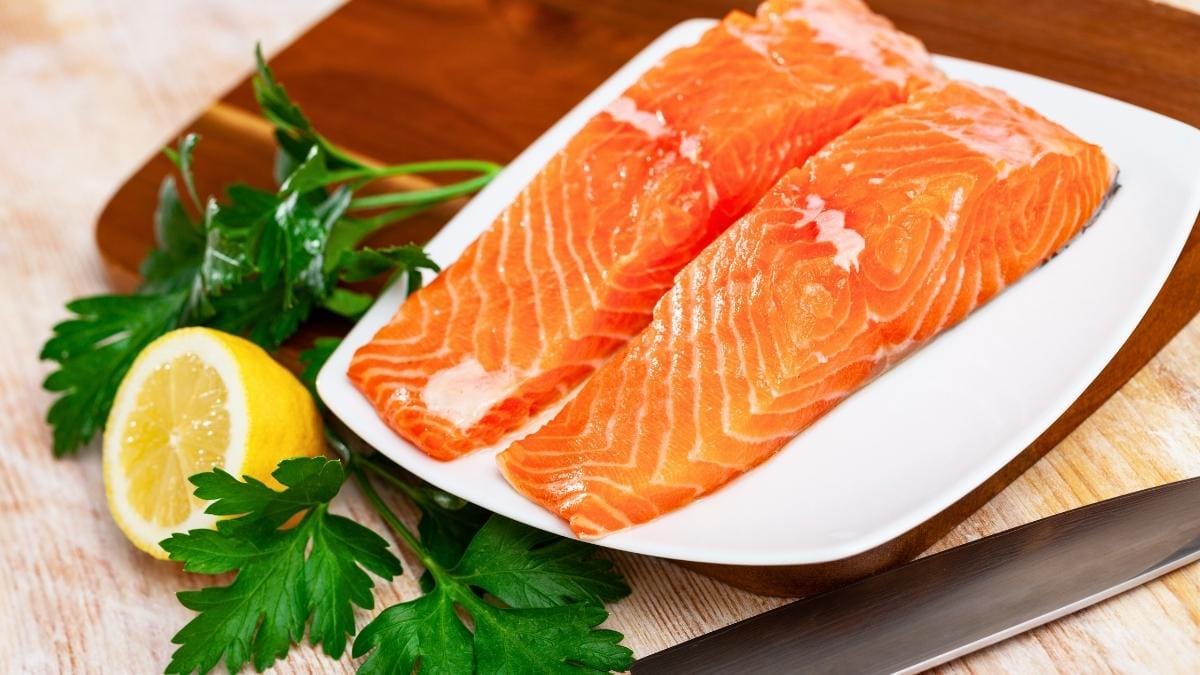
One serving of salmon (3.5 ounces) gives you 2.2 grams of omega-3 fatty acids. These fats do something amazing.
People with higher omega-3 levels have larger hippocampus volumes. That’s the part of your brain that handles learning and memory.
Research shows eating fish once a week slows cognitive decline by 10%. Twice a week? It jumps to 13% slower decline.
You also get 20 grams of protein per 3-ounce serving. That’s nearly what you need for one meal. The protein helps maintain muscle mass while the omega-3s protect your brain.
Don’t like cooking fish? Use canned. Canned salmon, sardines, and tuna work just as well and cost less. They’re already cooked. Just open and eat.
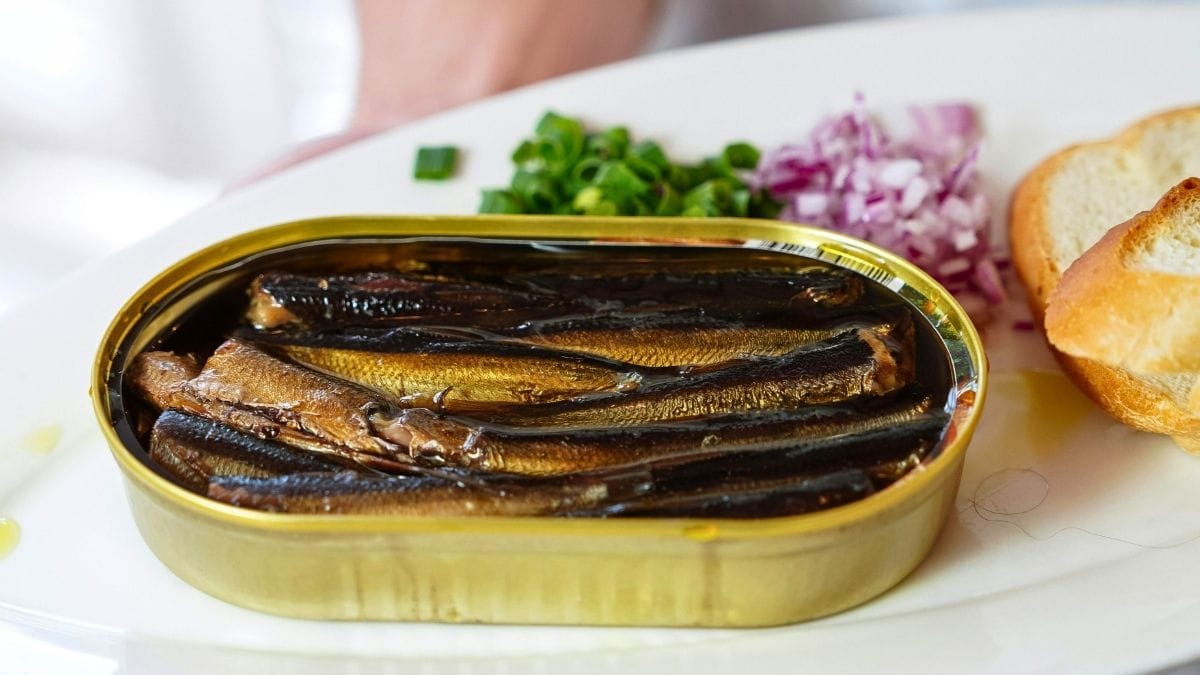
Pick salmon, anchovies, sardines, Pacific oysters, or trout. These have high omega-3s and low mercury.
Try this: Mix canned salmon with Greek yogurt and dill. Spread on whole grain crackers. Or add sardines to salads. Your brain will thank you.
2-Blueberries and Other Berries
Blueberries might be the closest thing to a brain pill.
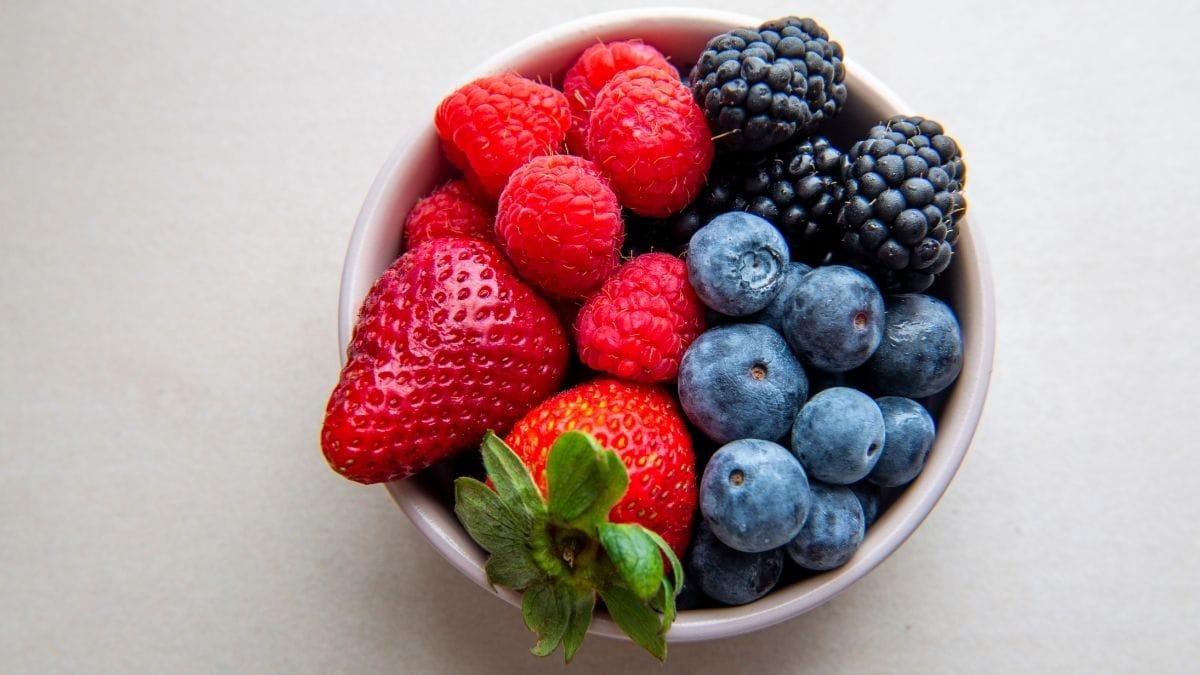
In one study, adults 50-65 with memory problems ate half a cup of blueberries daily for 12 weeks. Their executive function improved. That means better planning, focus, and decision-making.
Wild blueberries are even better. They have 33% more anthocyanins and twice the antioxidants than regular blueberries. Anthocyanins are plant compounds that protect your brain cells from damage.
Here’s the best part. Older adults with mild cognitive impairment took wild blueberry powder for six months. Their processing speed improved so much they matched people without memory problems.
One cup has only 84 calories and 21.5 grams of carbs. They’re 85% water, so they keep you hydrated too.
Fresh or frozen work the same. Frozen blueberries cost less and last longer. Add them to oatmeal, yogurt, or smoothies. Eat them straight as a snack.
The MIND diet recommends at least 2 servings of berries weekly. Strawberries and raspberries count too.
Keep a bag in your freezer. Grab a handful when you want something sweet.
3-Dark Leafy Greens (Spinach, Kale, Collards)
Eating one cup of leafy greens daily makes your brain 11 years younger.
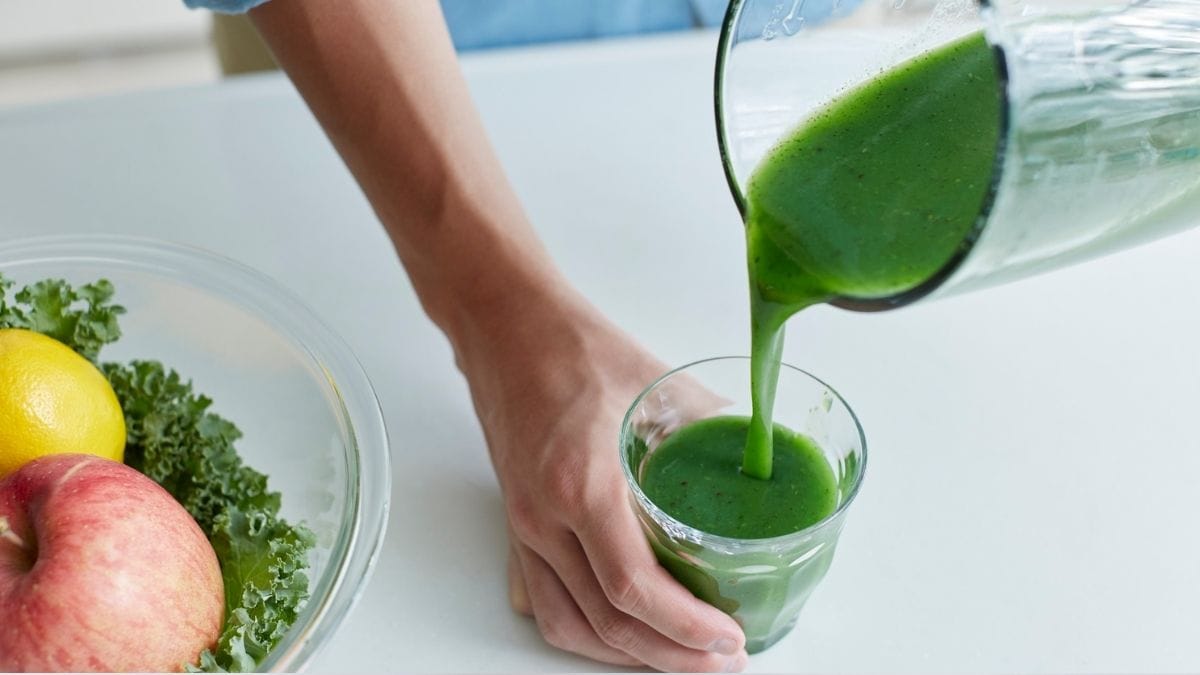
That’s not hype. It’s science. Researchers found people who ate leafy greens every day had much slower cognitive decline. Their brain function matched people 11 years younger.
Kale is a vitamin K powerhouse. One cup of cooked kale has 1,062 micrograms. That’s over 1,300% of what you need daily.
Vitamin K helps calcium enter your bones instead of staying in your blood. Stronger bones mean less fracture risk.
These greens also pack calcium, vitamin E, lutein, and folate. All protect your brain and bones.
One cup of cooked turnip greens gives you 200mg calcium. That’s 20% of your daily goal.
Don’t love the taste? Mix baby spinach or kale into fruit smoothies. The fruit masks the flavor. Or sauté greens with garlic and olive oil. Steam them and add lemon juice.
Baby greens are more tender than mature leaves. Start there if you’re new to greens.
Add a handful to soups, eggs, or pasta. Easy wins.
4-Greek Yogurt
Greek yogurt builds muscle and bone at the same time.
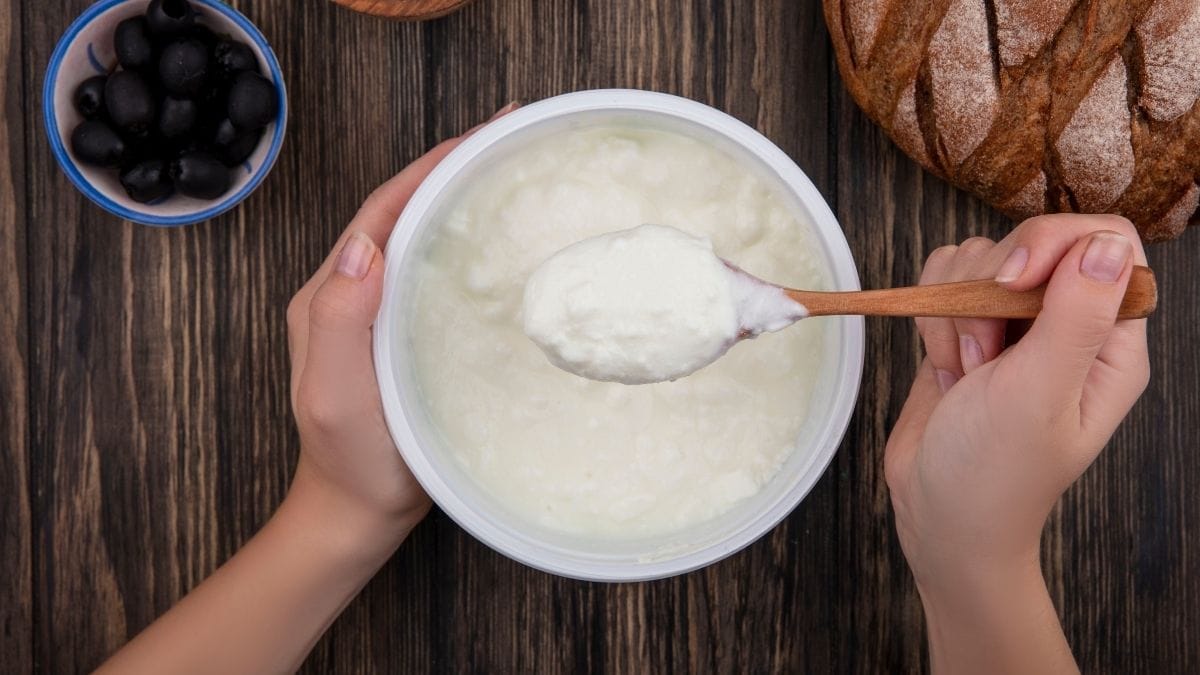
One serving (175 grams) gives you 17 grams of protein and 200-250mg calcium. That’s a double win. The protein helps maintain muscle mass. The calcium protects your bones.
Studies show Greek yogurt plus exercise increases bone formation. Your bones don’t just stop breaking down. They actually build new bone tissue.
Greek yogurt has more protein than regular yogurt because it’s strained. The straining removes liquid whey, concentrating the protein.
It also contains probiotics. These good bacteria support your digestive system. Better digestion means you absorb more nutrients from all your food.
Here’s the catch: flavored yogurts often have 10+ grams of added sugar. That’s 2.5 teaspoons of sugar per serving. Skip those.
Buy plain Greek yogurt instead. Add fresh berries and a drizzle of honey if you want sweetness. Or mix in nuts for crunch.
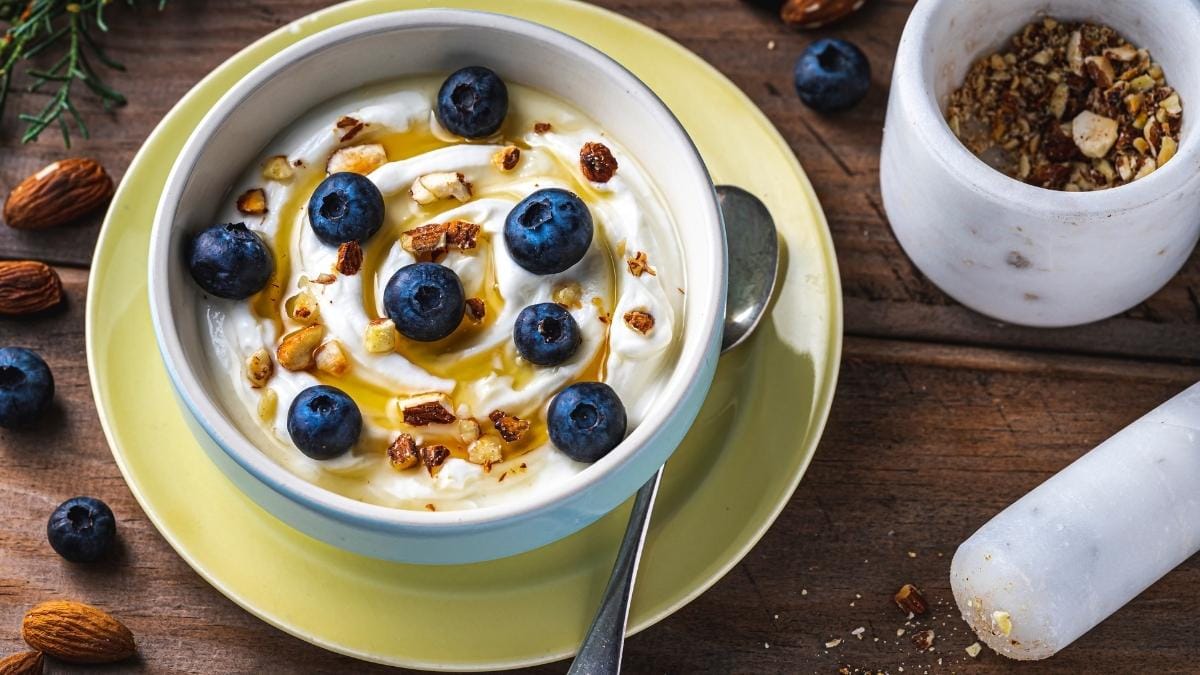
Use it as sour cream on baked potatoes. Replace mayonnaise in chicken salad with Greek yogurt. Blend it into smoothies for extra protein.
Keep cups in your fridge for easy snacks.
5-Eggs
Eggs are brain food that costs less than a dollar per serving.
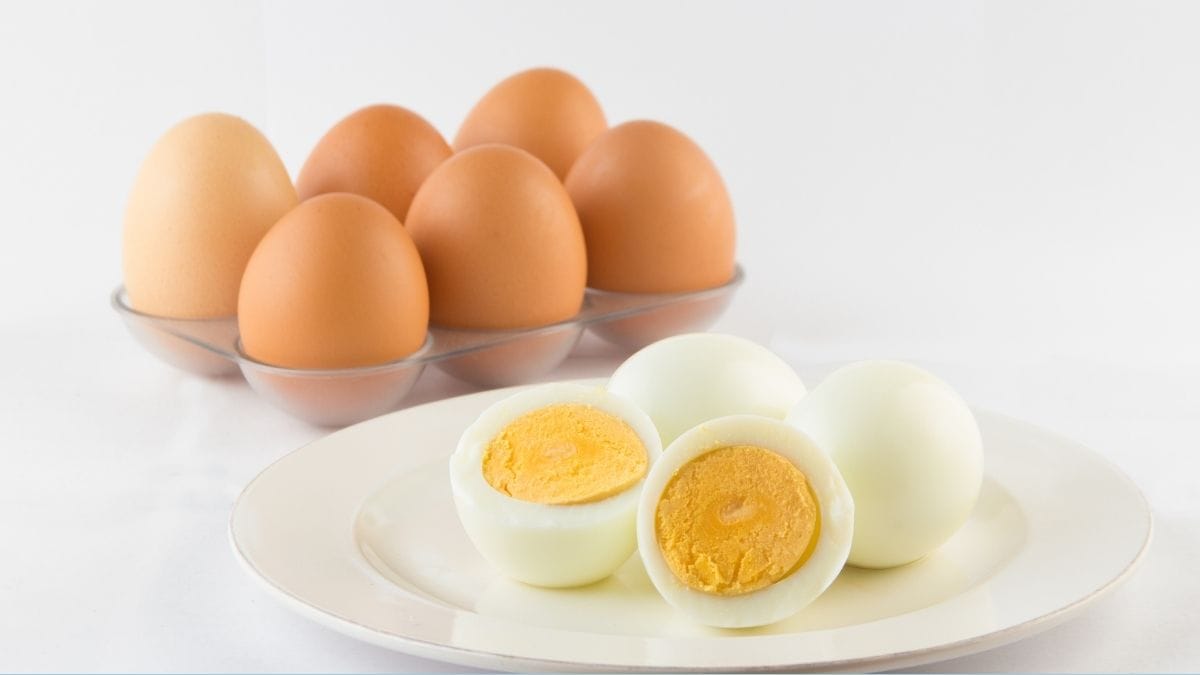
Your brain needs vitamin B12 to stay healthy. Without enough B12, your brain can actually shrink. Eggs give you B12 plus vitamin D for bones and immunity.
The yolk contains choline. Your brain converts choline into acetylcholine, a neurotransmitter that improves memory. Most people don’t get enough choline.
One egg has 6-7 grams of protein. Eat two eggs and you’ve got over 12 grams. That’s almost half of what you need for breakfast.
Eggs work for any meal. Scramble them for breakfast. Make egg salad for lunch. Add a hard-boiled egg to your dinner salad.
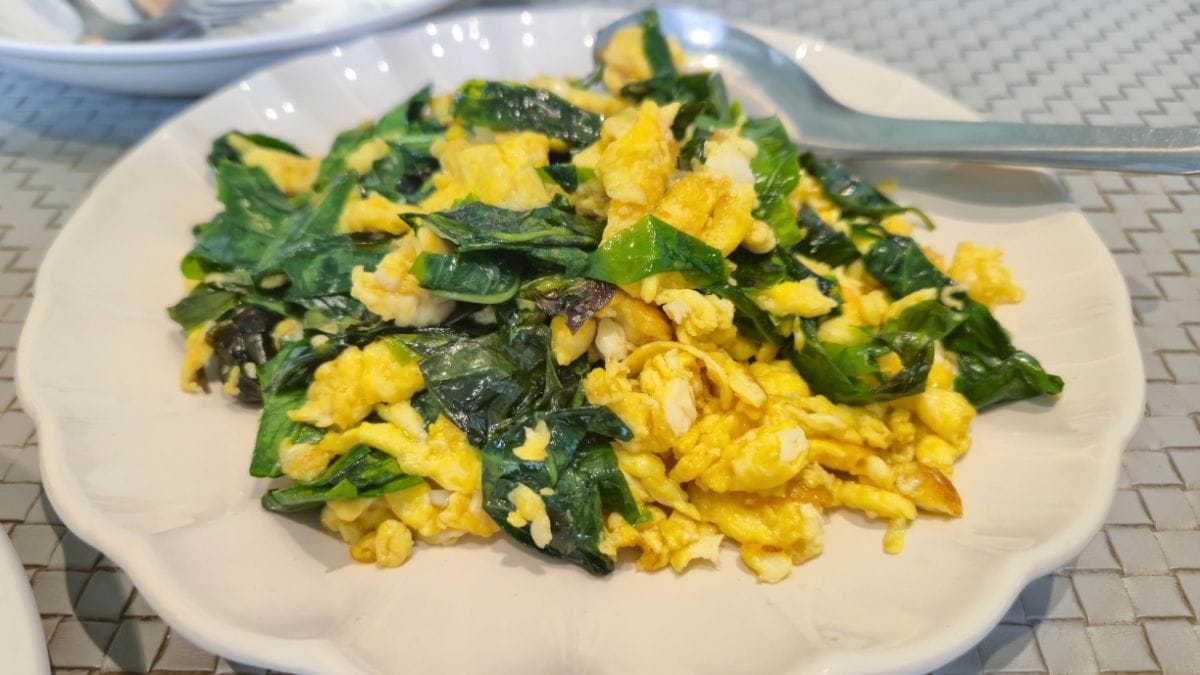
Hard-boiled eggs make perfect portable snacks. Boil a dozen on Sunday. Keep them in your fridge all week.
Don’t worry about cholesterol. Research shows dietary cholesterol from eggs doesn’t raise blood cholesterol for most people.
Try this: Scramble eggs with spinach and tomatoes. Serve on whole grain toast. You’ve combined three brain-healthy foods in one meal.
Eggs are affordable protein that lasts in your fridge for weeks.
6-Lean Poultry (Chicken and Turkey)
Chicken delivers 26 grams of protein in a 3-ounce serving.
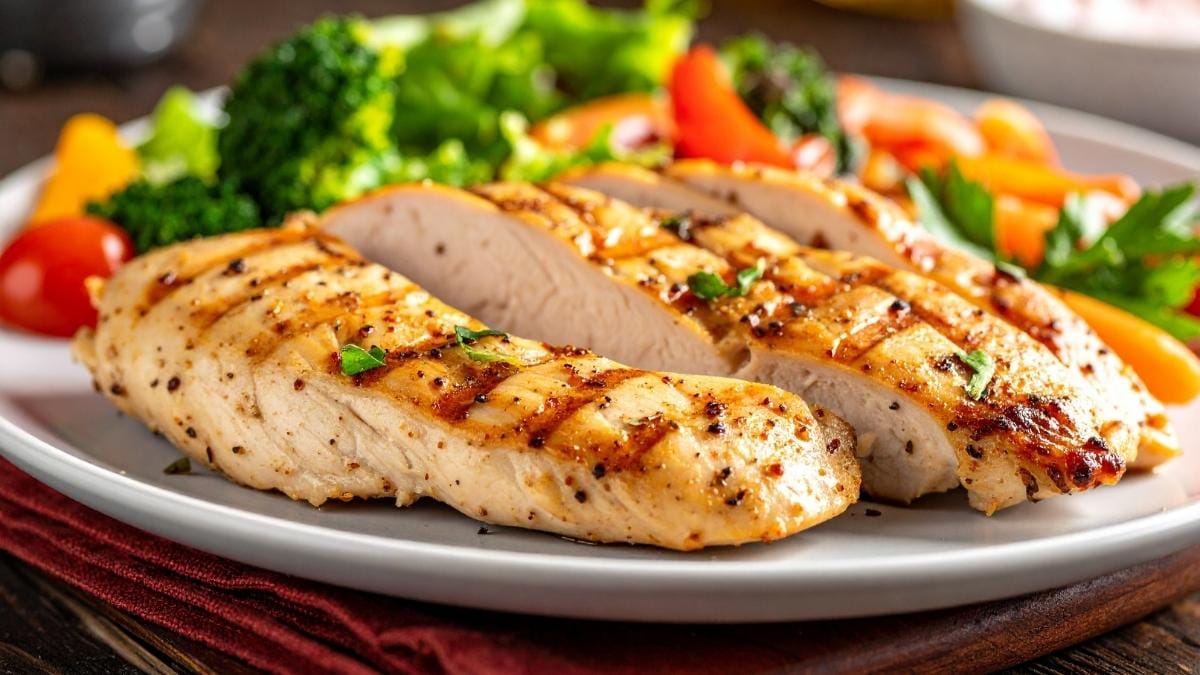
That’s more protein than most foods. Your muscles need that protein to stay strong. Without enough protein, your body breaks down muscle for energy. That’s how you lose strength.
Poultry also provides iron and B vitamins. These help with energy and cognitive function. When you feel tired, low iron might be why.
Chicken and turkey have less saturated fat than red meat. Less saturated fat means better heart health. Your heart works hard at 70. Give it a break.
The best part? Poultry is easy to digest. Some older adults find red meat sits heavy in their stomach. Chicken doesn’t do that.
Buy a rotisserie chicken from the grocery store. Pull the meat off and use it all week. Add it to salads, soups, or grain bowls. Make chicken salad with Greek yogurt.

Bake chicken breasts with olive oil and herbs. Slow cook thighs with vegetables. Use ground turkey in pasta sauce.
Chicken freezes well too. Stock your freezer when it’s on sale.
7-Nuts and Seeds (Walnuts, Almonds, Flaxseeds)
Walnuts contain DHA, the same omega-3 in fish.
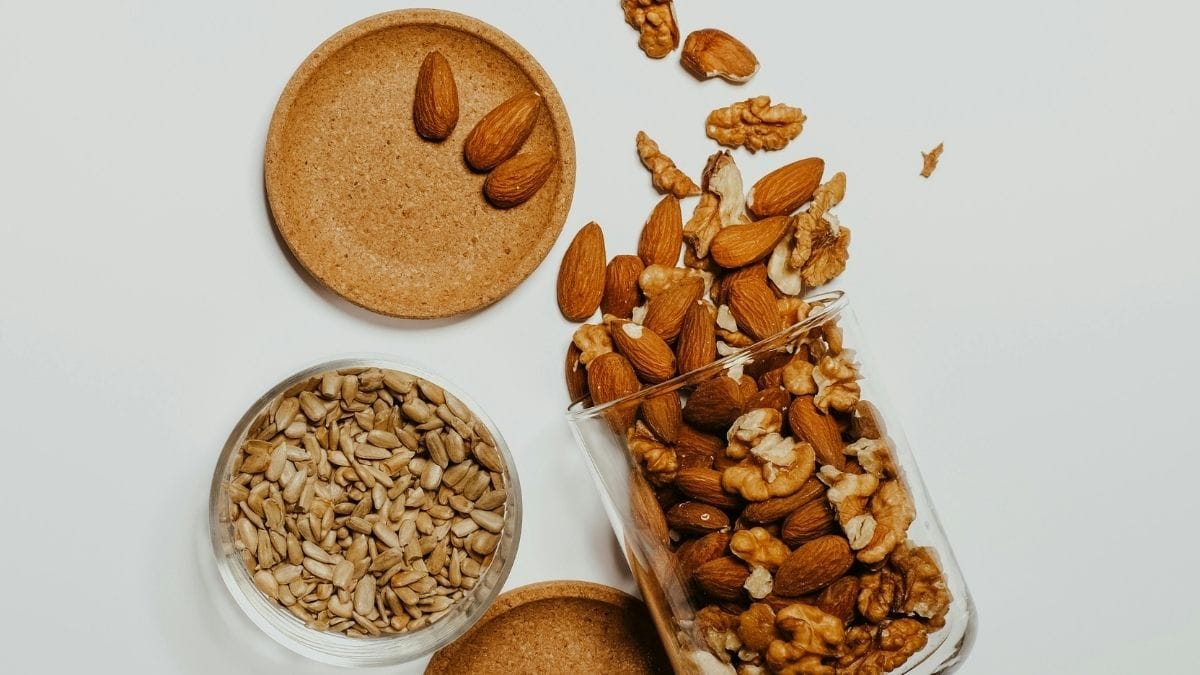
DHA improves cognitive performance and prevents age-related cognitive decline. Walnuts are one of the few plant foods with significant DHA.
Almonds and hazelnuts pack vitamin E. This vitamin is linked to better brain function as you age. Most people don’t get enough vitamin E from food.
Nuts give you healthy fats, protein, and fiber in one small package. They’re filling despite being small. The fiber and healthy fats keep your blood sugar stable.
One ounce (a small handful) is a daily serving. That’s about 23 almonds or 14 walnut halves.
Sprinkle nuts on yogurt or oatmeal. Add them to salads for crunch. Spread almond butter on whole grain toast.
Ground flaxseeds blend into smoothies without changing the taste. They add fiber and omega-3s. Buy whole flaxseeds and grind them in a coffee grinder. Pre-ground flaxseed goes bad faster.
Make your own trail mix with nuts, seeds, and a little dried fruit. Keep small bags in your purse or car for when you’re out.
Nuts are heart-healthy snacks that protect your brain.
8-Whole Grains (Oats, Brown Rice, Quinoa)
People who ate the most whole grains in midlife were 29% more likely to be healthy at 70.
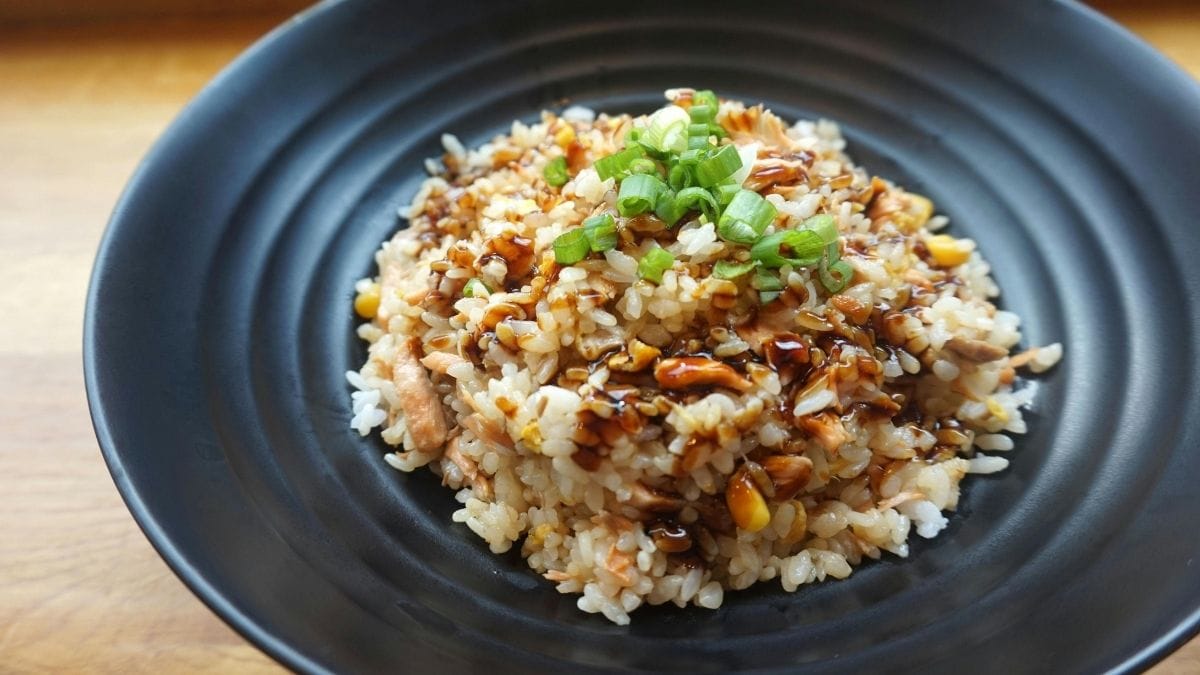
That’s from a major study on healthy aging. The secret? Complex carbohydrates from whole grains give steady energy all day. No sugar crashes. No afternoon slump.
White bread and white rice spike your blood sugar, then drop it fast. That’s why you feel tired after eating them. Brown rice and quinoa release energy slowly. You stay energized for hours.
Whole grains also have B vitamins for energy production. Plus fiber for digestive health and stable blood sugar.
Start your day with steel-cut or rolled oats. They’re better than instant oatmeal, which is more processed. Top oats with berries and nuts.
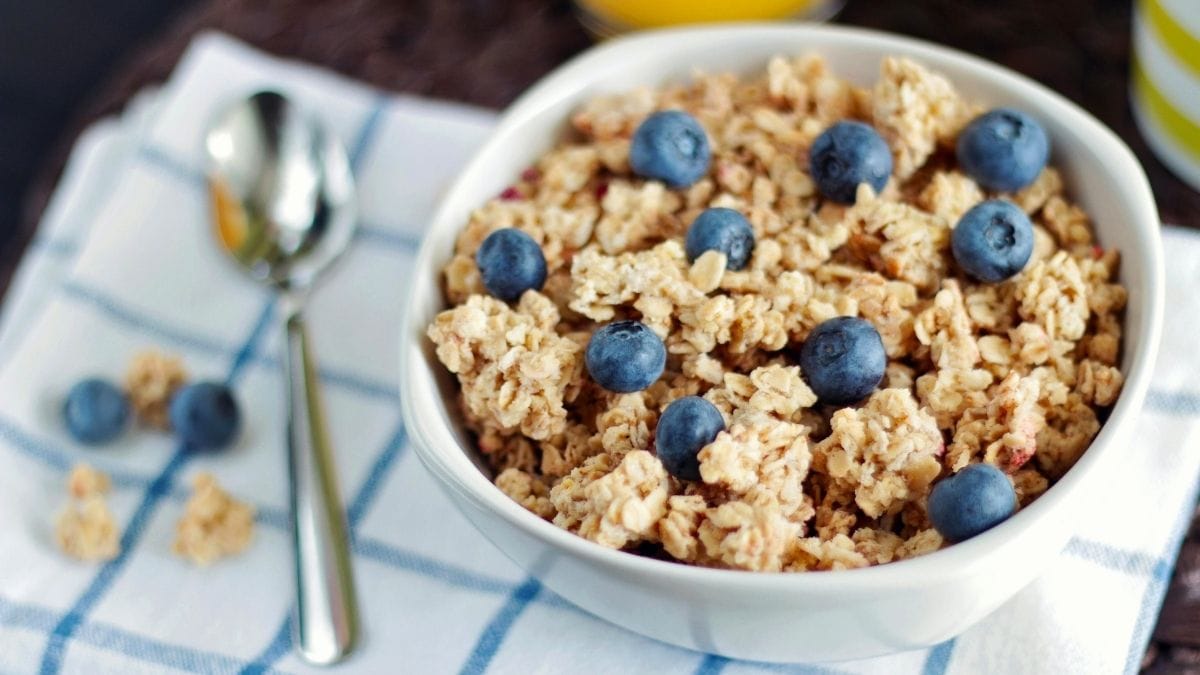
Use brown rice or quinoa as side dishes. Try whole wheat pasta instead of white. Switch to whole grain bread and crackers.
Aim for 3 servings of whole grains daily. One serving is half a cup of cooked grains or one slice of whole grain bread.
Read labels. “Whole grain” should be the first ingredient. “Wheat flour” isn’t whole grain. Look for “whole wheat flour.”
9-Sweet Potatoes
Sweet potatoes protect your bones in a way most people don’t know about.

One medium sweet potato has 542mg of potassium. Potassium neutralizes acid in your body. Why does that matter? Acid leaches calcium from your bones. Potassium stops that process.
You also get 31mg of magnesium. Magnesium helps your body use calcium properly. Having calcium means nothing if your body can’t use it.
Sweet potatoes are high in fiber and vitamin A. The fiber keeps you full and helps with digestion. Vitamin A supports eye health.
They provide steady energy from complex carbohydrates. Plus they taste sweet without any added sugar.
Bake them in the oven at 400°F for 45 minutes. The skin gets crispy and the inside gets soft. Eat the skin too—it has fiber.
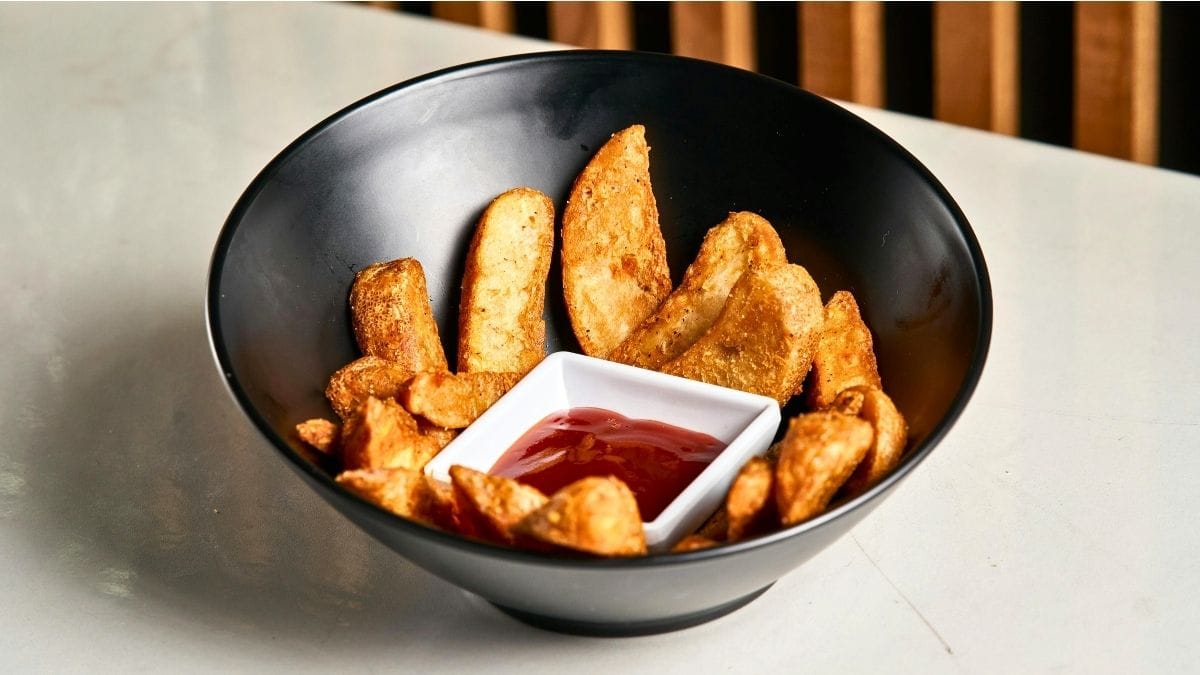
Cut them into wedges, toss with olive oil, and bake for homemade fries. Mash them like regular potatoes. Add them to soups and stews.
Sweet potatoes work for any meal. Try one for breakfast with eggs. Have one as a side at dinner. They’re versatile and filling.
How to Incorporate These Foods Into Your Daily Routine
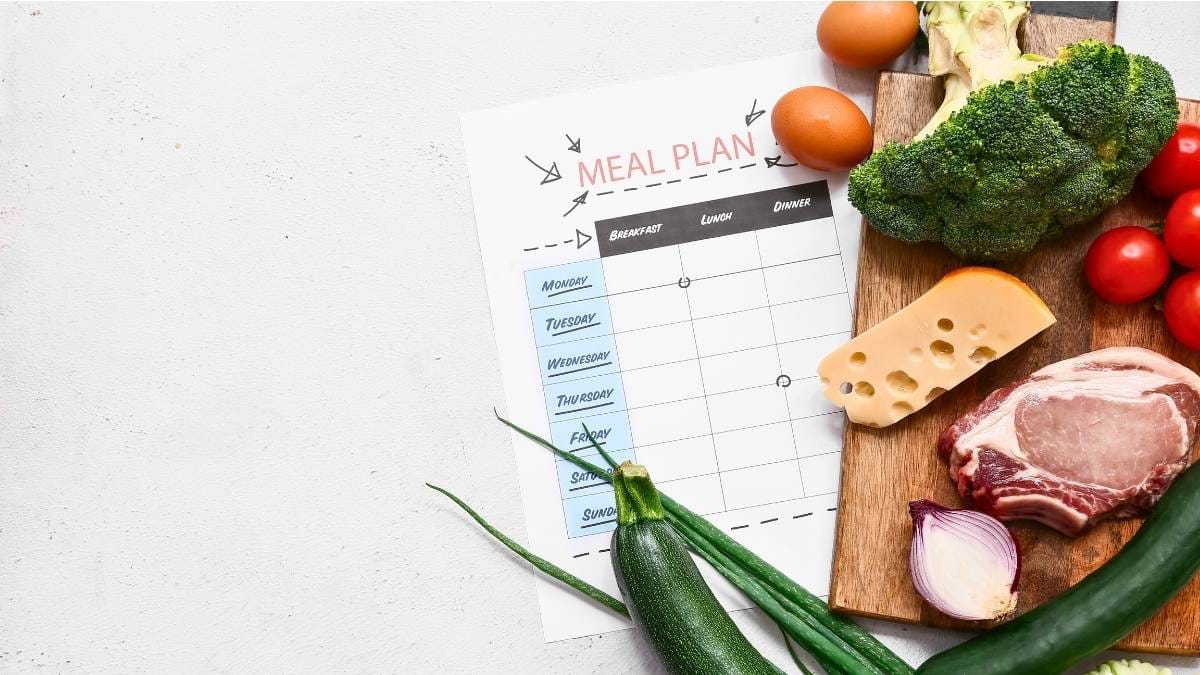
Don’t try all 9 foods at once. That’s too much.
Pick 2 foods from this list. Add them to your shopping list this week. Next week, add 2 more. Build slowly. Small changes stick better than big overhauls.
Spread protein throughout the day. Aim for 25-30 grams at each meal. Your body uses protein better when it’s spread out instead of all at dinner.
Here’s a sample day: Breakfast: eggs with spinach, whole grain toast. Snack: Greek yogurt with blueberries and walnuts.
Lunch: grilled chicken salad with mixed greens. Snack: apple with almond butter. Dinner: baked salmon, sweet potato, and kale.
That hits all 9 foods in one day. But you don’t need perfection. Just consistency.
Batch cook on weekends. Bake 4 sweet potatoes at once. Boil a dozen eggs. Grill extra chicken. Store in containers. You’ve got ready-to-eat food all week.
Keep frozen options available. Frozen blueberries, spinach, and fish fillets last months. No waste. No pressure to use them fast.
Make simple combinations. Mix yogurt, berries, and nuts in a bowl. Done. Pair any protein with greens and a whole grain. That’s a complete meal.
Aim for three servings of calcium-rich foods daily. Greek yogurt, leafy greens, and sardines all count.
Lastly:
These 9 foods give you the protein, omega-3s, antioxidants, vitamins, and minerals your body needs after 70. They help maintain energy, preserve muscle, protect bones, and support brain health.
Start by adding just one or two foods to your weekly shopping list. Small, consistent changes add up to real results.
Staying fit and energized after 70 doesn’t require extreme diets—just smart, science-backed food choices that work with your body’s changing needs.