
I didn’t start this because I was sick. I started it because I was tired all the time and couldn’t figure out why.
I tried eating “better” before. But I got confused by too much advice online, quit after a week, and felt no different. Sound familiar?
So I decided to try something different. I picked five science-based nutrition habits — backed by real research, not influencer tips — and followed them strictly for 30 days.
No extreme diets. No calorie counting apps that drive you crazy. Just five simple habits with real evidence behind them.
In this article, I’ll show you what I did, what changed week by week, and what the science actually says about why it works. Let’s get into it.
H2 #1: What “Science-Based Nutrition” Actually Means (And What It Doesn’t)
Before I started, I had to answer one question: What actually counts as science-based?
It does NOT mean tracking every calorie. It does NOT mean cutting carbs or going on a 30-day cleanse.

Science-based nutrition simply means habits that have been tested on real humans, with repeated results, in peer-reviewed studies.
The 2025 U.S. Dietary Guidelines Advisory Committee report says it clearly: focus on whole foods, fiber, and plant-forward eating. Not restriction. Not misery.
Here’s a fact that surprised me. The USDA says 95% of American adults only get about 16 grams of fiber per day. The recommended amount is 25–34 grams. Most people are not even close.
That’s a big gap. And it explains a lot — low energy, poor digestion, mood swings.

Science-based eating fixes these gaps with habits, not rules. Once I understood that, I knew exactly which five habits to try for the next 30 days.
H2 #2: The 5 Habits I Followed — And Why Science Supports Each One
I didn’t pick these habits randomly. Each one has solid research behind it. Here they are, plain and simple.
Habit 1 — Eat 25–30g of Fiber Daily Most Americans only get 8.1g of fiber per 1,000 calories. That’s 58% below the recommended amount.
I used chia seeds (10g per 2 tbsp), lentils (15g per cup), and oats (4g per cup) to hit my goal. I tracked it free on Cronometer.
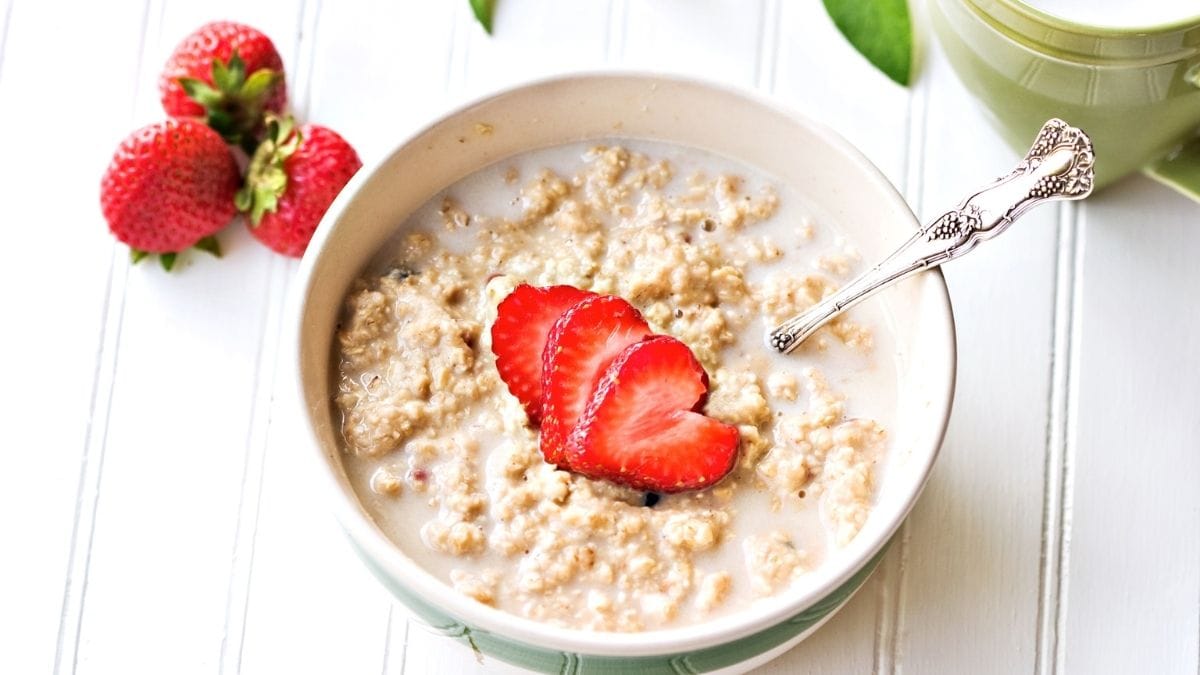
Habit 2 — Eat Within a 10-Hour Window Research shows a 10-hour eating window helps cut roughly 300 calories per day — not by restricting, but by stopping late-night mindless eating. I ate from 8am to 6pm.

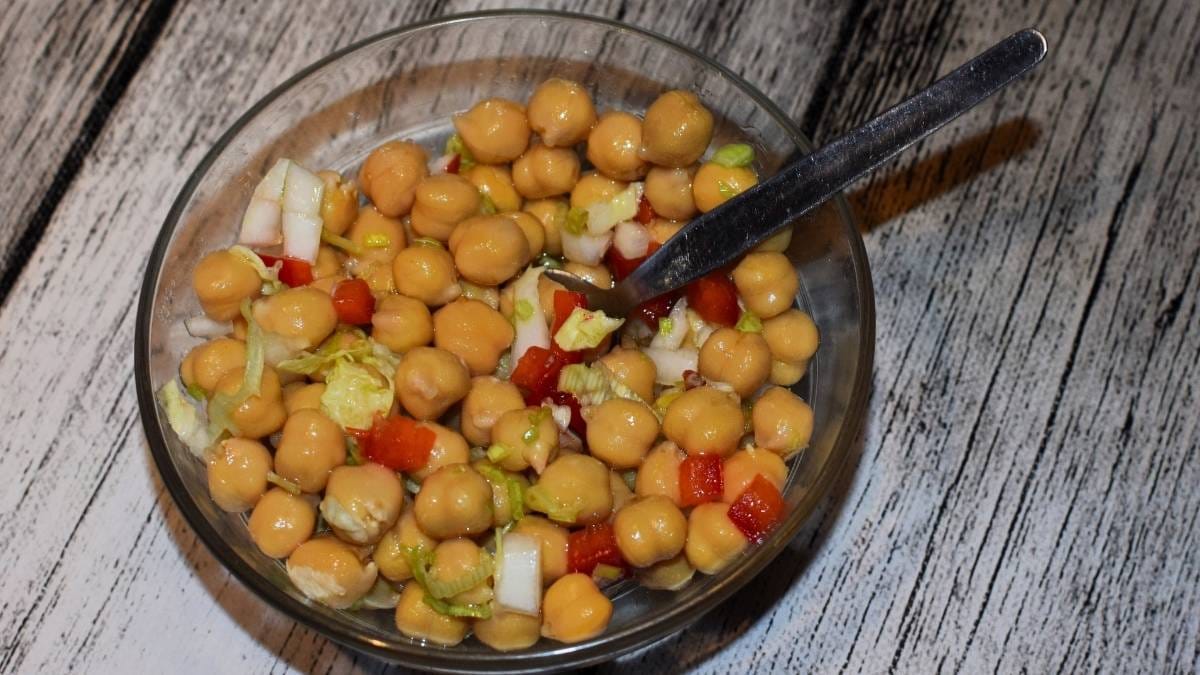
Habit 3 — Swap Ultra-Processed Snacks People eating minimally processed foods lost twice as much weight as those eating ultra-processed food — even when both groups could eat as much as they wanted.
I swapped chips for roasted chickpeas and cookies for banana with almond butter.
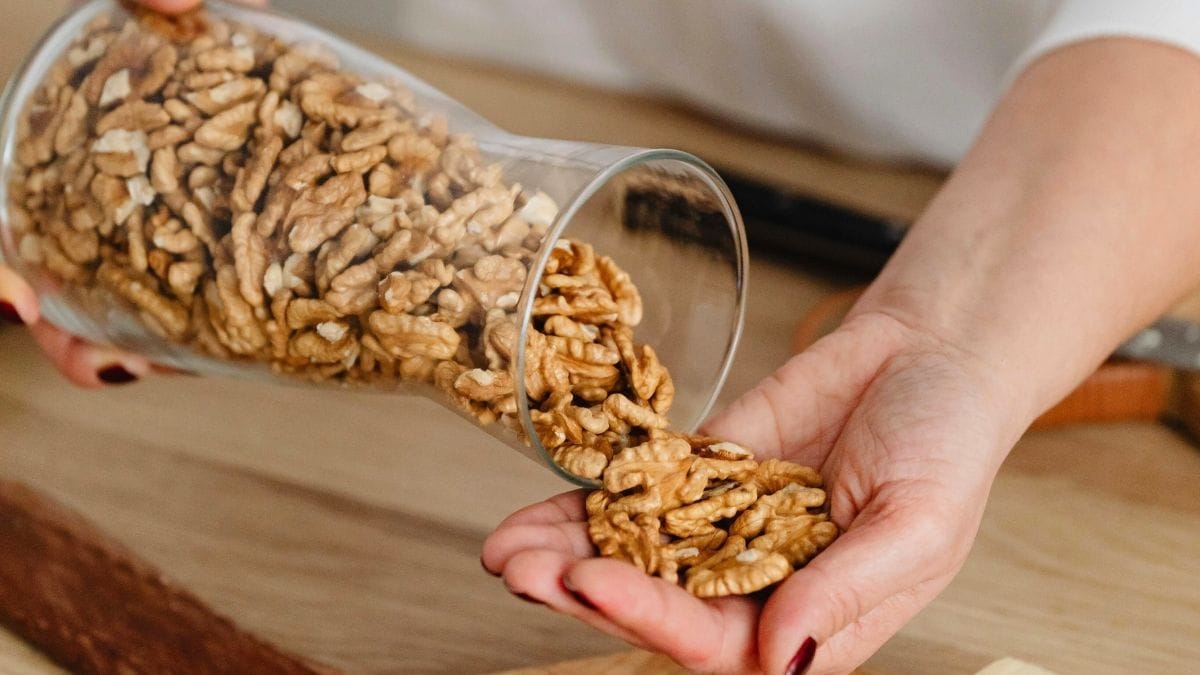
Habit 4 — Add Omega-3s and Polyphenols Daily A 2025 review in Trends in Food Science & Technology linked these nutrients to better mood and sharper thinking. I ate walnuts daily and added berries to breakfast.
Habit 5 — Stop Eating After 9pm ZOE research shows 30% of US and UK adults snack after 9pm. Even healthy snacks that late are linked to worse health outcomes. I replaced the habit with herbal tea instead.

H2 #3: Week-by-Week — What Actually Changed
Here’s the honest, week-by-week breakdown of what happened to me.
Week 1 — The Adjustment Phase Nothing dramatic happened. My energy dipped slightly as my body adjusted to more fiber. I got a little bloated.
That’s normal. The fix: add fiber slowly — about 3g more per week, not all at once. By day 7, I was more aware of what I was eating. That awareness alone was useful.
Week 2 — First Real Signs By day 10, my digestion felt smoother. Less bloating. Energy started picking up.

Research backs this — many people notice reduced bloating and better digestion within the first 1–2 weeks of clean eating. Cravings for processed food peaked here. This was the hardest week.
Week 3 — The Mental Shift This is when I noticed my mood getting more stable. No more big afternoon crashes.

Clearer thinking in the mornings. Studies show that by weeks 3–4, people report “less mood swings” and “more clarity of mind.” I felt exactly that.
Week 4 — The Compound Effect The habits felt easy by now. My clothes fit differently. Sleep was noticeably better.
Focus improved. I wasn’t trying anymore — the habits had become automatic. That’s the goal. Sleep quality, digestion, and focus were the three biggest wins.
H2 #4: Why These Changes Actually Happen (The Short Science Explanation)
You might be wondering — why does food change your mood and energy so fast? Here’s the simple answer.
Your gut and brain talk to each other. University Hospitals research confirms that the gut sends constant signals to the brain, affecting mood, digestion, and cognitive function.
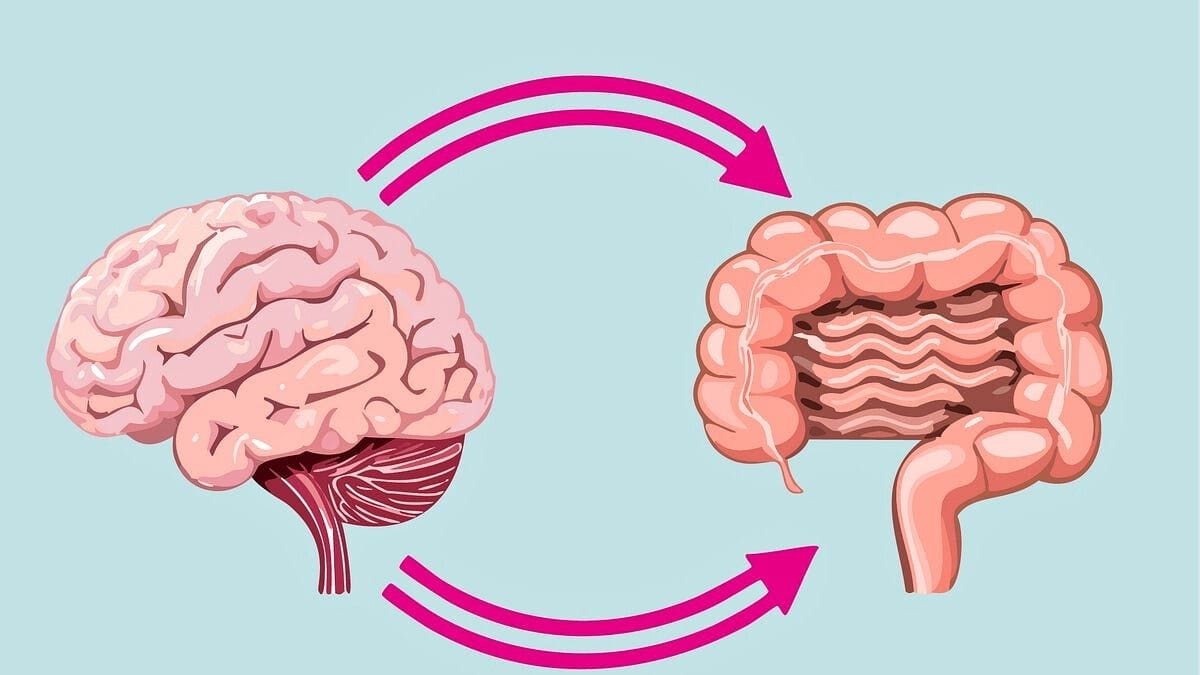
When you eat more fiber and less processed food, you feed bacteria that produce short-chain fatty acids. These reduce inflammation and directly affect how you feel emotionally.
Your brain chemicals come from food. Serotonin and dopamine are built from what you eat. Tryptophan — found in whole protein foods — is the direct building block for serotonin.
Omega-3s help regulate dopamine. You are literally building your mood with every meal.
Long-term protection matters too. Research presented at NUTRITION 2025 showed the MIND diet — a mix of Mediterranean and DASH eating — lowers dementia risk by up to 25% in people who follow it for 10+ years. Thirty days is just the start.
H2 #5: Honest Challenges I Faced (And How I Fixed Them)
I’m not going to pretend this was easy. Here’s what went wrong and how I got past it.
Social situations were tricky. Eating out, family dinners, work lunches — these moments test you. My fix: the 80/20 rule. Be on plan 80% of the time. Let the other 20% be flexible. This saved my sanity and my social life.
Fiber bloating in week 1 was real. I added too much too fast. My fix: slow it down. Add 3g of fiber per week, drink more water, and give your gut time to adjust.

Meal boredom hit by week 2. Eating the same meals every day made me want to quit. My fix: I cooked one new recipe every week. Just one. That was enough to keep it interesting.
Tracking fatigue was a problem. Logging every meal felt like a part-time job. My fix: I only tracked fiber and protein. When those two were good, everything else fell into place naturally.
ZOE research reminds us: snacking isn’t the problem. What you snack on and when you snack — that’s what matters.
H2 #6: What I’d Do Differently + Your 7-Day Quick-Start Plan

If I started over today, I’d make three changes.
First, I’d start with just 2 habits, not 5. Trying to change everything at once leads to burnout. Pick fiber and your eating window first. Master those before adding more.
Second, I’d track my sleep alongside my food from day one. The connection between what I ate and how I slept was impossible to ignore once I saw the pattern clearly.
Third, I’d try a CGM — a continuous glucose monitor — for two weeks. It shows you in real time how your body reacts to specific foods, stress, and sleep. It made everything click for me.
Your 7-Day Quick-Start Plan:

- Day 1: Log your meals in Cronometer. Find your fiber gap.
- Day 2: Pick your 10-hour eating window and stick to it.
- Day 3: Swap one processed snack for a whole food today.
- Day 4: Add walnuts at breakfast or plan a salmon dinner.
- Day 5: Remove one processed item from your kitchen shelf.
- Day 6: Go to bed 30 minutes earlier tonight.
- Day 7: Write 3 sentences — how is your energy, digestion, and mood?
Free resources: Cronometer (food tracker), ZOE Podcast with Prof. Tim Spector, Harvard Nutrition Source at hsph.harvard.edu, and the 2025 DGAC Scientific Report at dietaryguidelines.gov — all free.
Conclusion:
Thirty days won’t fix everything. But it’s enough time to feel a real shift in your energy, mood, and digestion.
Pick one habit from this list. Start tomorrow. Not all five — just one.
Consistency with one science-based nutrition habit beats perfection with five, every single time.