
Your annual bloodwork comes back normal. Your doctor smiles. You leave feeling fine.
But here’s the thing — “normal” doesn’t mean you’re aging well. It just means you haven’t crossed into disease territory yet.
Standard tests are designed to catch problems after they arrive. They don’t measure how fast your body is aging right now.
That gap is dangerous.
In 2025, a group of 116 experts from over 60 institutions agreed on 14 specific biomarkers that actually predict biological aging. These aren’t exotic tests. Some are simple physical measurements your doctor can do in under a minute.
This article breaks down what those markers are, what they mean for you, and exactly how to get tested. You’ll also learn what lifestyle changes can move these numbers in the right direction.
Why Your “Normal” Results Can Still Miss the Big Picture
You can be 50 years old and have the biology of a 65-year-old. That’s not an exaggeration — it’s what research on biological age shows us.
Standard blood panels check for things like blood sugar, kidney function, and cholesterol. These tests are useful. But they’re built to catch disease, not measure the rate at which you’re aging.
Here’s what changed recently. In April 2025, a landmark Delphi study was published in the Journals of Gerontology. It brought together 116 experts from places like the University of Pennsylvania and the Max Planck Institute.
After three rounds of review, they agreed on exactly 14 biomarkers that predict biological aging. This was the first time a group this large had ever reached that kind of agreement.
Before this, no large scientific body had agreed on what to measure. That’s a problem when your health depends on the right tests.
Precision clinics like Cenegenics now run panels covering 107 to 250+ biomarkers. Regular checkups still measure about a dozen.
So what should your doctor actually be checking? Here’s what the science says.
The 4 Types of Aging Biomarkers (A Quick Map)
The 14 agreed-upon biomarkers fall into four groups. Think of them as four windows into the same house.
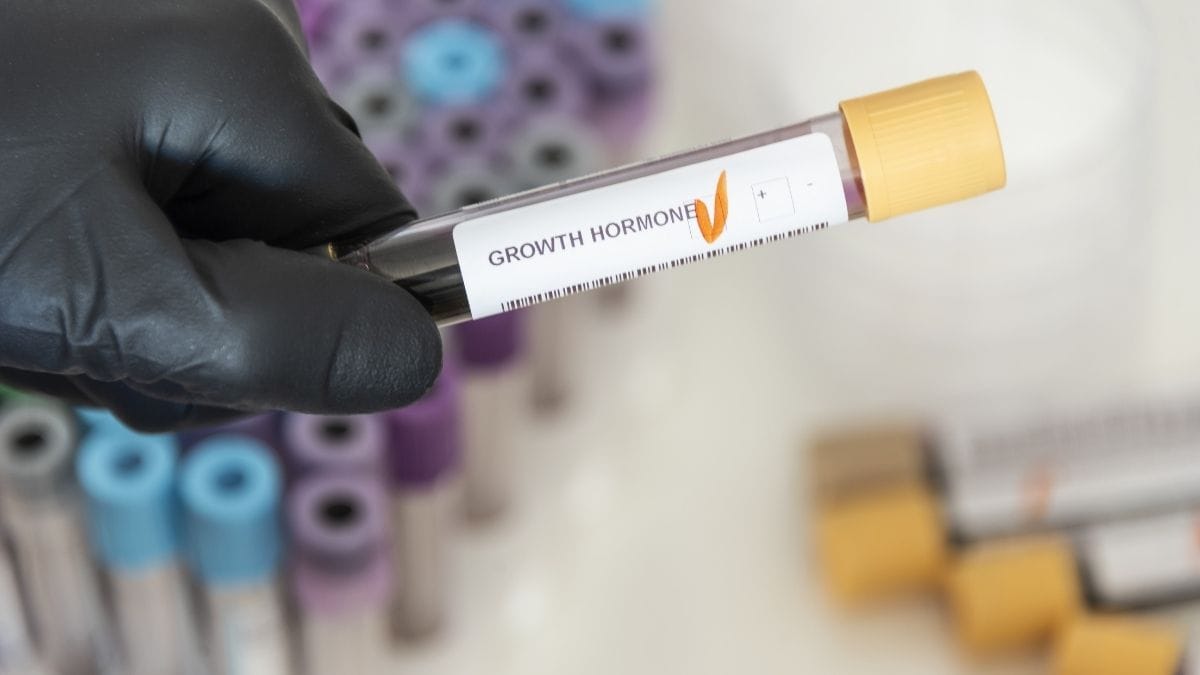
The first group is physiological — things like hormones and growth factors in your blood.
The second is inflammatory — how much quiet, low-grade inflammation is running in your body right now.
The third is functional — what your body can actually do, like how fast you walk or how hard you can squeeze.
The fourth is epigenetic — how your DNA is being read and expressed based on your lifestyle.
Each group tells a different part of your aging story. A person can look fine on paper but show early warning signs in one of these areas.
That’s why you need all four, not just one. Now let’s go deeper into each.
Blood Markers: What Your Hormones Are Telling You
Blood doesn’t lie — but only if you’re testing the right things.
IGF-1 is a growth hormone marker that declines as you age. When it drops too low, it signals accelerated aging and raises your risk for heart and metabolic disease. Too high, and it links to cancer risk.
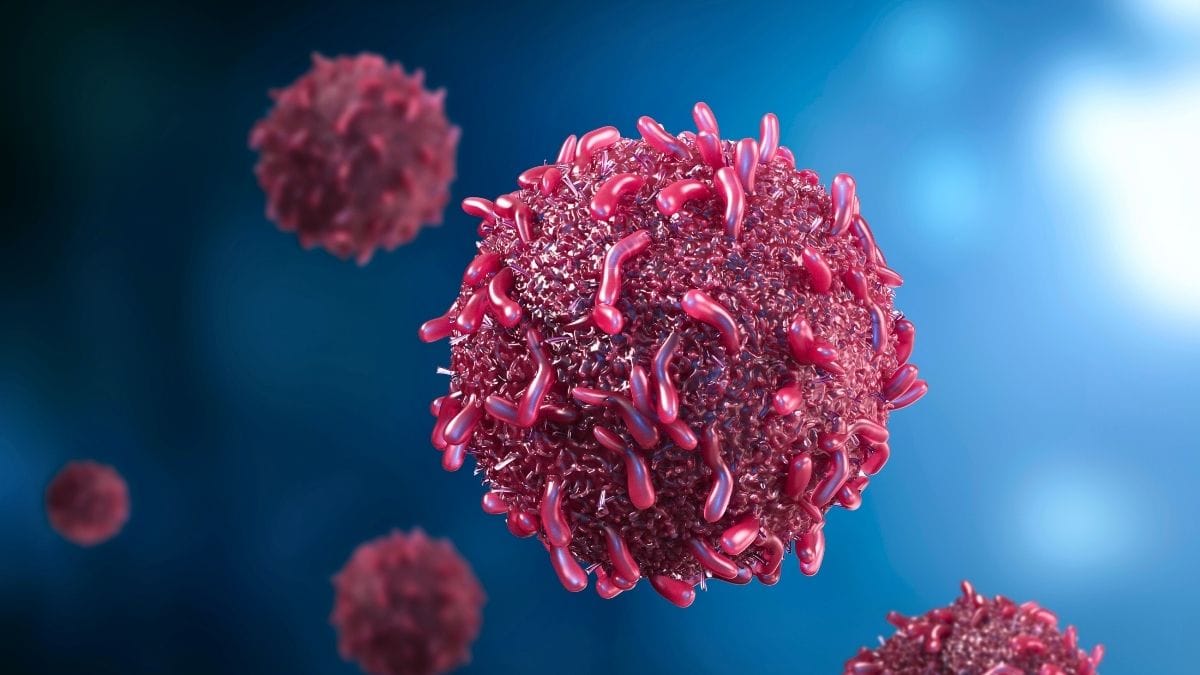
Staying in the upper-normal range is protective. A 2025 study in the International Journal of Molecular Sciences confirmed this balance reduces low-grade inflammation.
GDF-15 is another consensus-approved marker. It rises with age and flags cellular stress, tissue damage, and poor mitochondrial function. Most standard clinics don’t test for it yet. But functional medicine doctors are starting to order it more often.
NAD+ is a molecule your cells need to produce energy. It drops with age and inflammation.
Human studies confirm that taking NR (nicotinamide riboside) safely raises NAD+ levels. It supports energy production and fights inflammation at the cellular level.
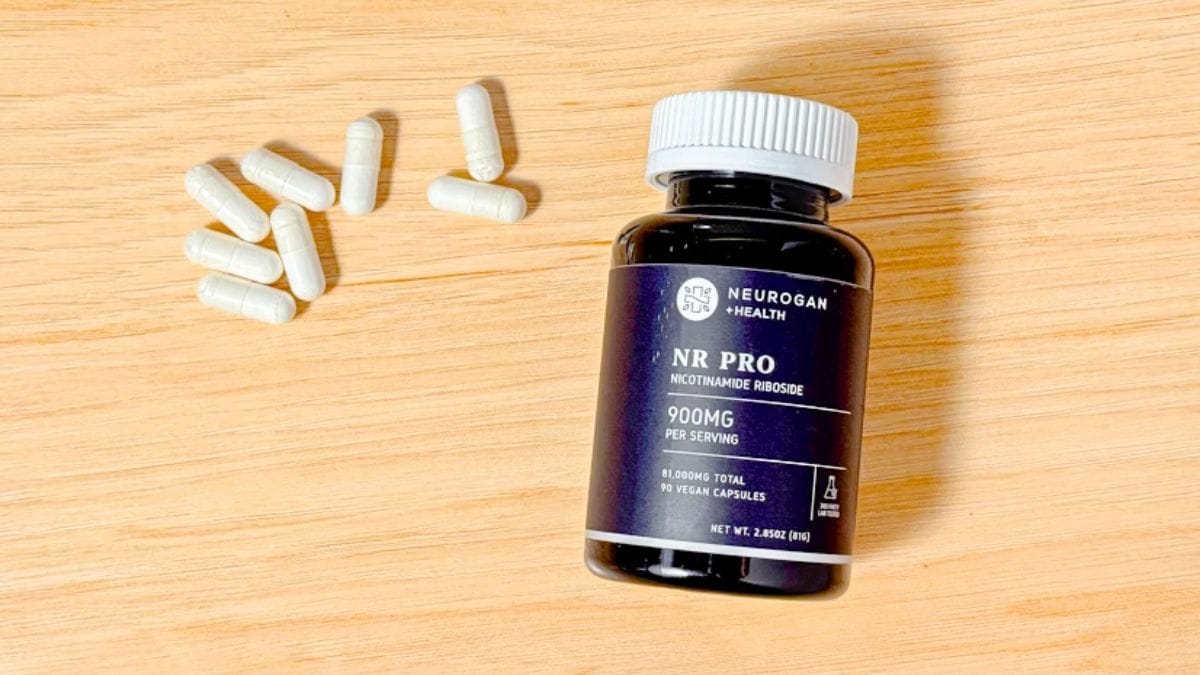
These aren’t exotic tests. Ask your doctor specifically for IGF-1. For NAD+ and GDF-15, a functional medicine clinic is your best bet.
Inflammation Markers: The Silent Fire You Can’t Feel
Chronic inflammation is quiet. It has no pain. No fever. No warning sign. But it burns through your body for years before something breaks down.
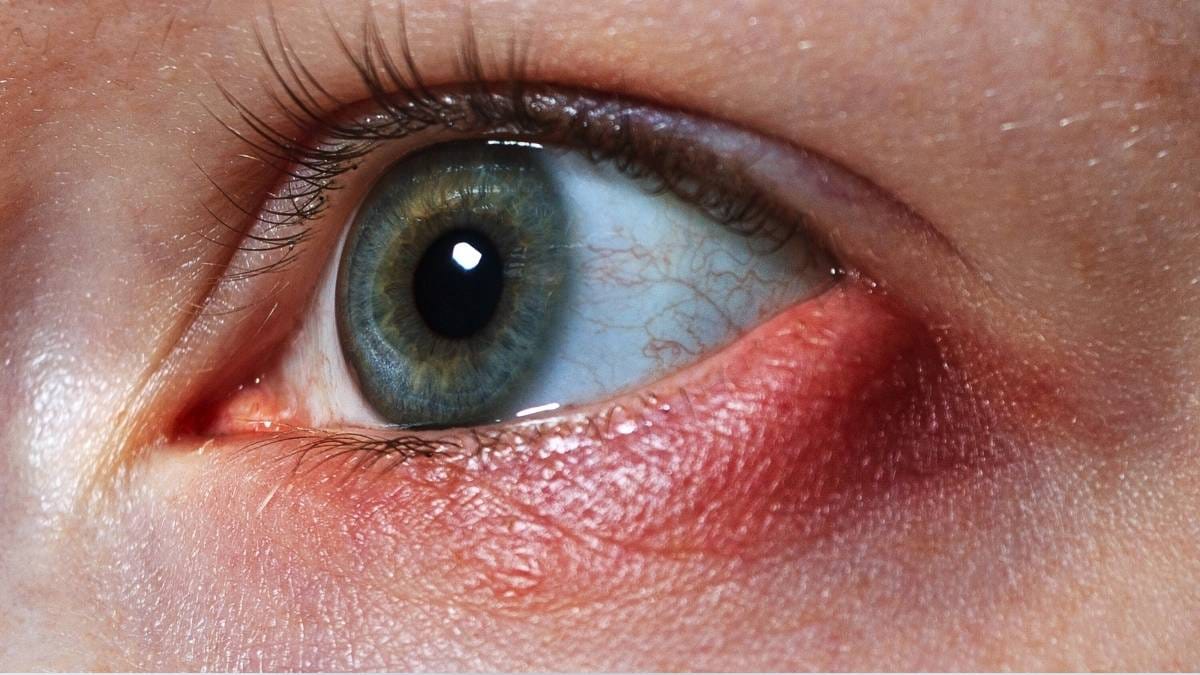
hsCRP is the most important inflammation marker to know. It’s a protein your liver makes when inflammation is present. The high-sensitivity version (hsCRP) picks up low-grade inflammation that standard CRP misses. Optimal level is below 1.0 mg/L. Above 3.0 mg/L puts you in high cardiovascular risk territory. This test is cheap and widely available.
IL-6 is another marker the 2025 expert panel approved. Elevated IL-6 is tied to heart disease, diabetes, liver disease, cancer, and Alzheimer’s. Researchers call the process it drives “inflammaging” — the slow, invisible aging that inflammation causes.

NLR (neutrophil-to-lymphocyte ratio) isn’t in the consensus 14, but a 2025 Frontiers in Medicine study found strong links between NLR and functional aging in adults 60–82. Best part? You already get this from a basic CBC blood test. No extra cost.
Ask for hsCRP by name. Make sure they order the high-sensitivity version.
Physical Function Markers: No Blood Draw Required
Here’s something most people don’t realize. Some of the best aging tests don’t need a needle. They just need a chair, a timer, or a grip.
Grip strength is a consensus-approved biomarker of aging.
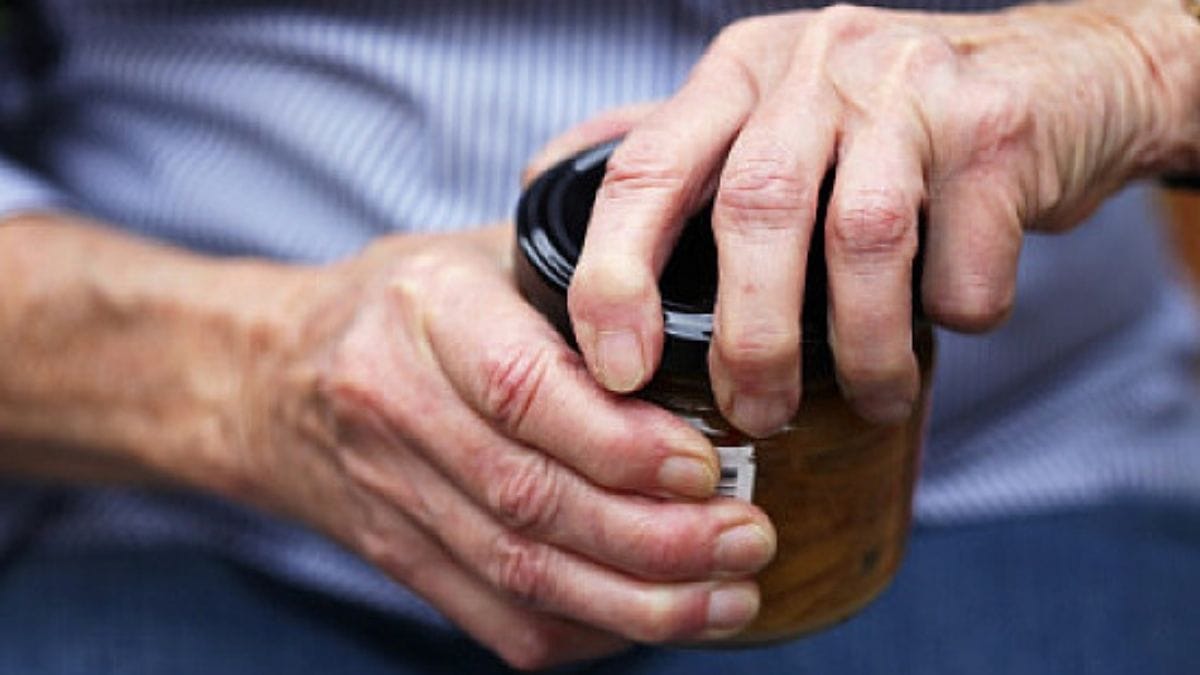
Low grip strength links to heart disease, diabetes, kidney disease, cancer, and cognitive decline. A 2025 study in Frontiers in Medicine studied 109 adults aged 60–82 and confirmed that grip strength directly reflects biological aging markers in the blood. It takes under 60 seconds with a simple hand device.
Gait speed (how fast you walk) is one of the most validated mortality predictors in medicine. The Timed-Up-and-Go (TUG) test — stand from a chair, walk 3 meters, come back, sit — is the standard version. A study of 9,581 adults found that midlife telomere length predicted TUG performance 20 years later.
Muscle mass and muscle strength are both in the consensus 14.
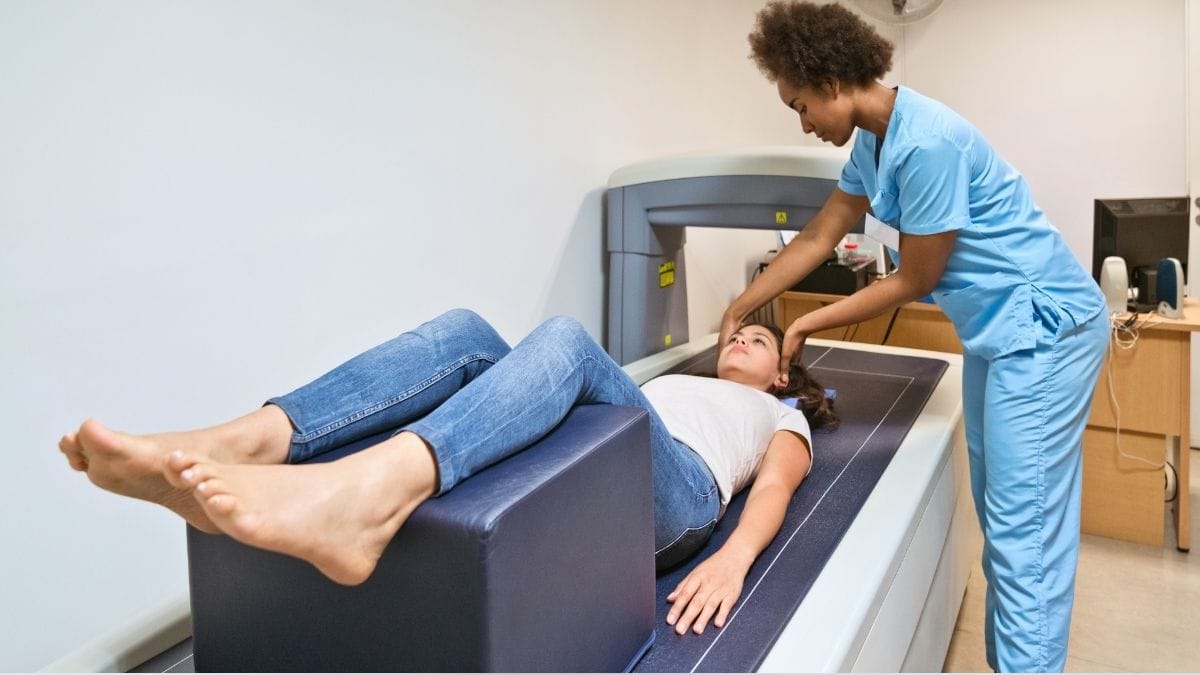
A DEXA scan measures both muscle and bone density at once. It’s often covered by insurance after age 50. Low muscle strength independently predicts diabetes, cancer, frailty, and osteoporosis.
Ask your doctor to measure grip strength at your next appointment. It takes 60 seconds and reveals a lot.
VO2 Max: The Fitness Number That Predicts How Long You’ll Live
VO2 Max measures how much oxygen your body can use during hard exercise. It’s basically a score for your heart and lung fitness. And it’s one of the strongest predictors of how long you’ll live.
Every 1-MET increase in aerobic fitness (that’s 3.5 mL/kg/min) reduces mortality risk by 11–17%. That’s from a review published in Frontiers in Bioscience. Elite cyclists with very high VO2 Max scores live 17% longer than the general population, according to the same research.

A 2025 meta-analysis in the Journals of Gerontology (Ryall & Denham) confirmed something even more striking — higher VO2 Max directly links to longer telomere length. Your cardio fitness level connects to how your cells age at the DNA level.
You don’t need a lab test. Garmin, Apple Watch, and Polar devices all estimate VO2 Max. Run consistently and watch the number climb over months.
Even 5–10 minutes of running per day has been shown to reduce mortality risk by 30–45%.
Epigenetic Clocks: The Most Accurate Measure of Biological Age
Your DNA carries more than your genetic code. It carries a timestamp.
Epigenetic clocks measure something called DNA methylation — tiny chemical tags that switch genes on and off based on your lifestyle and environment.
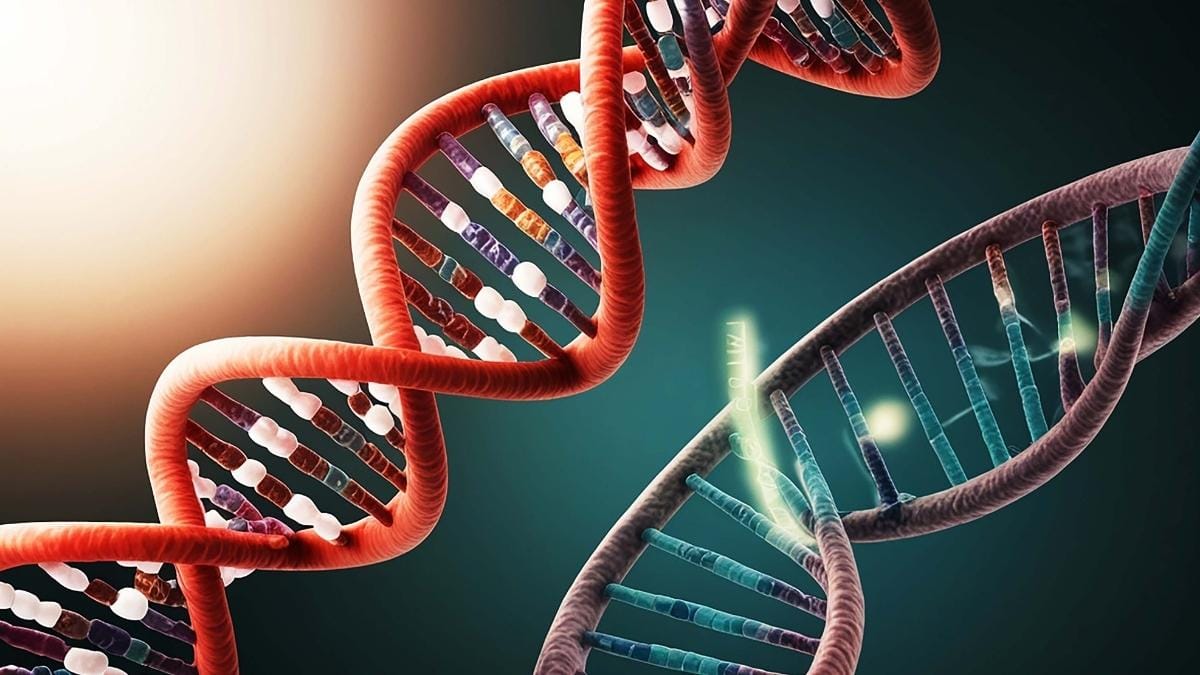
These patterns change as you age. Scientists can now read those patterns and estimate your true biological age.
Two clocks lead the field right now. GrimAge predicts time to death more accurately than any previous clock. DunedinPACE measures the pace of your aging — how fast you’re aging right now, not just where you are today. Both outperform older versions like the Horvath clock.
The important news: biological age measured this way can be reversed. Lifestyle changes — diet, sleep, exercise, stress reduction — physically alter these methylation patterns.

In October 2025, University of Tsukuba researchers discovered a blood molecule called CtBP2. It declines with age but stays high in people from long-lived families. It may become the next major epigenetic marker.
At-home saliva test kits from TruDiagnostic (TruAge) and Elysium cost $200–$300. Retest every 6–12 months to track your direction.
How to Get These Tests in 2026 (A Simple 3-Tier System)
You don’t need to do everything at once. Start where you are.
Tier 1 — Your regular doctor can order these today: hsCRP (ask for high-sensitivity), IGF-1, IL-6, CBC (which gives you NLR), blood pressure, and a grip strength measurement. These are accessible, affordable, and often covered by insurance.
Tier 2 — Functional or integrative medicine clinics: GDF-15, NAD+ levels, DEXA scan for muscle mass and bone density, and full hormone panels. Cenegenics offers the Explore panel (107 markers) and the Optimize panel (250+ markers). These clinics specialize in preventive longevity care.
Tier 3 — No doctor needed: TruAge or Elysium Index for epigenetic age ($200–$300, saliva kit by mail). Garmin, Apple Watch, or Polar for VO2 Max estimation.
Here’s what to say at your next appointment:

“I’d like to add hsCRP high-sensitivity, IGF-1, and IL-6 to my next blood panel. Can we also measure my grip strength today?”
That one sentence gets you four of the most important aging biomarkers without a specialist referral.
What You Can Actually Change (The Lifestyle Levers)
Biological age is not fixed. Every single biomarker in this article can be moved with lifestyle changes. That’s not hype — it’s what the research shows.
Here’s a simple map:
- hsCRP and IL-6: Lower them with a Mediterranean diet, omega-3 supplements, resistance training, and better sleep.
- IGF-1: Raise it naturally with adequate protein, strength training, and quality sleep.
- Grip strength: Build it with progressive weight training. It responds quickly.
- Gait speed and TUG: Improve with Zone 2 cardio (easy, steady-state exercise) and balance training.
- VO2 Max: Increase with consistent aerobic training. Even short runs help.
- Epigenetic age: Slow it down with sleep, diet quality, stress reduction, and moderate exercise.
- NAD+: Supplement with NR (nicotinamide riboside), supported by human clinical trials.
The framework is simple: measure first. Then intervene. Then retest after 6–12 months. Focus on your weakest number first. Small improvements compound over time and show up clearly in your results.
Conclusion
Your biological age is a set of measurable signals — not a fixed number on your birth certificate.
Grip strength, inflammation levels, walking speed, and DNA methylation all tell the real story of how you’re aging. These tests exist. They’re available now.
Ask your doctor for hsCRP, IGF-1, and grip strength at your next visit. Start there.