
You used to move through the day without thinking about it. Now getting off the couch feels like a decision. Sound familiar?
Here is the truth. Feeling tired after 65 is common. But it is not something you just have to accept. Fatigue affects 29% of 70-year-olds and 68% of 85-year-olds. That means millions of people feel exactly like you do right now.
The problem is not your age. The problem is usually a mix of small things — bad sleep, low protein, too little movement, and too much time alone. These are all fixable.
This guide will show you what is actually draining your energy. Then it will give you simple, real changes you can start this week. No extreme diets. No hard workouts. Just small shifts that build steady stamina after 65.
Why Do You Feel So Tired After 65?

This is real. And it is not weakness.
Your body changes after 65. Hormones shift. Muscles shrink a little each year. Sleep gets lighter. These are normal. But they do not cause the deep, constant fatigue many people feel. That usually comes from lifestyle.
Inactivity is one of the biggest causes. When you stop moving, your body produces less energy. Then you feel too tired to move. It becomes a cycle that is hard to break on your own.
Poor diet, broken sleep, loneliness, and certain medications also drain energy fast. Common culprits include sedatives, antihistamines, and beta-blockers.
A 2025 study in Scientific Reports found that 42.6% of older adults deal with fatigue regularly. Almost 58% struggle with physical tiredness specifically.
Here is what matters most. If your tiredness came on suddenly, or you have unexplained weight loss or shortness of breath — see your doctor first. A simple blood test can catch low B12, vitamin D, thyroid problems, or iron deficiency in one visit.

Most lifestyle-related fatigue, though, is reversible. That is the good news.
Move More to Feel More — Exercise That Actually Fits After 65
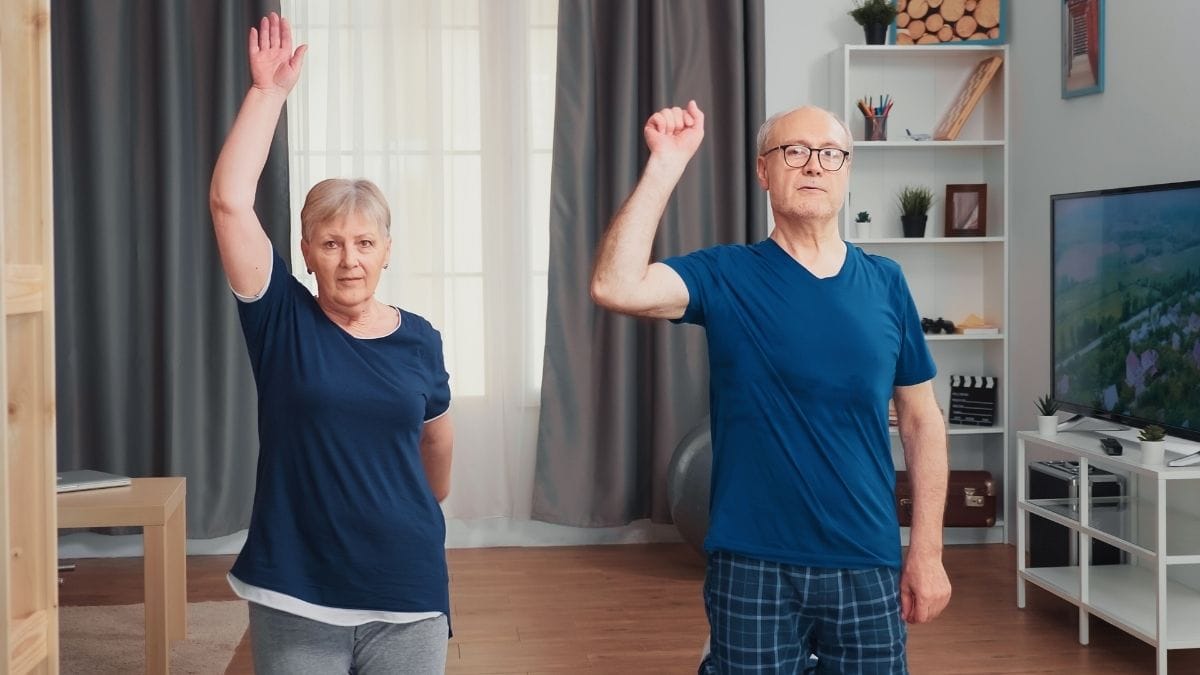
You do not need a gym. You do not need expensive gear. You just need to start moving a little more than you do right now.
Walking is enough. A 30-minute brisk walk, five days a week, makes a real difference. Swimming, water aerobics, tai chi, and chair yoga also work well — especially if your joints hurt.

The current goal for older adults is 150 minutes of moderate activity per week. That is 30 minutes a day, five days a week. You can split it into two 15-minute walks if that feels easier.
Strength training matters too. Lifting light weights or using resistance bands two to three times a week slows muscle loss. Muscle loss is a major reason people feel weak and tired as they age.
A 2025 meta-analysis showed that regular physical activity reduced fatigue significantly in older adults — with a strong measured effect across multiple studies.

Check out SilverSneakers. It is a free fitness program for Medicare members. It gives you access to gym classes, online workouts, and walking groups near you. No excuses needed.
Movement also improves your sleep quality. And better sleep means more energy the next day.
Sleep Is Not Optional — How to Get Real Rest After 65
If your energy crashes by noon every day, the fix might start the night before.

Nearly 70% of adults over 65 report poor sleep quality. And bad sleep leads directly to daytime fatigue, brain fog, and low motivation. It is one of the most overlooked causes of low energy in older adults.
Sleep habits that worked at 45 often stop working at 65. Your body produces less melatonin. You wake up more easily. Deep sleep gets shorter.
Here is what actually helps. Go to bed and wake up at the same time every day — even on weekends. This one habit matters more than how many hours you sleep.
Cut caffeine after 2 PM. Limit alcohol, especially within three hours of bedtime. Alcohol makes you feel drowsy but breaks up deep sleep. Reduce screen time in the hour before bed.

Naps are fine — but keep them under 30 minutes and done before 3 PM. Longer naps confuse your body clock.
If a partner notices you snoring loudly or stopping breathing at night, ask your doctor about a sleep study. Sleep apnea is common and underdiagnosed after 65.
Fuel Your Body Right — What to Eat for More Energy After 65
What you eat by 10 AM shapes how you feel by 4 PM.
Most older adults do not eat enough protein. That leads to muscle loss, weakness, and constant tiredness. The current recommendation is 1.0 to 1.2 grams of protein per kilogram of body weight each day. For a 150-pound person, that is around 68 to 82 grams daily.
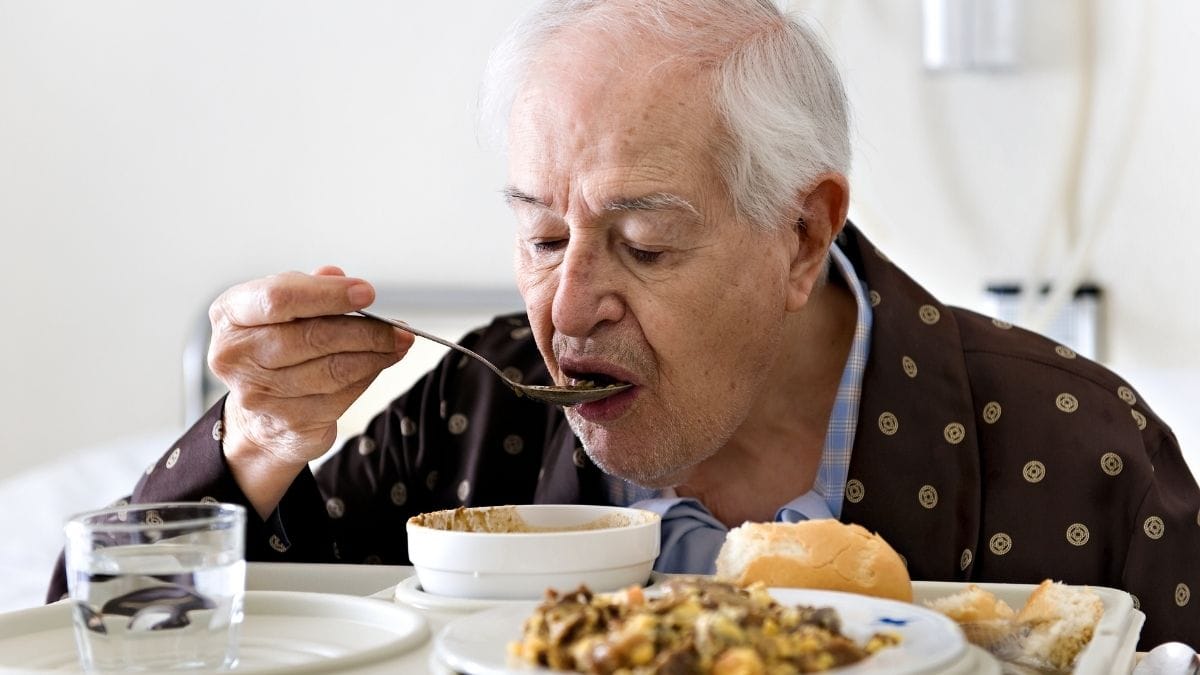
Good protein sources include eggs, salmon, chicken, Greek yogurt, lentils, and cottage cheese. Aim to include some at every meal — not just dinner.
Three nutrients drain your energy fast when they are low — vitamin B12, vitamin D, and iron. B12 helps your body turn food into fuel. Vitamin D supports muscle function. Iron carries oxygen in your blood. All three can be checked with one blood test.
Drink water throughout the day. Even mild dehydration makes fatigue worse. Many seniors do not feel thirsty until they are already low on fluids. Do not wait for thirst. Aim for 6 to 8 glasses daily.

Eat smaller, balanced meals through the day instead of one or two large ones. This keeps your blood sugar steady and stops the energy crashes.
The Hidden Energy Drain — Your Mind and Social Life Matter
Sometimes the biggest energy thief is not physical at all.
After retirement, many people lose their daily structure. The routine, the purpose, the social contact — it all changes at once. That shift is exhausting in ways most people do not talk about.
Depression and loneliness are very common after 65. And both drain energy just as much as a poor diet or bad sleep. You can feel physically fine but mentally flat — and that shows up as tiredness.

The National Institute on Aging confirms that boredom after leaving a busy career can directly cause fatigue. That is not laziness. That is biology.
Here is what helps. Join a weekly walking group. It adds movement and social time in one. Volunteer somewhere for just a few hours a week. Research shows having a purpose boosts both mood and energy. Try learning one new skill — a language, a craft, a card game. New learning keeps your brain active and your days interesting.

You do not need a full calendar. You need a few things to look forward to. That alone can change how you feel each morning.
A Simple 7-Day Starting Plan — Small Shifts, Real Results
Do not try to change everything this week. That leads to burnout, not results.
Pick two things from this guide and start there. Consistency matters far more than intensity. Small daily actions done regularly beat big efforts done once.
Here is a simple week to try:
Day 1 and 2 — Add a 15-minute morning walk. Eat a protein-rich breakfast like eggs or Greek yogurt.
Day 3 and 4 — Set one fixed bedtime and wake time. Stop caffeine after 2 PM.
Day 5 and 6 — Add a second short walk. Drink 6 to 8 glasses of water through the day.
Day 7 — Sit for five minutes and honestly ask: did my afternoon energy feel any different this week? Write it down.
Most people notice the first real difference after 2 to 4 weeks of consistent changes. Not overnight. But it comes.
One more thing. Talk to your doctor before starting, especially if you take regular medications. Some drugs cause fatigue as a side effect. A simple medication review might change everything.
Lastly:
Low energy after 65 is common. But it is not permanent. Move more, sleep better, eat enough protein, stay hydrated, and stay connected. These five things work. Pick one today. Start small. Stay consistent. Your energy after 65 is still yours to shape.