
You could be going to the gym five days a week, meal prepping on Sundays, and drinking two liters of water a day — and still be living one of the unhealthiest lifestyles around.
That sounds wrong. But it’s true.
Most people think “healthy” means eating right and moving your body. That’s part of it. But it’s not the whole picture. Chronic stress, bad sleep, loneliness, and no sense of purpose are just as damaging — sometimes more.
In this article, you’ll get the full picture of what actually makes a lifestyle healthy. Backed by real research. Written in plain words. And actionable starting today.
Why Most People Have the Wrong Definition of “Healthy”
When you picture a healthy person, what do you see? Someone lean? Someone who runs? Someone who eats salads?
That image is shaped by ads, social media, and the wellness industry — not science.
The World Health Organization defines health as “complete physical, mental, and social well-being.” Not just the absence of disease. Most people focus on one of those three and ignore the rest.
Here’s a reality check. A 2025 Pew Research Center survey found only about 20% of Americans describe their own diet as extremely or very healthy.
But the bigger problem isn’t what people eat. It’s what they don’t count. Sleep. Stress. Relationships. These rarely enter the conversation when people talk about being healthy.

Meanwhile, 70% of global consumers say they are proactive about managing their health (NielsenIQ, 2025). Yet chronic disease rates keep rising. That gap between belief and reality is the problem.
Health is not one-dimensional. Science now points to at least six pillars — and most people are only tending to one or two of them.
The 6 Pillars of a Genuinely Healthy Lifestyle
Pillar 1 — Physical Activity (Not Just the Gym)

Physical activity is still the foundation. In a 2025 survey of 53 health experts by U.S. News, nearly half — 49% — named it the top lifestyle habit for healthy aging.
But here’s the part most people miss. It’s not just about gym sessions. Walking, stretching, moving throughout the day, and avoiding long periods of sitting all count.
You don’t need a membership. You need consistency. The U.S. Department of Health recommends 150 minutes of moderate movement per week. That’s about 22 minutes a day. A brisk walk after lunch qualifies.
One practical tip: break up sitting every 60 minutes. Set a phone timer. Stand up. Walk to the kitchen. Do five squats. It sounds small. But it adds up.
Pillar 2 — Nutrition (Quality Over Perfection)
Nutrition is real. But it’s also misunderstood. Most people treat it like a moral test — either you’re eating perfectly or you’ve failed.
That’s not how it works.
The goal is to add more whole foods, not to remove everything you enjoy. More fiber. More protein. More vegetables. That shift alone makes a significant difference over time.
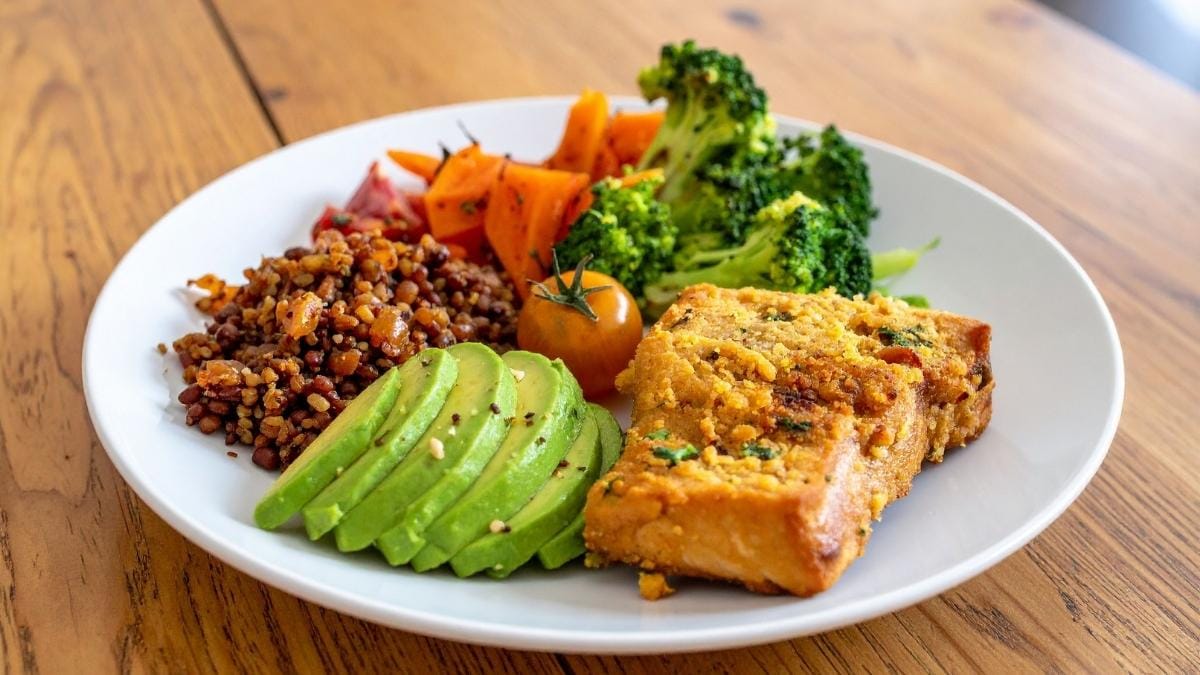
Here’s something important: 69% of Americans say rising food prices make it harder to eat healthy (Pew Research Center, 2025). That’s a real barrier, not a willpower problem. Work with what you have.
Globally, 53% of consumers in 19 countries plan to buy more high-fiber foods in 2025 (NielsenIQ). The public conversation is shifting toward gut health — and for good reason. A healthy gut affects mood, immunity, and energy.
Pillar 3 — Sleep (The Most Ignored Pillar)

Most people treat sleep like something they’ll catch up on eventually. They won’t. And the damage is real.
A 2025 UK Biobank study followed 341,632 people and found that healthy sleep duration was linked to lower risk for 38 out of 45 health outcomes. That includes heart disease, type 2 diabetes, depression, and cancer.
Sleep is when your body repairs itself. It regulates hormones, clears brain waste, and manages inflammation. You can’t out-exercise or out-eat bad sleep.
Adults need 7 to 9 hours. But here’s the key most people don’t know: a consistent wake time matters more than when you go to bed.
Pick a time and stick to it every day — yes, weekends too. That one habit alone improves sleep quality significantly.
Pillar 4 — Stress Management and Mental Health
Stress isn’t just a feeling. It’s a physical event in your body.
Chronic stress raises cortisol, inflames arteries, disrupts sleep, and weakens your immune system. It’s a slow, quiet form of damage — and most people normalize it completely.

Six years ago, 27% of people across 31 countries named mental health as a top health concern. Today that number is 45% (Ipsos, 2025). Awareness is growing. But awareness isn’t action.
Half of Americans aged 18 to 34 say they plan to start or continue therapy in 2025 (Ipsos). That’s encouraging.
But therapy isn’t the only option. Daily habits like breathwork, journaling, walks, and time in nature are legitimate health tools — not soft extras.
If you’re doing everything else right but ignoring stress, you’re working against yourself.
Pillar 5 — Social Connection (The Forgotten Pillar)

This is the one most people never see coming.
Your relationships are a health factor. Not metaphorically. Physically. New WHO estimates show that loneliness causes 871,000 deaths per year. Research shows it rivals smoking and obesity as a health risk.
Lonely people are twice as likely to develop depression. They face higher risks of stroke, heart disease, diabetes, and cognitive decline (WHO, 2025).
In June 2025, the WHO Commission on Social Connection released a major report placing social health on the same level as physical and mental health.
And yet most people — and even most doctors — don’t think of relationships as medicine.
The fix doesn’t require a packed social calendar. Quality beats quantity. One or two close friendships with real, honest conversations do more for your health than a large group of surface-level connections.
Pillar 6 — Purpose and Daily Meaning

This pillar doesn’t get much press. But it matters.
Research links a sense of purpose to lower inflammation, longer lifespan, and stronger immune response. Purpose isn’t just about big life goals. It’s about having something that makes the day worth starting.
That could be your work. Your children. A creative hobby. Volunteering. A community you belong to.
Ask yourself: what do I do each week that feels genuinely meaningful? If you can’t answer that quickly, it’s worth paying attention to.
You don’t need to overhaul your life. You just need to protect time for what already matters to you. That small act has a measurable effect on how long and how well you live.
The Biggest Mistake People Make
Picture someone who hasn’t missed a workout in a year. They track macros. They look great. They’re also sleeping five hours a night, skipping meals when stressed, and haven’t had a real conversation with a friend in weeks.
They look healthy. They are not.

A 30-year Dutch cohort study (Frontiers in Public Health) found that the percentage of people healthy across all five lifestyle factors dropped from 17% to just 10.8% over three decades. Comprehensive healthy living is getting rarer.
The wellness industry profits from single-pillar focus. It’s easier to sell a supplement than to say “call a friend.” It’s easier to market a diet app than to tell someone to go to bed earlier.
Dr. Michael Greger, MD, founder of NutritionFacts.org, put it well in a 2025 U.S. News survey: “It’s the day-to-day stuff that adds up… like compound interest. The earlier you start, the greater your nest egg of health.”
Small, consistent improvements across all six pillars build real health over time.
What a Genuinely Healthy Day Actually Looks Like
No 5 AM alarm. No ice bath. No hour-long workout before most people are awake.
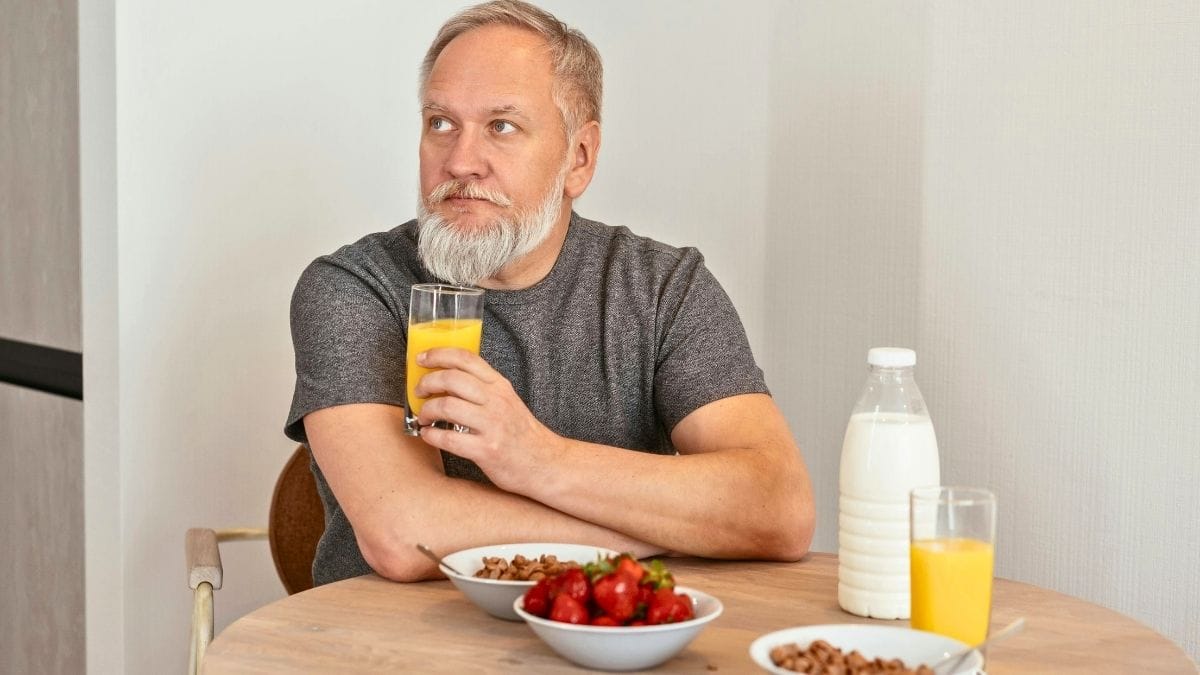
Here’s a realistic picture. You wake up at the same time each day — a consistent schedule that keeps your sleep cycle steady. You eat a simple whole-food breakfast. Nothing fancy. Eggs, oats, fruit — whatever works.
During lunch, you take a 15-minute walk outside. You spend a few minutes in a real conversation with a coworker, friend, or family member — not texting, actually talking.
After work, you do 20 to 30 minutes of movement you don’t hate. A bike ride. A yoga video. A walk with your dog.
You put your phone down before 9 PM. You sleep 7 to 8 hours.
That’s it. None of that is extreme. All of it hits multiple pillars at once. And 57% of global consumers now say they prioritize aging well more than they did five years ago (NielsenIQ, 2025). People are starting to get it. You can too.
How to Start Without Overhauling Your Life
You don’t need to fix six things at once. That’s the fastest way to fix nothing.
Pick the one pillar you’ve been most ignoring. Just one. Then make one small change this week. Not a plan. Not a goal. A single action.
Use the “add, don’t remove” approach. Instead of cutting sugar, add a vegetable. Instead of quitting Netflix, add 10 minutes of real conversation with someone you care about. Addition is easier than restriction. And it actually works.

Some barriers are real. Lower-income Americans face genuine difficulty eating healthy because of rising food costs (Pew Research Center, 2025). That’s not an excuse — it’s a fact. The good news: the sleep and social connection pillars cost nothing.
Free resources to start with: health.gov for activity guidelines, cdc.gov/sleep for sleep tips, who.int for social connection research, and NutritionFacts.org for evidence-based nutrition guidance.
Final Thought:
A healthy lifestyle is not about a perfect diet or a gym streak. It’s about tending to all six pillars — movement, nutrition, sleep, stress, connection, and purpose — with reasonable consistency.
Pick the one you’re neglecting most. Make one small change today. That’s what a genuinely healthy lifestyle looks like — not a checklist, but a direction.