
Your 40s and 50s are not just “middle age.” They are the years where your food choices decide what your 70s look like.
Most people in their 40s are still eating the same way they did at 25. But your metabolism, muscles, bones, and gut have all changed. What worked before is no longer enough.
In this guide, you will learn exactly how your body shifts after 40. You will see which nutrients most adults are not getting enough of.
You will also get a simple, real-world eating plan backed by current research — so you can start making better choices this week. This is not about being perfect. It is about knowing what your body actually needs now.
Your Body After 40: What Actually Changes and Why Food Matters More Now
Here is something most people miss: your calorie needs go down after 40, but your nutrient needs stay the same or go up. That means every bite counts more than it used to.
Starting in your 50s, you lose 0.5 to 1 percent of muscle mass every single year.

Your strength drops 1.5 to 5 percent per year too. This is called sarcopenia, which just means age-related muscle loss.
Your bones also start to thin. Women need 1,200mg of calcium per day from age 51 onward. Most people are not hitting that number. Your body also absorbs vitamin B12 less efficiently as you age, even if you eat the same amount as before.
A 30-year Harvard study of over 105,000 people found something important.
People who ate well in their 40s, 50s, and 60s were far more likely to reach age 70 without chronic disease. Only 9.3 percent of all participants actually achieved that standard. Diet was one of the biggest reasons why.
The most urgent fix? It is not a supplement. It is protein.
The Protein Problem: Why Most People Over 40 Are Eating Too Little
The standard protein recommendation you have probably heard — 0.8 grams per kilogram of body weight — was designed to prevent deficiency in healthy young adults. It was never meant to protect aging muscle.
Mayo Clinic now recommends 1.0 to 1.2 grams per kilogram for adults over 40. For a 165-pound person, that is 75 to 90 grams of protein per day. About 46 percent of adults over 51 do not hit that target.
The fix is simple: spread your protein across three meals.
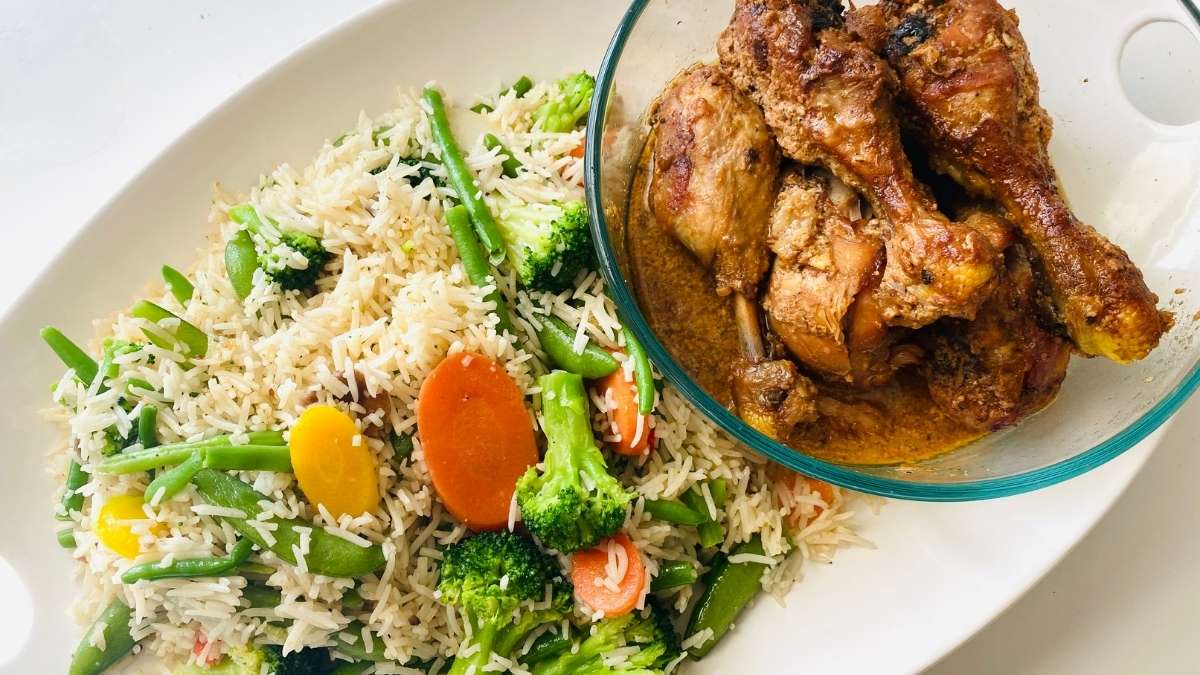
Aim for 25 to 30 grams per meal. Eating more than 40 grams in one sitting does not give your muscles extra benefit.
Real food sources that are easy to use: a 3-oz chicken breast has 25g. One cup of Greek yogurt has 17g. A cup of cooked lentils has 18g. Two eggs give you 12g.
Women in their 40s and 50s who ate the most plant protein were 46 percent more likely to age well. That stat comes from a 2024 Tufts and Harvard study. Plant protein matters just as much as animal protein here.
The Foods That Actually Slow Aging (Backed by Long-Term Studies)
A 30-year Harvard study published in Nature Medicine in March 2025 followed over 105,000 people.
It found that people who followed healthy eating patterns from their 40s onward were 43 to 84 percent more likely to stay physically and mentally strong at age 70.
The patterns that worked best were the Mediterranean diet and the MIND diet.
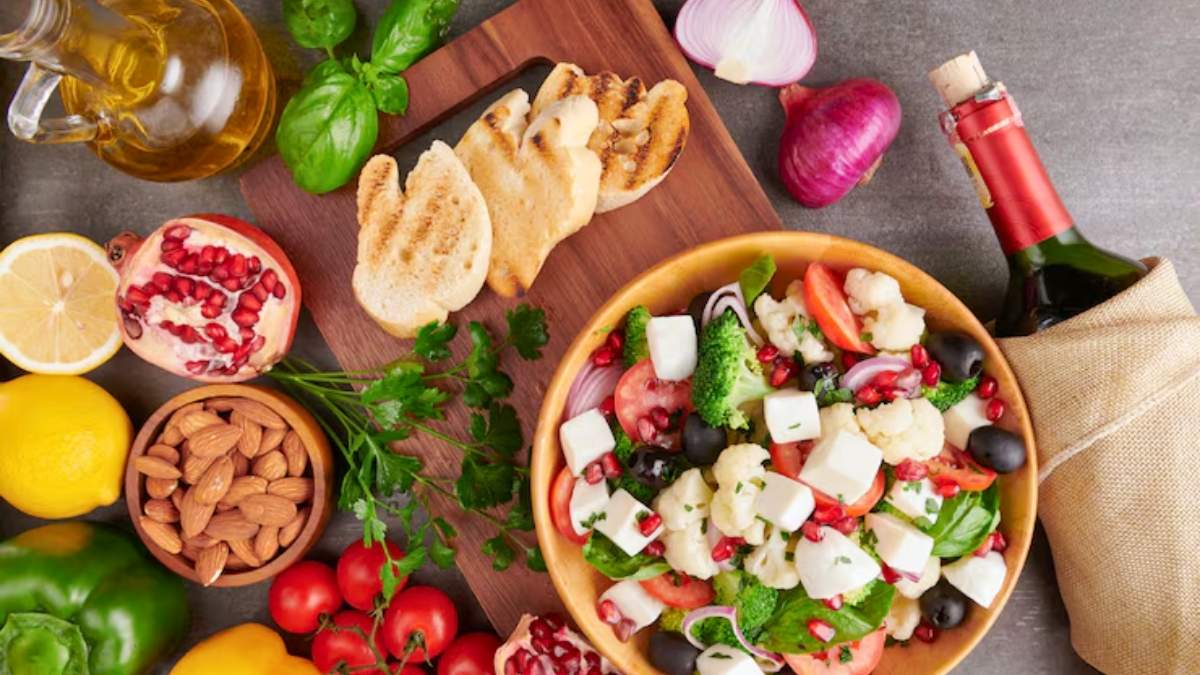
Both focus on plants, whole grains, nuts, fish, and healthy fats. Both limit red meat, sugar, and processed food.
A newer version called the Green Mediterranean diet adds polyphenol-rich foods like green tea, walnuts, and spinach shakes. A 2025 analysis found it reduced brain proteins linked to faster aging.
Among 47,513 women followed for 30 years, those who got 55 percent of daily calories from whole-food carbohydrates were 29 percent more likely to age well.
That means cutting all carbs may actually hurt you. The problem is not carbs — it is the refined, processed kind.
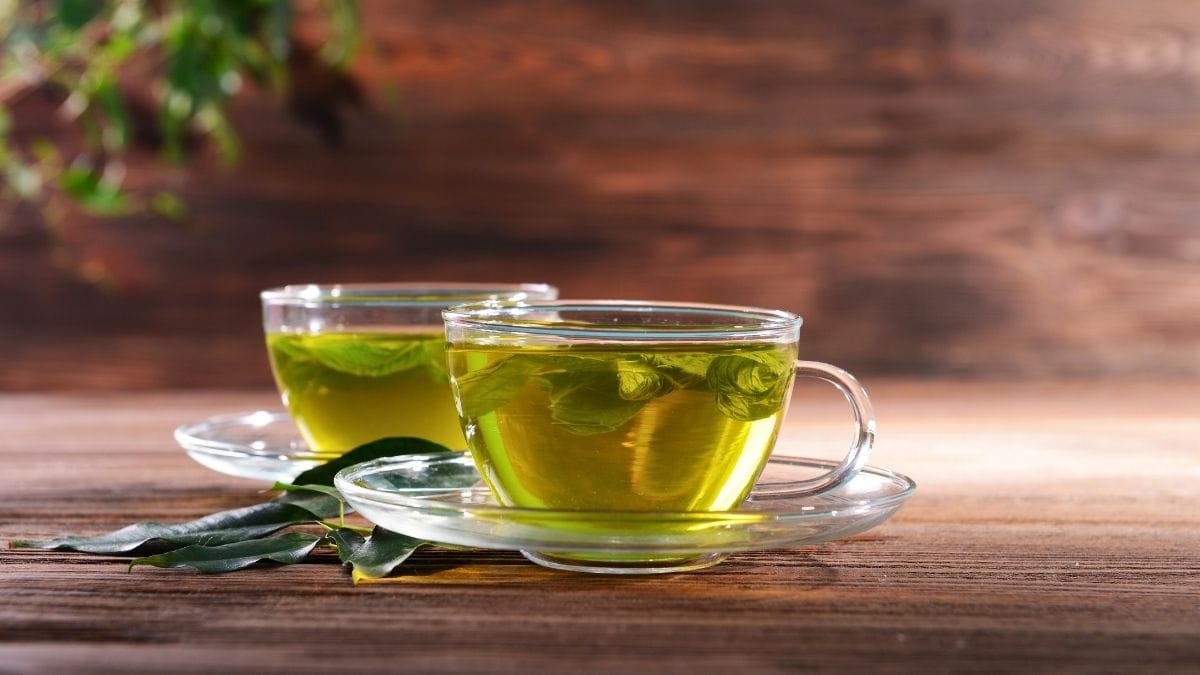
Start simple: swap white rice for whole wheat pasta. Add a handful of lentils to any soup. Drink 3 to 4 cups of green tea per day. Have one ounce of walnuts as a snack.
The Nutrients Most People Over 50 Are Quietly Deficient In
Most adults over 50 fall short on whole grains, dairy, seafood, vegetables, fruit, nuts, seeds, and legumes — all at the same time. That is a lot of gaps, and most people do not know they have them.
Calcium and vitamin D work together for bone health.
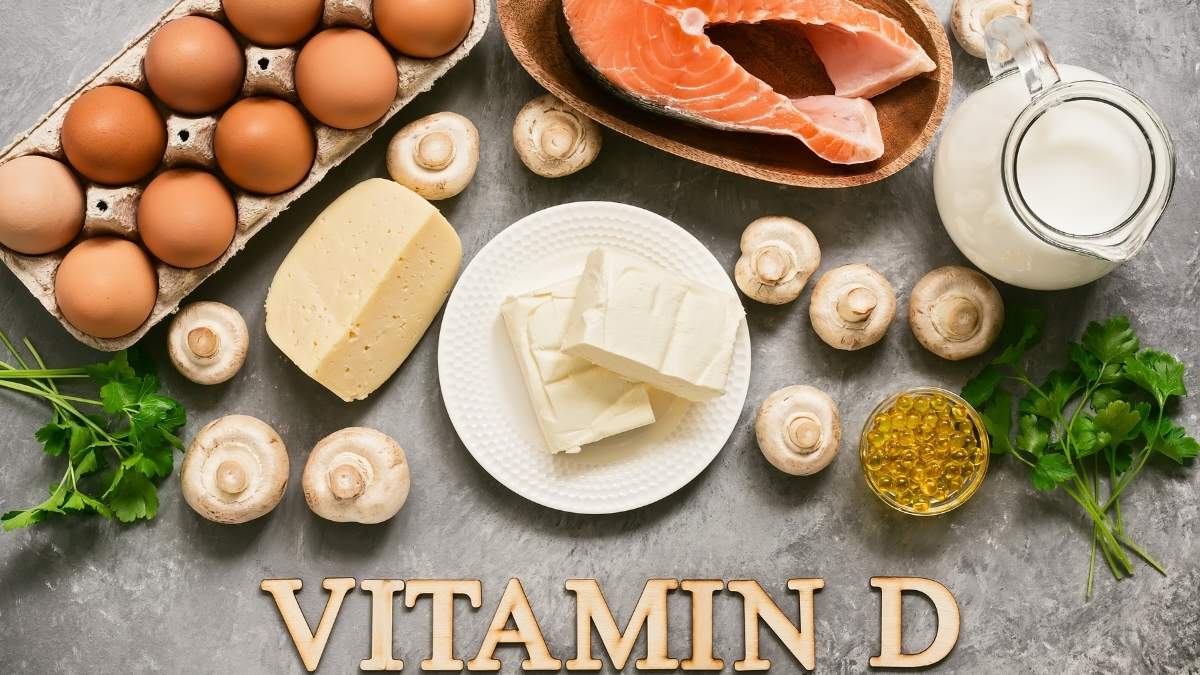
Women need 1,200mg of calcium starting at 51. Food sources beat supplements here — dairy, fortified orange juice, leafy greens, and edamame all count.
Vitamin B12 absorption drops as you age. Common medications like metformin and acid-reflux drugs make it worse. Eat more eggs, fish, meat, and dairy. Look for B12-fortified cereals if your intake is low.
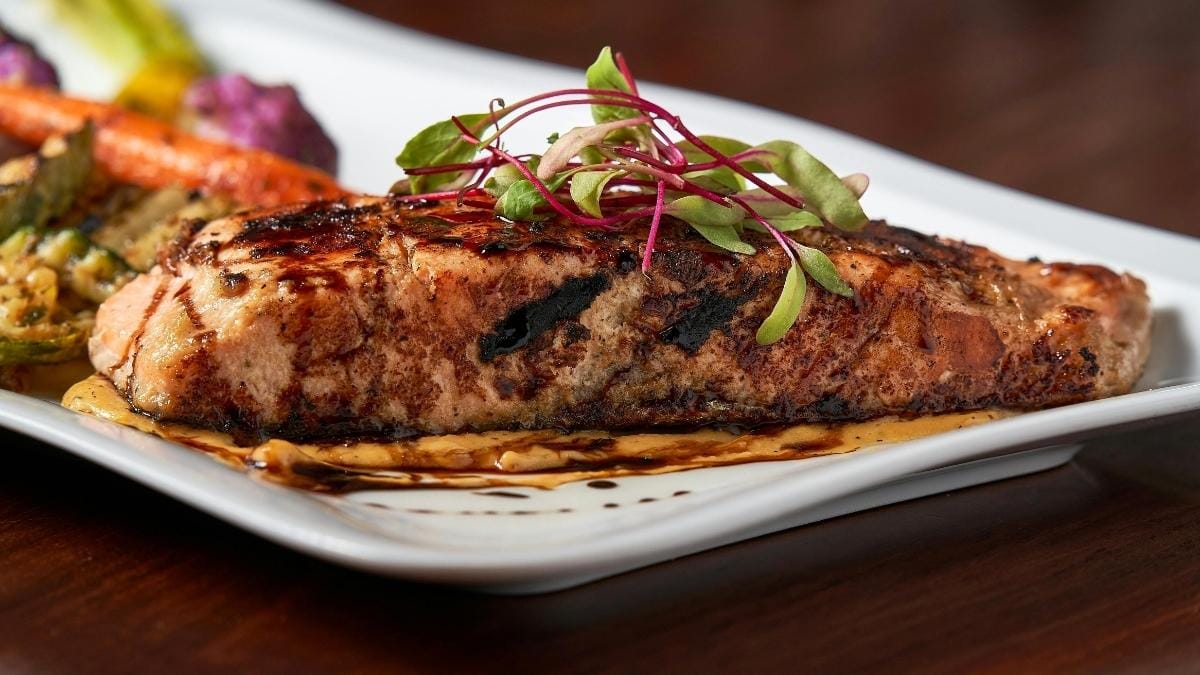
Omega-3 fatty acids reduce the inflammation that drives most age-related diseases. Eat fatty fish — salmon, sardines, mackerel — two to three times per week.
Fiber is also critical. Most adults over 50 eat far less than they need. Fiber feeds your gut bacteria, steadies your blood sugar, and lowers inflammation. You get it from the same foods already on this list.
The American Heart Association flagged in December 2024 that adults 60 and older are often dehydrated without knowing it. Drink water before you feel thirsty.
Building Your Practical Plate: A Day of Eating for Vibrant Aging in 2026
This is not a perfect diet. It is a realistic one that a working adult can actually do.
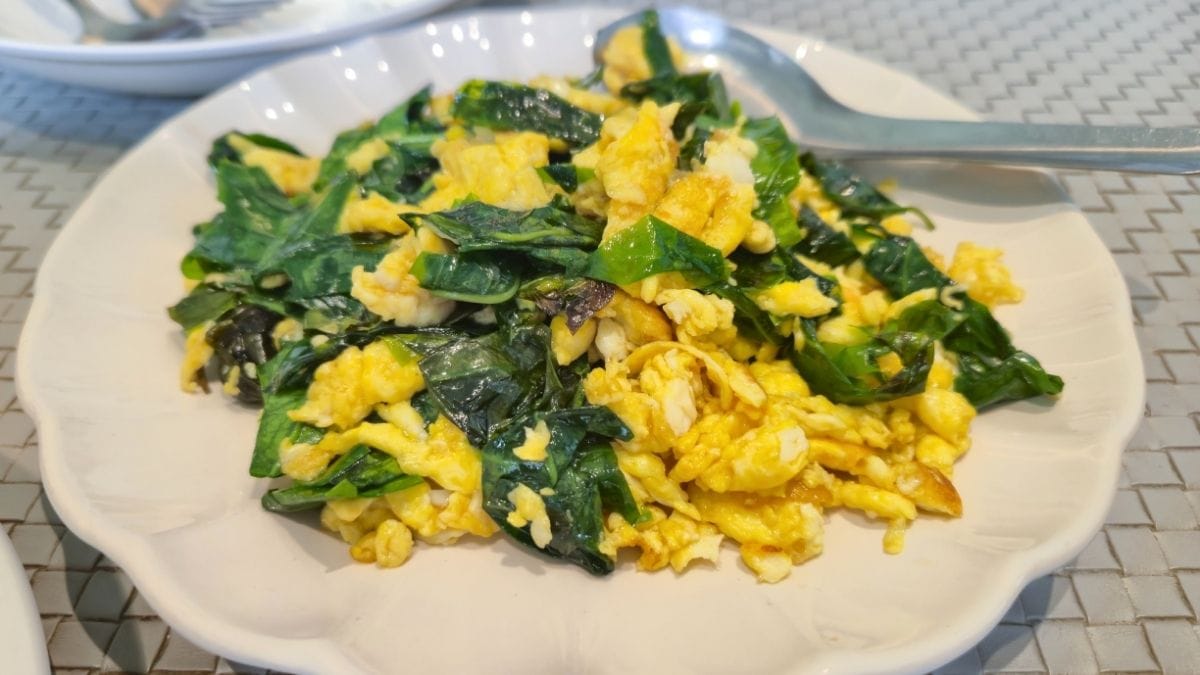
Breakfast: Two eggs scrambled with spinach.
One cup of Greek yogurt with blueberries and a tablespoon of ground flaxseed. One cup of green tea. That is about 28 grams of protein.
Lunch: Lentil and vegetable soup. A 3-oz piece of grilled salmon. One slice of whole grain bread. Water. That is about 32 grams of protein.
Afternoon snack: One ounce of walnuts with an apple, or a piece of low-fat cheese.
Dinner: Grilled chicken or tofu with roasted vegetables on a base of whole wheat pasta or brown rice. About 30 grams of protein.
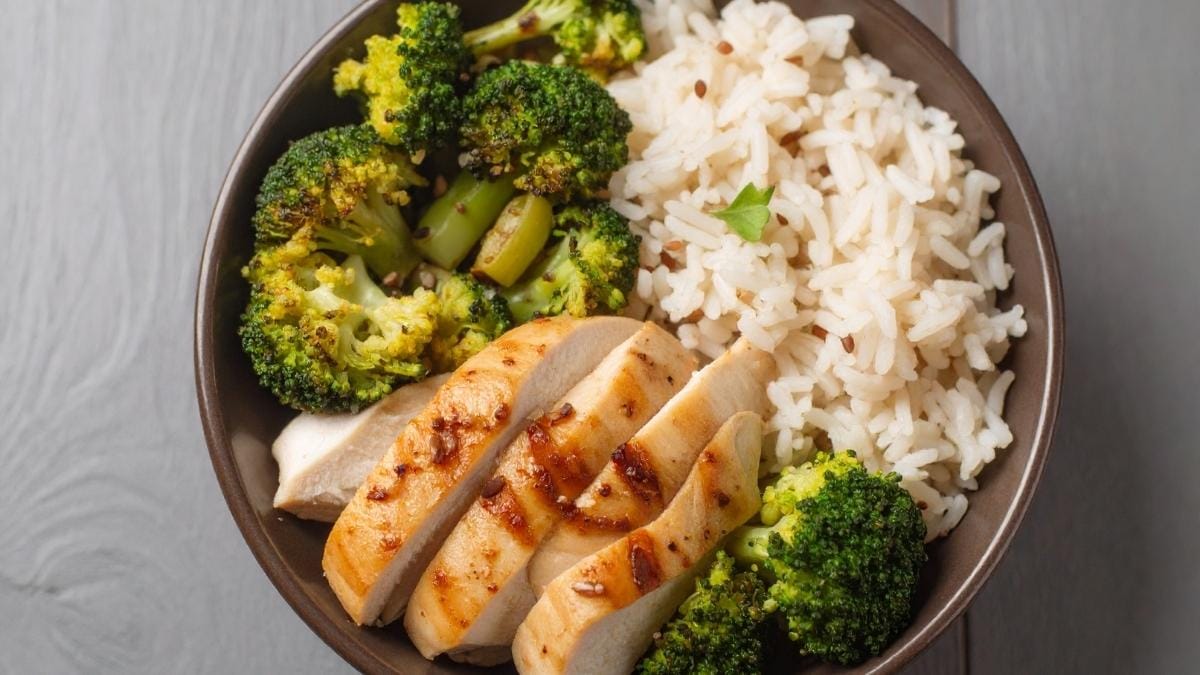
Your daily total: roughly 90 to 95 grams of protein. Rich in fiber, omega-3s, polyphenols, calcium, and B12.
One more thing to cut: replace one soda or fruit juice per day with water, herbal tea, or sparkling water. Sugar-sweetened drinks were directly linked to worse aging outcomes in the Harvard 30-year study. You do not have to be perfect. Start here.
Common Mistakes People Over 40 Make With Food (And How to Fix Them)
These are not obvious mistakes. They are subtle ones — and they add up fast.
Mistake 1: Eating like you are still 30.
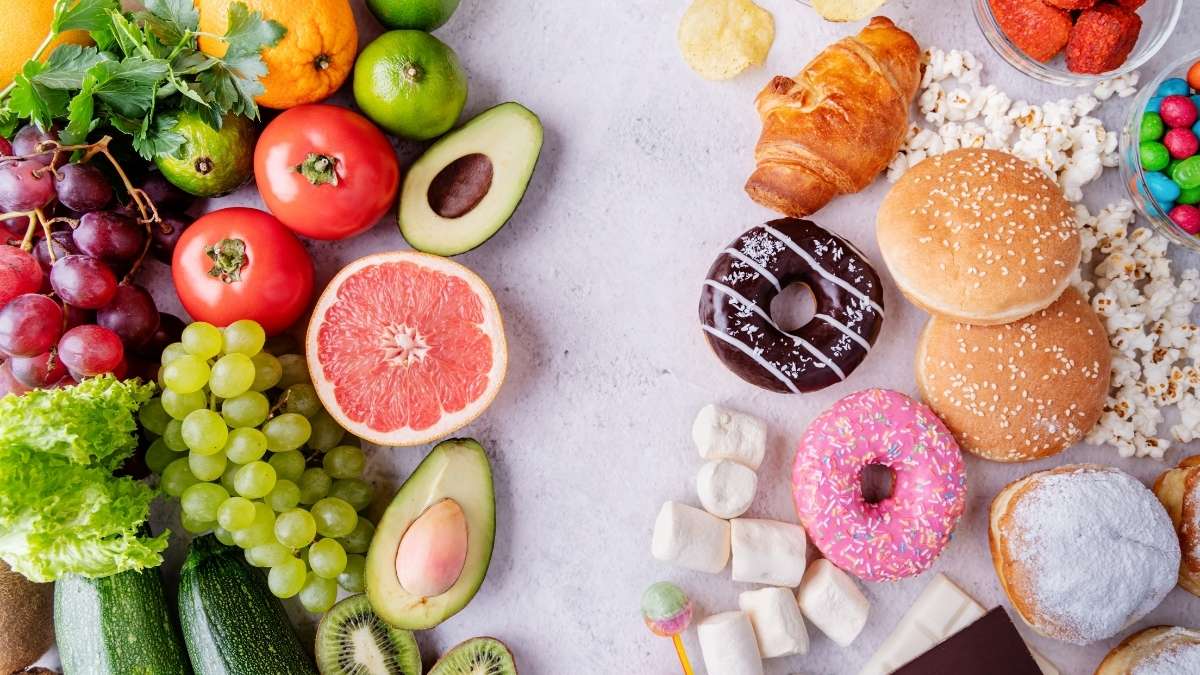
Your calorie needs are lower now. But nutrient needs are higher. Every meal has to work harder than it used to.
Mistake 2: Skipping protein at breakfast. Most people load protein at dinner. But your muscles benefit more when you spread protein across all three meals. Add eggs, yogurt, or cottage cheese to your morning.
Mistake 3: Cutting all carbs. Whole grains, legumes, and fruit are linked to healthy aging in multiple long-term studies. The problem is refined sugar and white flour — not all carbs.
Mistake 4: Waiting until you are thirsty.

Thirst signals weaken after 50. By the time you feel thirsty, you are already behind. Drink water with every meal, no exceptions.
Mistake 5: Replacing food with supplements. Supplements play a role, especially for B12 and vitamin D if you are deficient. But they cannot fix a poor overall diet. Food comes first.
Every single one of these mistakes is fixable — often in one meal.
Lastly:
The food choices you make in your 40s and 50s are the most controllable thing about how you age. Eat more protein. Add polyphenol-rich foods. Protect your gut with fiber. Cover your B12, calcium, and omega-3s. Drink more water.
Start this week. Add one egg to breakfast. That is enough.