

If you have been sleeping seven hours and still waking up exhausted, the problem probably has nothing to do with how much you slept.
Most people blame tiredness on bad sleep, low iron, or getting older. They try vitamins. They cut caffeine. Nothing works. The exhaustion stays. And nobody explains why.
Here is what most doctors do not tell you. After age 65, three specific things happen inside your body that drain your energy at the cellular level. These changes are real. They are measurable. And they are not your fault.
The good news? All three respond to the same simple actions. No expensive supplements needed. No complicated programs.
This article will show you exactly what is happening inside your body, why your energy keeps dropping, and what experts recommend doing about it in 2026. Let’s get into it.
This Is Not Normal Aging — Doctors Are Starting to Agree
Most people accept exhaustion after 65 as a fact of life. You should not.
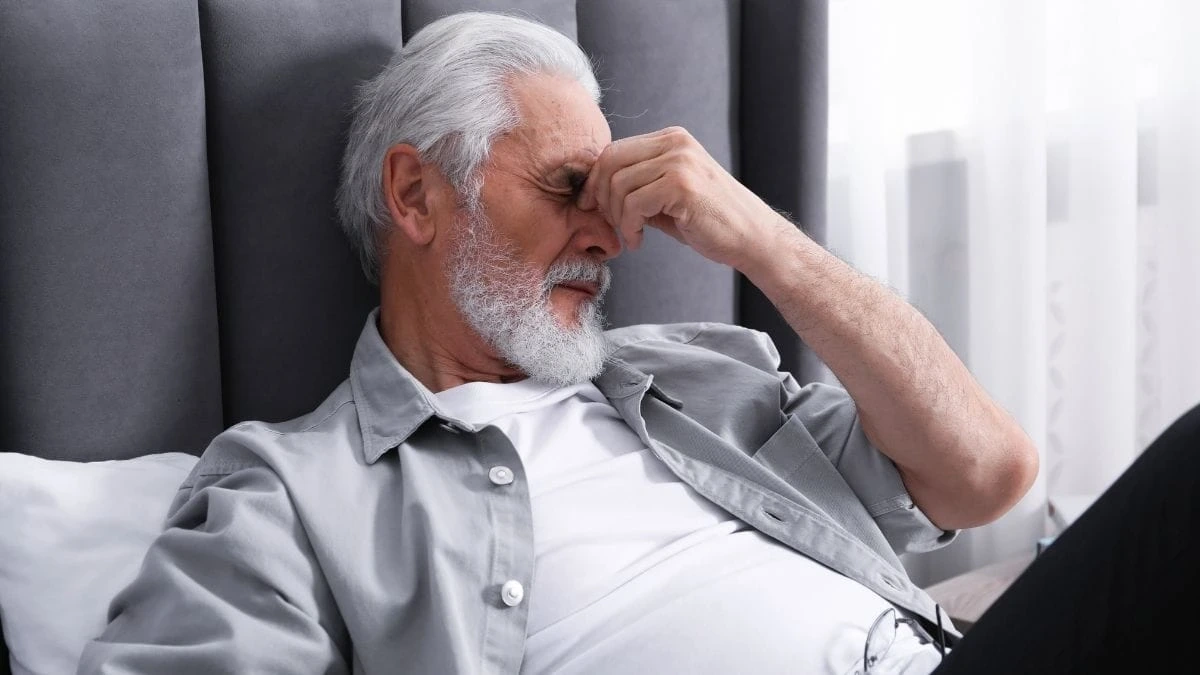
Researchers at Columbia University Medical Center studied over 2,100 adults between ages 65 and 104. They found that 18% met the criteria for anergia — a medical term for abnormal lack of energy.
Dr. Linda Fried from Columbia’s Mailman School of Public Health said a patient’s complaint of exhaustion “may be a very useful question in identifying older adults susceptible to functional decline.”
That means your tiredness is a signal. Not a sentence.
The same study linked low energy to arthritis, heart problems, sleep disorders, and other serious health issues. Fatigue in older adults is not a small complaint. It points to something deeper.

There is also a difference between normal tiredness after activity and exhaustion that never lifts. If you rest and still feel drained, that is not laziness. That is your body telling you something is wrong at the cellular level.
To fix it, you need to look inside the cell itself.
Your Cells Are Running Out of Fuel — Here Is Why
Think of mitochondria as the power plants inside every cell in your body. Their job is to turn food into energy. After 65, those power plants start breaking down.
Research published in PubMed Central shows that mitochondrial dysfunction is a central driver of cellular aging.
It causes DNA damage, inflammation, and communication failures between cells. Less mitochondrial output means less ATP — the fuel your body runs on. You feel that as constant tiredness.
And mitochondria cannot run without their own fuel. That fuel is a molecule called NAD+.
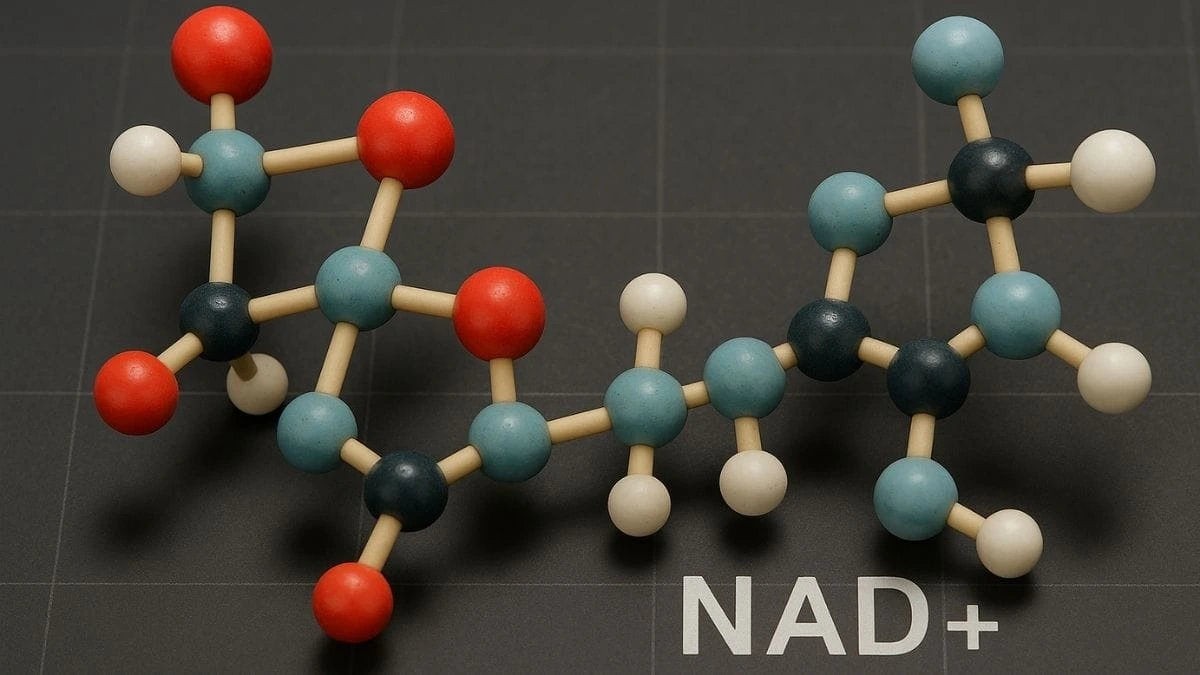
Here is the problem. You lose about 40–50% of your NAD+ levels between your 20s and age 50. After 60, the decline gets steeper, especially in men. Less NAD+ means your mitochondria work less efficiently. Your energy drops further.
Research from Jinfiniti shows this NAD+ drop contributes to slower recovery, more fatigue, and higher disease risk. Adults aged 75 have total energy output similar to a child aged 7 to 11 — despite having a much larger body to power.
Sarcopenia — The Muscle Loss Nobody Warned You About

There is a condition affecting up to 50% of adults over 80. It causes tiredness, weakness, and loss of independence. Most people have never heard its name.
It is called sarcopenia — age-related muscle loss.
Between ages 65 and 80, you can lose up to 8% of your muscle mass every decade. Your muscle fibers shrink in number and size.
The fast-twitch fibers that give you power and stamina are hit hardest. According to UT Southwestern Medical Center, about 25–45% of U.S. seniors have sarcopenia right now.
When muscle drops, your body works harder to do the same tasks. Climbing stairs that used to feel easy now feels like a workout. That effort drains you by mid-morning.
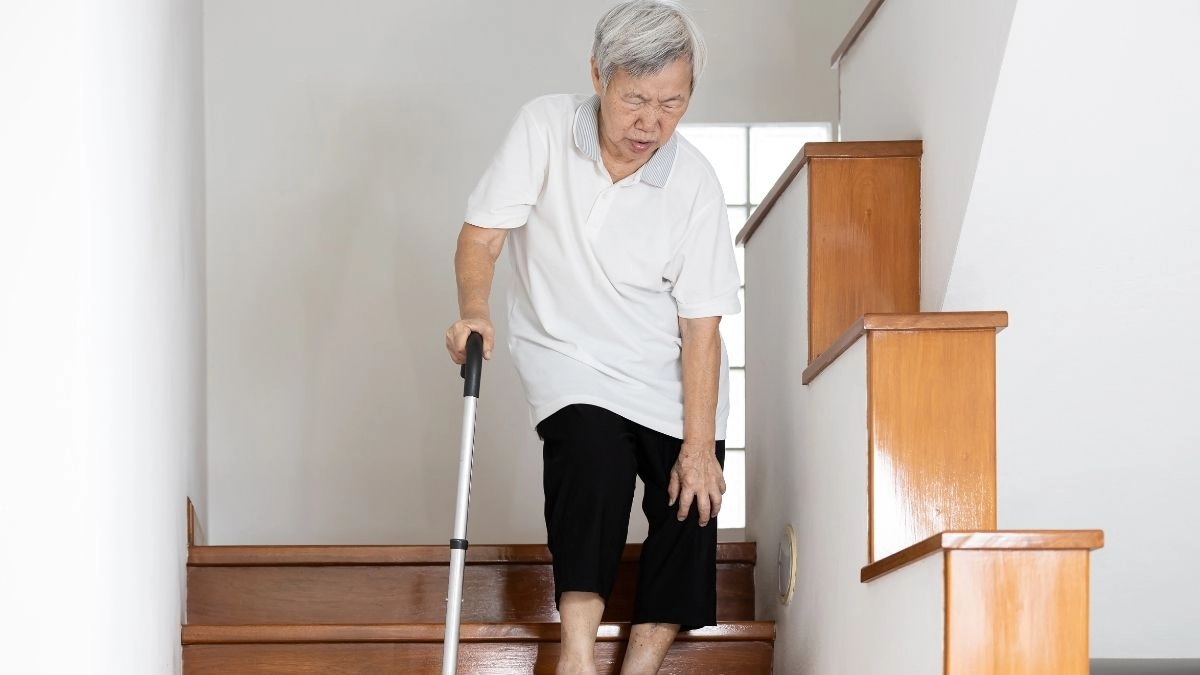
The practical self-check is called the SARC-F test. It asks five questions about your Strength, walking Assistance needed, Rising from a chair, Climbing stairs, and Falls. If you score 4 or higher, ask your doctor about sarcopenia.
The good news? Muscle loss can be reversed.
Sleep After 65 Is Not the Same Sleep You Used to Get
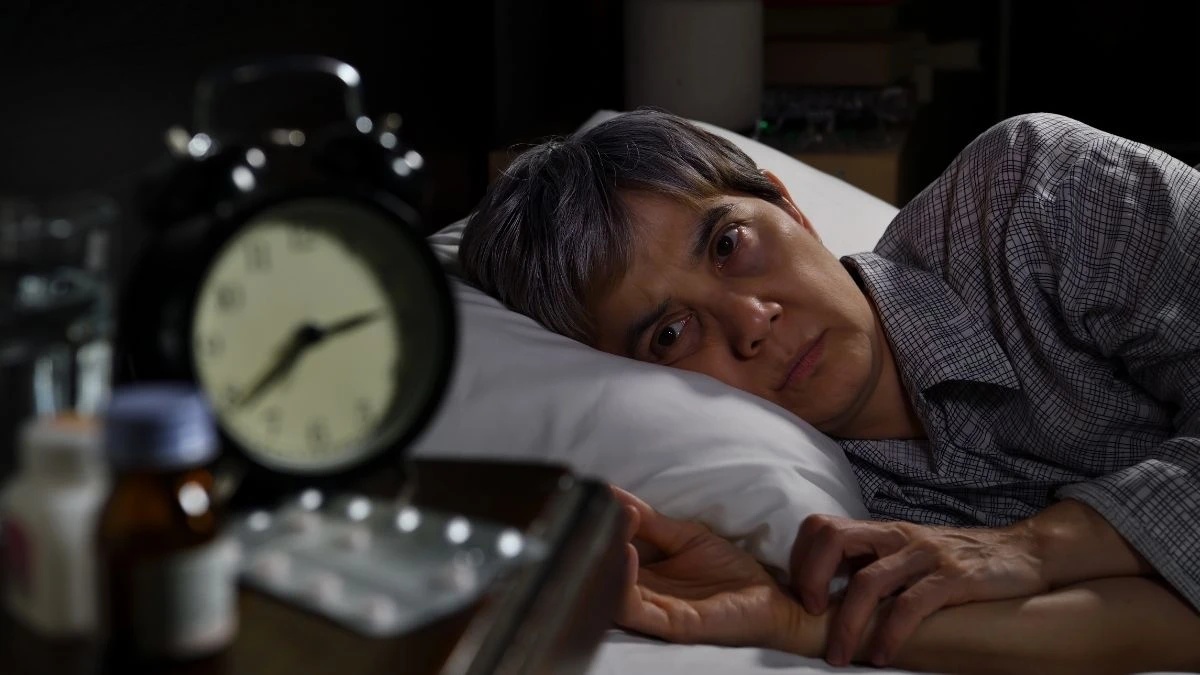
You may be sleeping eight hours and still waking up tired. This is not insomnia. It is biology.
As you age, a tiny part of your brain called the suprachiasmatic nucleus (SCN) weakens. This is your body’s internal clock.
When it slows down, your sleep schedule shifts. You fall asleep earlier. You wake earlier. And your deep sleep — the most restorative stage — decreases.
Research published by Springer confirms that older adults spend less time in deep sleep and REM sleep. They wake up more often through the night. Every interruption chips away at real recovery.
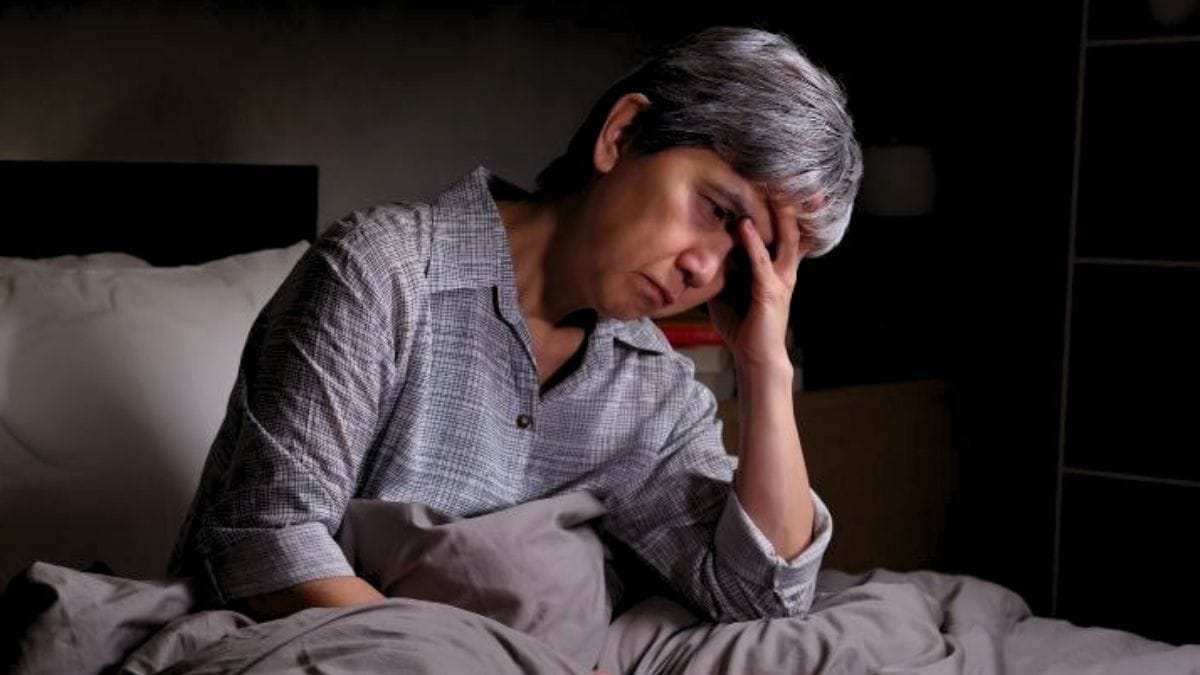
Nearly half of adults over 65 report sleep problems, according to sleep health researchers. Insomnia increases fatigue risk by 5.5 times in older adults.
Making it worse — most older people get only about one hour of natural daylight per day. Without that light signal, the body’s clock gets weaker and weaker. Your sleep becomes lighter. Your energy in the morning drops.
What Experts Recommend Doing in 2026
All three causes — cell failure, muscle loss, and poor sleep — respond to the same basic actions. Here is what the current evidence supports.
The Blueprint for Healthy Aging
Scientific essentials for preserving muscle, vitality, and restorative rest
Exercise
- Resistance Training: Considered the ultimate first-line defense to prevent or delay sarcopenia.
- Frequency: Aim for 2 to 4 sessions per week. No gym required—bodyweight squats, bands, and light weights count.
- NAD+ Vitality: Active movement boosts NAD+ levels, mirroring the cellular profile of younger adults.
Nutrition
- Elevated Protein: Older adults require more protein. Target 1.0 to 1.2 grams per kilogram of body weight daily.
- Mediterranean Diet: Prioritize vegetables, whole grains, lean proteins, legumes, and olive oil.
- Muscle Protection: Studies robustly link this dietary framework to enhanced baseline muscle function.
Sleep
- Morning Sun: View outdoor light within 1 hour of waking to reset your internal clock naturally.
- Circadian Rhythm: Anchor your biological clock by waking and sleeping at identical times every single day.
- Digital Hygiene & CBT-I: Avoid screens pre-bed. Choose CBT-I over medication for superior long-term insomnia relief.
Lastly
Fatigue after 65 is not inevitable. Three biological changes — cellular energy failure, muscle loss, and disrupted sleep — are driving it.
All three respond to movement, protein, and morning light. Talk to your doctor about a grip strength test or SARC-F screening. Managing energy decline after 65 starts with understanding what is actually happening.