
Only 9.3% of over 100,000 Americans in a 30-year Harvard study reached age 70 free of chronic disease. That number is shocking. But here’s the good news — the people who made it had one thing in common: they ate better, consistently, over time.
If you’re over 50, you’ve probably heard a lot of conflicting advice about food. Eat this. Avoid that. Take this supplement. It gets confusing fast.
This article cuts through the noise. It’s based on a real 2025 Harvard study published in Nature Medicine.
You’ll learn which foods that support healthy aging after 50 actually showed up in the data — and exactly how to start eating them without flipping your entire life upside down.
No fad diets. No expensive superfoods. Just clear, honest guidance on what to eat after 50 to give yourself a real shot at aging well.
What the Harvard Study Actually Found
Harvard tracked 105,015 Americans over 30 years. That’s one of the biggest nutrition studies on aging ever done. Researchers looked at people in their 40s, 50s, and 60s and followed them into old age.
They didn’t just measure who lived longest. They measured who reached age 70 free of major chronic diseases — while still having good mental, physical, and cognitive health. That’s a much higher bar.

Only 9,771 people out of 105,015 hit that mark. Just 9.3%.
The best-performing diet was called the AHEI — the Alternative Healthy Eating Index. It’s not a branded diet. It’s a scoring system that rewards eating whole, minimally processed foods.
People who scored highest on the AHEI had an 86% greater likelihood of healthy aging at 70. At age 75, they were 2.2 times more likely to still be in good health.
That’s not a small difference. That’s a massive gap — and food was the key factor separating the two groups.
The 9 Foods Harvard Research Consistently Highlights
The study looked at eight dietary patterns. Across all of them, certain foods kept showing up on the right side of the data. These nine foods align directly with what the research found.
1 – Leafy Green Vegetables — Spinach, Kale, Collard Greens
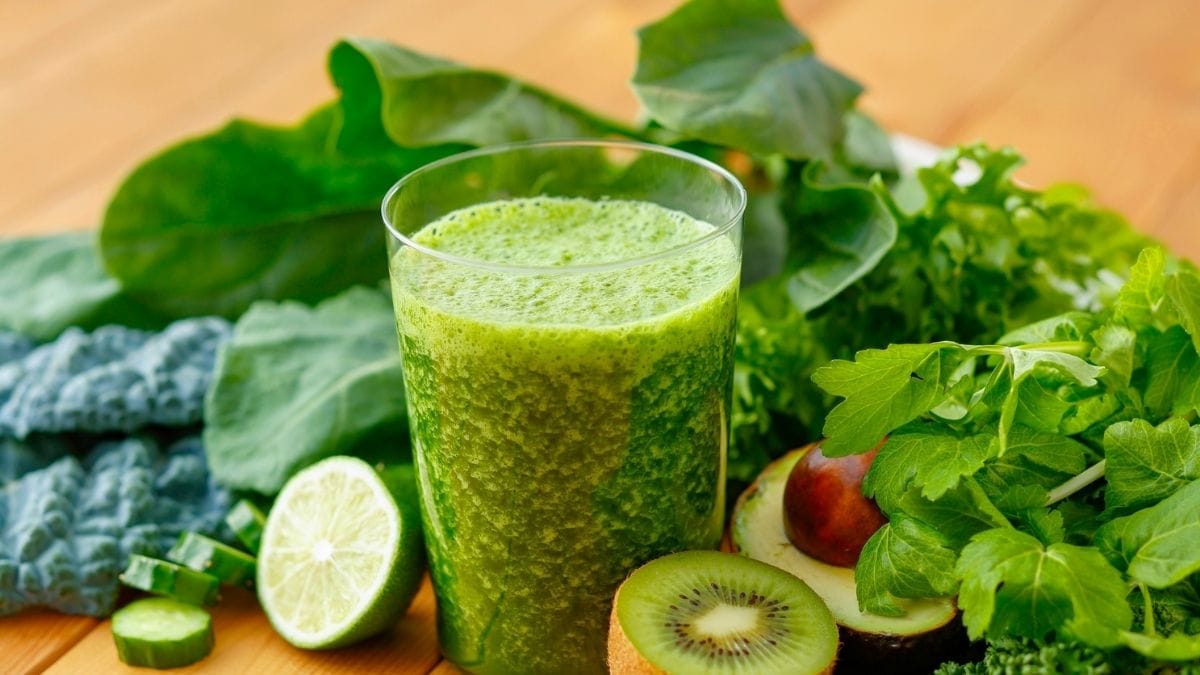
Higher intake of fruits and vegetables was directly linked to better odds of healthy aging in the Harvard data. Leafy greens are the most nutrient-dense option in that category.
They supply folate, vitamin K, lutein, and antioxidants. These nutrients reduce inflammation in the body — and chronic inflammation is one of the main drivers of age-related disease.
Leafy greens also help reduce your risk of type 2 diabetes, which becomes more common after 50.
Practical tip: Aim for 1 to 2 cups daily. You don’t need fresh. Frozen spinach keeps its nutrients and costs less. Toss it into eggs, soup, or a smoothie. It takes 2 minutes.
2 – Whole Fruit — Not Juice
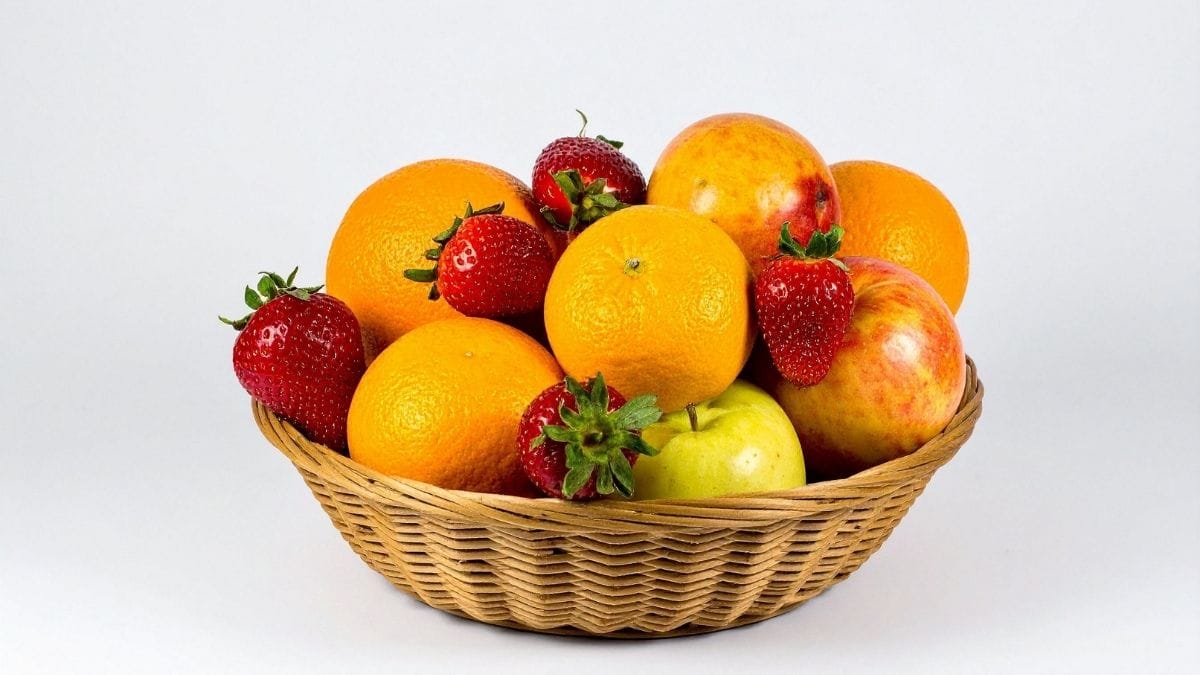
Women who ate the most high-quality carbohydrates — including whole fruit — in midlife were 50% more likely to be healthy agers at 70. That stat comes from research connected to the same Harvard data pool.
Whole fruit gives you fiber, polyphenols, and natural sugar with a slower blood sugar response than juice. When you drink juice, you lose the fiber and spike your blood sugar fast. That’s the difference.
Berries, apples, and oranges are especially rich in polyphenols — plant compounds that fight oxidative stress and inflammation.
Practical tip: Aim for 2 to 3 servings of whole fruit per day. Frozen berries count. Add them to yogurt or oatmeal. Skip the juice aisle entirely.
3 – Whole Grains — Oats, Brown Rice, Quinoa
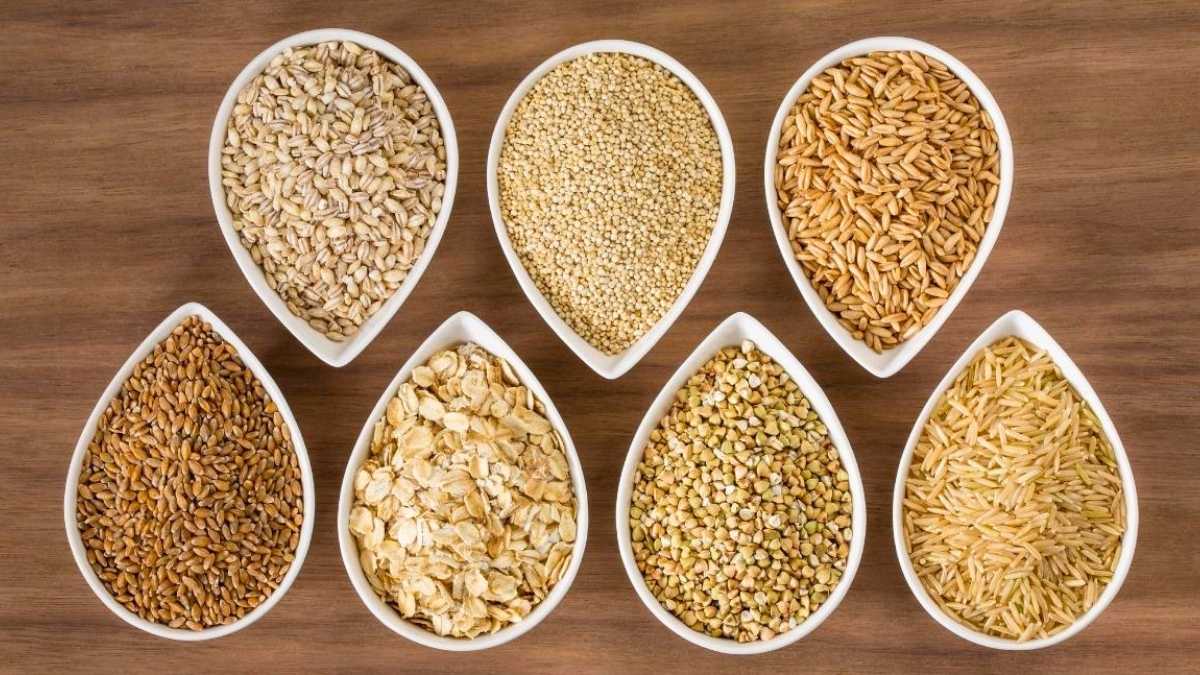
Higher intake of whole grains was linked to better healthy aging outcomes in the Harvard study. Refined grains — white bread, white rice, pastries — worked in the opposite direction.
Here’s why it matters. Whole grains still have their fiber intact. That fiber feeds your gut bacteria, slows digestion, stabilizes blood sugar, and helps lower LDL cholesterol. Refined grains do none of that.
After 50, blood sugar regulation gets harder. Whole grains help your body manage that more smoothly.
Practical tip: Swap white rice for brown rice or farro this week. Overnight oats take 5 minutes to prepare the night before. Start with one swap — you don’t need to change everything at once.
4 – Nuts — Walnuts, Almonds, Pistachios
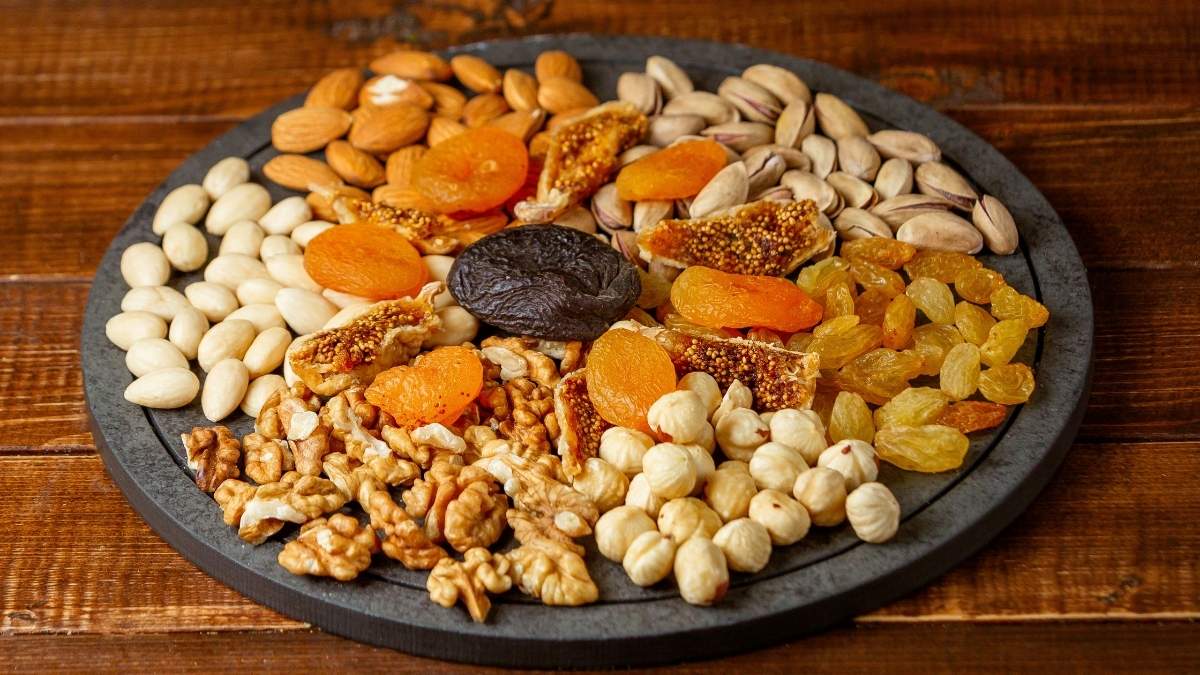
Nuts showed up consistently across all eight dietary patterns in the Harvard study as a marker of healthy eating. That kind of consistency across different diets is worth paying attention to.
Walnuts in particular are used in the Green Mediterranean diet specifically to increase polyphenol intake. That diet was linked to significantly reduced brain aging markers in research participants.
Nuts give you healthy fats, plant protein, fiber, and magnesium — all in a small package. They’re one of the easiest foods to add to your day because they require zero preparation.
Practical tip: One small handful — about 1 oz or 28g — per day is enough. Choose unsalted, unroasted when possible. Keep a bag at your desk or in the car.
5 – Legumes — Lentils, Chickpeas, Black Beans
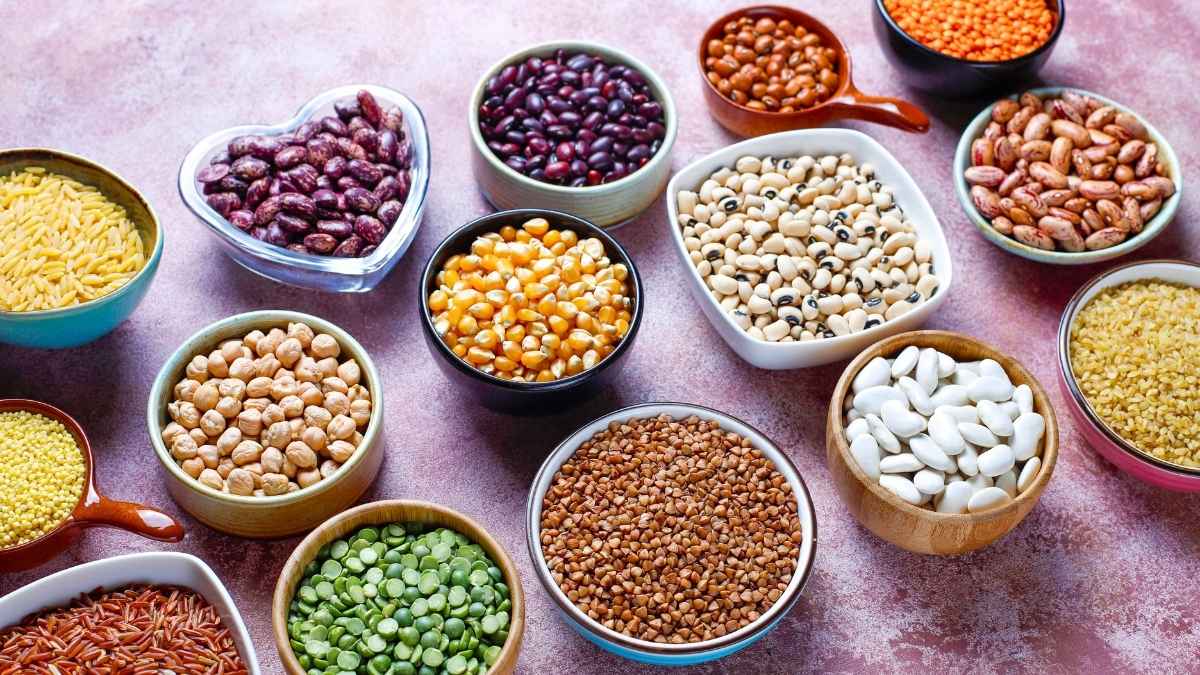
A 2024 study from Tufts and Harvard found that women who ate the most plant protein in their 40s and 50s had a 46% greater likelihood of healthy aging. Legumes are one of the best and most affordable plant protein sources you can eat.
They also feed the beneficial bacteria in your gut. A U.S. study found that a healthier gut microbiome is associated with slower biological aging. That means legumes may be helping you age better from the inside out.
They’re also cheap, filling, and easy to cook.
Practical tip: Add canned chickpeas to your next salad or soup. Lentils cook in about 20 minutes with no soaking required. Even one serving per week is a start.
6 – Fatty Fish — Salmon, Sardines, Mackerel
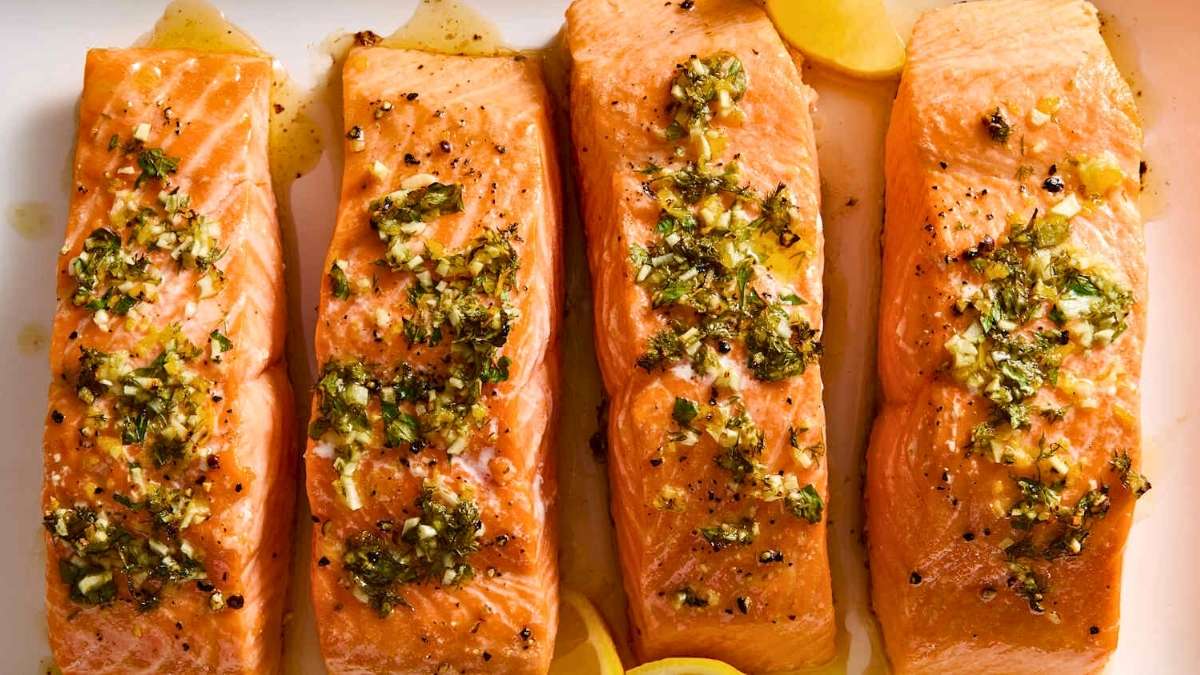
Fish is a core part of the AHEI and the Mediterranean diet — two of the top-performing patterns in the Harvard study. It’s a clean source of protein and omega-3 fatty acids.
Omega-3s reduce systemic inflammation, support brain health, and lower cardiovascular disease risk. After 50, all three of those things become more important.
CNN health experts confirmed that fish and lean meat support healthy aging, while highly processed meats do the opposite. The swap matters.
Practical tip: Two servings of fatty fish per week is the standard recommendation. Canned sardines are one of the most nutrient-dense and affordable options available. They’re ready to eat — no cooking needed.
7 – Olive Oil and Healthy Unsaturated Fats
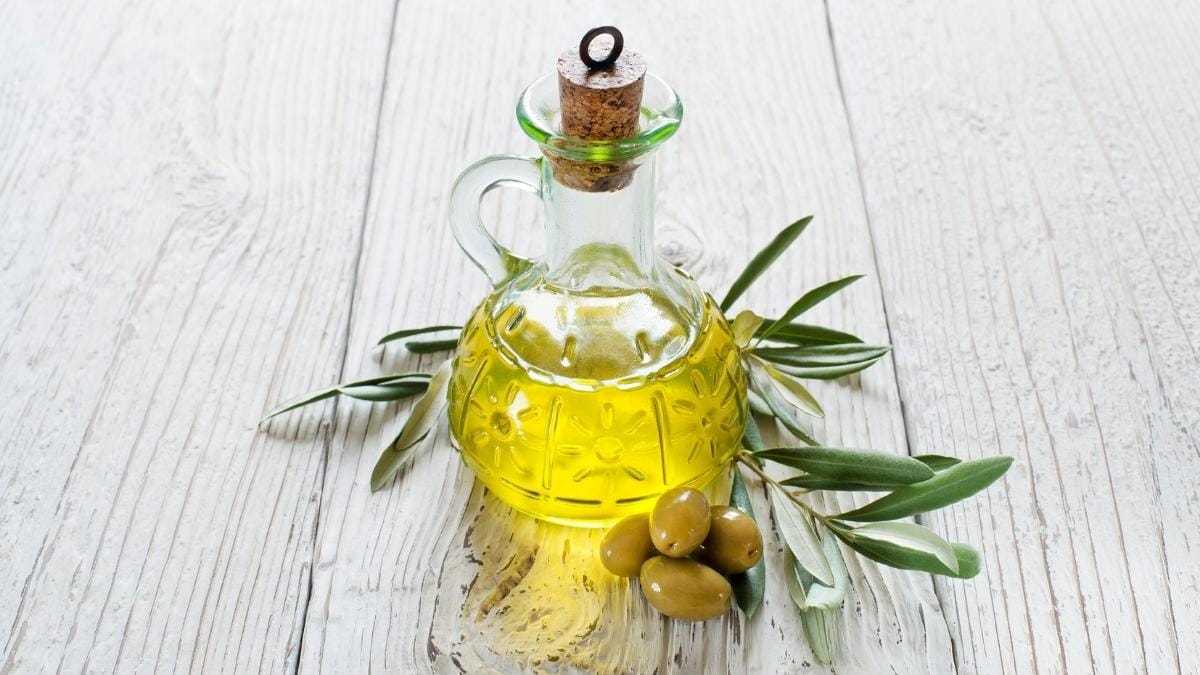
Higher intake of unsaturated fats was directly linked to greater odds of healthy aging in the Harvard study. Olive oil is the most practical way to get more of them.
Extra virgin olive oil contains a compound called oleocanthal. It acts like a mild natural anti-inflammatory in the body. Using it regularly — instead of butter or seed oils — is one of the simplest upgrades you can make in your kitchen.
Avocados and seeds like flaxseed and chia also count as healthy unsaturated fats.
Practical tip: Use extra virgin olive oil as your main cooking fat starting today. Drizzle it on vegetables, use it in salad dressing, or cook your eggs in it instead of butter. One change, real benefit.
8 – Fermented Dairy — Yogurt, Kefir
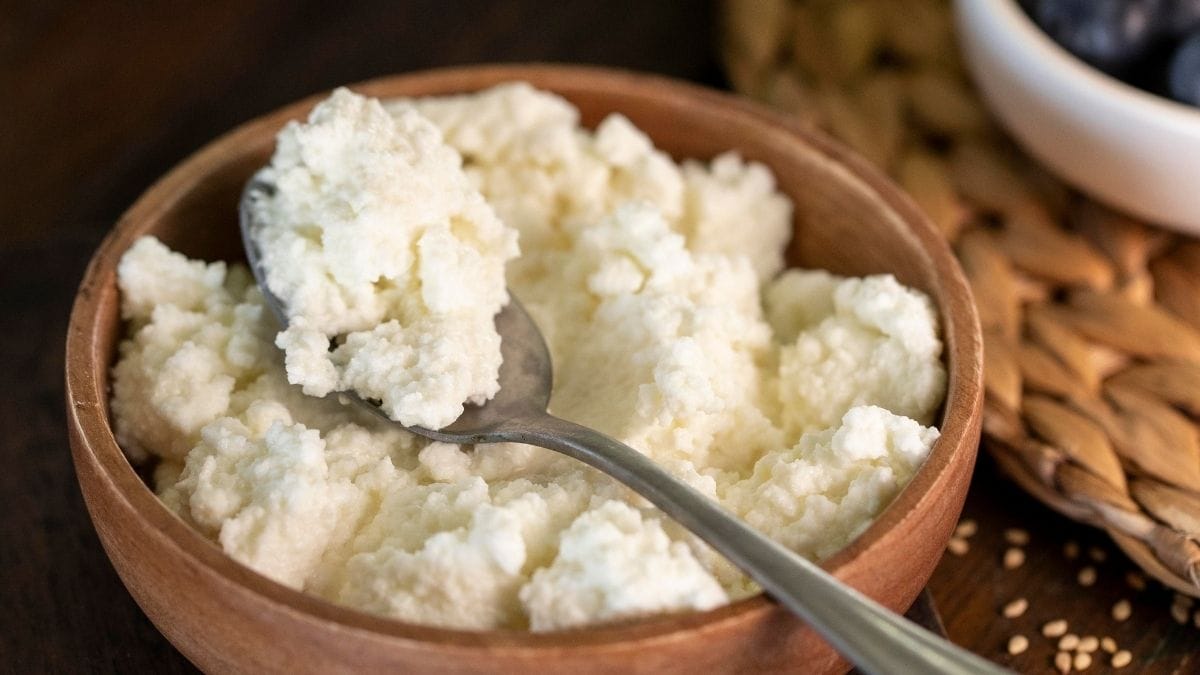
Fermented dairy — including yogurt, kefir, buttermilk, and aged cheese — is linked to a gut microbiome profile associated with delayed biological aging. That research comes from studies cited in the January 2026 Globe and Mail health report on aging diets.
Dairy also supports bone density. After 50, bone loss speeds up — especially in women after menopause. Getting enough calcium and protein from food becomes more important, not less.
Plain yogurt gives you both, plus live bacteria cultures that support gut health.
Practical tip: Choose plain Greek yogurt over flavored versions — flavored ones often have added sugar. Look for “live active cultures” on the label. Add fruit or honey yourself to control what’s in it.
9 – Green Tea

The Green Mediterranean diet includes 3 to 4 cups of green tea per day. Participants following this pattern had significantly reduced levels of brain proteins linked to accelerated brain aging.
Green tea is one of the richest food sources of a polyphenol called EGCG. It has strong antioxidant and anti-inflammatory effects. It also contains L-theanine, which supports calm focus without the jitteriness of coffee.
It won’t replace everything coffee does. But swapping even one or two cups a day can add up over time.
Practical tip: Start with one cup of green tea in the morning. Matcha is a concentrated version — one teaspoon mixed with hot water gives you a stronger dose of the same compounds. Don’t add sugar.
What to Eat Less Of — The Other Side of the Study
The Harvard study didn’t just identify what helped. It also showed what hurt. Higher intake of trans fats, sodium, sugary beverages, and processed meats was linked to worse aging outcomes.
Sugar-sweetened drinks, deli meats, fried chicken, and ultra-processed snacks consistently showed up on the wrong side of the data across multiple dietary patterns.

This isn’t about being perfect. It’s about proportion. These foods don’t need to disappear from your life — they just can’t be everyday habits if you want different results.
3 easy swaps to start with:
- Soda → sparkling water with a slice of lemon
- Deli meat sandwich → tuna or egg on whole grain bread
- Packaged snack → a small handful of nuts
One swap at a time. That’s all this takes.
How to Start Without Overhauling Your Entire Diet

Here’s something the lead researcher, Anne-Julie Tessier, said directly: “It’s never too late to make any changes in your diet.” That’s not a motivational quote. That’s the conclusion of 30 years of data.
She also pointed out that fresh produce isn’t required. Frozen and canned fruits and vegetables are nutritionally comparable — and often cheaper. Budget is not a barrier here.
The study also found no single perfect diet. All eight eating patterns showed benefits. That means you can fit these foods into whatever you already eat — whether that’s South Asian, Caribbean, Mediterranean, or Midwestern home cooking.
Try this: add one food from this list each week. That’s nine weeks to a meaningfully better diet. No pressure. No perfection needed. Just one new habit at a time.
One important note: If you have diabetes, kidney disease, heart disease, or any chronic condition, talk to your doctor or a registered dietitian before making big changes.
Final Thought:
A 30-year Harvard study makes one thing clear. What you eat in your 50s shapes how you feel in your 70s. These nine foods aren’t rare or expensive. They’re real, whole, and in every grocery store. Pick one. Add it this week. Aging well after 50 starts with what’s on your plate today.