

Most people over 65 stop moving — not because they want to, but because nobody told them what is actually safe for their joints.
You will learn exactly what geriatric specialists recommend — which activities are safe, how much to do, and how to know when your joints are telling you to stop.
Joint-friendly exercise for seniors does not mean doing less. It means doing the right things. And with the right low-impact movement plan, staying active after 60 is not only possible — it is one of the best things you can do for your body.
Why Your Joints Feel Different After 60
Your joints at 65 are not the same as your joints at 40. That is not a complaint. That is just biology.
After age 35, bone density starts to drop. By the time you reach 60, cartilage — the soft tissue that cushions your joints — gets harder and less flexible. This makes movement feel stiffer and sometimes painful.
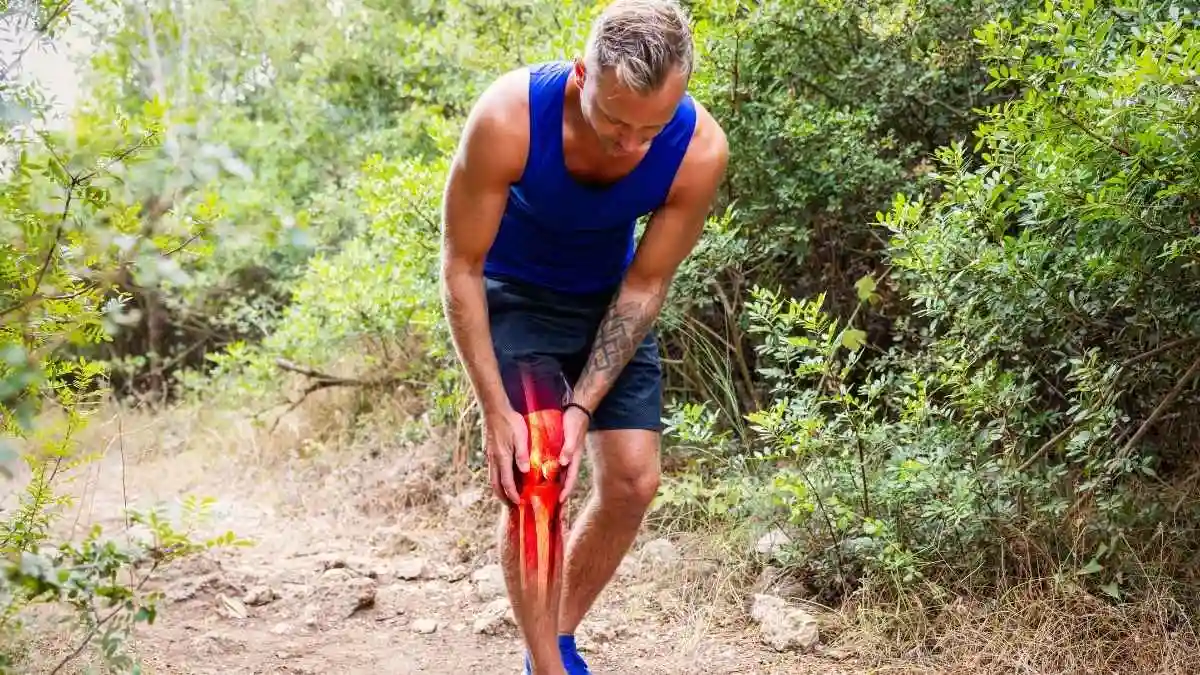
Normal aging also brings reduced muscle strength, balance problems, and tighter joints. These changes make everyday tasks harder. Getting out of a chair. Climbing stairs. Carrying groceries.
Here is a number worth knowing: falls happen in 30% of adults over 65 every single year. And even a non-fatal fall can lead to broken bones or serious head injuries.
Half of all older adults report knee or hip pain. A sedentary lifestyle makes that pain worse over time — not better. Geriatric physical therapy exists exactly for this reason.
Specialists trained in joint health aging and osteoarthritis in seniors can help you move safely. Most people do not know how much they are actually capable of doing.
The One Rule Geriatric Specialists Repeat Most
The goal is not to push harder. The goal is to move consistently.
Geriatric specialists do not want you gasping through a workout. They want you moving regularly, with enough effort to help your heart and muscles — without crushing your joints.
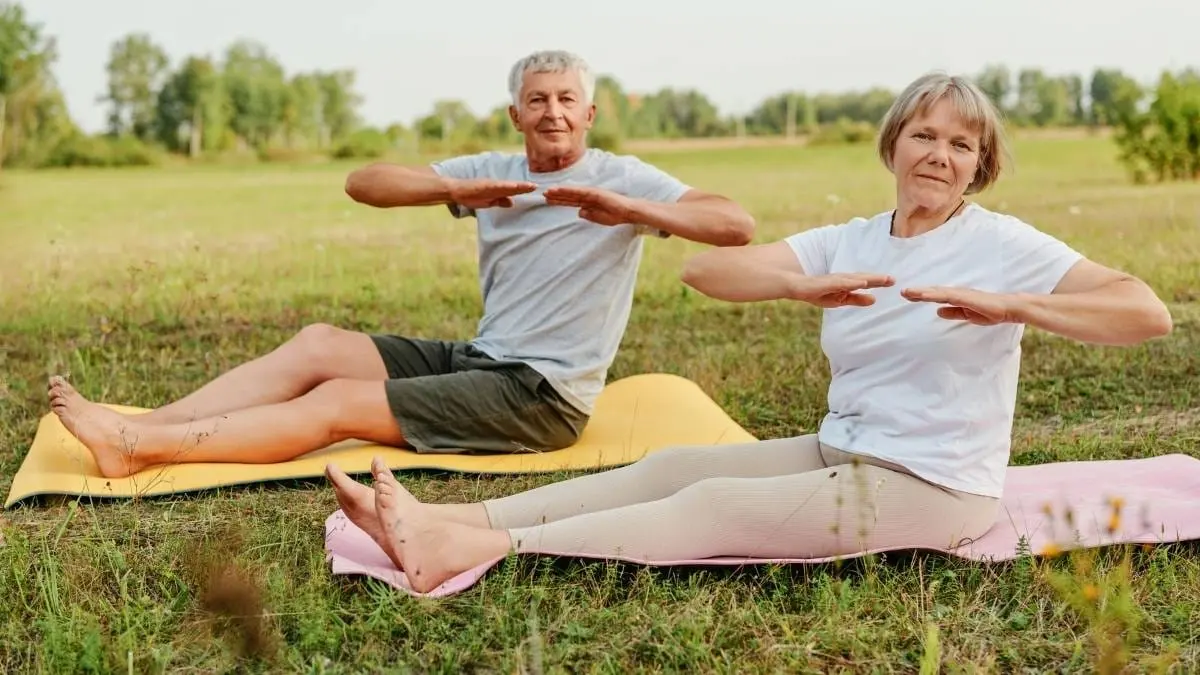
Current guidelines from the American Academy of Family Physicians recommend 150 minutes of moderate aerobic activity per week. Or 75 minutes of more vigorous activity. Plus two days of muscle-strengthening work.
If that sounds like a lot, here is the good news. The CDC says some activity is always better than none. You can split it into 10 to 15-minute sessions. You do not have to hit targets all at once.
Here is a real example. A 70-year-old with mild knee osteoarthritis can start with two 15-minute walks on flat ground, three days a week. That already meets the baseline recommendation.
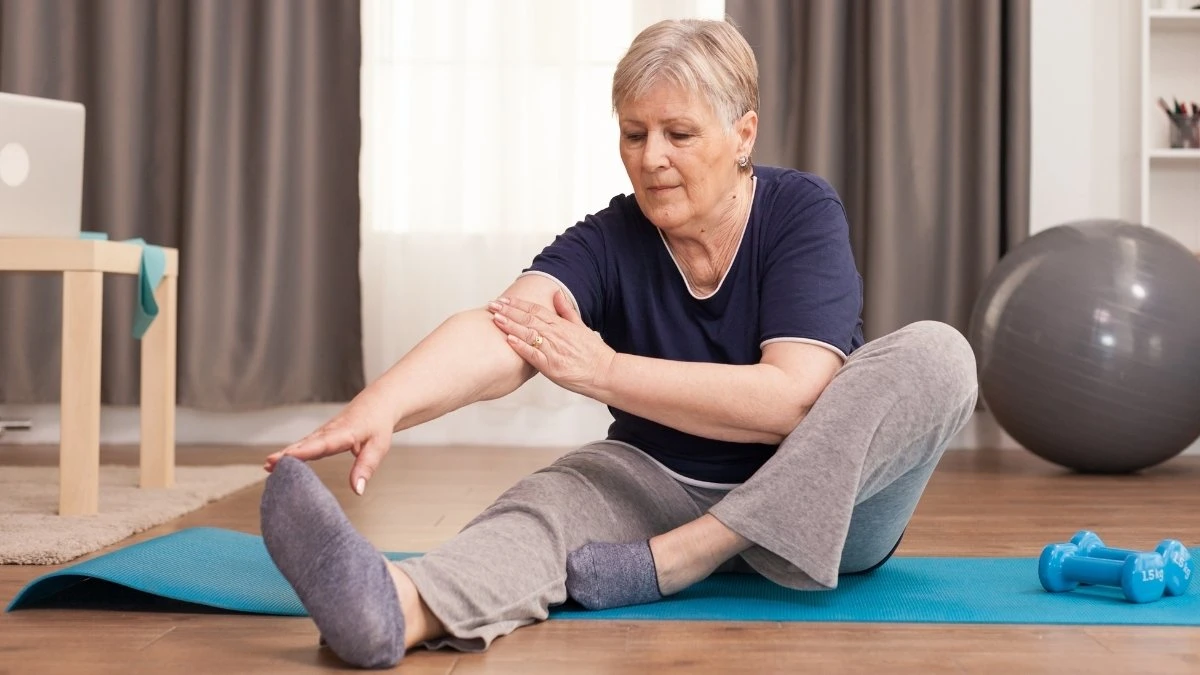
An exercise prescription for older adults must match your personal health. What is fine for one person may be too much for another.
The 5 Activities Geriatric Specialists Recommend Most
When doctors work with older patients, five activities come up again and again. Here they are — simple, safe, and backed by research.
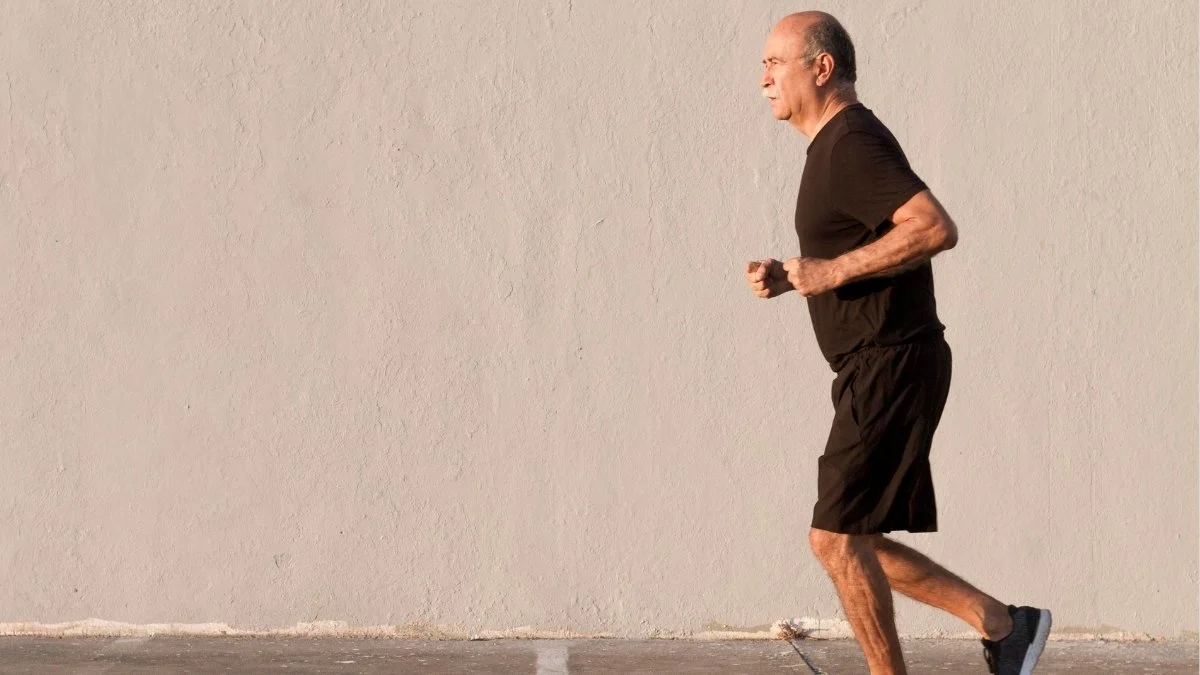
Walking is the easiest place to start. Around 8,000 to 10,000 steps a day has proven benefits for blood pressure, sleep quality, and even reducing dementia risk.
Water aerobics and swimming take pressure off your joints. Water buoyancy means your body weighs less as you move. That makes it perfect for anyone with osteoarthritis or sore knees.
Tai Chi looks gentle. But the results are not. One study found that older adults who practiced Tai Chi regularly had a 47% reduction in falls. Its slow movements build leg strength and improve balance.
Chair yoga and stretching for just 15 to 20 minutes a day can improve flexibility and reduce stiffness. It also calms the nervous system, which helps with pain perception.
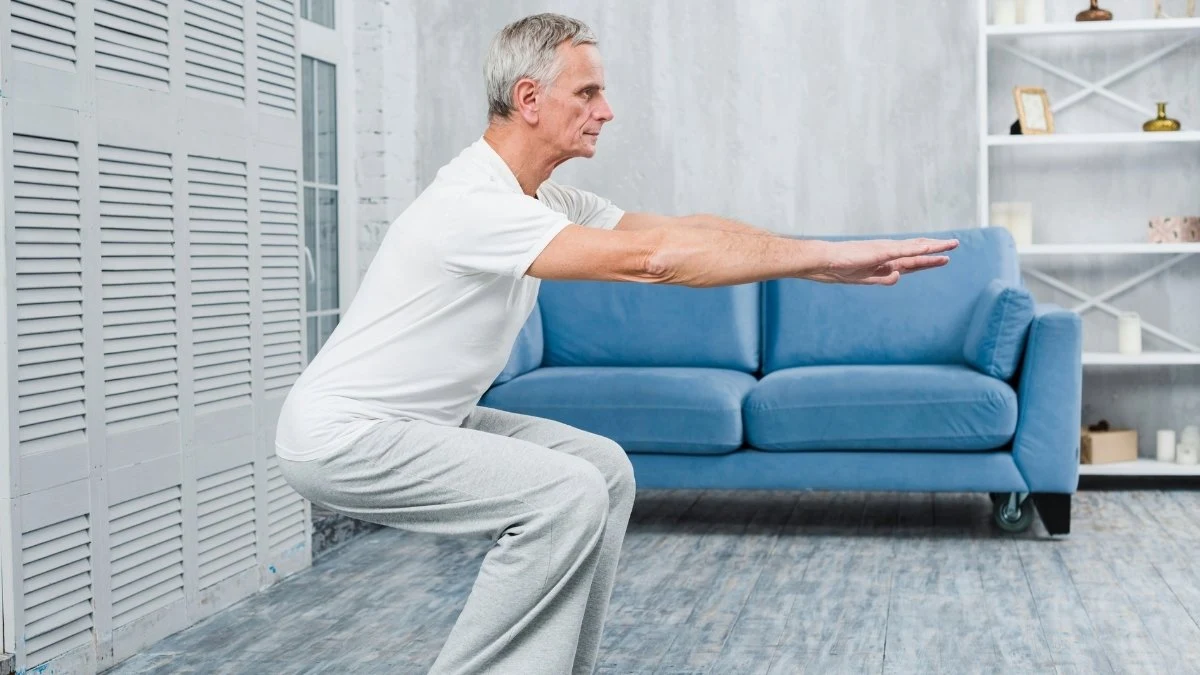
Resistance bands let you build muscle around sensitive joints without heavy weights. Seated rows, shoulder presses, and leg lifts are all safe starting points.
Warning Signs You Are Pushing Too Hard
There is a clear difference between feeling tired after exercise and actually hurting your joints. Knowing the difference can save you weeks of pain and recovery.
Healthy muscle fatigue fades within 30 to 60 minutes after you stop moving. Joint strain is different. It lingers. It gets worse when you move again. It may come with swelling.
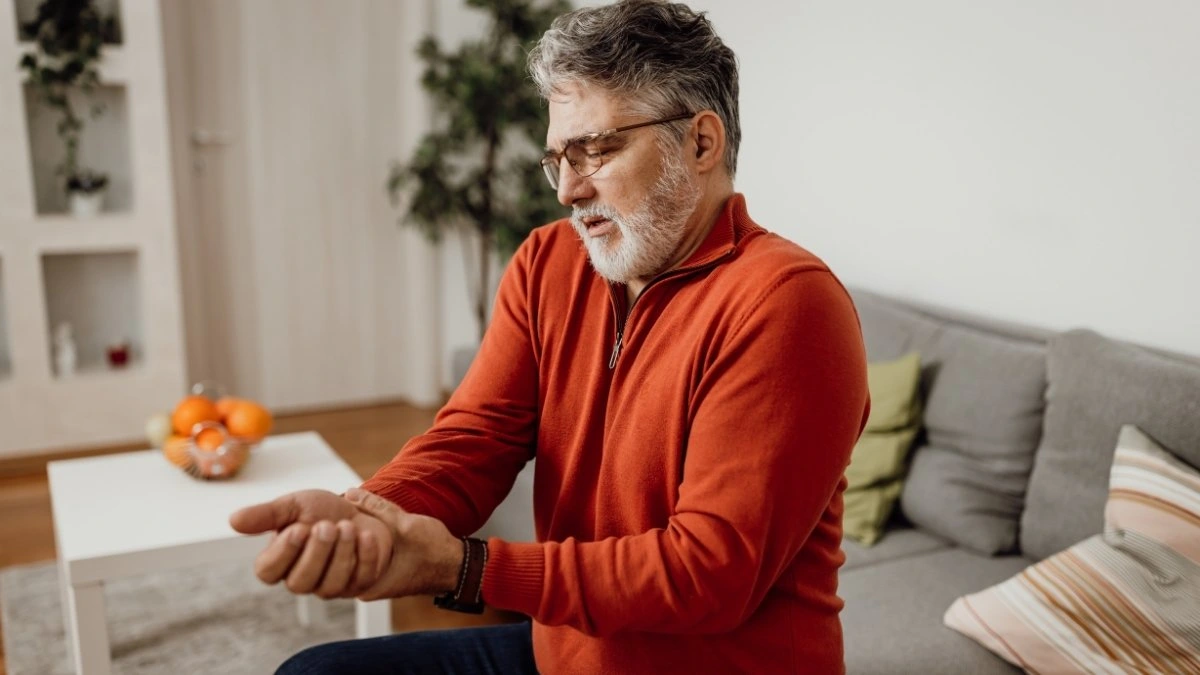
Watch for these signs: pain that stays for more than two hours after exercise, stiffness in the morning that does not ease up, swelling around a joint, or a reduced range of motion.
Geriatric physical therapists use what they call the 2-Hour Pain Rule. If your pain is higher than your normal level for more than two hours after activity, reduce the time or effort next session. Simple and effective.
Also watch for weakness in daily tasks. If opening a jar or getting out of a chair feels harder than it used to, that is your body sending a message. Talk to a geriatrician. Do not ignore it.
Heat soothes stiff joints before activity. Cold packs reduce swelling after.
How to Build a Simple Weekly Routine

You do not need a complex plan. You need a consistent one.
Here is a straightforward 5-day framework built around joint safety. Two days aerobic — walking or water aerobics. Two days strength — resistance bands or chair exercises.
One day balance — Tai Chi or simple single-leg standing near a wall. Two days of rest or gentle stretching only.
Always warm up for 5 minutes before you start. Cold joints are stiff joints, and stiff joints are easier to hurt.
Research from PubMed shows that combining aerobic, strength, balance, and light cognitive activity in one weekly plan is the current gold standard in geriatric care.
It is called a multicomponent exercise routine for elderly adults — and it works better than doing just one type of movement.
Geriatric specialists also recommend tools like yoga blocks, resistance straps, and chairs for support. These are not signs of weakness. They are signs of smart training.
If you have Parkinson’s, arthritis, or are recovering from surgery, get your plan reviewed by a specialist first.
Common Mistakes That Set Seniors Back
Even people with good intentions make mistakes. Here are the five most common ones geriatric specialists see — and how to avoid them.
Stopping completely on days with mild pain. This feels responsible, but it is usually the wrong call. Light movement actually lubricates your joints. Full rest makes stiffness worse.
Jumping into high-impact activities.

Running, jumping, and heavy lifting put serious pressure on aging cartilage. Bone density drops with age. High-impact exercise without medical clearance is a real risk.
Repeating the same exercise every day. Doing the exact same motion daily overloads one set of joints over and over. Vary your activities throughout the week.
Skipping balance training. Fear of falling leads many seniors to move less. But moving less makes falls more likely. That cycle is dangerous. Balance training breaks it.
Not talking to a doctor first. If you have any health condition or have not exercised in a while, one conversation with your doctor before starting can prevent a lot of problems later.
Conclusion;
Staying active after 60 is not about working harder. It is about being smart with how you move. Walking, water aerobics, Tai Chi, resistance bands, and chair yoga are all safe, proven choices.
Start simple. Stay consistent. And talk to a geriatric specialist to build a plan that fits your body.