

You swapped the donuts for granola. You traded soda for orange juice. You grabbed the whole-grain toast instead of the croissant. And you felt good about it.
But here’s the problem. Some of those “healthy” breakfast foods are quietly aging your body at the cellular level. Every single morning.
Most people trust what the label says. Words like “natural,” “whole grain,” and “fruit-based” sound safe. But food companies choose those words to sell products — not to protect your health.
Real science tells a different story. Researchers studying over 22,000 people found that common breakfast foods are directly linked to faster biological aging. That means your cells, skin, and organs can be older than your actual age.
In this article, you’ll learn which seven breakfast foods are the biggest culprits, what they actually do to your body, and what to eat instead.
What “Biological Aging” Actually Means (And Why Breakfast Matters)
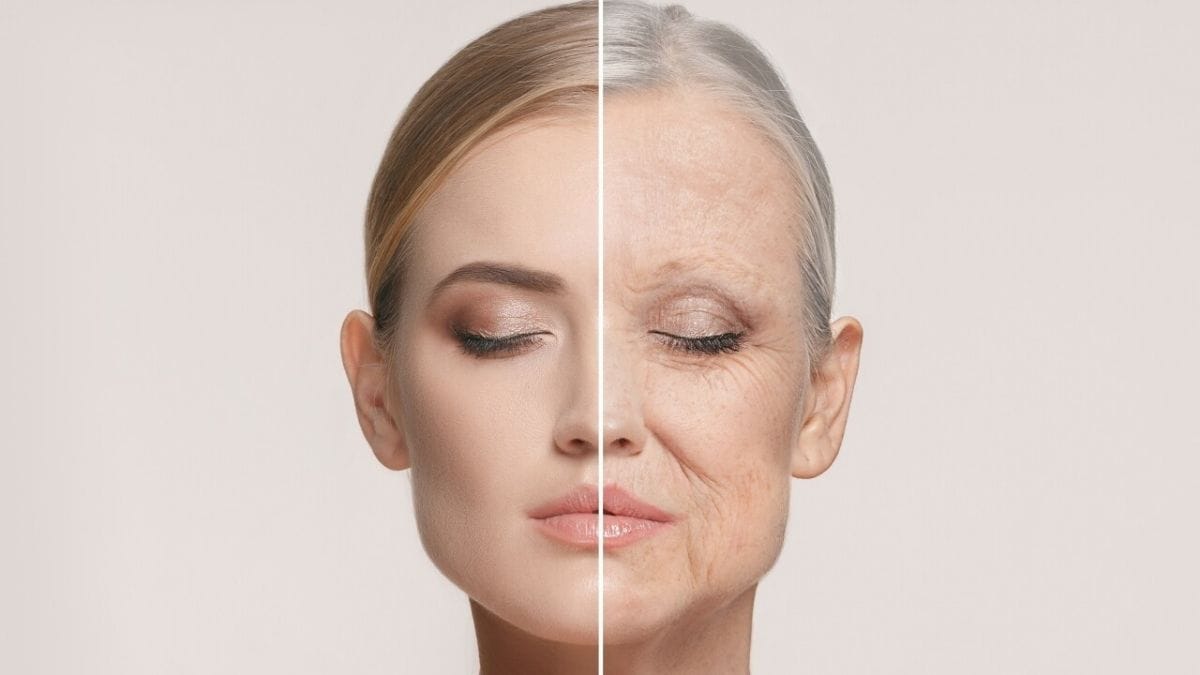
Your chronological age is the number on your birthday cake. Your biological age is how old your body actually is on the inside. These two numbers are not always the same.
Diet is the single biggest thing you can control. In a survey of more than 50 health experts, nearly 47% said a healthy diet is the most important factor in how well you age.
Breakfast matters more than you think. It sets your blood sugar, your inflammation levels, and your insulin response for the entire day. Start it wrong, and your body spends hours trying to recover.
Two things cause the most damage. First, glycation — when sugar sticks to your collagen and elastin, making your skin stiff and dull. Second, oxidative stress — caused by chemicals in ultra-processed foods that damage your cells.
Monash University research found that for every 10% increase in ultra-processed food you eat, your biological age rises by 2.4 months. That adds up fast.
Now let’s look at the specific foods most people eat every morning — believing they’re doing themselves a favor.
Flavored Fruit Yogurt — The “Health Food” Packed With Hidden Sugar
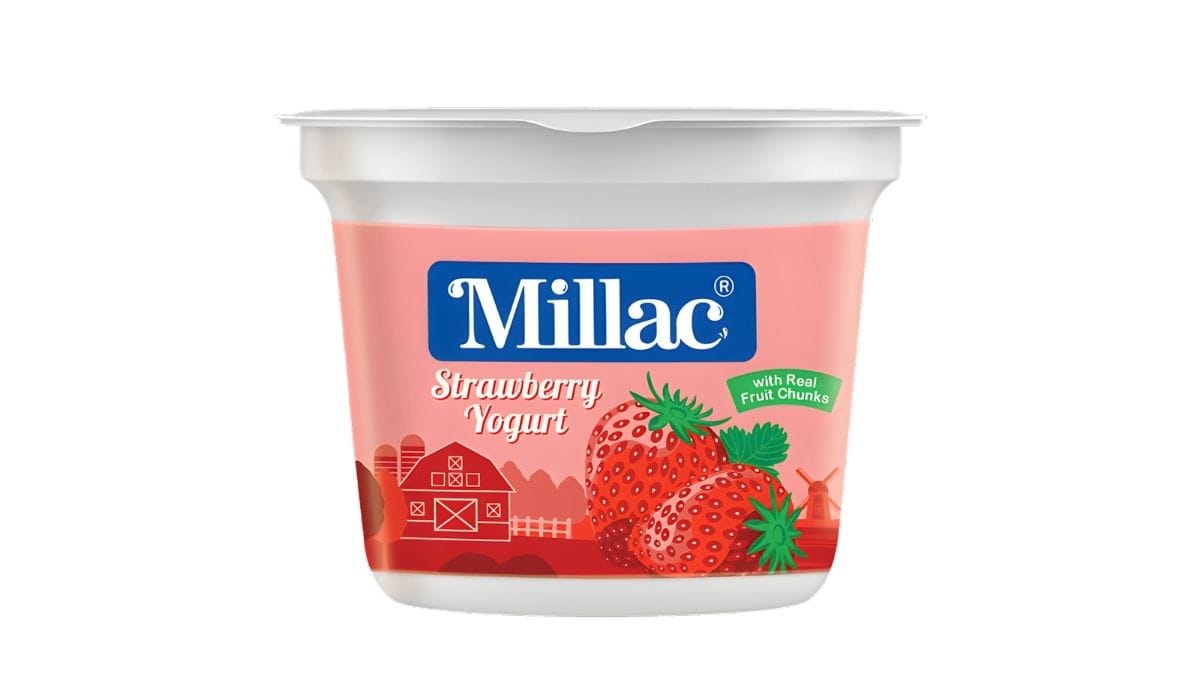
You picked the peach yogurt because it had real fruit on the label. It felt responsible. But look at the ingredient list and you’ll find added sugars, artificial flavors, and stabilizers that don’t belong in any kitchen.
A single serving of popular flavored yogurt can carry 20 to 26 grams of added sugar. That’s before you’ve even had your coffee.
That sugar hits your bloodstream fast in the morning. It triggers glycation — the process where sugar molecules attach to your collagen and elastin fibers. Over time, those fibers stiffen. Your skin loses its bounce. Wrinkles come faster.
Researchers from Italy’s IRCCS Neuromed studied over 22,000 people. They specifically named fruit yogurt as one of the “seemingly harmless” ultra-processed foods tied to accelerated biological aging.
The swap:

Choose plain Greek yogurt with no added sugar. Add fresh or frozen berries on top. You get protein, probiotics, and real antioxidants — without the daily glycation hit.
Sweetened Breakfast Cereals — The Blood Sugar Trap You Fall Into Every Morning

The box says “whole grain.” It might even say “high fiber.” But flip it over and check the sugar. Most popular cereals carry 10 to 20 grams of added sugar per serving — and most people pour more than one serving.
High-sugar food in the morning causes a rapid blood sugar spike. Then your insulin surges to deal with it. Then your energy crashes. That cycle, repeated every day, wears your body down.
Dietitian Danielle Crumble Smith explains it plainly: constant blood sugar swings lead to insulin resistance and increased oxidative stress. Both of these speed up cellular aging.
The IRCCS study of 22,000 participants specifically listed sweetened cereals among ultra-processed foods linked to faster biological aging. Ultra-processed foods now make up nearly 60% of daily calories in the U.S., according to research in The BMJ.
The swap:
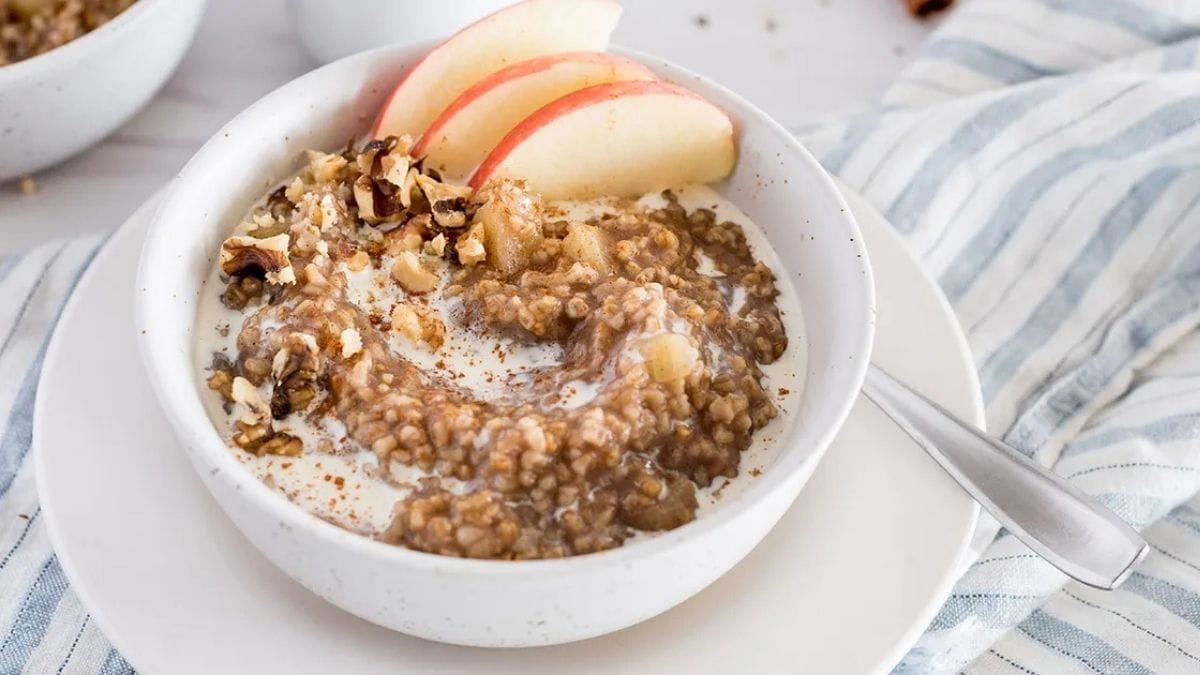
Steel-cut oats with cinnamon and walnuts. They digest slowly, keep your blood sugar steady, and give your body something useful to work with.
Store-Bought Fruit Juice — Liquid Sugar With a Vitamin C Label
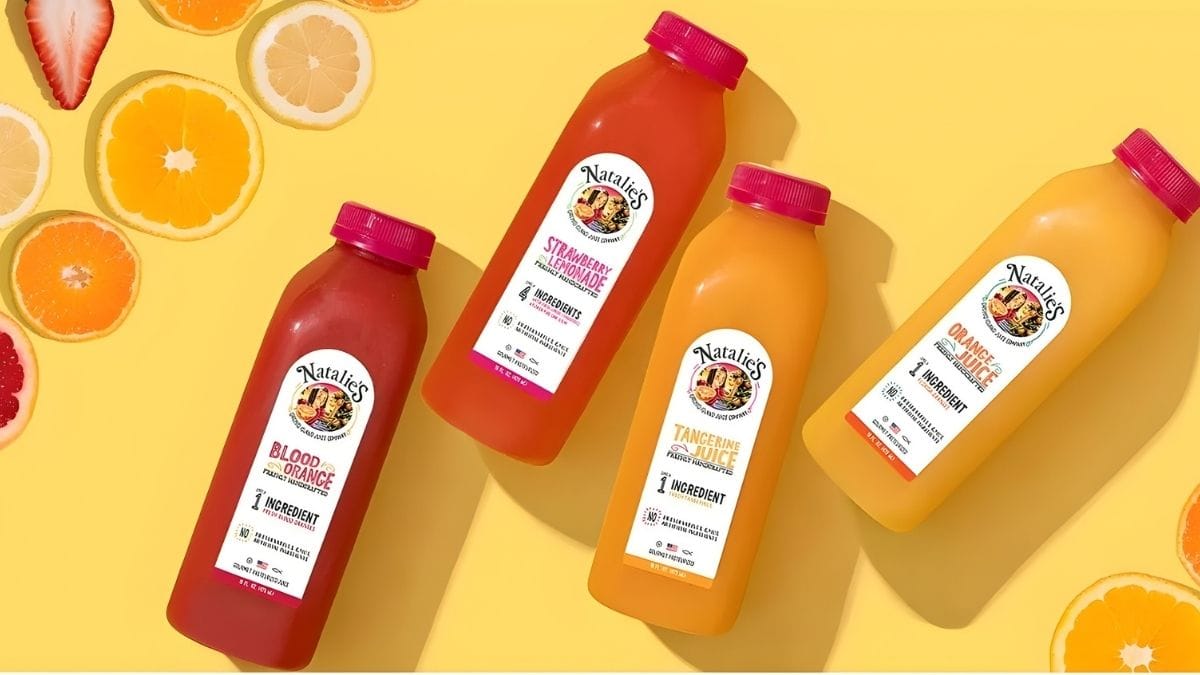
It says “100% juice.” It sounds clean. But a glass of orange juice has the sugar of four to five whole oranges — with almost none of the fiber. Fiber is what slows sugar absorption. Without it, fructose hits your system fast and hard.
Fructose is actually a more aggressive aging agent than regular sugar. A 2025 study found that elevated fructose in skin cell models triggered pro-inflammatory responses — including IL-6, IL-8, and TNF-α. These are markers directly connected to faster cellular aging.
Fructose also bonds to collagen and elastin in your skin, forming advanced glycation end products (AGEs). These make your skin look older, faster.
Many “100% juice” labels contain as much sugar as a can of soda. The only difference is the packaging makes it look healthy.
The swap:

Eat the whole orange. Drink water or plain sparkling water. If you want flavor, add a few slices of cucumber or lemon. Simple. Free. Much better for your skin.
Packaged Bread and Toast — Including the “Whole Grain” Versions

This one surprises people. Whole grain bread sounds like a solid choice. But most packaged bread — even the multigrain and seeded types — is classified as ultra-processed.
Why? Because of what’s added to it. Emulsifiers, dough conditioners, preservatives, and added sugars that have nothing to do with making bread taste good. They’re there to extend shelf life and improve texture in a factory.
The IRCCS study that tracked over 22,000 participants specifically listed mass-produced packaged bread among the ultra-processed foods linked to accelerated biological aging. Not just pastries — regular sliced bread.
Beyond processing, refined bread behaves like sugar in your body. It spikes blood glucose fast, starts the glycation cycle, and adds to daily inflammation.
The swap:

Choose real sourdough with a short ingredient list (flour, water, salt, starter — that’s it). Or try whole rye crispbread with eggs or nut butter. The fewer ingredients on the label, the better it is for your body.
Bacon, Sausage, and Processed Breakfast Meats

Bacon with eggs feels like the protein-heavy “clean” breakfast. But bacon and sausage are processed meats — and that matters a lot.
Registered dietitian Paul Salter is direct about this: processed meats are high in saturated fat and trace trans fats. These fats negatively affect cholesterol and blood lipids. The result is systemic inflammation — one of the fastest ways to accelerate aging at the cellular level.
High sodium in these meats also shows up on your face. It causes puffiness and water retention. Over time, it makes skin look less firm.
And the cardiovascular risk is real. Processed meats are consistently linked to heart disease, which means your internal organs age faster too — not just your skin.
The swap:

Cook eggs in olive oil. Add turkey slices with no additives. Or go with smoked salmon, which gives you omega-3s that actively fight inflammation. You still get the protein without the daily cellular damage.
Granola Bars and Store-Bought Granola — Candy Disguised as Health Food

Granola looks healthy. Oats, nuts, maybe some honey. But most store-bought granola and granola bars are a different product entirely. Check the label and you’ll find glucose syrup, hydrogenated oils, and artificial flavors hiding alongside the oats.
One nutrition guide on longevity points out that a “light” granola bar can carry as much sugar as a dessert. That steady glucose spike — every morning, before your day even starts — accelerates metabolic aging and raises chronic disease risk over time.
The word “natural” on the packaging means almost nothing legally. A company can put it on a heavily processed product with no consequence. The front of the package is marketing. The ingredient list is the truth.
The swap:
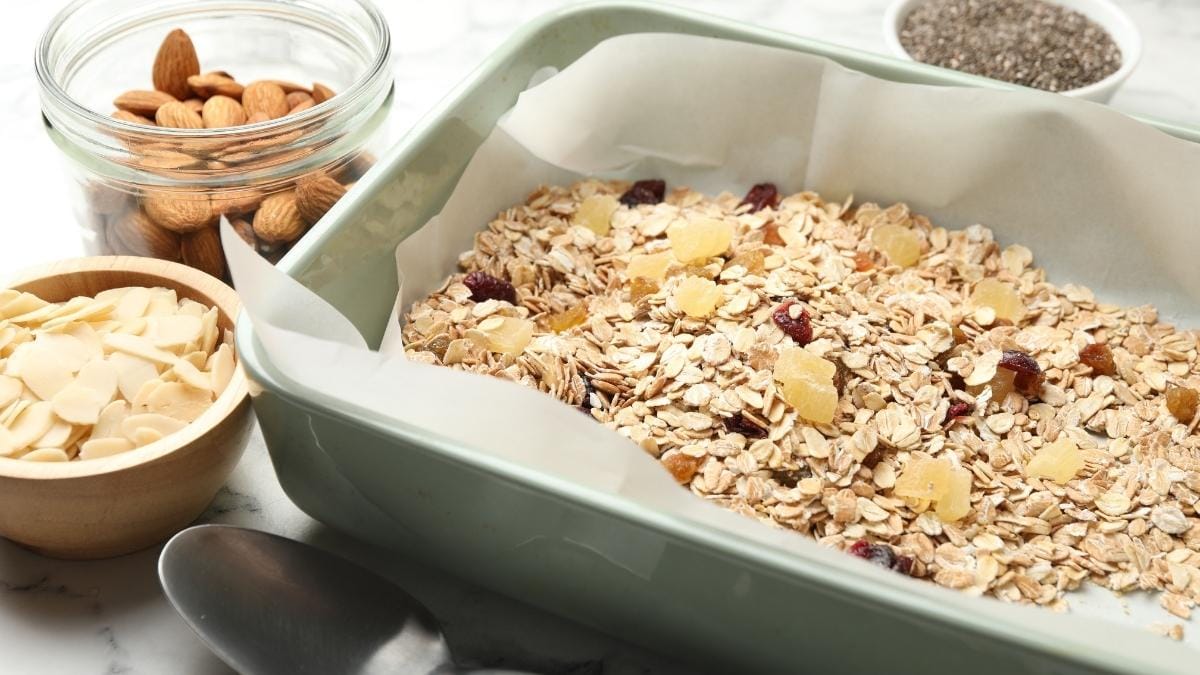
Make your own granola. Oats, raw nuts, a small spoon of honey, cinnamon. Bake it once a week. Or find a bar with five or fewer recognizable ingredients and under 6 grams of sugar. That’s the real test.
What to Eat Instead — The Anti-Aging Breakfast Formula
The good news: you don’t need a complicated plan. Aging research keeps pointing to the same simple pattern — protein, fiber, healthy fat, and minimal processing.
A Harvard study tracked over 105,000 adults for 30 years. It found that people who ate diets rich in minimally processed plant foods were significantly more likely to reach age 70 free of major chronic disease, with their mental and physical function still intact.
Harvard researchers put it simply: eating patterns built around unprocessed foods — vegetables, whole grains, nuts, and legumes — consistently support healthy aging.
Here’s a practical formula for your morning:

- Protein: Eggs, plain Greek yogurt, or cottage cheese
- Fiber: Berries, vegetables, or whole oats
- Healthy fat: Walnuts, avocado, or a drizzle of olive oil
When you’re reading labels, follow three rules. The ingredient list should have five or fewer items. Added sugar should not appear in the first three ingredients. If you can’t say the ingredient out loud, leave it on the shelf.
Conclusion
Your breakfast either slows aging or speeds it up. Flavored yogurt, sweetened cereal, fruit juice, packaged bread, processed meat, and granola bars are all marketed as smart choices — but science links them to real biological aging.
Start with one swap this week. Replace your juice with water and eat the whole fruit. That one change removes a major daily source of glycation. Anti-aging breakfast choices don’t require perfection — just awareness.