
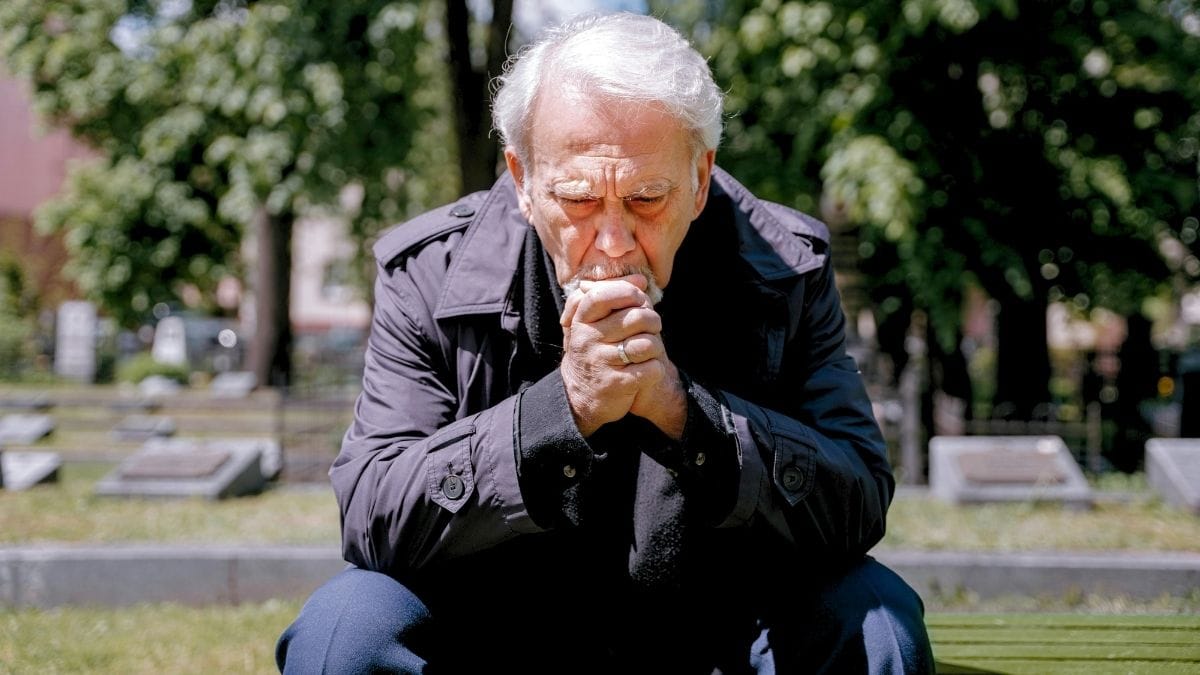
Nobody warned you that the hardest part of aging might not be your body. It might be your mind.
You might feel a grief that never fully goes away. Or a quiet sense of “what now?” after retiring. Maybe you feel lonely even when people are around. Society tells you to exercise and stay positive. That advice misses the real problem.
The emotional side of aging is real. It is common. And it is rarely talked about honestly.
In this article, you will learn the five emotional challenges that most older adults face but rarely name. You will also get five clear, practical ways to handle each one. Everything here is backed by current research. No fluff. Just honest, useful information you can act on today.
Why Aging Is Emotionally Harder Than Anyone Admits
Here is a number that should stop you: In 2023, 1.1 billion people worldwide were over 60. By 2050, that number will nearly double to 2.1 billion. That is a massive group of people. But their emotional needs are still being ignored.

About 14% of adults over 70 live with a mental disorder, according to the World Health Organization. And mental health issues in this age group account for 6.8% of all years lived with disability. Those are not small numbers.
Physical health and emotional health are also tied together. Over 60% of adults over 65 have a chronic condition. Each one raises the risk of depression by about 20%. Pain, hearing loss, and vision problems do not just hurt your body. They hurt your confidence and your social life.
One more thing: the idea that older adults handle loss better because they have “more experience” is not true. Research shows older adults feel grief just as strongly as younger people. Many just suffer in silence.
Tips:
- Talk to your doctor about emotional health at every visit, not just physical symptoms.
- If a friend or family member seems withdrawn, ask them directly how they are feeling inside.
The 5 Hidden Emotional Challenges Nobody Talks About
Challenge 1: Losing Your Identity After Retirement

Work gives you more than a paycheck. It gives you structure, a role, and a reason to get up. When that ends, many people feel lost. Not lazy. Not ungrateful. Lost.
Research from Frontiers in Psychology found that sudden role changes after retirement often lead to lower self-worth and growing loneliness.
You built your life around being a teacher, a manager, a nurse, or a business owner. Then one day, that title is gone. The calendar is empty. And nobody tells you how to feel about that.
This is not a personal failure. It is a real emotional shift that millions of people go through. The problem is that retirement planning focuses on money, not on meaning. Nobody asks: “Who will you be after your job ends?”
If you feel purposeless or restless after retiring, you are not broken. You are simply adjusting to one of the biggest identity changes of your life.
Tips:
- Write down three things you value that have nothing to do with work.
- Use those values to plan at least one new activity each week.
Challenge 2: Loneliness That Goes Deeper Than You Think

Loneliness is not just feeling sad. It is a health risk equal to smoking 15 cigarettes a day, according to researchers. And it is far more common than people admit.
In 2024, 20% of older adults in the US reported feeling lonely. That is one in six people. But among those with poor mental health, the number jumped to 50%.
A 2025 global study reviewed 126 studies and over 1.25 million older adults. The result: 17.6% of older adults worldwide feel lonely. In North America, that number is even higher at 20.5%.
Here is what makes it worse. Many older adults feel ashamed of loneliness. They think they should not feel this way. So they say nothing. Meanwhile, the isolation grows, and so does the health damage.
Social isolation also raises the risk of dementia by 50%, according to the CDC. Loneliness does not stay emotional. It becomes physical and cognitive over time.
Tips:
- Treat one social activity per week the same way you treat a doctor’s appointment — non-negotiable.
- Tell someone you trust when you are feeling isolated. Saying it out loud is the first step.
Challenge 3: Grief That Keeps Piling Up
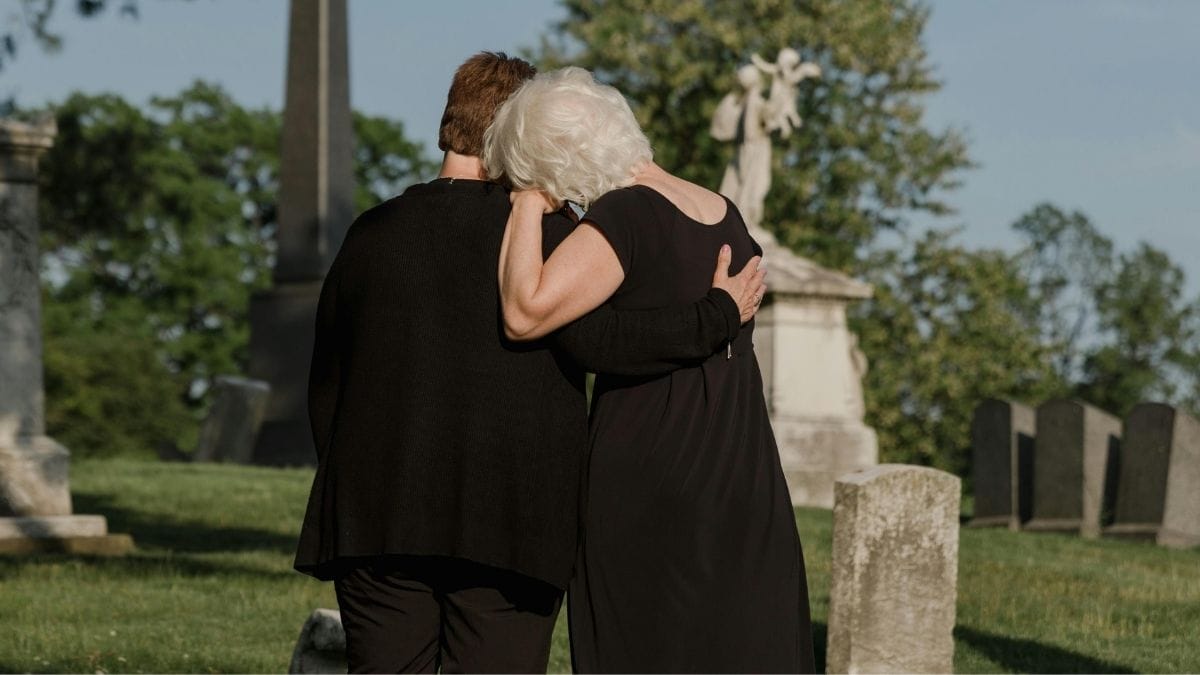
Most people think of grief as one big loss. But older adults often face many losses in a row. A spouse. A friend. A sibling. Their physical strength. Their independence. Their former self.
This is called bereavement overload. And it is exhausting in a way that is hard to explain to younger people.
Research shows that 30% of bereaved people will go through a depressive episode in the first year after a loss. About 10% develop a lasting depressive disorder.
For older adults dealing with loss after loss, the risk keeps compounding. Each grief hits before the last one has healed.
And here is what rarely gets said: losing your ability to drive, to hear clearly, or to walk without pain is also a grief. You are mourning a version of yourself. That is a real loss, and it deserves the same care as any other.
Grief does not mean something is wrong with you. It means you loved something or someone.
Tips:
- Name each loss you are carrying, even the ones that feel too small to mention.
- Talk about your losses with someone safe — silence makes grief heavier, not lighter.
Challenge 4: Fear of Losing Your Mind

Ask almost any older adult what they fear most, and many will say dementia. This fear is real, and it is understandable. But the fear itself can cause real damage.
Research from Frontiers in Psychology shows that anxiety about cognitive decline can lead to depression and a shorter expected lifespan. People become so afraid of dementia that they pull away from social life. They stop engaging. They stop trying.
Here is the painful irony: that withdrawal makes dementia more likely. Social isolation raises the risk of dementia by 50%, according to the CDC. The thing people are running from is made worse by running from it.
The good news is that the best protection against cognitive decline is not a pill. It is staying connected, staying active, sleeping well, and managing depression. These are things you have real control over.
Fear is not a plan. But action is.
Tips:
- Book a check-in with your doctor specifically to talk about brain health, not just physical symptoms.
- Ask about hearing tests — untreated hearing loss is a known risk factor for cognitive decline.
Challenge 5: Feeling Like Life Has No Point Anymore

This one is quiet. It does not always look like sadness. It just feels like nothing matters as much as it used to.
Children grow up and move away. Careers end. Peers pass away. Health changes. And slowly, many older adults start to wonder what they are here for. Researchers call this an existential vacuum. It is different from depression, though it can cause it.
The data is clear on this. Older adults who keep doing things that feel meaningful have 30% lower rates of depression than those who do not. Mentoring, volunteering, spending real time with grandchildren — all of these things are linked to higher life satisfaction and lower depression.
Purpose does not appear on its own. You have to choose it. And the good news is that there are more ways to build purpose in later life than most people realize.
Tips:
- Think about one skill or piece of knowledge you have that a younger person could benefit from.
- Look up one volunteer opportunity in your area this week. Just look. That is enough to start.
5 Smart Ways to Handle These Challenges
Way 1: Rebuild Who You Are Around What You Value

Your job title is gone. Now what? Start by asking a simple question: “Who am I when my work is removed?” Write down three honest answers. Those answers are the foundation of your new identity.
From there, build real structure into your week. Volunteer work, creative projects, mentoring, physical training, spiritual practice — these are not hobbies.
They are new identity anchors. They give you the same things work once gave you: purpose, schedule, and social contact.
AARP’s Life Reimagined program is a good place to start. Your local Area Agency on Aging, findable at eldercare.acl.gov, can also connect you with programs designed for this exact transition.
The key is to be intentional. Do not wait for purpose to show up. Build it on purpose.
Tips:
- Write your three answers to “Who am I without my job title?” and keep them somewhere visible.
- Block one three-hour period each week for a new meaningful activity and treat it like work.
Way 2: Treat Loneliness Like the Health Problem It Is

You would not ignore a broken arm. Do not ignore loneliness either.
The WHO recommends specific interventions for older adults: befriending programs, community groups, arts classes, social skills groups, and volunteering. In 2026, you have more options than ever.
Senior centers, faith communities, local classes, and apps like Stitch — designed for adult social connection — are all real and available.
If you are in the US, your Area Agency on Aging runs programs specifically for isolated older adults. The UK and Netherlands both have national programs with home visits and phone lines. These things work. They are not embarrassing to use.
The biggest mistake is waiting for connection to come to you. It will not. You have to go get it.
One social activity per week is not a luxury. It is medicine.
Tips:
- Pick one new social activity and put it on the calendar before the end of this week.
- If leaving home feels hard, start with a phone call to one person you have not spoken to in a month.
Way 3: Give Your Grief the Right Kind of Help

Grief does not need to be fixed. But it does need to be heard.
Not all grief needs a therapist. But it always needs more than silence. A 2025 review in Palliative Medicine found that online grief support is effective at reducing grief intensity, depression, and stress.
Platforms like GriefShare and What’s Your Grief (whatsyourgrief.com) offer moderated communities where you can process loss without leaving home.
For more serious or long-lasting grief, two therapies have strong evidence behind them. Cognitive Behavioral Therapy (CBT) helps you work through thought patterns around loss.
Complicated Grief Therapy (CGT) goes further, covering seven clear steps including managing painful emotions and building a meaningful future without the person you lost.
If you have been stuck in grief for more than 12 months, that is a signal. Talk to your GP about a referral.
Tips:
- This week, tell one person about a loss you have been carrying alone.
- If grief still feels raw after a year, search for a CGT therapist through Psychology Today’s online directory.
Way 4: Fight Back Against Cognitive Decline With Action

Fear of dementia is normal. But fear is not a strategy. Action is.
The strongest tools against cognitive decline are the ones you already know but may not be using well: daily movement, quality sleep, social connection, and mental stimulation.
Research from Frontiers shows that depression is a significant predictor of faster cognitive decline. Treating depression is not just emotional self-care. It is brain protection.
Practical steps for 2026: a 20-minute daily walk, a consistent bedtime, learning one new skill per month, and using a cognitive training platform like BrainHQ. Even a language learning app used for 10 minutes a day keeps your brain building new connections.
Here is the most important action step: book a specific brain health check-in with your doctor. Ask about depression, hearing, and sleep — the three most overlooked risk factors for dementia.
Tips:
- Set a consistent bedtime tonight and stick to it for one week — sleep quality is directly linked to brain health.
- Ask your doctor about a hearing test if you have not had one in the last two years.
Way 5: Build a New Sense of Purpose on Purpose

Purpose in later life does not just happen. You have to build it.
Researchers call this generativity — contributing something meaningful to the next generation. It is one of the most reliable sources of purpose and happiness in older adults.
Mentoring a younger person, volunteering, helping grandchildren, teaching a skill you know well — all of these are linked to lower depression and higher life satisfaction.
In 2026, real options include: SCORE, where retired professionals mentor small business owners for free; local school volunteering programs; community garden projects; and faith-based outreach.
Acceptance and Commitment Therapy (ACT) is also a well-supported approach to helping older adults reconnect with what they value most.
You do not need a big plan. You just need to start somewhere small.
Tips:
- Think of one person under 40 in your life who could use your time, knowledge, or support — and contact them this week.
- Look up SCORE.org if you have professional experience you would like to share with others.
When You Need More Than Self-Help

Some emotional challenges need professional support. That is not weakness. It is smart.
Look for these signs: sadness that has lasted more than two weeks, loss of appetite, pulling away from everyone, or thoughts about not wanting to be here. These are signals that self-help alone is not enough.
The WHO confirms that one in six older adults experiences abuse, often from the people caring for them. That, too, is a mental health issue that needs outside help.
In 2026, telehealth has made access much easier. BetterHelp, Talkspace, and Psychology Today’s online directory (filter by “older adults”) all allow you to speak with a therapist from home.
You do not have to be in crisis to benefit from professional support. You just have to be honest about what you are carrying.
Tips:
- If you have felt persistently sad for more than two weeks, call your GP this week, not next month.
- Search Psychology Today’s directory at psychologytoday.com and filter for therapists who specialize in older adults or grief.
Final Thought:
Aging brings real emotional challenges. Loss of identity. Loneliness. Grief. Fear. Purposelessness. These are not signs of failure. They are signals to act.
Pick one strategy from this article and take one real step this week. The emotional challenges of aging are manageable — but only if you stop pretending they do not exist.