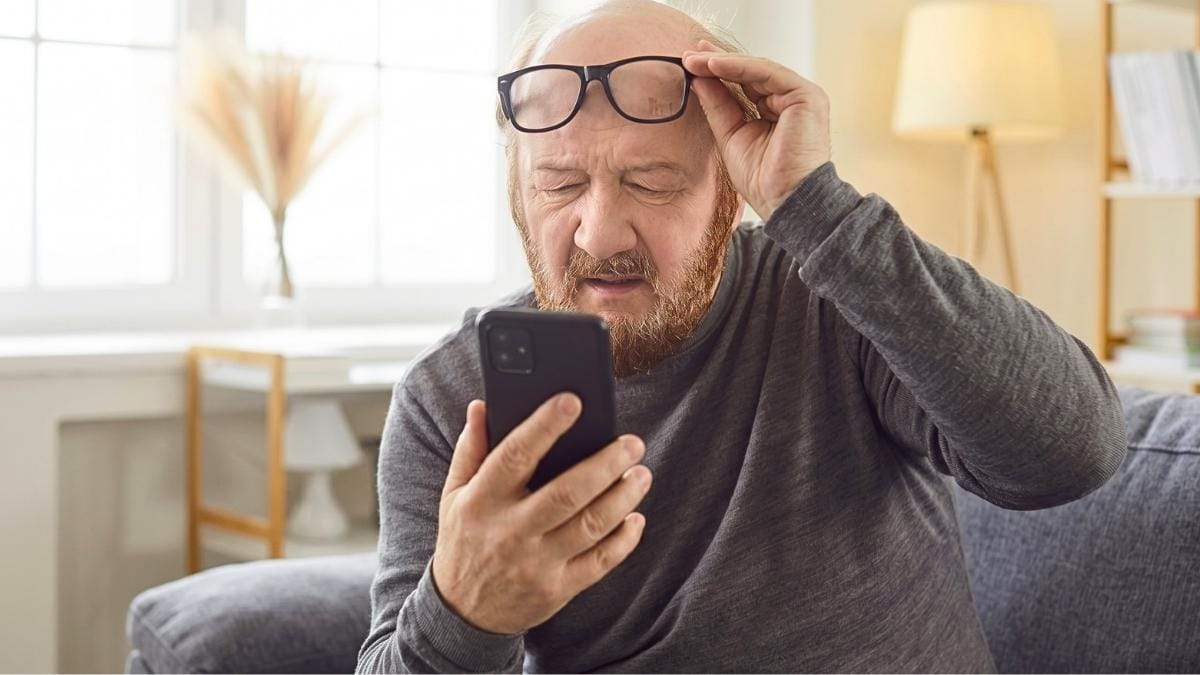
Most people don’t lose their eyesight all at once. They lose it gradually, one ignored symptom at a time.
You squint at a menu. You hold your phone farther away. You blame bad lighting when driving at night. These small signs feel easy to brush off — until they’re not small anymore.
This article will show you which vision changes are normal after 40, which ones are warning signs, and exactly what to do about them. You’ll get a clear exam schedule, simple home tests, and real steps you can take today.
Just honest, useful information that could protect your eyesight for years to come. And here’s why that matters — the earlier you catch a problem, the better your chances of keeping your sight.
Why Your Eyes Change After 40 (And Why It Starts Earlier Than You Think)
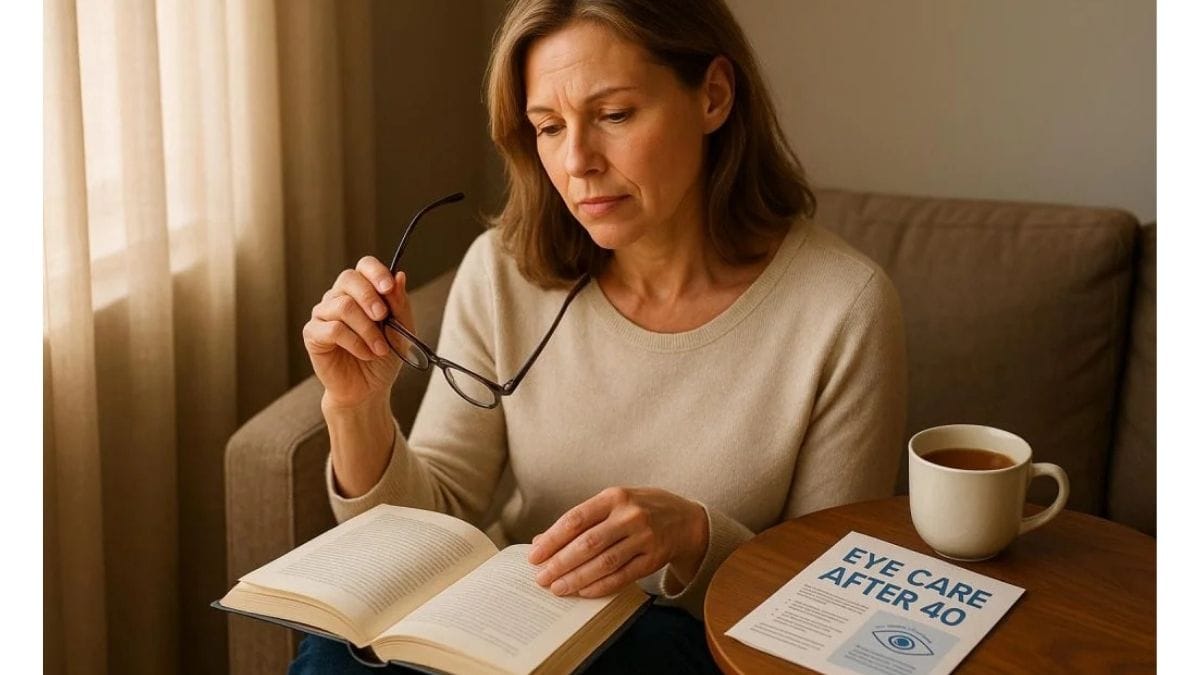
If you’ve caught yourself holding your phone at arm’s length to read a text, you’re not imagining things. Your eye’s lens starts to stiffen in your early 40s.
That’s called presbyopia. It makes it harder to focus on close objects. Think of it like a camera that slowly loses its autofocus.
At the same time, your pupils get slightly smaller with age. That means less light gets in. Things look dimmer, even in the same room you’ve sat in for years.
Your retina also changes. Color contrast and low-light vision get a little weaker. And your tear glands slow down, so dry, scratchy eyes become more common — especially for women after menopause.
These changes creep up on you. Most people don’t notice until things have already shifted quite a bit. Around 80% of people over 55 have presbyopia.
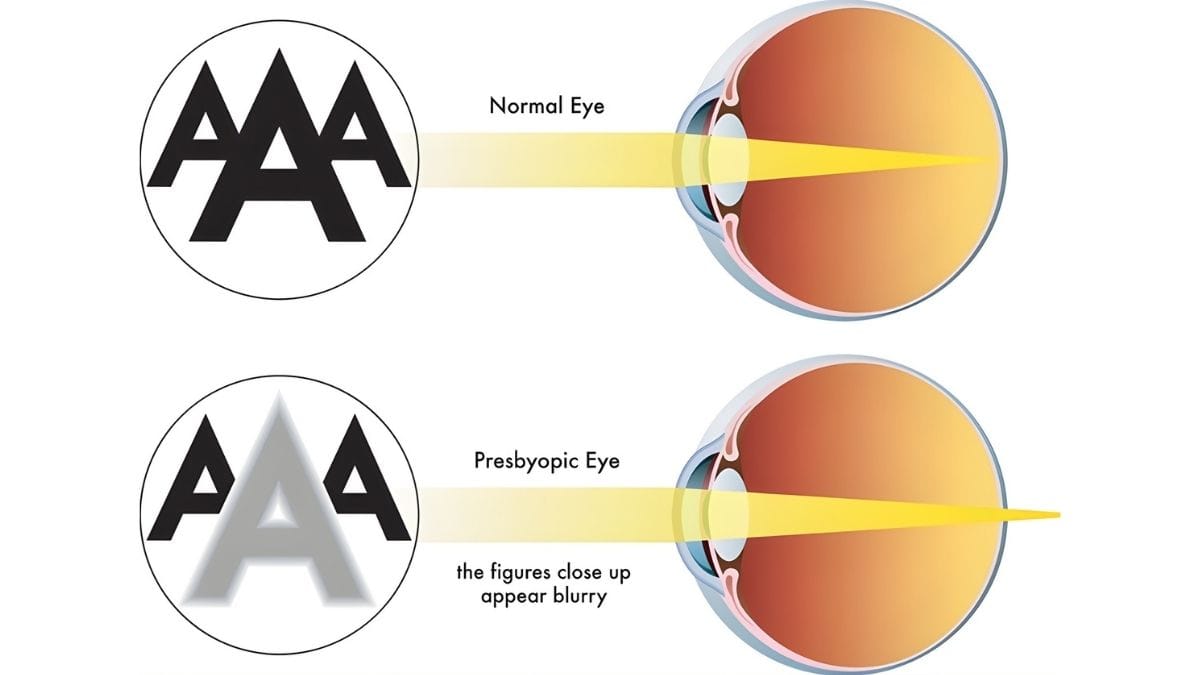
As of 2026, roughly 1.8 billion people worldwide are affected. That’s about 25% of the entire global population. Some of these changes are harmless. Others are your eyes sending you an early distress signal.
Tips: How to Spot the First Signs Early
- Hold a book or phone at normal distance once a week and check if the text looks blurry or clear.
- Pay attention to how bright rooms need to be before you feel comfortable reading.
- If your eyes feel dry or gritty most days, don’t ignore it — mention it to a doctor.
The 5 Vision Changes That Are Normal (And How to Handle Them)
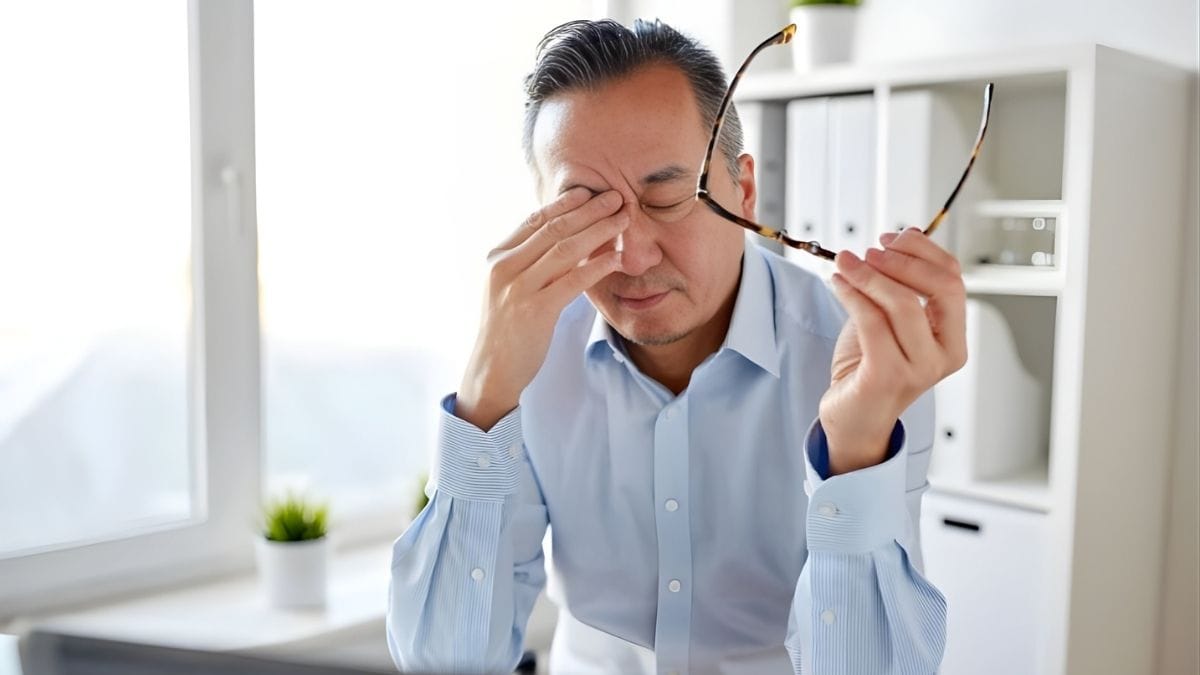
Before we talk about warning signs, let’s cover what’s genuinely expected. Knowing what’s normal helps you stop panicking about the small stuff and focus on what actually matters.
Difficulty reading small print is the first and most common change. Reading glasses or progressive lenses fix this easily.
Needing brighter light to read or work is also normal. Your eyes simply need more light than they used to. A good desk lamp goes a long way.
Dry, gritty, or tired eyes happen because your tear glands slow down with age. Over-the-counter lubricating eye drops help a lot.
Slower adjustment when moving from a bright room to a dark one is normal too. Just give your eyes an extra moment.
Mild glare while driving at night is common. Anti-glare lenses can make this much more comfortable.
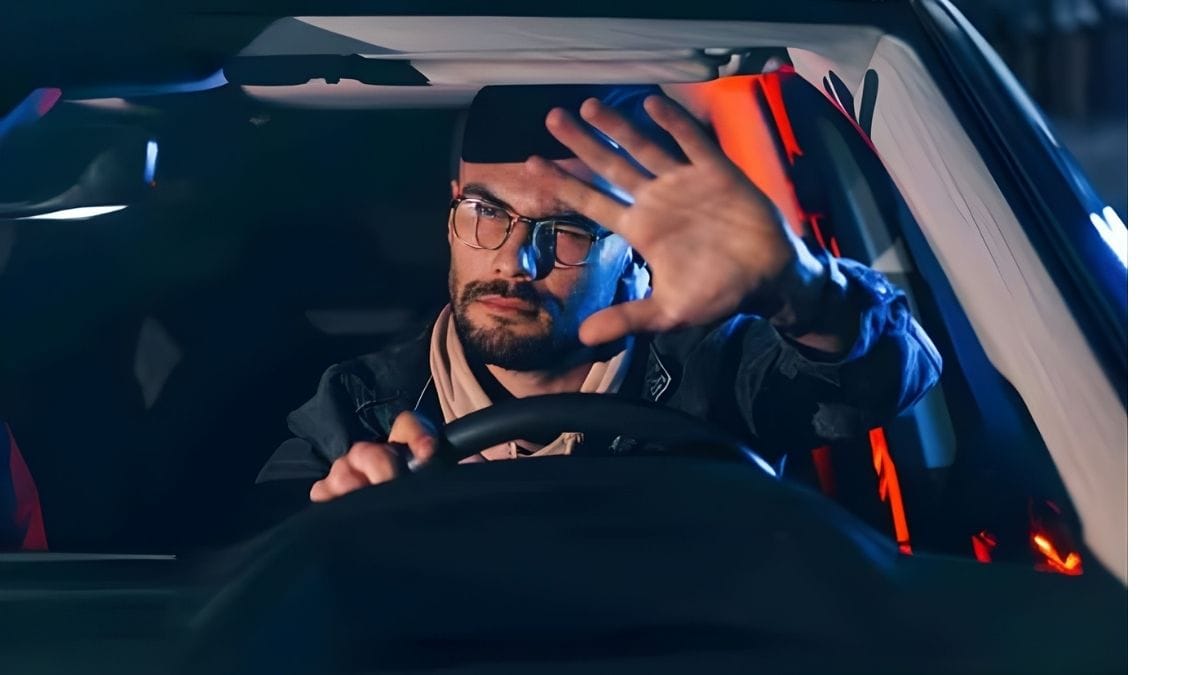
None of these require panic. But now here’s where it gets important. Some symptoms look almost identical to these — but they are not normal, and they are not minor.
Tips: Simple Fixes for Everyday Eye Strain
- Use a proper reading lamp — warm light aimed directly at the page reduces strain more than overhead lighting.
- Ask your eye doctor about lubricating drops even before dryness feels severe.
- Get anti-reflective coating on your glasses if night driving is becoming uncomfortable.
7 Early Warning Signs You Should Never Ignore
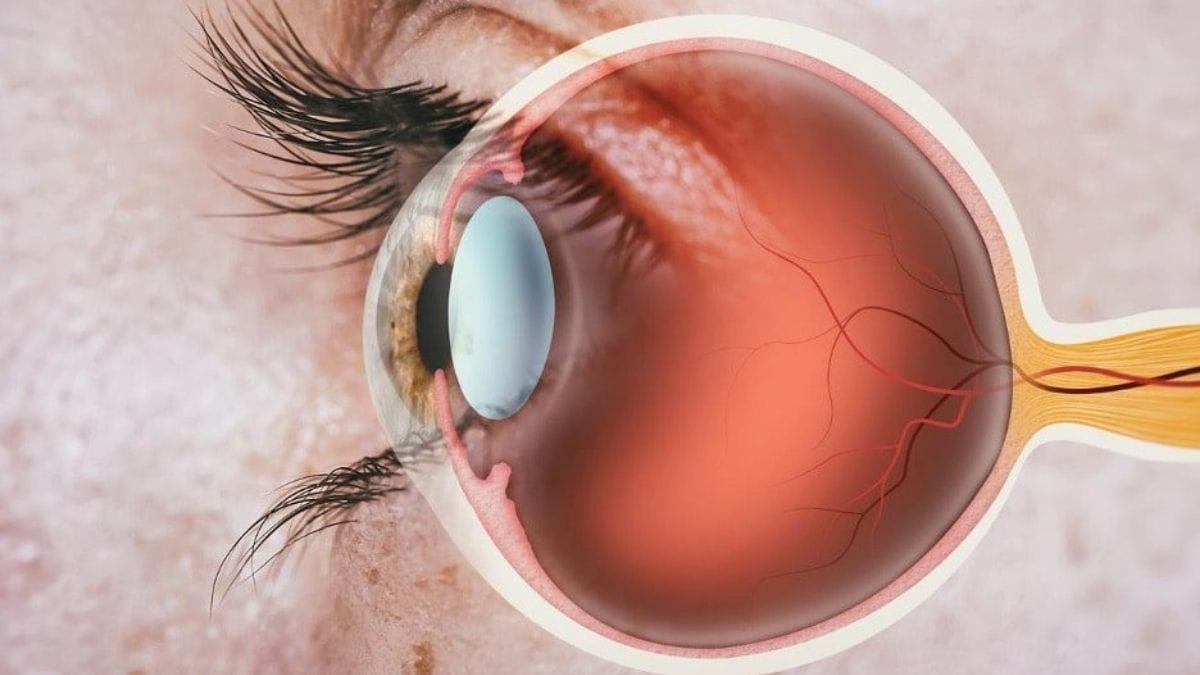
These seven symptoms are where normal aging ends and serious eye disease begins.
👁️ Critical Vision Warnings
Do not ignore these 7 symptoms
Sudden Blur in One Eye
Could signal a retinal problem or early macular degeneration. It is never normal.
Central Dark Spot
A blurry patch or dark spot dead center is an early warning sign of AMD. Get checked.
Peripheral Narrowing
The classic early sign of glaucoma. Most people miss it until serious damage occurs.
Halos Around Lights
Especially at night, seeing rainbow rings can signal angle-closure glaucoma.
🚨 Medical EmergencyMultiplying Floaters
Sudden increase in floaters or flashes of light could mean retinal detachment.
🚨 Same-Day DoctorDouble Vision
In one or both eyes, double vision is never “just tiredness.” It always needs evaluation.
🚨 Immediate EvaluationFluctuating Vision
Vision that alters from morning to evening points to diabetic retinopathy or blood pressure issues.
Here’s a sobering fact: roughly half of the 80 million people worldwide with glaucoma don’t even know they have it. If you experience any of these signs — even once — book an eye exam within the week, not the month.
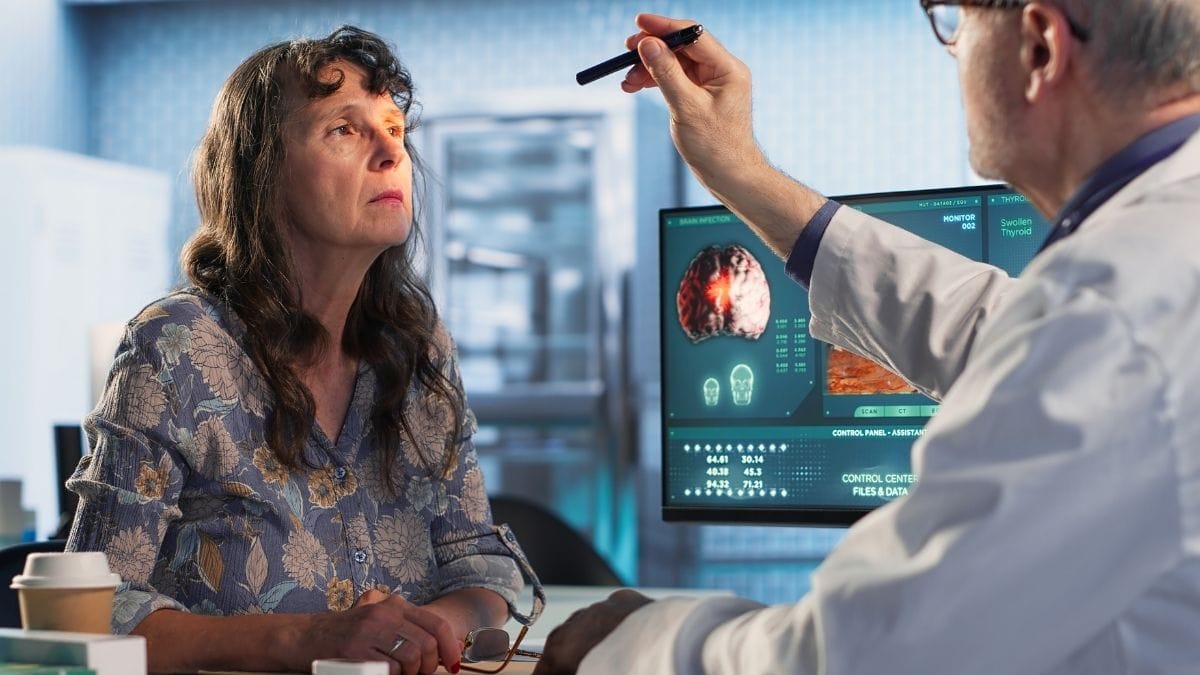
Tips: What to Do When You Notice Something Off
- Write down exactly what you saw, when it happened, and which eye was affected — your doctor needs this detail.
- Don’t search symptoms online and self-diagnose. Call your eye doctor instead.
- If vision changes come on suddenly, treat it like a medical emergency and seek care the same day.
The 4 Biggest Age-Related Eye Diseases (Explained Simply)
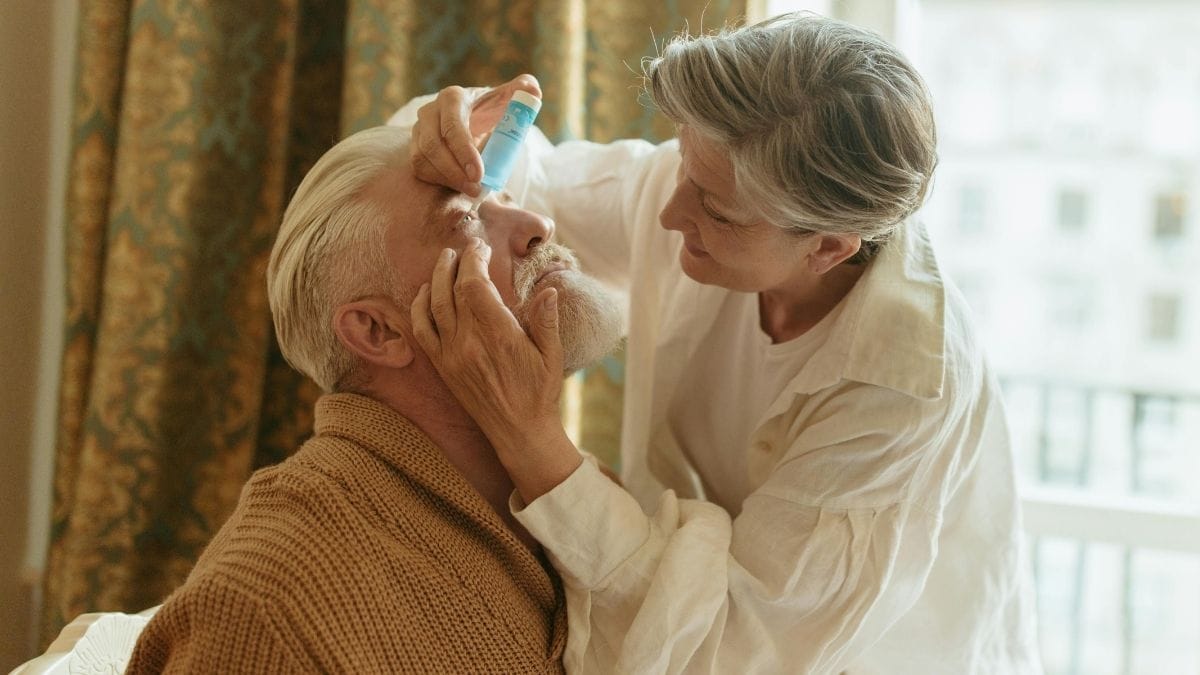
Each of these four conditions follows its own timeline. But they all share one thing — outcomes are dramatically better when caught early.
Presbyopia isn’t a disease. It’s a universal change. The lens stiffens and you lose close-up focus. Corrective lenses or surgery fix it.
Cataracts are a clouding of the lens. They grow slowly and are often painless until advanced. By age 80, more than half of all Americans either have cataracts or have had surgery to remove them. Surgery works very well.
Glaucoma damages the optic nerve, often from pressure buildup inside the eye. It’s called the “silent thief of sight” because it causes no pain and shows no signs until vision is already lost. It causes 9% to 12% of all blindness worldwide.
Age-Related Macular Degeneration (AMD) destroys the center of your vision. It’s the leading cause of blindness in adults over 50. The global burden of AMD has been rising steadily since 1990.
Fortunately, all four can be detected in a single comprehensive eye exam — before you lose a single degree of vision.
Tips: How to Talk to Your Doctor About Eye Disease Risk
- Tell your doctor about any family history of glaucoma, cataracts, or macular degeneration at your next visit.
- Ask specifically whether your risk level requires more frequent exams than the standard schedule.
- If you have diabetes or high blood pressure, ask your doctor how often your eyes need to be checked.
The Exact Eye Exam Schedule You Should Follow by Age
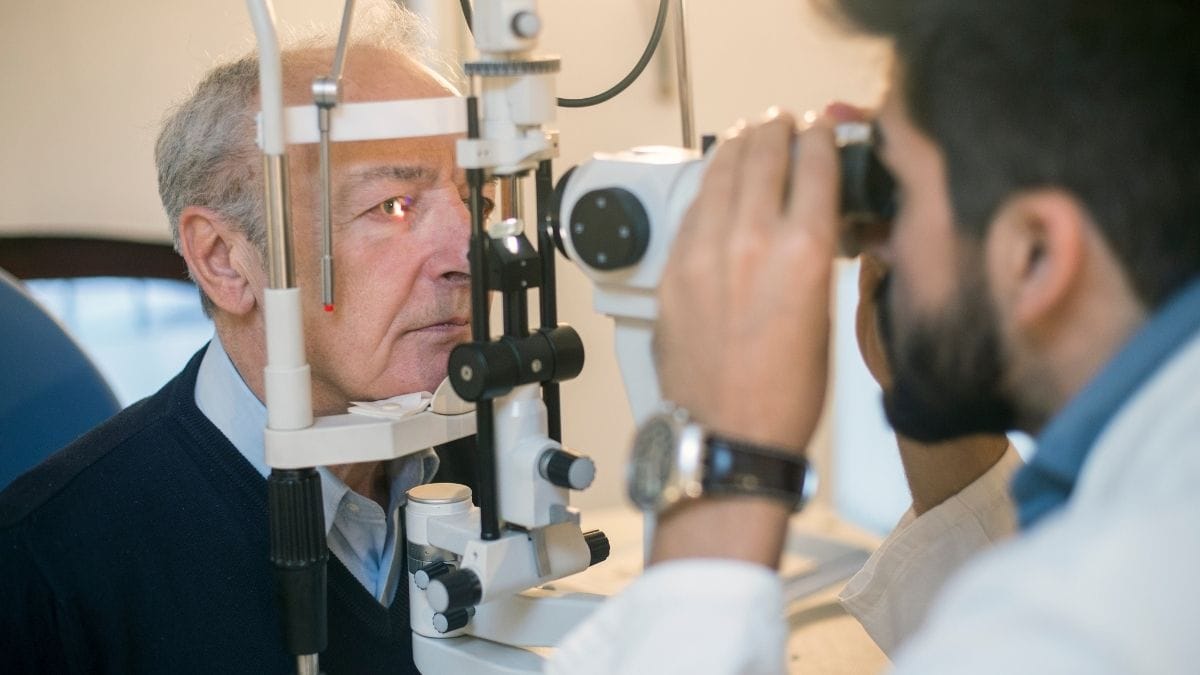
Here is the schedule that eye specialists recommend. Bookmark this and share it with anyone over 40 in your life.
Under 40, no symptoms: get an exam every 5 to 10 years.
At age 40: get a baseline comprehensive eye exam, even if you feel fine. The American Academy of Ophthalmology says this is as important as a mammogram or colon screening. It gives your doctor something to compare all future exams against.
Ages 40 to 54: every 2 to 4 years.
Ages 55 to 64: every 1 to 3 years.
Age 65 and older: every 1 to 2 years.
If you are Black or Hispanic, have diabetes, or have a family history of glaucoma, you need more frequent exams. Talk to your doctor about the right schedule for you specifically.
Here’s the hard truth — studies show that up to 40% of legal blindness in communities could have been prevented with timely eye screening and care. These are minimums for healthy adults. If you have risk factors, your doctor will likely want to see you more often.
Tips: How to Make Eye Exams a Non-Negotiable Habit
- Set a phone reminder every year on your birthday to check when your last eye exam was.
- Ask your primary care doctor to add an eye exam referral to your annual checkup checklist.
- If cost is a concern, check nei.nih.gov for programs that provide free or low-cost eye exams.
6 Practical Things You Can Do Right Now to Protect Your Vision
You can’t stop your eyes from aging. But you have real control over how fast they decline.
Tips: Quick Daily Habits That Add Up Over Time
- Download the free Amsler Grid from nei.nih.gov and check your central vision once a week — if straight lines look wavy, call your eye doctor.
- Take a 60-second break from screens every hour — close your eyes, let them rest.
- Put on sunglasses before you feel you need them, not after you’re already squinting.
Conclusion:
Vision changes after 40 are normal. Permanent vision loss is not.
Presbyopia, cataracts, glaucoma, and AMD all give early clues — if you know what to look for. Book your baseline exam. Use the Amsler Grid at home.
Don’t wait for a dramatic symptom. Protecting your eyesight starts with one simple decision to pay attention — starting today.