
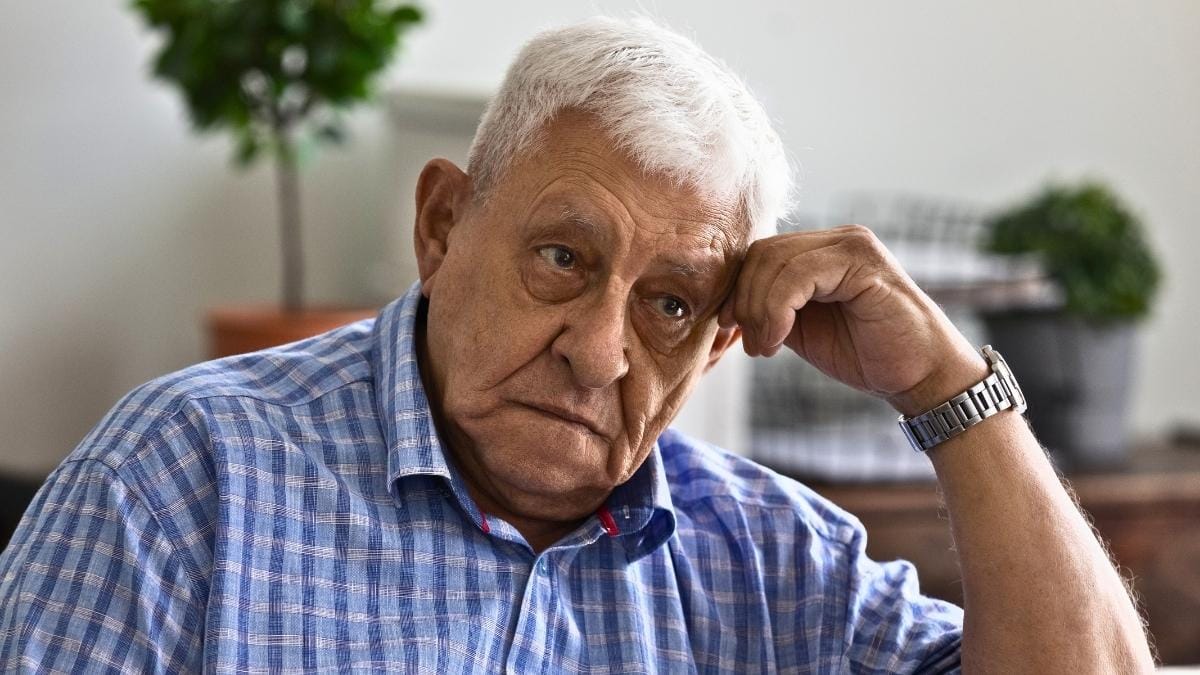
More than 1 in 8 Americans over 65 is living with a mental health condition right now. Most of them are not getting any help for it.
That is not a small problem. That is a quiet crisis happening in homes, retirement communities, and hospital rooms every single day.
Many people assume sadness, worry, or memory trouble are just part of getting old. They are not. These are signs of real conditions. And real conditions can be treated.
This article covers eight things you need to know about mental health and senior adults. Whether you are a senior yourself, a family member, or a caregiver, you will find clear facts, warning signs, and steps you can take today to make a real difference.
1. Mental Health in Older Adults Is More Common Than You Think

Most people think mental health problems are something that happens to younger people. That is wrong.
Nearly 1 in 8 Americans over 65 has some form of mental health condition right now. About 15% of adults age 50 and older have a diagnosable mental health disorder. And that number is expected to double by 2040.
More than 1.6 million Americans aged 65 and older already live with depression. Yet up to 60% of seniors with a mental health condition never get any treatment. None.
Part of the reason is stigma. Many older adults grew up in a time when asking for help was seen as weakness. They push through. They stay quiet. And the problem gets worse.
Mental illness in seniors is not a character flaw. It is a medical condition, the same as diabetes or high blood pressure. It deserves the same care.
If you have an older person in your life, do not assume they are fine just because they are not saying anything.
How to Take the First Step
- Ask simple, direct questions. “How have you been feeling lately?” works better than waiting for them to bring it up.
- Contact the NCOA at ncoa.org for free senior mental health resources you can use today.
2. Depression in Seniors Doesn’t Always Look Like Sadness
Most people picture depression as someone crying all day. In older adults, it usually looks nothing like that.
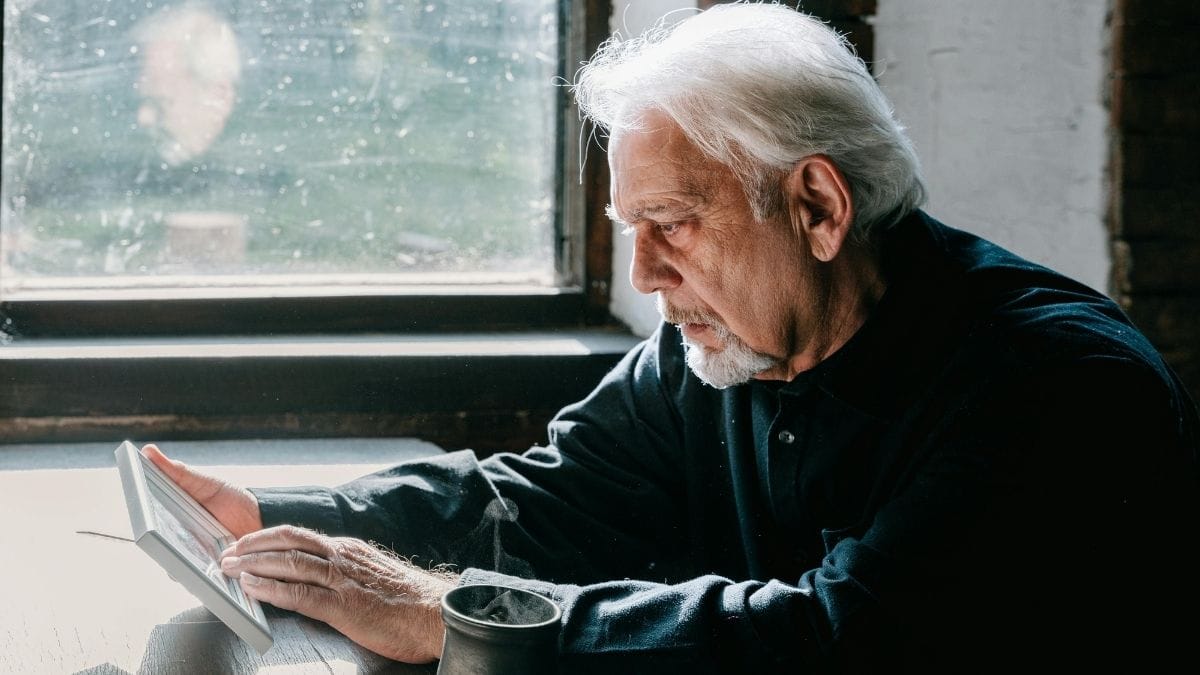
Depression in seniors often shows up as irritability. Or sleeping too much. Or skipping meals. Or pulling away from people they used to love spending time with. Families miss it because it looks like laziness or attitude, not illness.
Common triggers include losing a spouse, dealing with a serious illness, retiring and losing purpose, or feeling like a burden to others. These are real and painful experiences. They can push someone into a real depressive episode.
Depression among older adults hit its highest recorded levels during the COVID-19 pandemic, and rates have kept rising since. This is not a trend that is slowing down.
Here is the number that should make everyone pay attention. Adults aged 65 and older account for 20% of all suicide deaths in the United States. That is one in five. And most of those people never told anyone they were struggling.
Depression is treatable. But only if someone recognizes it first.
How to Spot Depression Early
- Watch for changes, not just mood. Skipping hobbies, eating less, and sleeping more are often the first signs.
- If a senior gives away meaningful possessions for no clear reason, treat it as a serious warning sign and act immediately.
3. Anxiety in Seniors Is Widely Underdiagnosed and Underreported
Between 3% and 14% of older adults meet the full criteria for an anxiety disorder. The real number is likely much higher because anxiety in seniors is constantly missed.
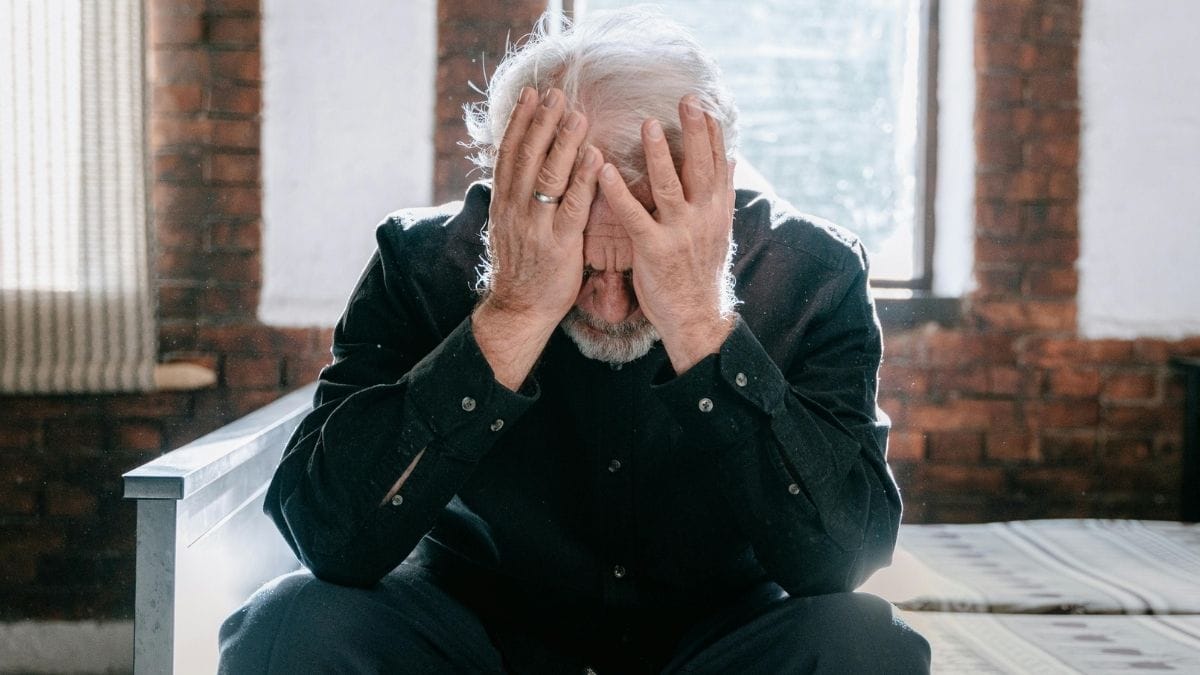
Why? Because anxiety in older adults often comes out as physical symptoms. Chest tightness. Stomach problems. Shortness of breath. Headaches. A doctor sees those symptoms and runs cardiac tests or orders a GI scope. Nobody screens for anxiety.
Seniors are also more likely to be dismissed. They get told to “relax” or “stop worrying so much.” That is not helpful. That is harmful.
Many older adults lived through genuinely hard times. Wars. Poverty. Loss. Trauma from decades ago can resurface with age, especially when health declines and independence shrinks.
Generalized anxiety disorder, specific phobias, and PTSD are all real and common in this age group. They are also all treatable with therapy and, when needed, medication.
The first step is simply taking the complaint seriously. Physical symptoms plus age does not always mean a physical cause.
How to Help a Senior With Anxiety
- Do not minimize their worry. Say, “That sounds stressful. Let’s talk to your doctor about it.”
- Ask their doctor to screen for anxiety, not just run more physical tests. It is a reasonable and important request.
4. Loneliness in Seniors Is a Health Risk, Not Just an Emotion
Loneliness is not just a bad feeling. For older adults, it is a medical risk factor.
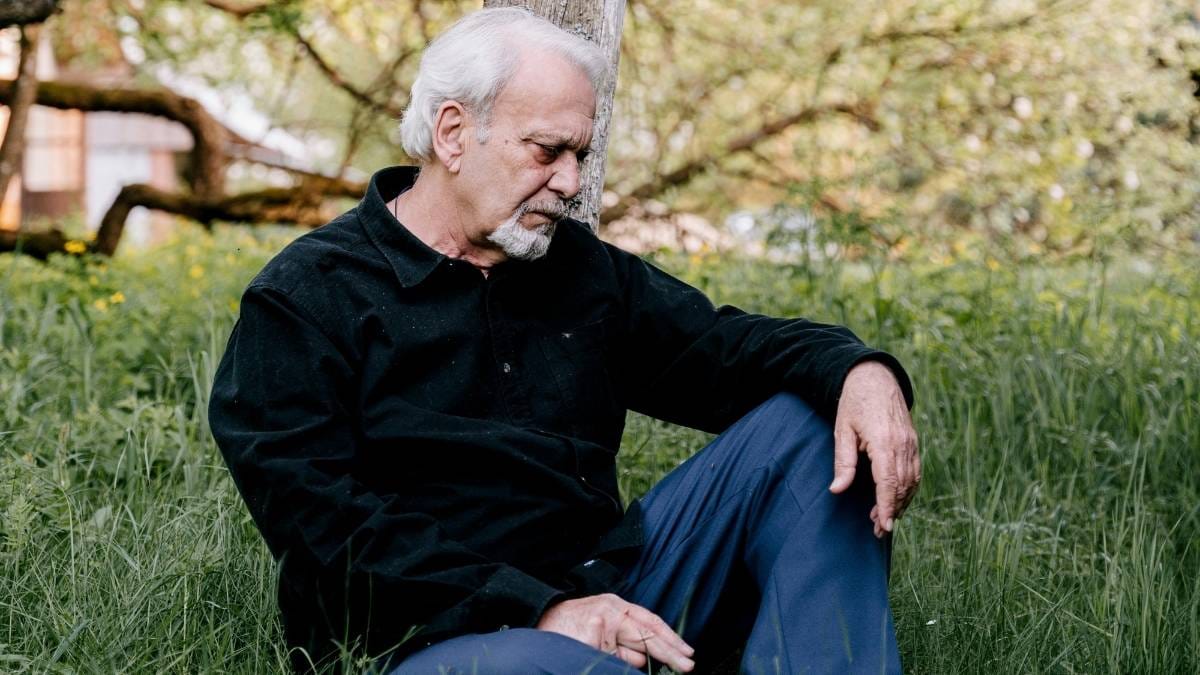
About 1 in 3 seniors is affected by social isolation. The World Health Organization has compared the health damage of chronic loneliness to smoking a pack of cigarettes a day. That comparison is not dramatic. It is data.
Lonely seniors are more likely to be readmitted to the hospital, more likely to develop dementia (their risk goes up by 50%), and more likely to die earlier than seniors with strong social connections.
What causes it? Retirement takes away daily human contact. Spouses and close friends pass away. Mobility problems make it harder to leave the house. And many seniors do not know how to use technology to stay connected.
The fix is not complicated, but it does take effort. Senior centers, local volunteer programs, religious communities, and regular scheduled phone or video calls with family all make a measurable difference.

Do not wait for an older person to say they are lonely. Most never will.
How to Fight Senior Loneliness
- Set a recurring weekly call with an older family member and treat it like an appointment. Consistency matters more than length.
- Look up local senior centers at nia.nih.gov — many offer free daily programs that require no transportation.
5. Chronic Illness and Mental Health Are Directly Linked in Older Adults
In 2025, the CDC reported that 87% of adults over 65 have at least one chronic physical condition. Nearly 61% have two or more.

That is important because physical health and mental health do not operate separately. They affect each other constantly.
When someone lives with daily pain, limited mobility, or a serious diagnosis like heart disease or diabetes, feelings of hopelessness are a natural response. Those feelings, left untreated, turn into depression.
Some medications for physical conditions also affect mood, sleep, and cognitive function. A medication review can sometimes solve what looks like a mental health crisis.
The connection runs both ways. Poor mental health slows physical recovery. A senior who is depressed after surgery takes longer to heal, is less likely to follow a care plan, and is more likely to be back in the hospital within 30 days.
About 20% of people aged 55 and older experience mental health concerns that are directly tied to their physical condition. That makes mental health screening a standard part of good physical care, not a separate conversation.
How to Connect Physical and Mental Care
- At every doctor’s visit, ask specifically: “Can we also check how they are doing emotionally?” Do not wait for the doctor to bring it up.
- Review all current medications with a pharmacist or physician, and ask which ones may affect mood or cognition.
6. Regular Exercise Is a Proven Mental Health Protector for Seniors
You do not need to run a marathon. You just need to move.
A Johns Hopkins study published in February 2025 found that just 35 minutes of moderate exercise per week was linked to a 41% lower risk of developing dementia. That is less than five minutes a day.

A separate study published in JAMA Network Open in November 2025 found that exercising between the ages of 65 and 88 can lower dementia risk by up to 45%. Even for frail older adults, more movement meant lower risk.
Exercise also directly improves mood. It raises serotonin levels and lowers cortisol. It reduces anxiety symptoms and lifts depression without a single side effect.
What counts? Walking around the block. Chair yoga. Water aerobics. Light resistance bands. These are real options for seniors with mobility limits.
The problem is that too many doctors tell older adults to rest when their joints hurt or their energy is low. Rest is rarely the right answer. Movement, even gentle movement, is almost always better for both the body and the brain.
How to Add Exercise to a Senior’s Week
- Start with a 10-minute walk after dinner three times a week. That is a real starting point, not a placeholder.
- Search for free chair yoga videos on YouTube. They are beginner-friendly and require no equipment or special fitness level.
7. Effective Treatments Exist, But Most Seniors Never Receive Them
The treatment works. That part is not in question.
Cognitive Behavioral Therapy (CBT), medication management, and peer support programs all have strong track records for treating depression and anxiety in older adults. Up to 60% of seniors with anxiety or mood disorders never receive any of them.
Why? Stigma is the biggest reason. Many seniors believe seeking therapy means they are weak or crazy. Transportation is another barrier. Cost is another. And many simply do not know where to start.
Here is what is different in 2026. Medicare now covers telehealth mental health services. A senior can see a licensed therapist from their living room on a tablet or phone. Telehealth already makes up 35% of behavioral health visits for Medicare patients.

Resources that are available right now:
SAMHSA National Helpline — 1-800-662-4357. Free, confidential, 24 hours a day.
988 Suicide and Crisis Lifeline — Call or text 988. Available to anyone, any age.
Psychology Today therapist finder — psychologytoday.com/us/therapists. Filters for age, insurance, and telehealth.
Getting help is no longer as hard as it used to be. The barrier now is mostly knowing where to look.
How to Access Mental Health Treatment for Seniors
- Call SAMHSA at 1-800-662-4357. It is free, private, and available at any hour. No insurance needed to call.
- Go to psychologytoday.com/us/therapists and filter by “Medicare” and “telehealth” to find a therapist your senior can see from home.
8. Caregivers and Family Members Play a Critical Role in Senior Mental Health
Family members usually notice the changes first. And they are usually the last ones to say anything.
They write it off. They tell themselves it is just aging. They do not want to upset anyone. But staying quiet is not protecting anyone. It is delaying care.
What should you watch for? A parent who stops calling as often. Someone who used to love cooking and now skips meals. A person who gives away meaningful items for no clear reason. These are not quirks. They are warning signs.
Starting the conversation does not have to be painful. Try this: “I’ve noticed you seem a little off lately, and I’ve been reading that this is really common for people your age. Can we talk to your doctor together?” That is enough to open the door.
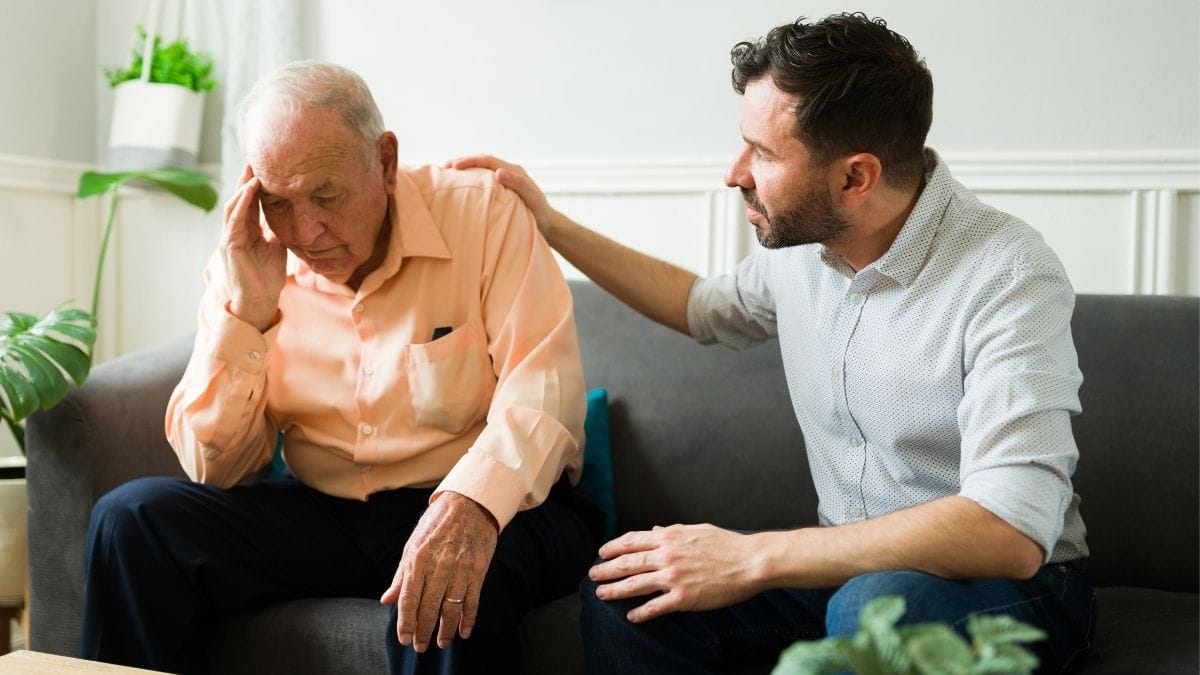
Caregiver burnout is also real. A significant portion of older adults who need mental health treatment are not getting it partly because the caregivers around them are exhausted and do not know where to turn either.
You cannot pour from an empty cup. Taking care of yourself is part of taking care of them.
How Families Can Support Senior Mental Health
- Make one concrete plan after reading this. Not “I should call more.” Something specific, like “I will call every Sunday at 2 p.m.”
- Visit samhsa.gov/older-adults for a full list of caregiver and senior mental health resources. It is free and practical.
Conclusion:

Mental health conditions in older adults are common, serious, and treatable. But only when someone notices and acts. Whether you are a senior, a family member, or a caregiver, now you know what to look for and where to start. Mental health and senior adults is not a topic to put off. One conversation can change everything.