
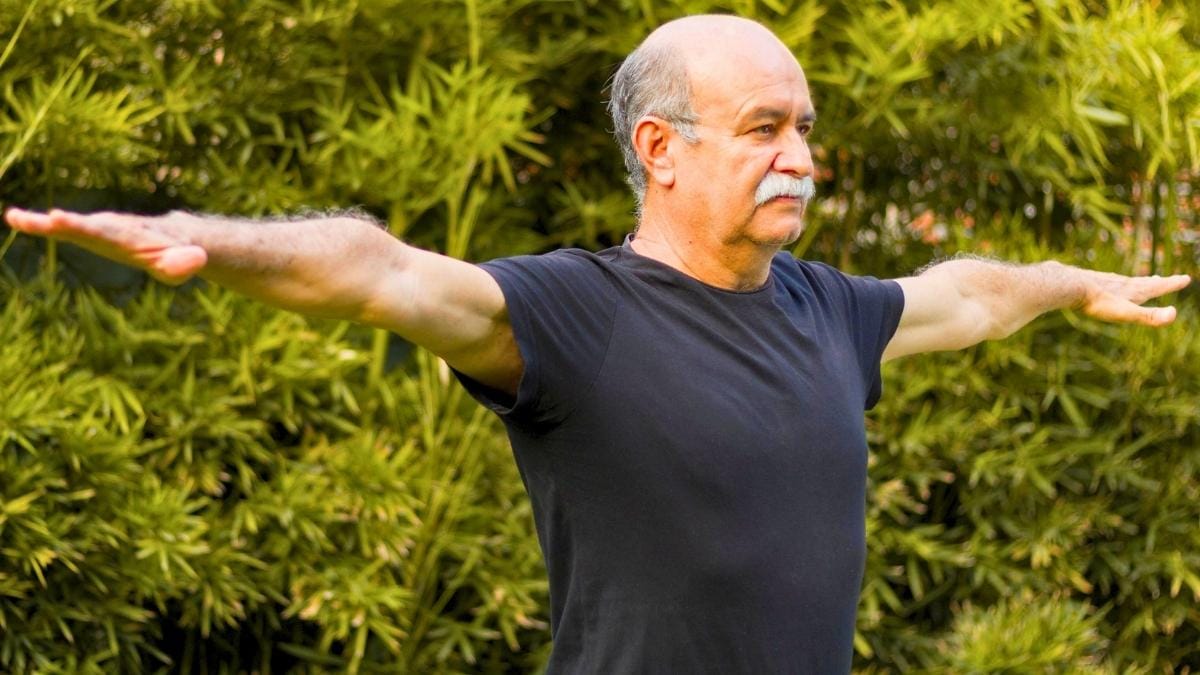
If getting out of a chair has become the hardest part of your morning, you are not alone. Around 18% of Americans aged 65 and older live with chronic pain every day. And many of them feel stuck: more pills, less movement, less life.
Pain and Frailty can be slowed down. Real research shows that five simple lifestyle changes work together to cut pain and build strength.
You do not need a gym. You do not need a big budget. You just need to start. This guide gives you exactly what to do, step by step, backed by real science.
Why Pain and Frailty Are Not the Same Thing (But Feed Each Other)
Frailty is not just “feeling old.” It is a measurable condition. Doctors look for five signs: slow walking speed, weak grip, low energy, unintended weight loss, and low physical activity. When three or more are present, you are considered frail.
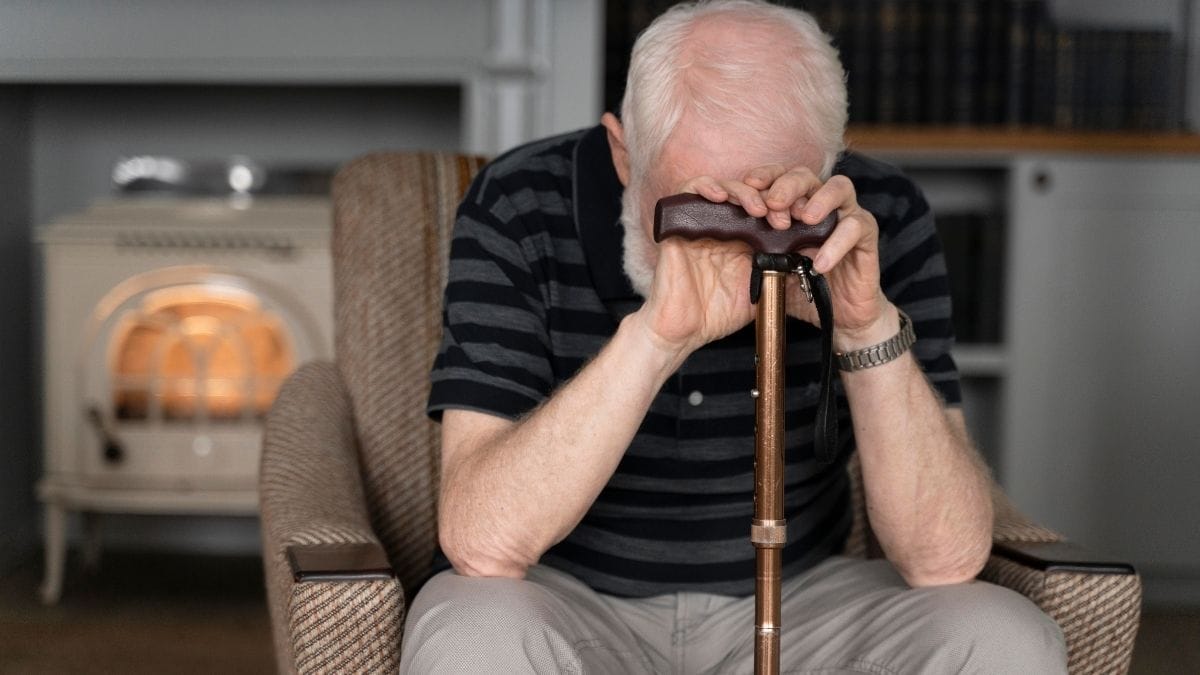
Here is the problem. Pain makes you move less. Moving less causes muscle loss. Muscle loss makes pain worse. This loop is called the pain-frailty cycle, and it feeds itself if nothing breaks it.
The numbers are serious. One-third of adults over 65 fall at least once a year. Half of those fall again. More than 65% of seniors are managing at least one chronic condition. The CDC confirmed in 2023 that 14.3% of all U.S. adults have chronic pain, with rates rising with age.
But here is the good news. A 2025 NHANES study found that improving all key lifestyle factors at once cuts frailty risk by 94%. That is not a small number. That is almost total protection. And it starts with choices you make this week.
Helpful Tips:
- Write down which of the five frailty signs you notice in yourself. Knowing your starting point matters.
- Talk to your doctor about the pain-frailty cycle before your next appointment.
Move to Heal: The Right Exercise for Seniors With Chronic Pain
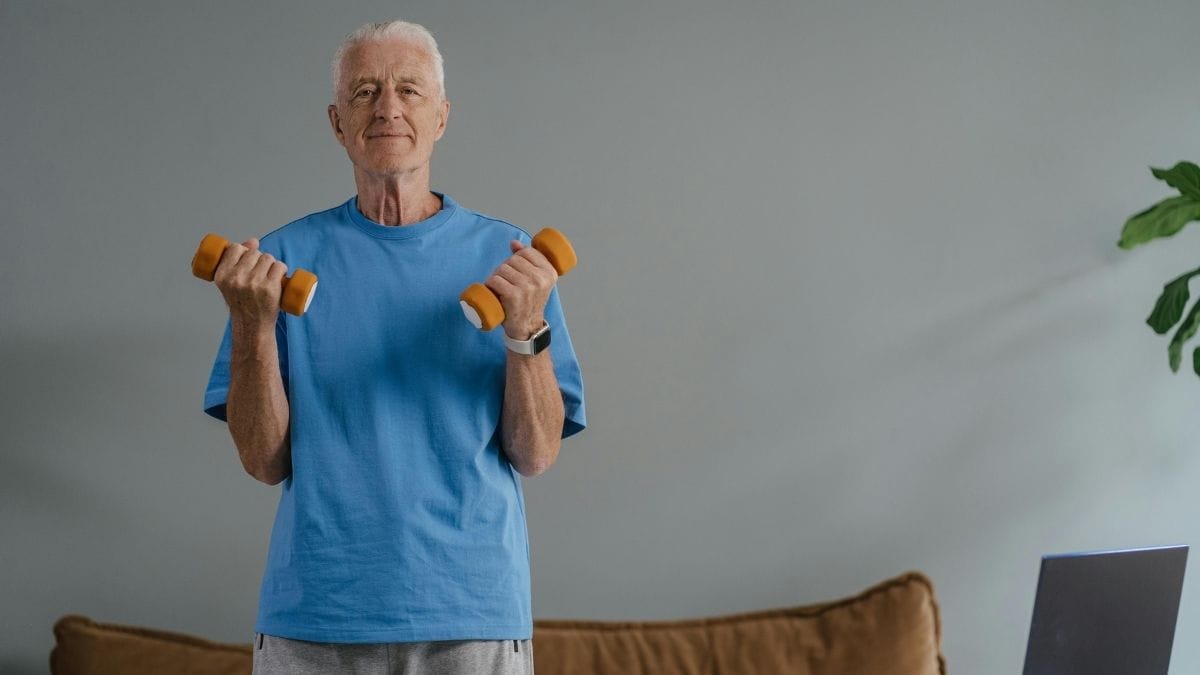
The biggest mistake seniors in pain make is resting more. Research says that is exactly wrong. The WHO recommends 150 minutes of moderate activity per week for adults over 65. Pain is not a reason to skip movement. It is a reason to move smarter.
Strength training is one of the best tools you have. A 2024 review of 155 studies confirmed that resistance training improves muscle strength, mass, and functional independence.
It directly reduces your fall risk. You do not need weights. Chair squats and wall push-ups work just fine.
Mind-body exercise may be the best of all. A 2025 meta-analysis of 35 trials with 2,905 participants found that Tai Chi reduced frailty significantly and improved quality of life more than any other exercise type. You can find free beginner Tai Chi videos on YouTube right now.
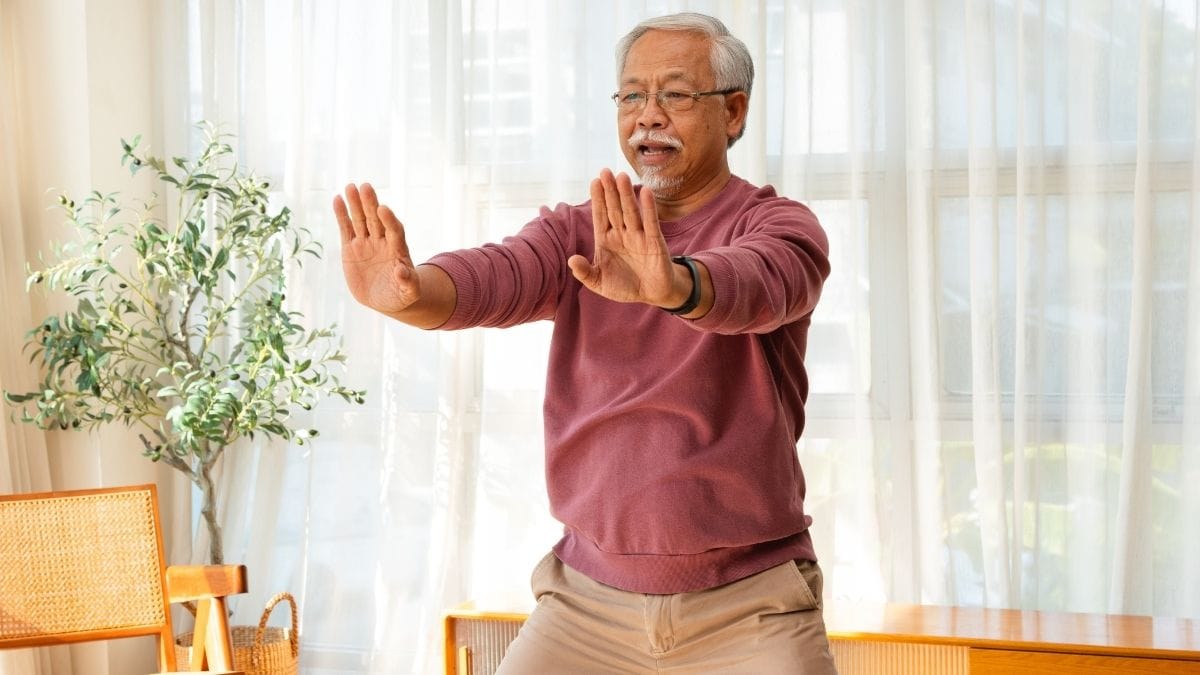
Balance training cuts falls by up to 50% in community-dwelling older adults. A 2025 study also proved that adults over 80 doing home video workouts three times a week improved strength, mobility, and cognition within 12 months.
Helpful Tips:
- Search “Tai Chi for seniors beginners” on YouTube and try one 15-minute video this week.
- Use a kitchen counter for your daily 2-minute one-leg balance stand. It is safer and easy to add to your routine.
Eat to Fight Inflammation: The Food Plan That Reduces Pain
Your food either turns down pain or turns it up. That is not an exaggeration. Chronic pain is largely an inflammation problem.
The Western diet, which includes processed meat, white flour, sugar, and packaged snacks, floods your body with chemicals that make pain receptors more sensitive.
The Mediterranean diet is the most studied solution. Harvard Health points to polyphenol-rich foods such as berries, dark leafy greens, nuts, legumes, and whole grains as having the strongest evidence for reducing the inflammation that causes painful flare-ups.
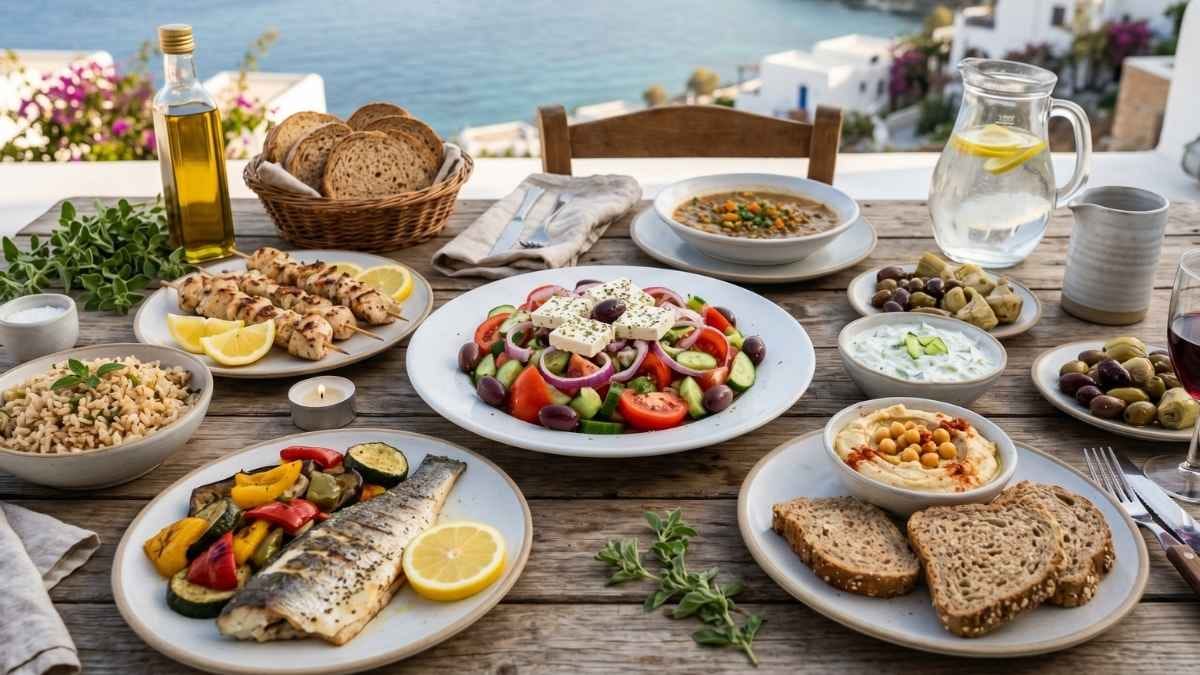
Omega-3 fatty acids are a specific pain tool. Salmon, sardines, mackerel, flaxseed oil, and olive oil all help control inflammation. A 2025 BMJ Nutrition meta-analysis confirmed that anti-inflammatory diets improve quality of life in people with chronic disease.
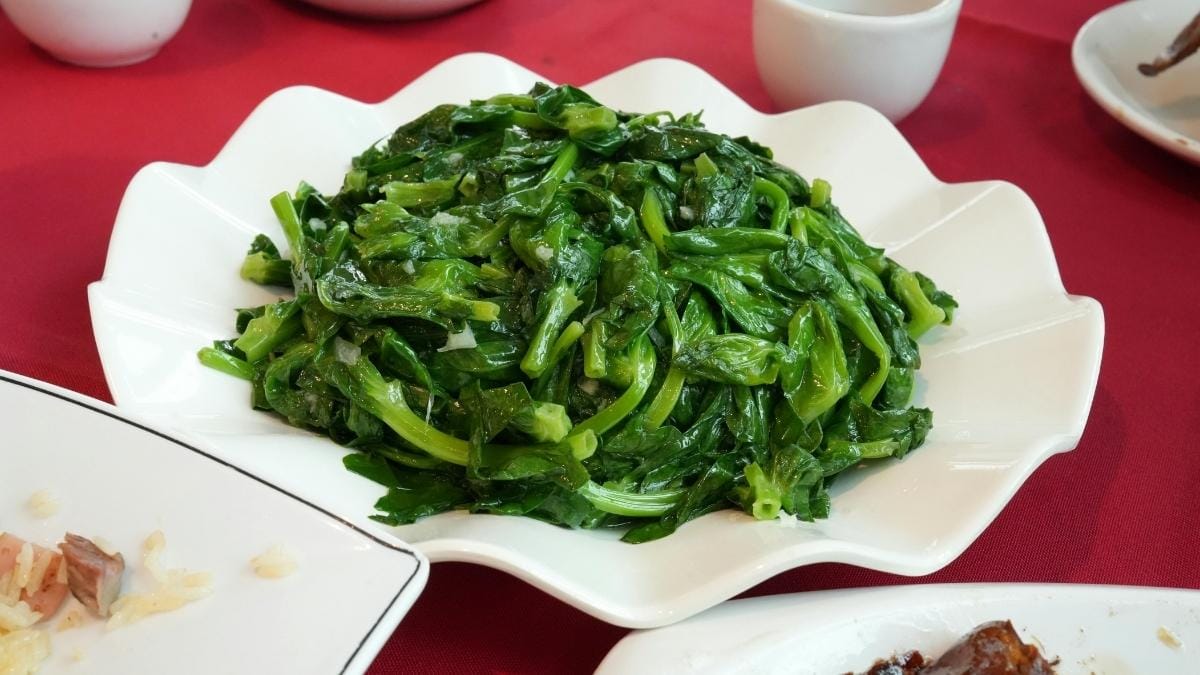
Start with swaps, not a total overhaul. Replace white bread with oats. Swap vegetable oil for extra virgin olive oil. Add one handful of walnuts instead of a packaged snack. Add one dark green vegetable to one meal per day.
Helpful Tips:
- Keep a can of sardines or salmon in your pantry. It is the cheapest, easiest omega-3 source you can find.
- Replace one sugary drink per day with water and a slice of lemon. Small changes add up fast.
Fix Your Sleep: The Missing Link in Pain Recovery
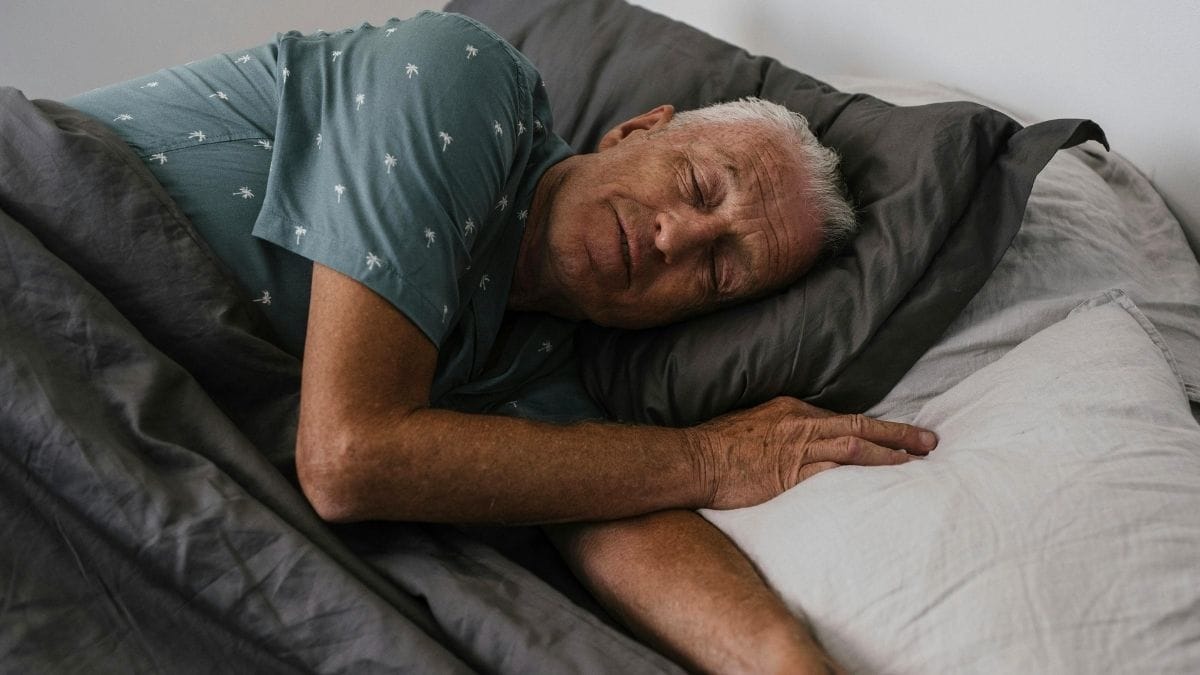
Most people treat bad sleep as a side effect of pain. Research says it goes both ways. Sleep disturbances are present in 67 to 88% of chronic pain disorders. Poor sleep makes your nervous system more sensitive to pain. More pain then makes sleep worse. The cycle keeps going.
Up to 50% of adults aged 60 and over report insomnia symptoms. In a study of 4,201 older adults with chronic pain, the biggest causes of poor sleep were stress, depression, and prescription sleep or pain medications, not just the pain itself.
The reward for fixing sleep is large. Men who get regular quality sleep add an average of 4.7 years to their lives. Women add 2.4 years. That is not a small benefit.
Here is what works. Keep a fixed wake time every day. No screens 60 minutes before bed. Keep your bedroom between 65 and 68 degrees Fahrenheit. Try 10 minutes of slow breathing: breathe in for 4 counts, out for 6. Cut caffeine after 1 PM. If you wake at night, do not check the clock.
Helpful Tips:
- Set one consistent wake time and protect it like an appointment. Your body clock responds to consistency.
- Try the 4-count inhale and 6-count exhale method for 5 minutes before bed. It activates your nervous system’s calm response.
The Social Prescription: Why Connection Is a Physical Medicine

This is the section most health guides skip. And that is a mistake. Loneliness does not just feel bad. It physically harms your body. A study from the English Longitudinal Study of Ageing found that high loneliness increased the risk of becoming physically frail by 85% within four years.
The scale of this problem is large. Up to 23% of older adults in the United States are lonely. One in four are socially isolated.
A Concordia University study tracked 2,300 older adults for 18 years and found that frailty and isolation feed each other. Frailty leads to more isolation. Isolation leads to more frailty.
This is not a feelings issue. It is a physical health issue. Living alone and loneliness are independently linked to higher mortality risk in older adults.
The fix does not require big changes. Join one weekly group activity such as a walking club, a faith group, or a community center class. Schedule one social phone or video call per day. Volunteer for one or two hours a week. Ask your doctor about social prescribing programs, because many clinics now offer them.
Helpful Tips:
- Treat one daily social call like a scheduled appointment. Put it in your calendar so it actually happens.
- Ask your doctor or local senior center about social prescribing. It is a real medical program available in many areas.
Manage Stress: Because Tension Lives in Your Body, Not Just Your Mind
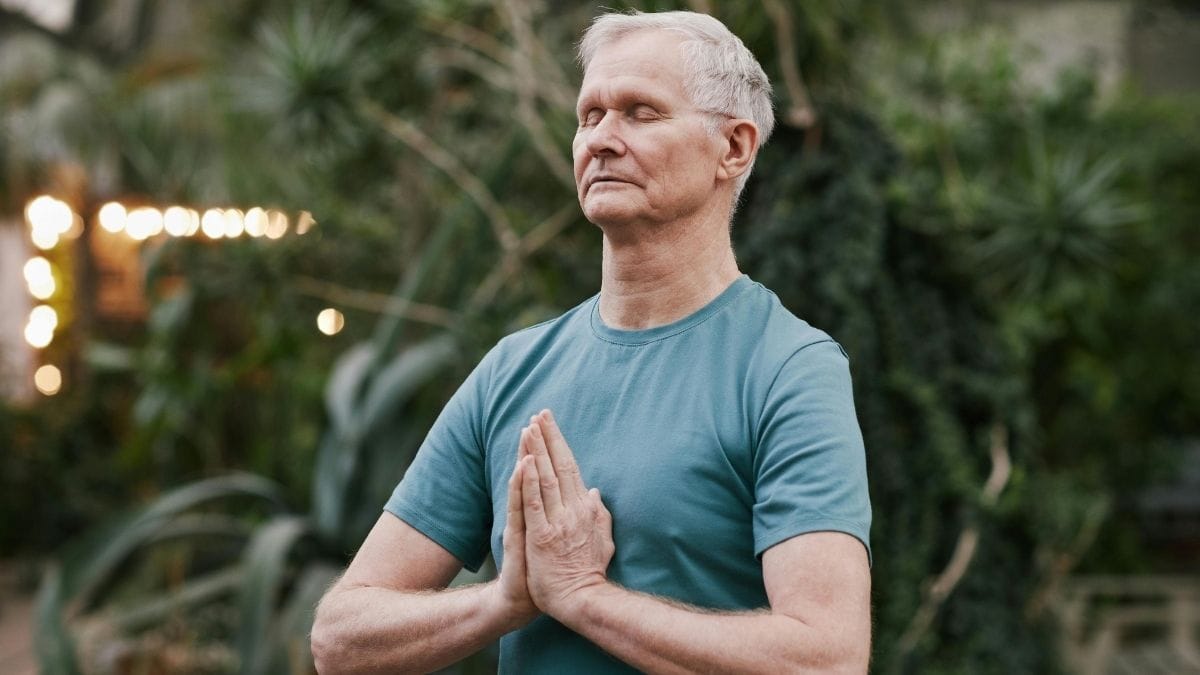
Stress is not just a feeling. Inside your body, stress raises cortisol, a chemical that increases inflammation and turns up pain signals. This means every stressful day you do not manage makes your pain physically worse.
The good news is that stress reduction tools are cheap, proven, and available right now. Mindfulness-Based Stress Reduction is a free 8-week program with strong research behind it.
Palouse Mindfulness at palousemindfulness.com offers the full course for free. Deep breathing, progressive muscle relaxation, and gentle yoga also work.
A 2023 study showed that when people followed a Mediterranean eating pattern, their pain improved and so did their stress, depression, and sleep. This proves that lifestyle changes stack on top of each other. Fixing one area helps the others.
Start with 5 minutes of breathing in the morning. Write down 3 things you are grateful for. It takes 2 minutes. Search “progressive muscle relaxation for seniors” on YouTube. None of this costs money. All of it is backed by research.
Helpful Tips:
- Download the Insight Timer app. It is free and has dozens of senior-friendly breathing and relaxation sessions.
- Do your 3-item gratitude list at the same time every day. Pairing it with a habit like morning coffee makes it stick.
Final Thought;
Pain and frailty after 65 are not fixed. Five changes work together and build on each other: movement, food, sleep, connection, and stress management. You do not need to do all five at once. Pick one today. Do it tomorrow. That is exactly how this starts.