
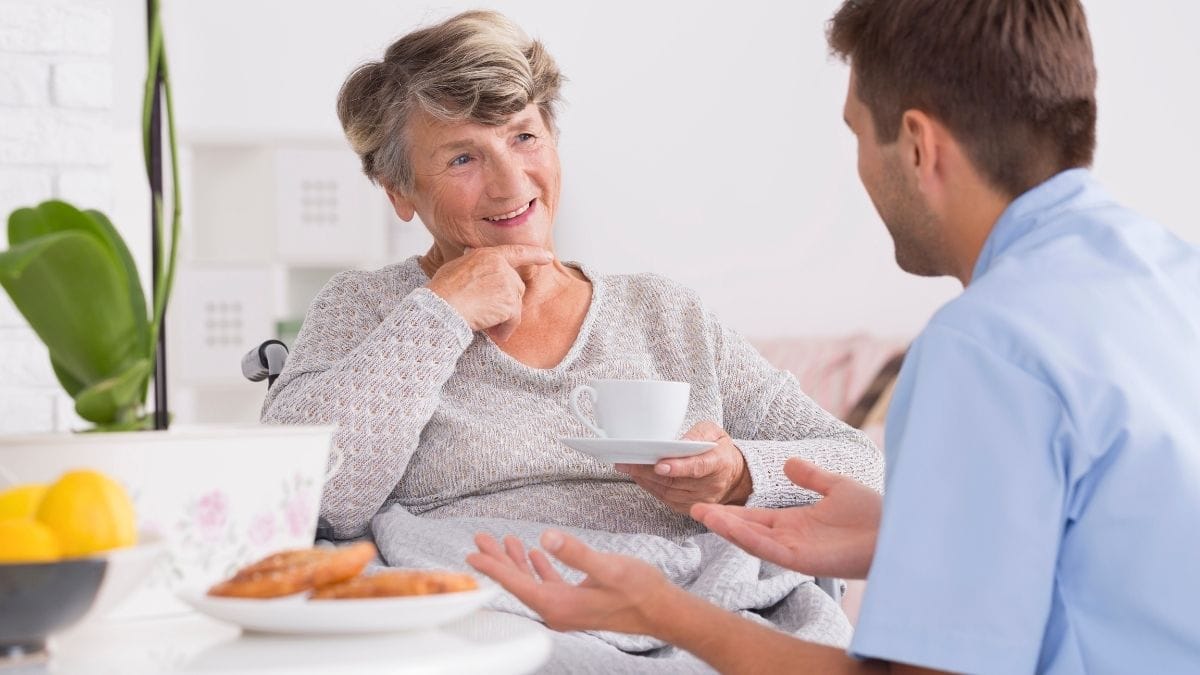
She hadn’t stepped inside a gym in thirty years. She didn’t track her calories. She never opened a wellness app in her life. And she was one of the healthiest people I had ever met.
That stopped me cold.
I had been doing everything “right.” Counting macros. Hitting step goals. Buying supplements. But I still felt tired, stressed, and somehow behind. Like health was a finish line I could never reach.
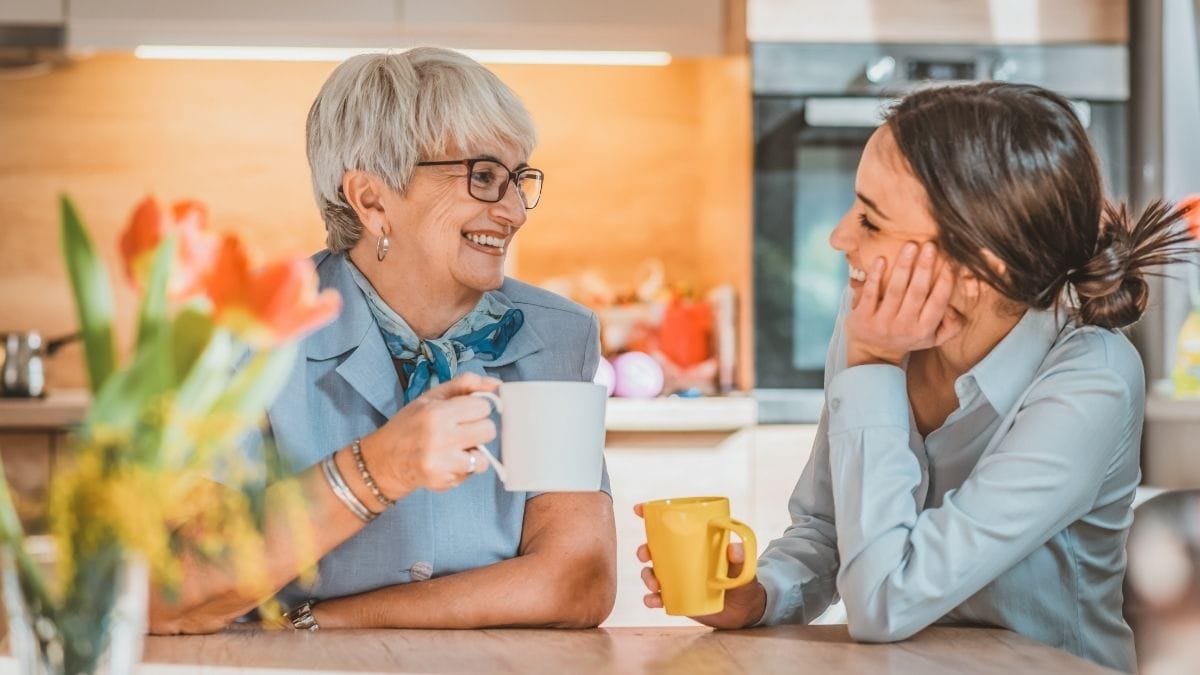
Then I sat at her kitchen table one Tuesday afternoon. We talked for thirty minutes. And she quietly broke every rule I thought I knew about being healthy.
This article is about what she said. It is backed by real research. And it will change how you think about the word “healthy” — for good.
The Conversation That Started It All
It was a regular Tuesday. I was visiting her to talk about her garden. We ended up talking about life.
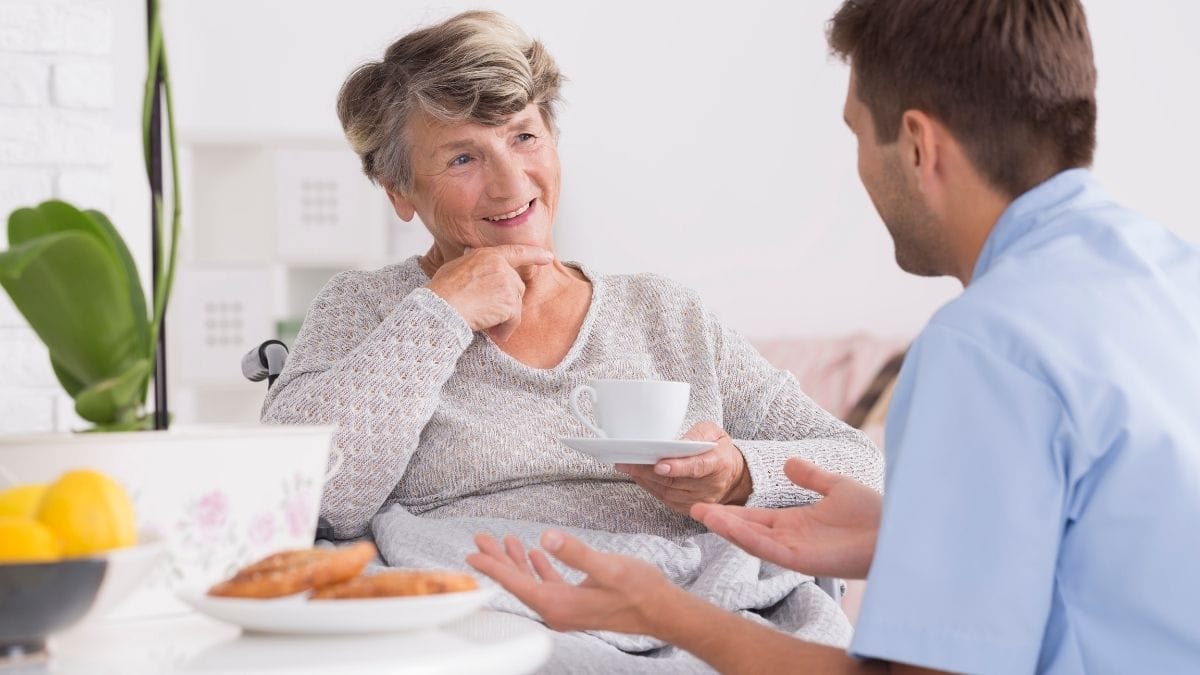
She was 74. Retired teacher. No gym membership. No fitness tracker. She walked to the market, cooked for her neighbors, slept without an alarm, and spent her Tuesdays volunteering at the local library. That was it.
“You young people are so busy being healthy,” she said, “you never get around to living.”
I didn’t know what to say.
Here’s the thing — she wasn’t wrong. Research from the Danish Twin Study, cited widely in Blue Zones work, shows that only about 20% of how long you live is decided by your genes. The other 80% is shaped by how you live every single day.
She had figured that out without reading a single study.
Blue Zones researchers looked at the world’s longest-lived communities. None of them “exercised” the way we think about it. They just moved through their days — cooking, walking, gardening. Health was built into their lives, not scheduled into them.
What she described didn’t sound like a health plan. It sounded like just living. And that made me uncomfortable.
How We Got “Healthy” So Wrong

The word “healthy” has been broken for a long time. And it is not your imagination.
Here is a real fact that should bother you. The FDA did not update its official definition of “healthy” from 1994 until December 2024. That is thirty years. During that time, a sugary fortified cereal could be legally labeled “healthy.” A piece of salmon could not. An avocado could not.
That is not a small mistake. That shaped how millions of people ate for three decades.
The updated FDA rule now allows salmon, avocados, nuts, seeds, and olive oil to carry a “healthy” label. Highly sweetened yogurt and fortified white bread no longer qualify.
Meanwhile, the wellness industry kept selling anxiety. McKinsey surveyed over 9,000 people and found a growing group of “maximalist optimizers” — people spending big money on tracking devices, supplements, and apps. Not necessarily healthier. Just more stressed about health.
The teacher hadn’t been confused by any of this. Because she never bought into the definition that caused the confusion.
What “Healthy” Actually Looks Like — The 5 Things She Knew
Here is what hit me hardest. Everything she described had decades of research behind it. She just never needed to read the studies.
1. Movement Built Into Life, Not Scheduled Into It
Blue Zones communities don’t go to the gym. They garden. They cook. They walk. They are nudged into moving every 20 minutes naturally.
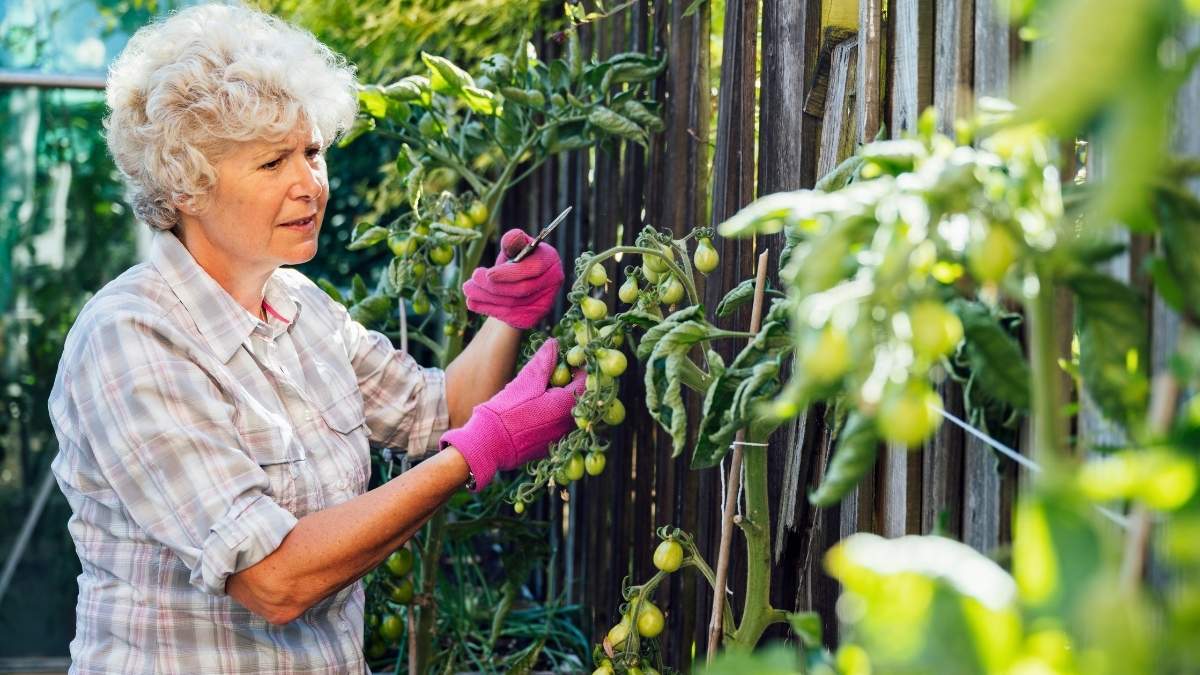
The teacher did the same. She walked to the market. She tended her plants. She cooked real food from scratch.
You don’t need a gym membership to move your body. You need an active life.
Try this: Walk to one errand this week. Cook one meal instead of ordering. Take the stairs. Tend to something — a plant, a space, anything.
2. Real Connection, Not Digital Connection
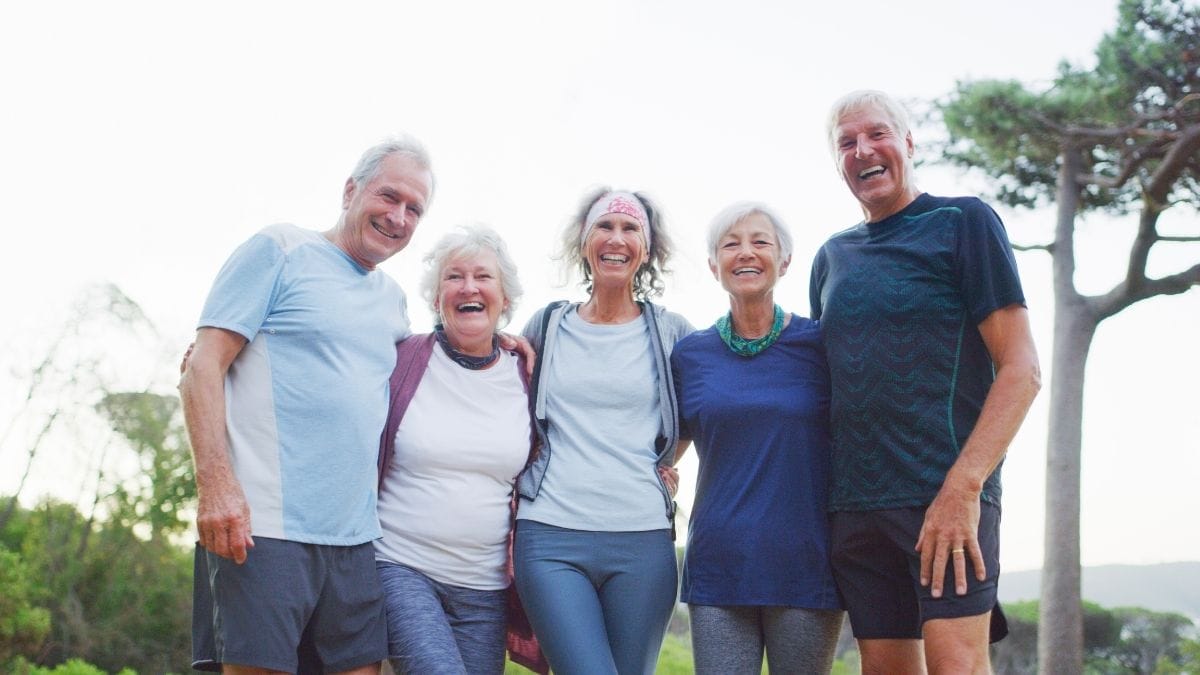
Poor social relationships increase your risk of heart disease by 29% and stroke by 32%. Chronic loneliness in older adults raises dementia risk by roughly 50%. These are not small numbers. These are life-and-death numbers. That data comes from the U.S. Surgeon General’s office.
The teacher had dinner with neighbors three nights a week. She called her sister every morning. She knew her postman’s name.
That is not small talk. That is medicine.
Try this: Schedule one face-to-face hangout this week that is not a meeting or an errand. Just time with another person.
3. A Sense of Purpose in Daily Life
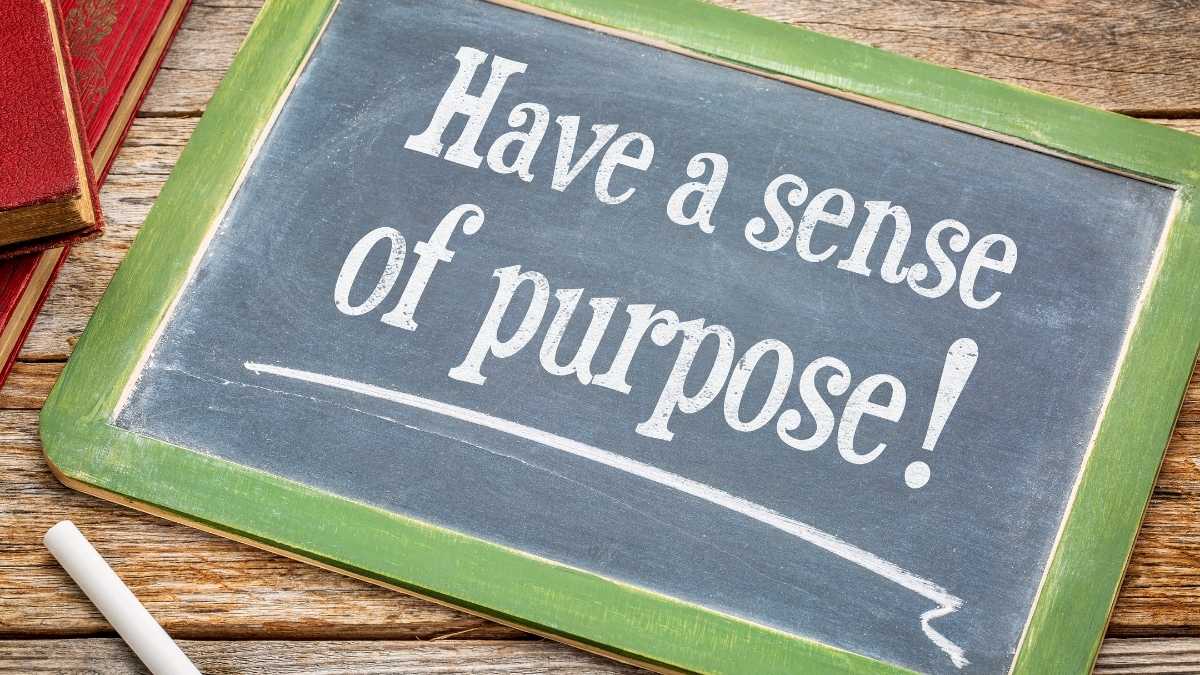
A study of roughly 7,000 older Americans found that deaths among those with the lowest sense of purpose were more than double those with the highest. That is a massive difference. Purpose is not a luxury. It is a health habit.
Okinawans call it “ikigai” — a reason to get up in the morning. The teacher volunteered at a library every Tuesday. That was her reason. Simple. Consistent. Real.
Try this: Ask yourself what you would do this week even if no one paid you. Do more of that.
4. Rest Treated as Health, Not Laziness
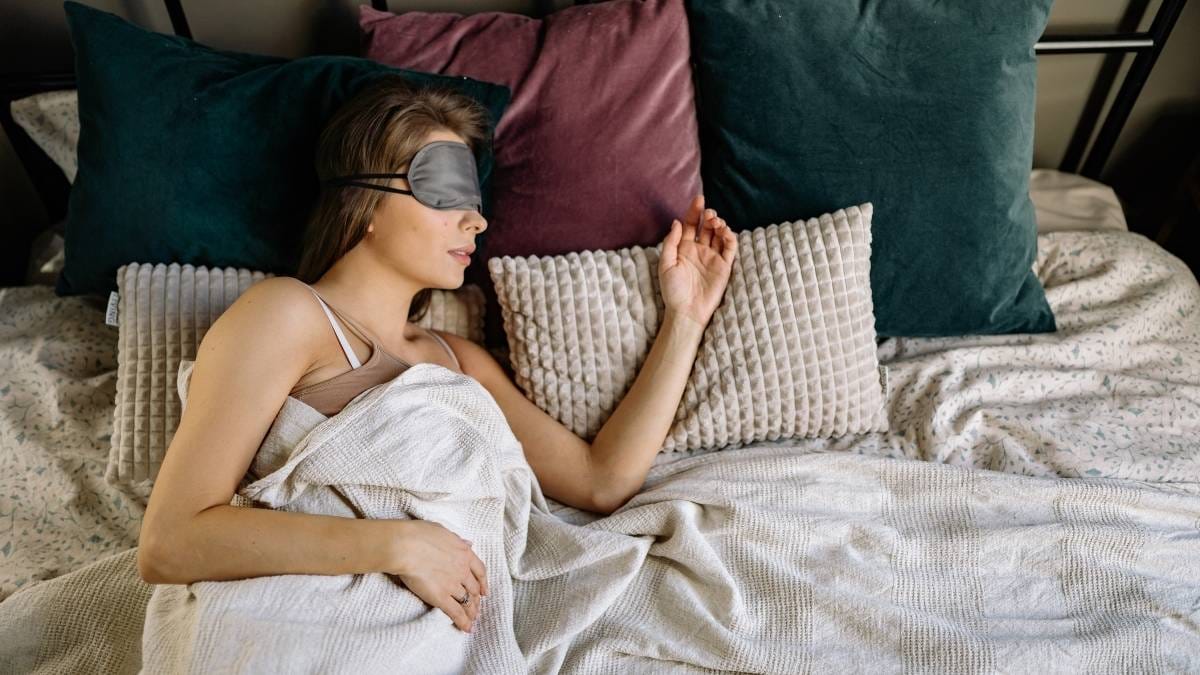
She slept without an alarm. She napped when she was tired. She did not wear a smartwatch. Rest was not something she earned. It was something she protected.
We have turned sleep into a performance. We track it. We score it. We feel guilty when we don’t optimize it. But your body already knows when it is tired. You don’t need an app for that.
Try this: Pick two nights this week with no screens after 9pm. See how you feel in the morning.
5. Food as Nourishment — Not a Rulebook
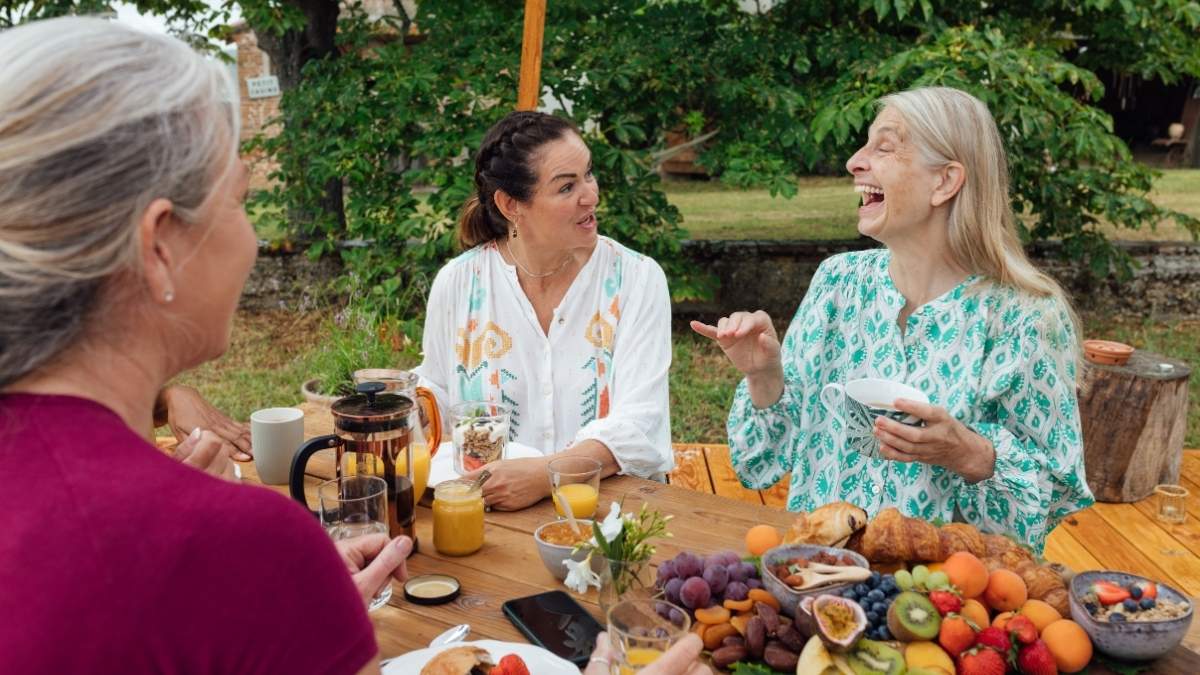
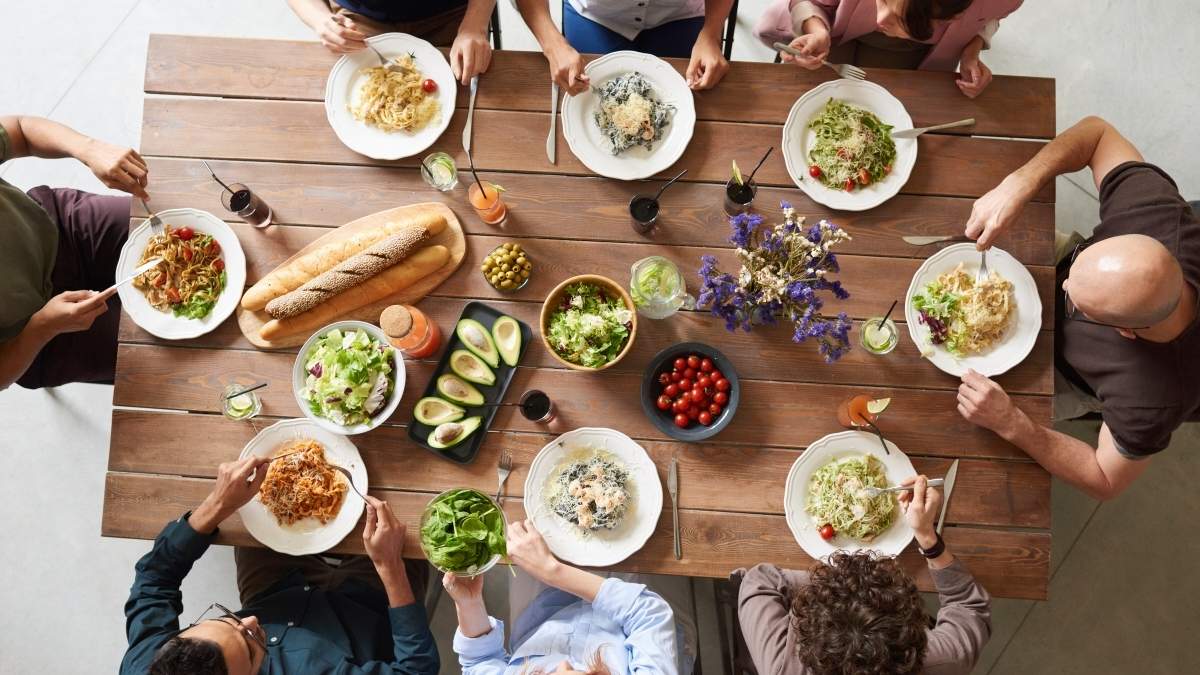
Blue Zones communities eat mostly plants. They stop eating when they are about 80% full. And they share meals with other people. The social act of eating matters just as much as what is on the plate.
The teacher cooked. She ate at a table. She shared food with neighbors. No calorie counting. No macros. No guilt.
Try this: Eat one meal today at an actual table, without your phone. That is a health habit.
None of this needed a subscription or an app. All of it needed attention.
The Mindset Shift That Makes It Work
Most people treat health like a destination. “I will be healthy when I lose the weight.” Or when my bloodwork is perfect. Or when I finally feel good.
The teacher never said that. She treated health like something she did every single day — quietly, without pressure.
Adopting long-term healthy habits requires a “longevity mindset.” That means finding a reason to stay healthy that is stronger than the pull of easy, harmful choices. That reason is different for every person. For her, it was her neighbors. Her library. Her garden.
The WHO and the U.S. Healthy People 2030 framework both now define health as how you think, feel, and function — not just physical numbers.
Ask yourself this: What would you do differently today if you believed that rest, connection, and purpose counted as health? Because they do. The research says so. She knew it without the research.
She didn’t have a health plan. She had a life plan. Turns out those are the same thing.
How to Start Redefining Healthy for Yourself This Week
You don’t have to change everything. You just have to ask a better question.
Instead of “Am I eating clean?” ask “Am I eating with people?”
Instead of “Did I hit my step count?” ask “Did I move in a way that felt good?” Instead of “Am I tracking my sleep?” ask “Did I actually rest?” Instead of “Am I optimizing?” ask “Am I present?”
Pick just one of the five areas — movement, connection, purpose, rest, or food. Do one small real thing this week. Not five things. One.
And here is a simple check. Write down your typical Tuesday. Now ask: how much of it would a 75-year-old teacher from a Blue Zone recognize as healthy? That answer tells you everything.
No app needed. No subscription required. Just one honest look at how you are actually living.
Conclusion:
She didn’t hand me a meal plan. She gave me permission to stop treating health like a performance.
One conversation. Thirty minutes. No cost.
Start with one meal at a table. One real conversation. One good night of sleep. Redefining healthy is not about doing more. It is about doing what actually matters.