When Maria turned 52 she stopped ignoring the small signs. She felt tired after walking the dog. Jeans fit tighter. Her doctor said her liver enzymes were “a little high.”
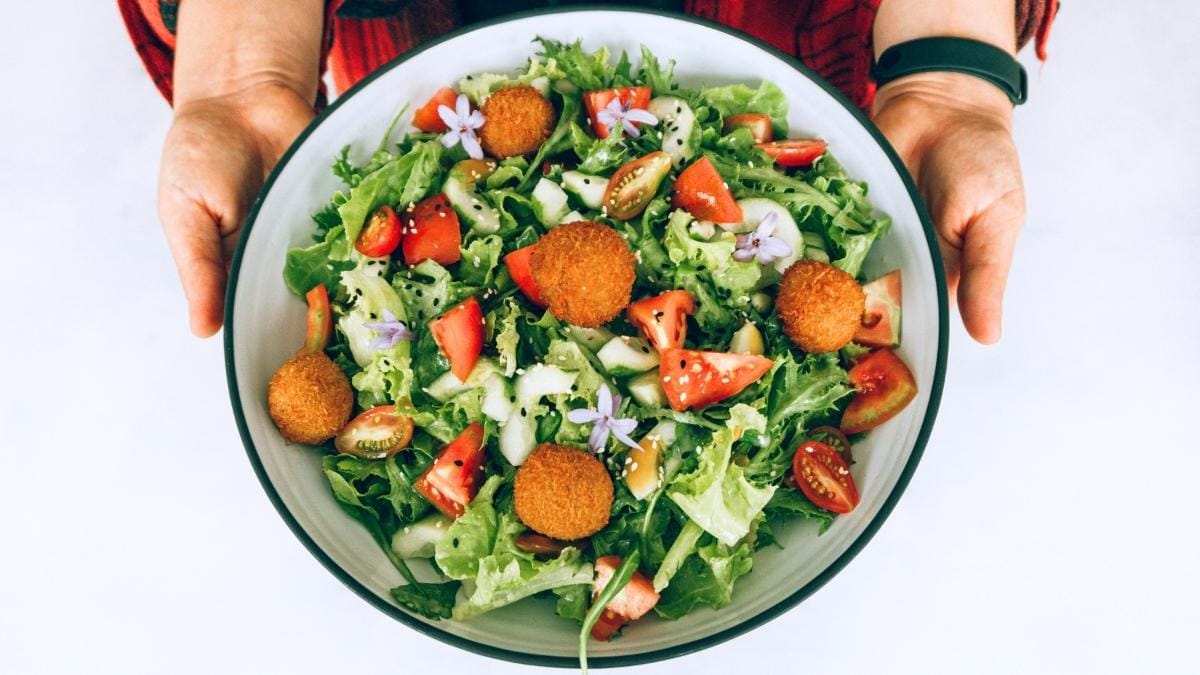
She did not want dramatic diets or pills. She wanted simple food she could find at any grocery store. She wanted food that felt like home.
This article is written for people like Maria — adults 50 and up, living in the USA, who want a gentle, real-world way to support liver health with simple foods for liver health after 50.
No bold promises. No quick cures. Just plain food, smart habits, and clear steps you can try tomorrow.
Why food matters for the liver
Your liver is the body’s chemical factory. It cleans the blood. It stores energy. It helps process medicine.
Over time, poor diet, weight gain, and some medicines can slow it down. The good news: food can help. Studies show that whole foods, healthy fats, fish, nuts, and more plant foods are protective for the liver.
Many experts recommend a Mediterranean-style, whole-foods approach for people with fatty liver risk. That means more vegetables, whole grains, legumes, fish, olive oil — and less processed food and soda.
Point 1: Leafy greens (spinach, kale, collards, arugula)
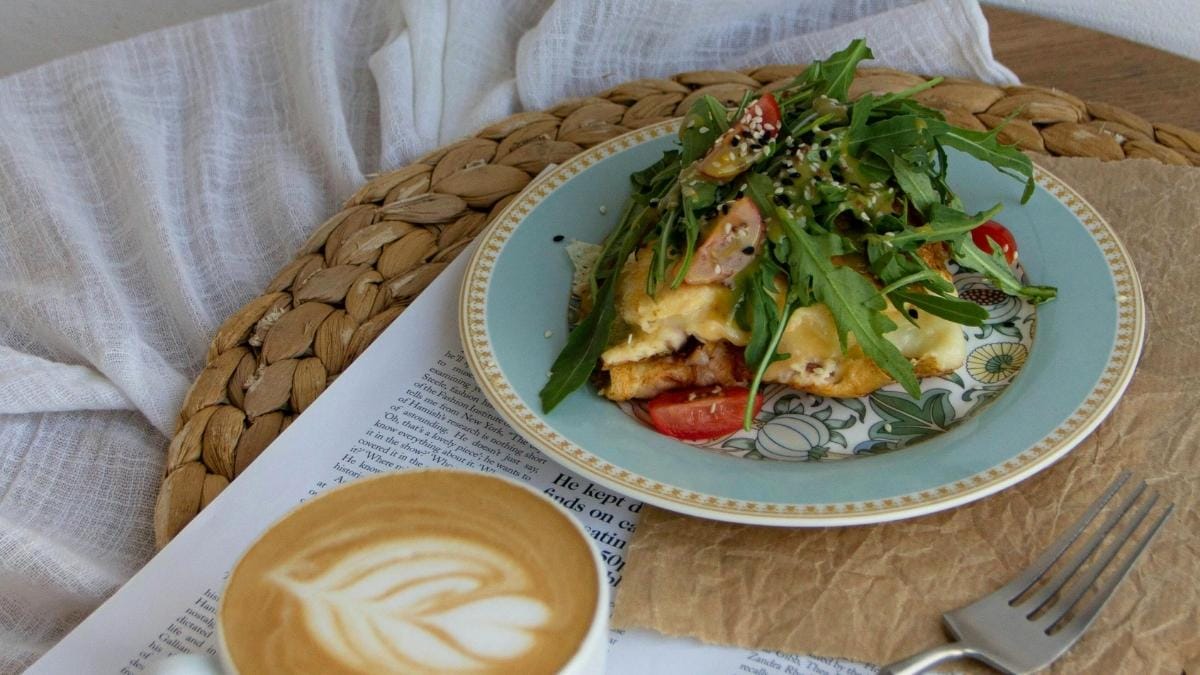
Why it helps (short): Leafy greens are rich in antioxidants and phytonutrients. They help reduce oxidative stress and support the liver’s workload. Plant-heavy diets are linked with lower risk of chronic liver problems.
How to eat it:
- Add a handful of baby spinach to a morning omelet.
- Stir-fry chopped kale with garlic and olive oil.
- Mix arugula into salads, or blend greens into a morning smoothie.
Recipe idea — 3-minute greens boost:
Sauté a clove of garlic in a teaspoon of olive oil for 30 seconds. Add two big handfuls of spinach. Stir 1–2 minutes until wilted. Squeeze lemon and top with a sprinkle of walnuts.
Safety / tips:
If you take blood-thinners (eg, warfarin), check with your doctor about changing leafy-green intake. Otherwise, greens are low-risk and high-benefit.
Point: 2 Coffee (yes — the real thing many people love)
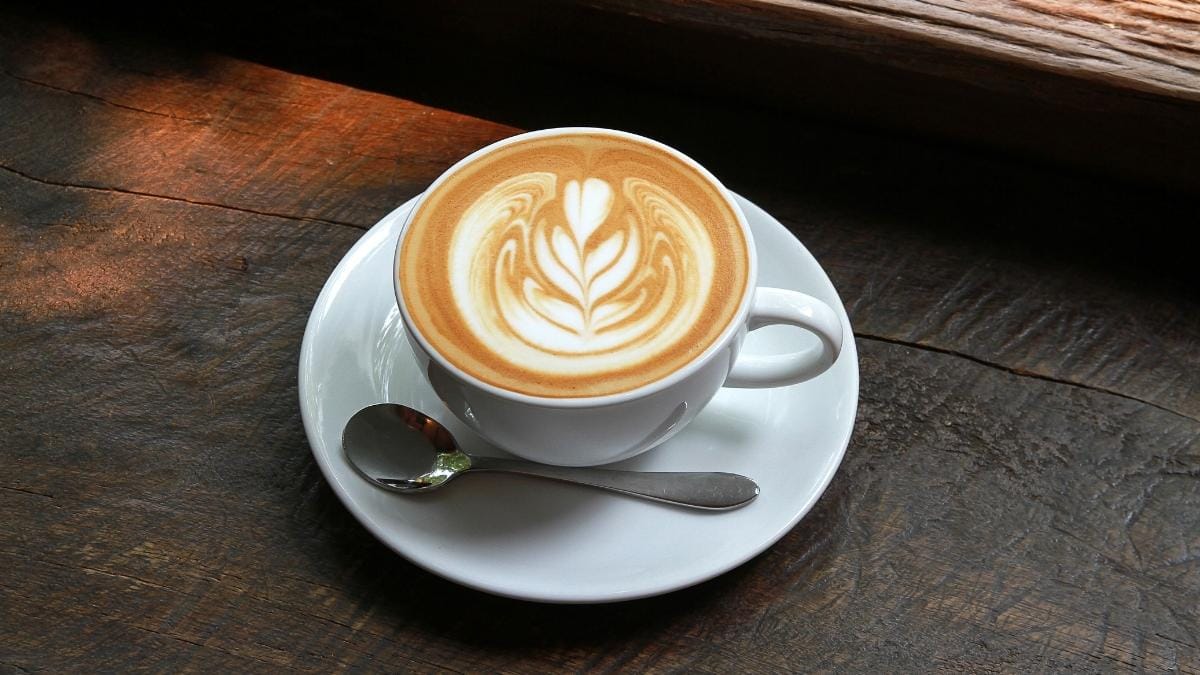
Why it helps (short): Multiple studies link regular coffee drinking with a lower risk of liver disease and better liver enzymes.
Coffee seems to protect liver cells and slow fibrosis in some long-term studies. The evidence is consistent enough that coffee often shows up in liver-diet research.
How to drink it:
- Aim for moderate intake (many studies show benefits in 1–3 cups per day).
- Avoid piling on sugar or heavy creams. Try coffee with a splash of milk or plant milk.
- If you have caffeine sensitivity, decaf may offer some benefit too.
Recipe idea — gentle latte:
Brew your coffee. Heat unsweetened almond milk gently. Froth and pour. Add a pinch of cinnamon for flavor.
Safety / tips:
If you have heart problems, insomnia, or sensitivity to caffeine, limit intake. Always factor in your overall medical picture.
Point: 3 Fatty fish (salmon, sardines, mackerel) — Omega-3s matter
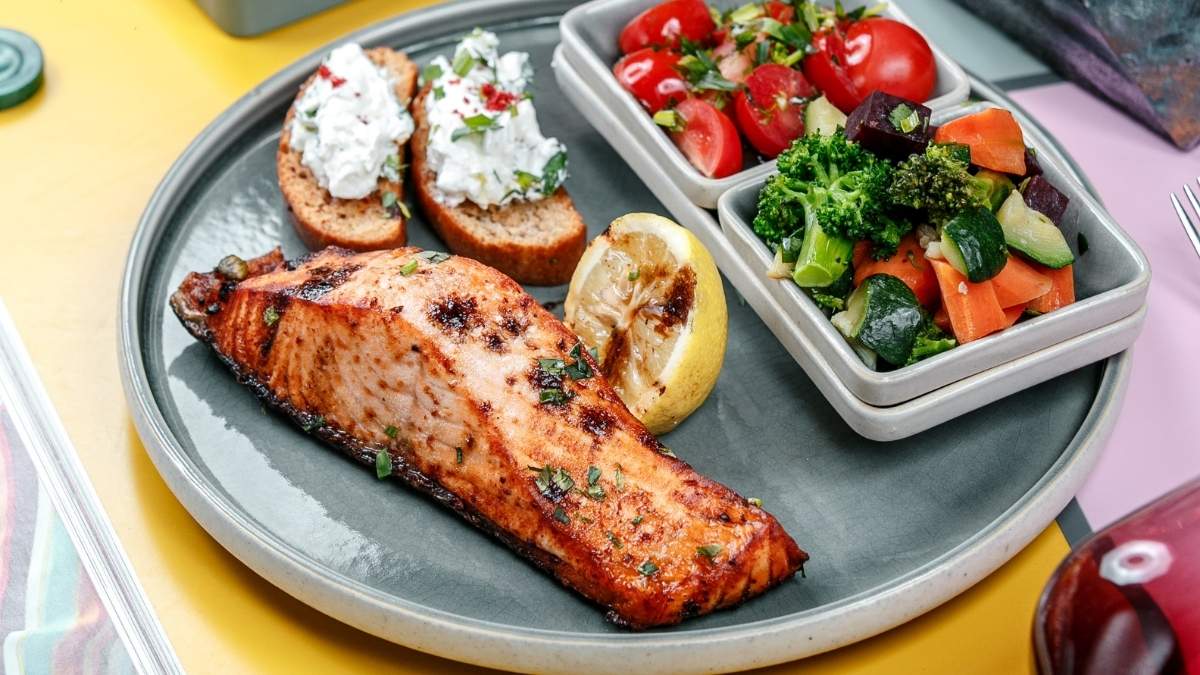
Why it helps (short): Fish like salmon are rich in omega-3 fatty acids. These fats reduce inflammation and help with fat metabolism.
Studies link higher fish and omega-3 intake to better liver measures, especially in people with fatty liver risk. Mediterranean-style diets that include fish are consistently recommended for liver health.
How to eat it:
- Bake or grill salmon twice a week.
- Add canned sardines to salads or toast.
- Try salmon patties with whole-grain breadcrumbs.
Recipe idea — easy sheet-pan salmon:
Place salmon fillets on a sheet pan. Drizzle olive oil, lemon, and pepper. Bake 12–15 minutes at 400°F. Serve with steamed greens.
Safety / tips:
For most adults, two servings of oily fish per week is safe. If you take blood-thinning medicines or have fish allergies, talk to your doctor.
Point: 4 Walnuts & other nuts (especially walnuts)
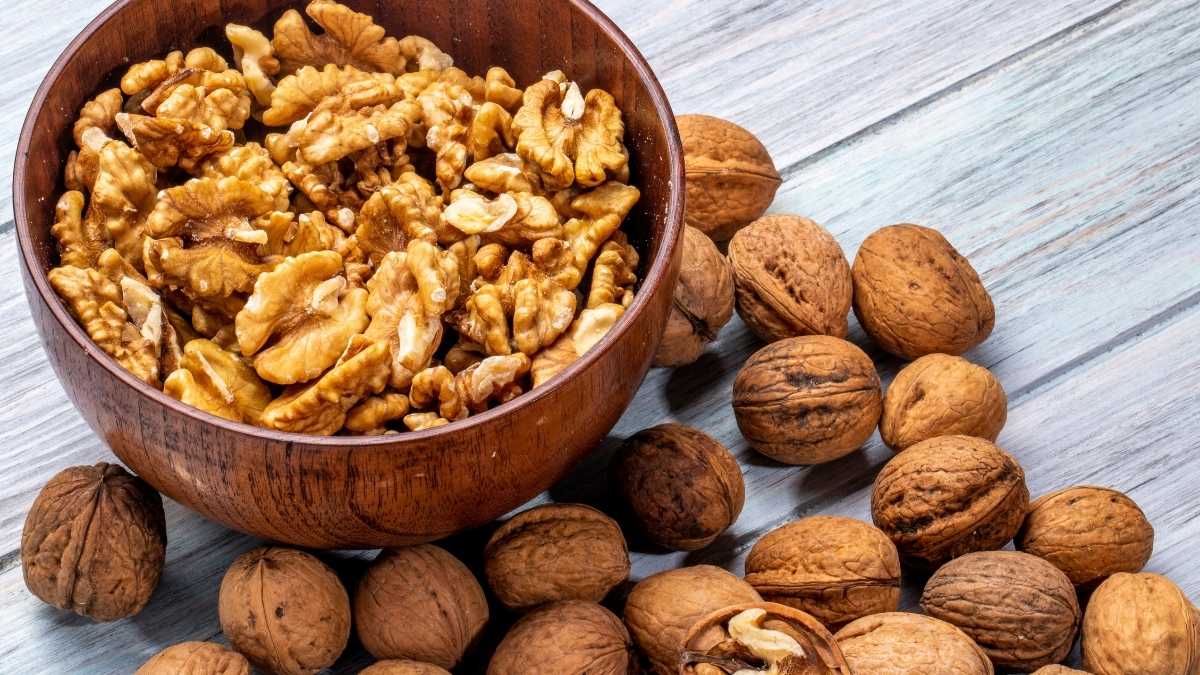
Why it helps (short): Nuts provide healthy fats, vitamin E, and other antioxidants.
Research links nut intake with lower risk of fatty liver and better liver blood tests in several studies. Walnuts, in particular, contain omega-3 ALA and show benefits in liver-focused research.
How to eat it:
- A small handful (about 1 ounce) as a snack.
- Chop and add to oatmeal or yogurt.
- Use walnut pieces in salads for crunch.
Recipe idea — nutty morning bowl:
Greek yogurt (or plant yogurt) + 2 tbsp chopped walnuts + berries + a drizzle of honey.
Safety / tips:
Nuts are calorie-dense. Keep portions moderate if you are watching calories or weight.
Point: 5 Berries (blueberries, strawberries, raspberries)
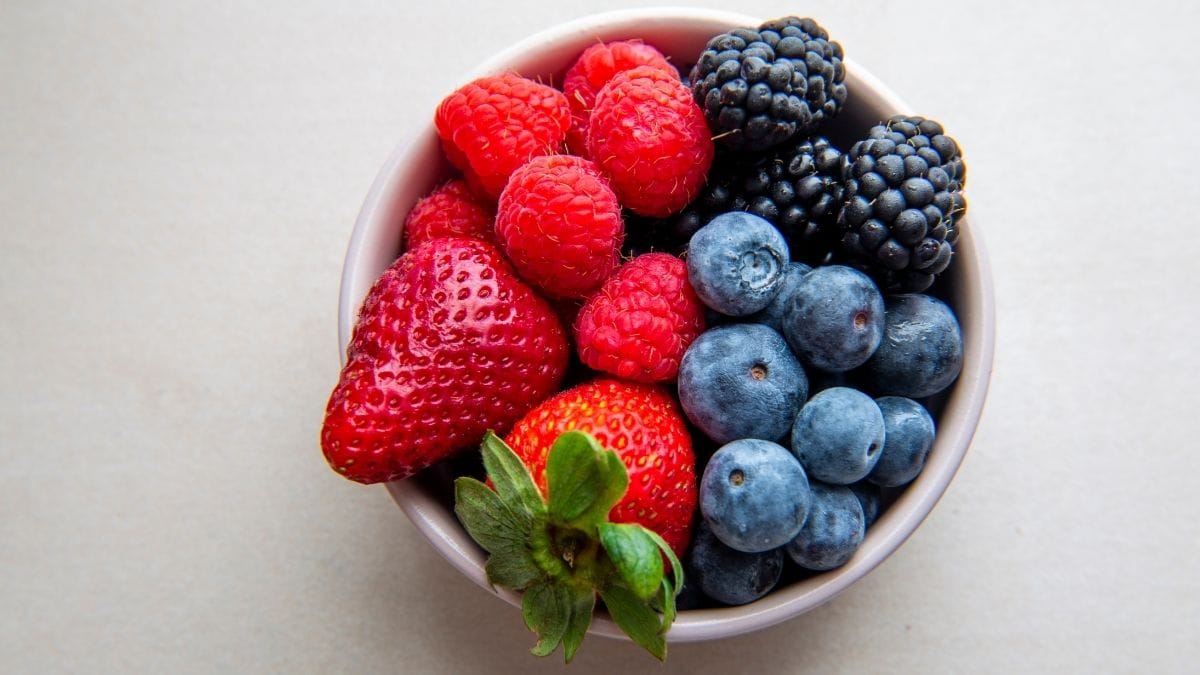
Why it helps (short): Berries are rich in antioxidants and fiber.
Animal and human research suggests that berry compounds can reduce inflammation and fat buildup in the liver. They are a simple way to add protective nutrients without extra calories or sugar.
How to eat it:
- Add berries to breakfast cereal or yogurt.
- Blend a small berry smoothie.
- Top mixed salads with sliced strawberries.
Recipe idea — berry breakfast:
Overnight oats with oats, milk, chia, and ½ cup mixed berries.
Safety / tips:
Fresh or frozen berries are both good. Avoid syrupy berry desserts or jam that add lots of sugar.
Point: 6 Extra-virgin olive oil & avocado (healthy fats)
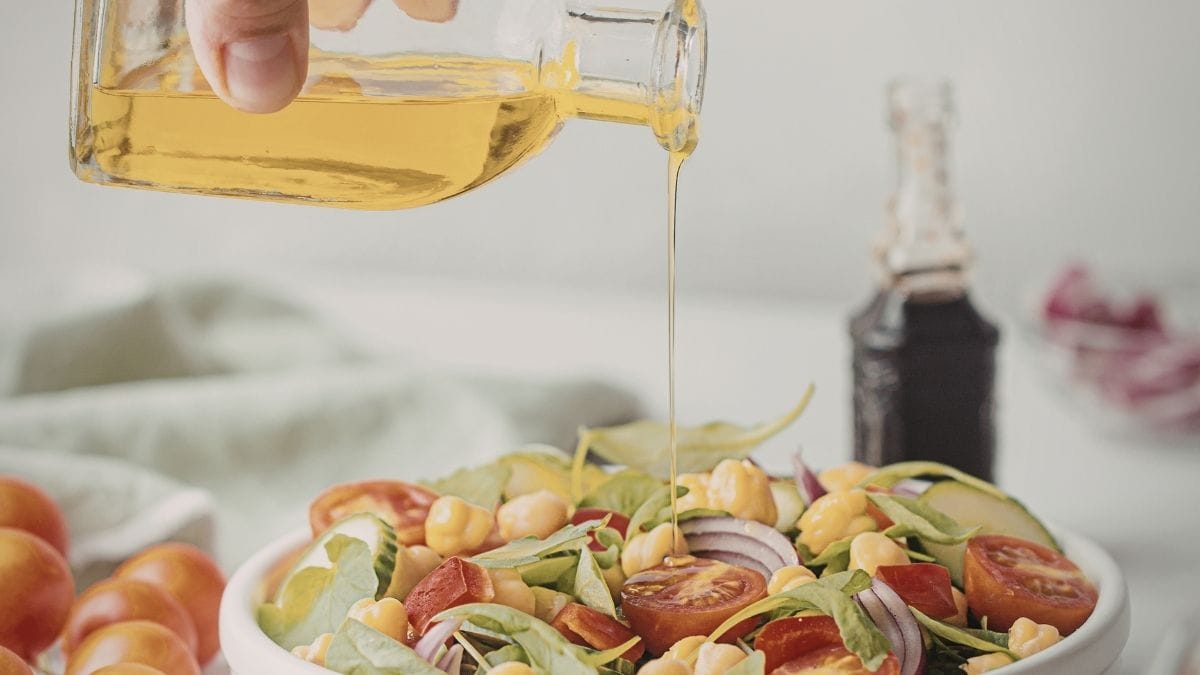
Why it helps (short): The healthy fats in olive oil and avocado support cell membranes and reduce inflammation.
Mediterranean diets that use olive oil show benefit for liver health and metabolic risks. Olive oil and avocado help you feel full and can replace saturated fats from processed foods.
How to eat it:
- Use olive oil for salad dressings and gentle sautéing.
- Add sliced avocado to sandwiches and salads.
- Drizzle olive oil over steamed vegetables for flavor.
Recipe idea — simple dressing:
Whisk 3 tbsp olive oil + 1 tbsp lemon juice + 1 tsp Dijon mustard + salt and pepper.
Safety / tips:
Do not deep-fry in olive oil at very high heat. Keep portions reasonable — fats add calories.
Point: 7 Turmeric — use with care (spice, not a miracle)

Why it helps (short): Turmeric contains curcumin, a compound with anti-inflammatory effects.
Some studies and meta-analyses show curcumin can improve liver enzymes in people with certain liver conditions. But the evidence is mixed and supplements can be risky in high doses. Food use (in curries, golden milk) is usually safe.
How to eat it:
- Add ½–1 tsp turmeric to soups, stews, or rice.
- Make a “golden” milk: warm milk + turmeric + dash of black pepper + small cinnamon. Black pepper helps curcumin absorb.
- Prefer food forms over high-dose supplements unless advised by a doctor.
Recipe idea — golden turmeric milk (small cup):
Heat a cup of milk (dairy or plant). Stir in ¼–½ tsp turmeric, a pinch of black pepper, and a little honey.
Safety / tips:
High-dose turmeric supplements have been linked to rare cases of liver injury. If you are on medication or have liver disease, check with your clinician before using strong supplements. Keep culinary turmeric moderate.
How to combine these foods into daily life (real, easy rules)
- Make half your plate plants. Aim for vegetables and salad. Use leafy greens daily.
- Include fish twice a week. Swap red meat for salmon or sardines.
- Snack smart. Choose a small handful of nuts or a cup of berries.
- Use olive oil instead of butter when you can.
- Enjoy coffee in moderation. It can be part of a liver-friendly pattern.
- Spice with turmeric, but avoid high-dose supplements without advice.
These small moves are more powerful than one-off “detox” drinks. Liver experts say the liver heals best with steady, healthy patterns — not extreme cleanses.
A simple 3-day sample (practical — for busy people)
Day 1
- Breakfast: Oat bowl + ½ cup berries + 1 tbsp walnuts.
- Lunch: Salad with mixed greens, canned sardines, cherry tomatoes, olive oil.
- Snack: Small apple + handful of almonds.
- Dinner: Baked salmon + steamed broccoli + quinoa.
Day 2
- Breakfast: Greek yogurt + banana + chia + walnuts.
- Lunch: Lentil soup + side spinach salad.
- Snack: Carrot sticks + hummus.
- Dinner: Stir-fry with kale, garlic, tofu, and brown rice. Add turmeric in seasoning.
Day 3
- Breakfast: Smoothie (spinach, ½ banana, berries, milk).
- Lunch: Whole-grain wrap with avocado, turkey, arugula.
- Snack: 1 cup mixed berries.
- Dinner: Grilled mackerel + roasted sweet potato + mixed greens.
These are ideas. Keep portions that suit your energy needs. The main point: make plants, fish, nuts, and healthy fats regular.
What to watch for — realistic cautions
- Supplements are not always safe. Turmeric supplements have caused problems in rare cases. Always discuss supplements with your provider.
- Weight matters. Reducing excess weight often improves fatty liver markers more than any single food. Combining diet with walking or moderate exercise helps.

- Alcohol and liver: Limit alcohol. If you have liver disease or high enzymes, follow your doctor’s advice.
- Drug interactions: Some herbs or high-dose extracts interact with medications.
Why this plan works for people 50+ (short and human)
- The foods are simple and widely available in US stores.
- They fit family meals and classic dishes.
- They reduce inflammation and give your liver better tools to do its job.
- Small, steady changes beat heroic but temporary “cleanses.” Experts and liver foundations recommend balanced, whole-food patterns instead of extreme diets.
Quick FAQ (short answers)
Q: Will these foods “clean” my liver in a week?
A: No. The liver doesn’t need a quick cleanse. It needs steady, healthy patterns. Improvements come with time and consistency.
Q: Can I take turmeric pills instead?
A: Treat turmeric supplements with caution. Food amounts are usually safe. High-dose extracts can cause harm in rare cases. Ask your doctor first.
Q: How much coffee is “good”?
A: Many studies show benefits with moderate intake (about 1–3 cups/day). But individual tolerance varies.
Short checklist to pin/save
- Half plate = vegetables daily.
- Fish twice weekly.
- Snack: 1 oz nuts or ½ cup berries.
- Use olive oil, not butter, often.
- Turmeric in food — ok. Supplements — check first.
- See your doctor for abnormal liver tests.
Final note — real life, simple steps
Maria changed small things. She added spinach to eggs. She had salmon twice a week.
She swapped chips for a handful of walnuts. In six months her doctor said her liver tests had improved a little. Choosing simple, everyday foods for liver health after 50 is not about quick fixes, but about steady habits that support your body over time.
She felt steadier on walks. She did not chase a miracle. She chose food that fit her life. That’s the goal here: steady, real, and kind to your body.