

You have tried big changes before. You signed up for the gym, planned a full diet reset, or promised yourself you would wake up at 5 AM. And then, a few weeks later, you stopped.
That is not a personal failure. That is a design problem.
The truth is, one small daily routine change — done at the right time, in the right way — starts showing real results in weeks. Not months. Not years. This article will show you exactly what that change is, what the science says, and how to make it stick in 2026.
Why Big Changes Usually Fail (And What Actually Works)
Picture this. January 1st, you were fired up. By February, the gym bag was collecting dust in the corner.

Most people fail because they try to change everything at once. Willpower runs out fast. Your brain cannot handle five new habits at the same time.
A Duke University study found that habits make up over 40% of what you do every day. Your environment shapes your behavior more than your motivation does. Systems beat willpower every single time.
Research from the European Journal of Social Psychology found it takes around 66 days — not 21 — for a habit to become automatic. That means most people quit right before it gets easy.
The fix is not trying harder. The fix is starting smaller. One change. One cue. One consistent action. That is what actually works.
What the Latest Research Says About Small Changes
A January 2026 study from the University of Sydney followed more than 59,000 older adults. The finding was simple. Small daily changes — sleeping slightly more, moving a little more, eating slightly better — were linked to longer, healthier lives.

You do not need a full lifestyle reset. Incremental is real.
The CDC reports that nearly 37% of U.S. adults do not get the recommended seven hours of sleep. That alone gives most people an easy, immediate win they can start tonight.
A controlled study published on PubMed showed that a habit-based group lost 2 kg in just 8 weeks. The control group lost only 0.4 kg. The difference was not a stricter plan. It was simple behaviors repeated consistently.
Early results come faster than you think.
The One Routine Change With the Strongest Evidence
If you only make one change, do it before 9 AM.
A 2025 study of 300 executives found that people who scheduled time blocks for new habits were 3.2 times more likely to keep them. And 78% of successful habit-builders finished their key habit before 9 AM.
The single change with the most research behind it is a 10 to 20 minute morning walk. It gives you light exposure, physical movement, and a mental reset — all in one action.

Here is how to remove the friction. The night before, lay your shoes by the door. In the morning, stack the walk right after your first cup of coffee. That connection — coffee, then shoes, then walk — becomes the cue your brain needs.
This is not a trick. It is a consistent cue tied to a simple action done at the same time every day. That is the whole formula.
What to Expect in Weeks 1, 2, 3, and Beyond
In your first week, do not look for big results. Look for easier starts.
Week 1 and 2: You will likely feel slightly better mood and a little more energy. The hardest part — starting — will feel less like a fight. That is your brain building the pattern.

Week 3 and 4: Sleep quality may begin to improve. The action starts to feel normal instead of forced. Researchers at the University of South Australia found that meaningful habit initiation can begin within three weeks when you practice consistently, track your progress, and set up your environment to support you.
Early wins are quiet. Slightly better sleep. Fewer impulsive decisions. An easier time getting started on hard tasks. These compound as weeks stack on top of each other.
Do not quit at week three because you expected fireworks. Progress in weeks looks quiet. Progress in months looks like a different person.
How to Make It Actually Stick in 2026
You have the science. Now here is the exact process.
Pick one habit — not three or five. One. Make it so small it almost feels pointless. BJ Fogg, a behavior scientist at Stanford, calls this Tiny Habits. The smaller the start, the higher the chance you actually do it.
Use a when-then plan. Say it out loud: “When I make my morning coffee, then I will put on my shoes.” That sentence creates a trigger your brain starts to follow automatically.
Track it simply. A paper calendar on your wall. A checkmark in your notes app. Something visual you can see every day.
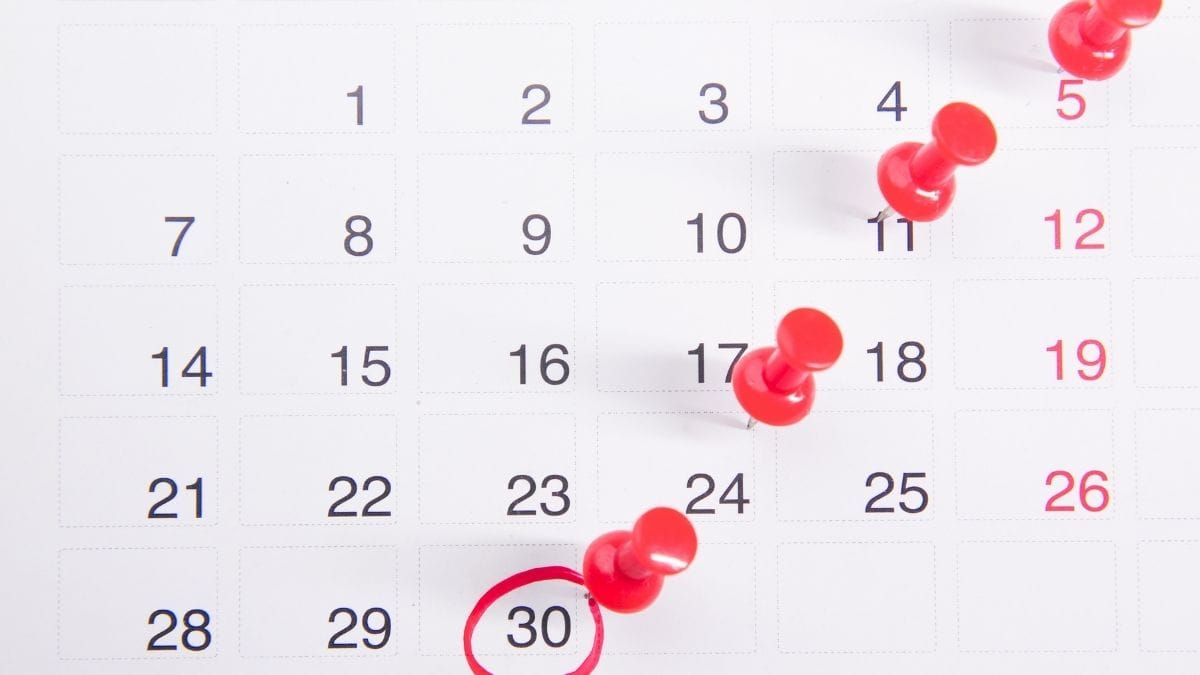
Research from the British Psychological Society found that habit stacking gave executives a 64% higher success rate compared to standalone habits.
Do a 10-minute review every Sunday. What worked? What slipped? What one small tweak would help next week?
Tools that work right now: Atomic Habits by James Clear for the framework. Tiny Habits by BJ Fogg to start small. Habitica or Streaks as free trackers. Reclaim.ai to block habit time in your calendar.
The system is not complicated. The hard part is starting before you feel ready — because that feeling rarely comes.
Conclusion:
One routine change done every morning starts showing real results in weeks. Not because of willpower. Because of repetition and timing. Small is not weak.
Small is how real change works. Pick one habit today. Do it tomorrow morning. Your daily routine change does not need to be dramatic — it just needs to be consistent.