
At 35, your gut is forgiving.
You can skip fiber. Eat late. Ignore hydration. Your body still recovers. You may feel bloated sometimes, but it passes.
At 65, the same habits feel different.
Meals sit heavier. Digestion slows. Energy dips after eating. Foods that never bothered you now cause discomfort. Many people think this is just aging. But the truth is more specific. Your gut is changing in ways your meal plan probably does not recognize.
And when your gut changes, your nutrition rules must change too.
This is not about dieting. This is about alignment.
Understanding aging gut health is one of the most important shifts you can make for long-term energy, immunity, and comfort.
What Actually Happens to Your Gut as You Age
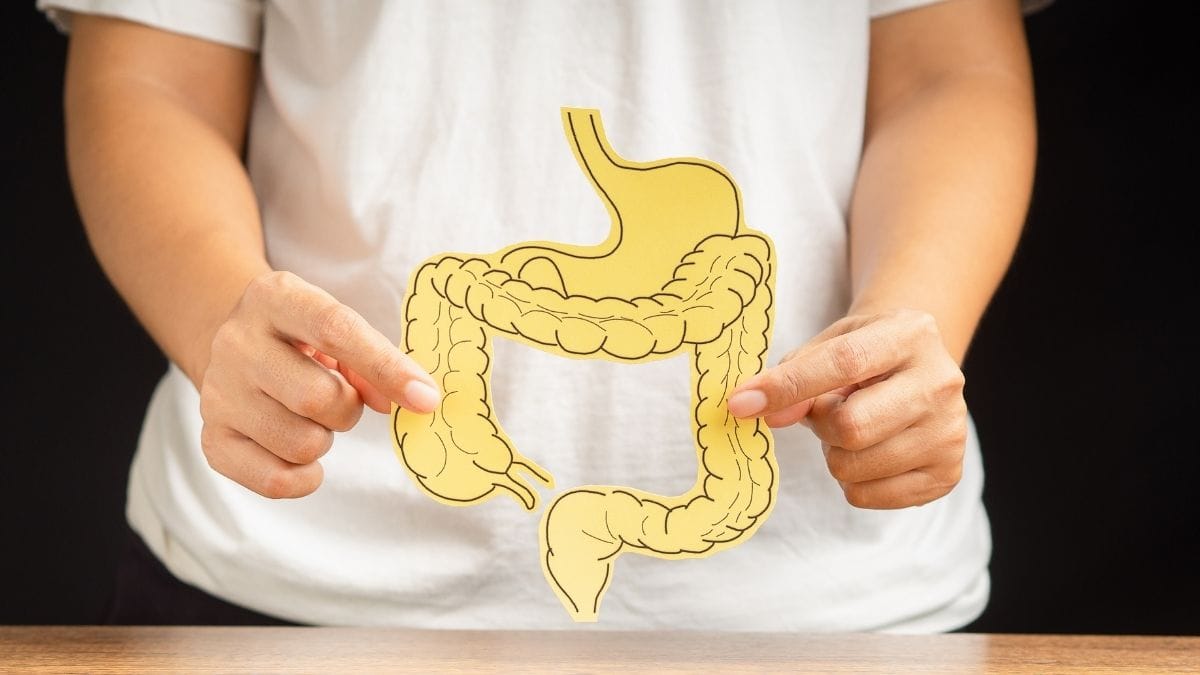
Aging does not just wrinkle skin. It reshapes the microbiome.
Your gut is home to trillions of bacteria. These bacteria help digest food, regulate inflammation, and even influence mood. As you age, three major shifts happen:
1. Slower digestion
Muscle contractions in the digestive tract weaken. Food moves slower. This can cause constipation and bloating.
2. Reduced stomach acid
Less acid means protein breaks down less efficiently. Nutrient absorption drops, especially B12, iron, and calcium.
3. Lower microbial diversity
The variety of good bacteria shrinks. A less diverse microbiome is linked to inflammation and weaker immunity.
These changes are normal. But ignoring them is optional.
Your gut is not broken. It is adapting. Your diet needs to adapt with it.
Why Eating Like You’re 35 Can Backfire at 65
Many people try to “eat healthy” using advice meant for younger bodies. Raw salads, high-protein meals, heavy late dinners. These can overwhelm an aging digestive system.
Older guts prefer gentler strategies:
- cooked over raw
- steady over large portions
- fiber balanced with hydration
- protein spread through the day
This is not about restriction. It is about cooperation.
When meals match your gut’s capacity, digestion becomes smoother. Energy stabilizes. Inflammation quiets.
Food should feel supportive, not exhausting.
The Foods Your Aging Gut Quietly Craves
The best dietary shifts are not extreme. They are subtle and sustainable.
1. Cooked Vegetables Over Raw
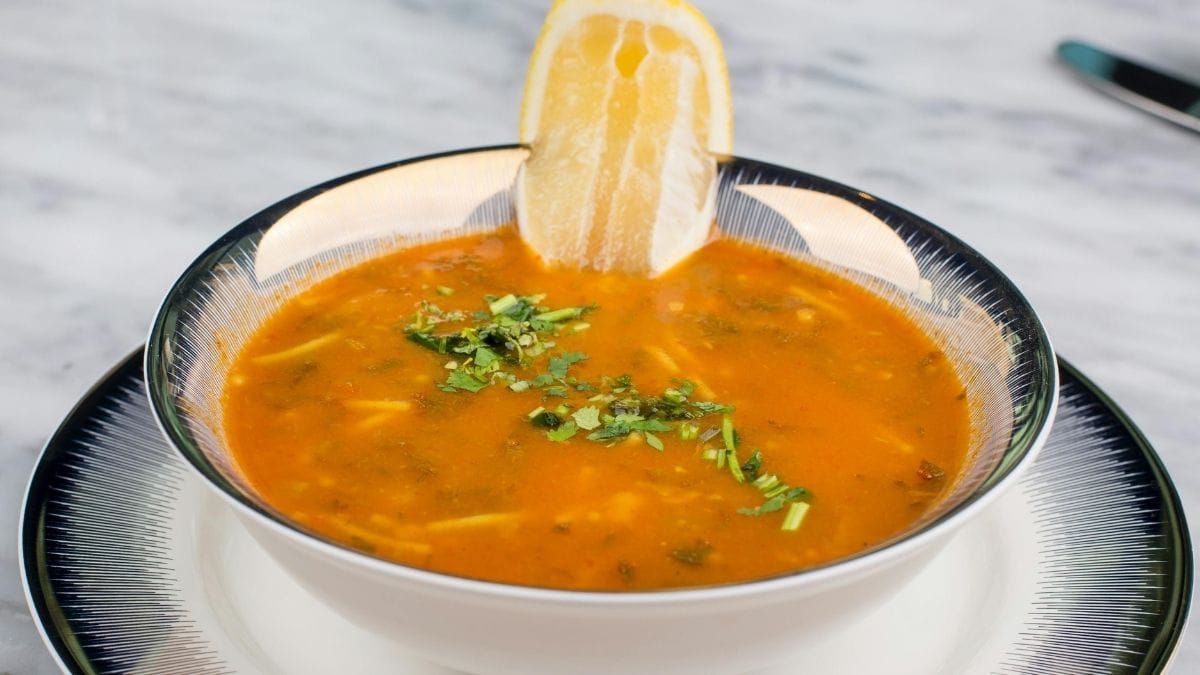
Cooking softens fiber. This makes vegetables easier to digest while preserving nutrients. Soups, stews, and roasted vegetables are ideal.
Your gut spends less energy breaking food down. That energy can go toward healing and repair.
2. Fermented Foods for Microbiome Repair
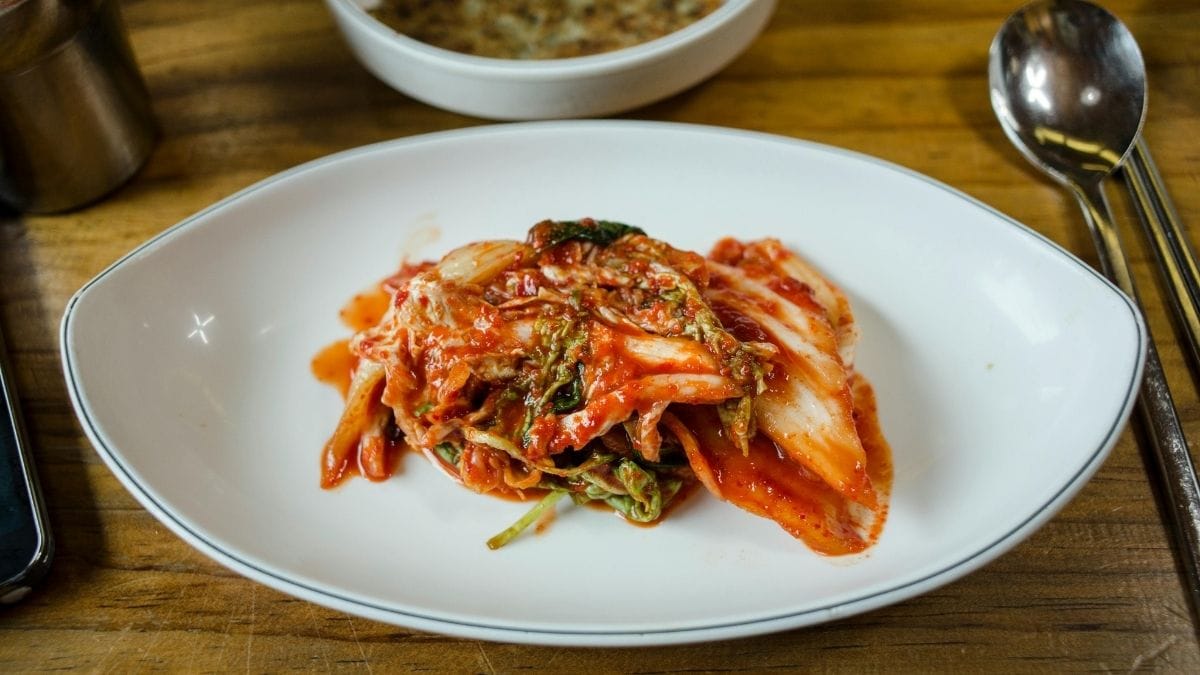
Yogurt, kefir, sauerkraut, and miso introduce beneficial bacteria. These foods help rebuild microbial diversity lost with age.
A healthier microbiome supports immune strength and reduces chronic inflammation.
This is a core pillar of strong aging gut health.
3. Gentle Fiber Sources
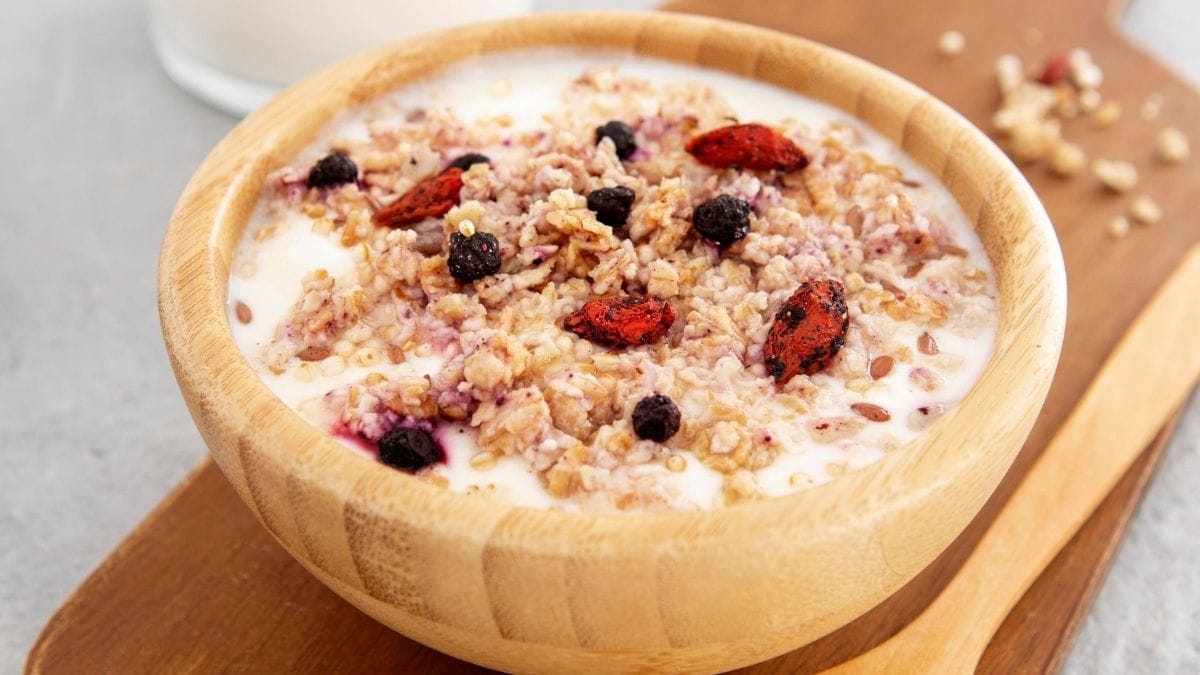
Fiber is still essential. But harsh, dry fiber can irritate a sensitive gut.
Better options include:
- oats
- chia seeds
- cooked lentils
- bananas
- sweet potatoes
These provide soluble fiber, which forms a gel-like texture that soothes the digestive tract.
4. Smaller, More Frequent Meals

Large meals overload slower digestion. Smaller portions spaced through the day keep energy stable and reduce bloating.
Think rhythm, not restriction.
5. Hydration as a Digestive Tool

Water is not just hydration. It is lubrication.
Without enough fluid, fiber hardens and slows transit. Many digestive complaints in older adults trace back to chronic mild dehydration.
Sip consistently. Do not wait for thirst.
Protein Needs Rise — But Delivery Matters
Muscle loss accelerates after 60. Protein becomes more important, not less.
But large steaks or heavy portions can strain digestion.
Better strategy:
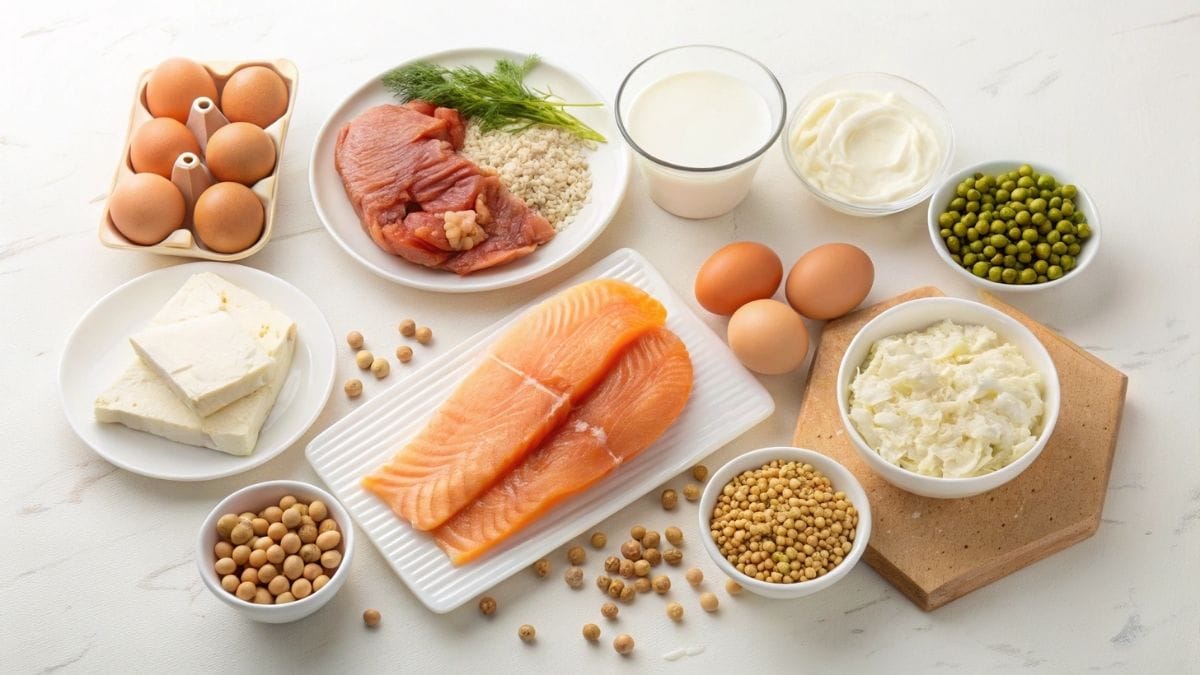
- eggs
- fish
- yogurt
- legumes
- shredded chicken
- soft tofu
Spread protein across meals. Smaller doses absorb better and feel lighter.
This protects muscle without overwhelming the gut.
The Hidden Role of Inflammation
Aging guts are more sensitive to inflammatory triggers.
Highly processed foods, excess sugar, and refined oils disrupt gut bacteria. This creates a feedback loop of irritation and fatigue.
The solution is not perfection. It is pattern.
When 80% of meals come from whole, recognizable foods, the gut stabilizes. Occasional treats stop feeling like attacks.
Consistency beats intensity.
Movement Is Part of Digestion
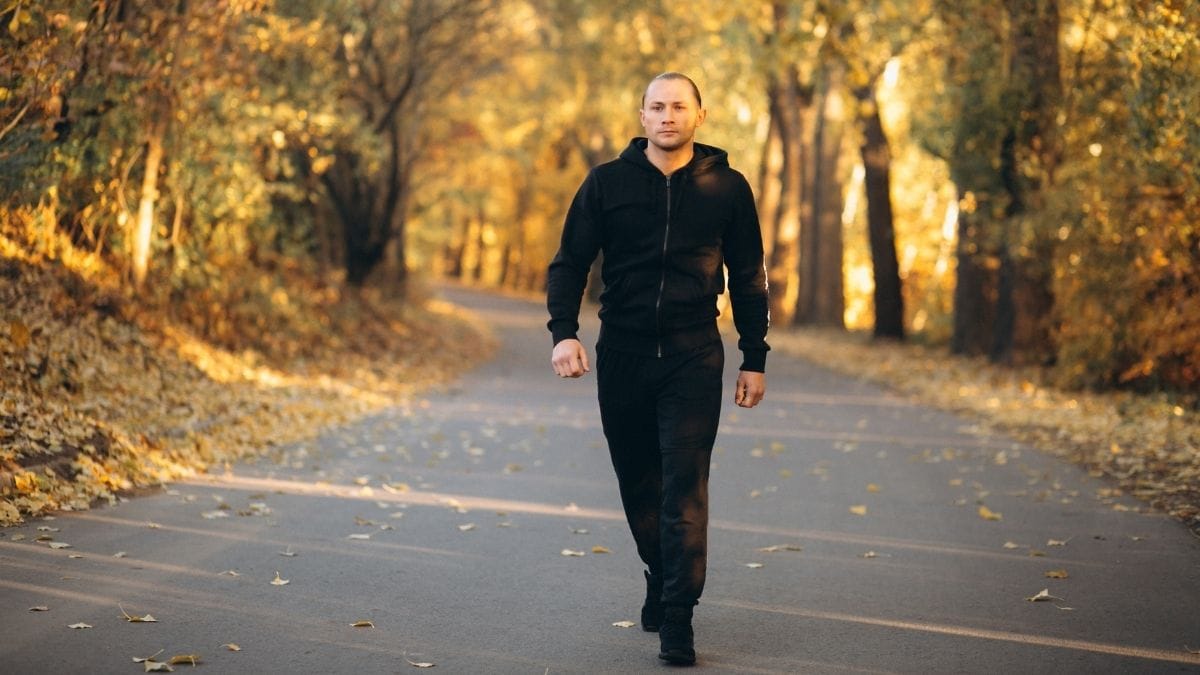
Many people separate diet from lifestyle. The gut does not.
Light movement after meals stimulates digestive motility. Even a 10-minute walk can reduce bloating and improve glucose control.
The body was designed to digest in motion, not in stillness.
Gentle activity is a digestive tool, not a fitness chore.
Emotional Health Lives in the Gut
The gut and brain share a direct communication line.
Changes in microbiome diversity influence mood. Anxiety and depression are linked to gut imbalance more than most people realize.
Eating to support aging gut health is not just physical care. It is emotional maintenance.
When digestion improves, many people notice clearer thinking and calmer mood.
This is not coincidence. It is biology.
The Biggest Mistake People Make After 60
They try to eat less instead of eating smarter.
Restriction weakens resilience. The goal is nourishment, not shrinking.
Older bodies need:
- better nutrient density
- easier digestion
- stable energy supply
- anti-inflammatory patterns
The right diet after 60 should feel comforting, not punishing.
Food becomes medicine when it works with your biology.
A Simple Daily Framework

Instead of strict rules, use a template:
Morning:
Protein + gentle fiber + hydration
Example: yogurt, oats, berries, water
Midday:
Cooked vegetables + lean protein + healthy fat
Example: salmon, roasted vegetables, olive oil
Evening:
Light, warm, easy to digest
Example: soup, lentils, soft grains
Snacks:
Fruit, nuts, kefir, bananas
This structure respects slower digestion while delivering full nutrition
Conclusion:
Your gut is not failing you. It is signaling evolution.
At 65, digestion is not weaker. It is more selective. It asks for cooperation instead of force. When meals match this new rhythm, the body responds with steadier energy, calmer digestion, and stronger immunity.
The goal is not to eat less. The goal is to eat in alignment with the gut you have now — not the one you had at 35.
That shift changes everything.