

If you were diagnosed with diabetes in your 30s and feel like your body stopped listening to the same rules — you are not imagining it.
You eat the same food. You take the same medication. But your blood sugar does something different now. Your energy drops faster. Your numbers are harder to predict.
This is what aging with diabetes actually looks like. And most people are never told about it.
In this guide, you will learn exactly what changes in your body after 40, why those changes create new risks, and what you can do right now — in 2026 — to stay ahead of serious complications.
This is not scary information. It is information that puts you in control.
Why Age 40 Is the Point Where Diabetes Gets Harder
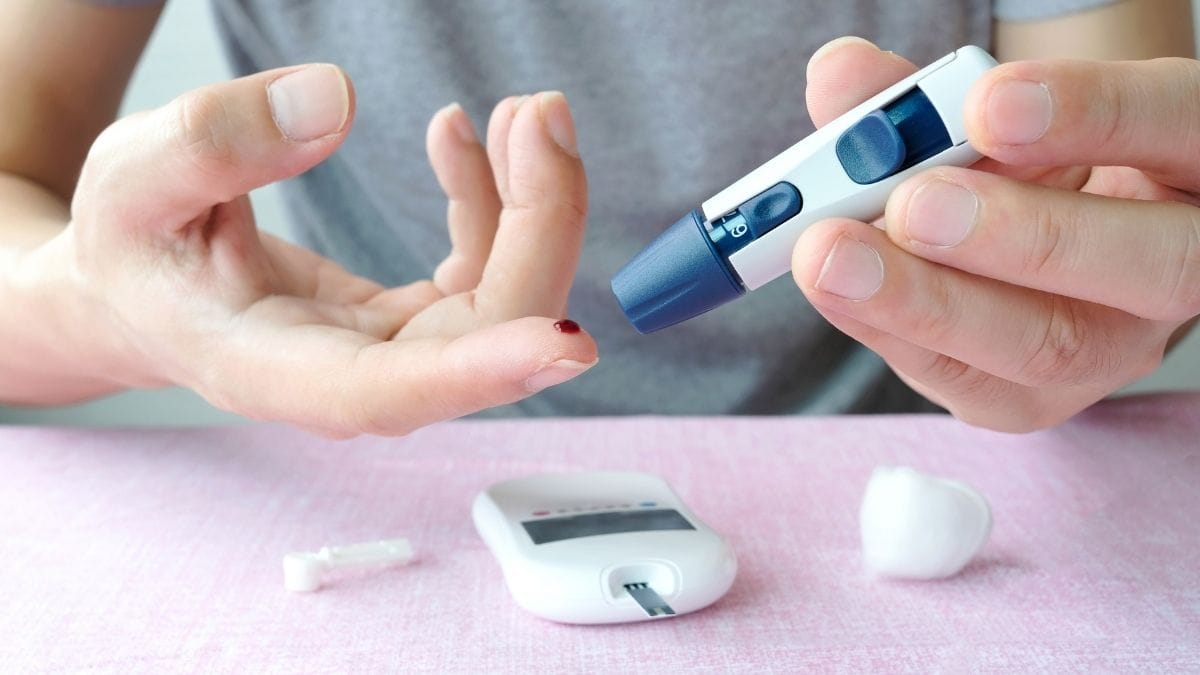
Most people do not realize how sharply diabetes risk changes after 40.
Here is a number that should wake you up. In adults aged 20 to 39, only 1.3% have undiagnosed diabetes.
In adults aged 40 to 59, that number jumps to 5.6%. By age 60, it hits 6.8%. That is not a small change. That is a completely different risk level. (Source: CDC NCHS Data Brief, November 2024)
In total, about 25.1 million Americans are currently living with diabetes — diagnosed or not. That is 09% of the entire country. And globally, 1 in 9 adults has diabetes right now, according to the 2025 IDF Diabetes Atlas. More than 4 in 10 of those people have no idea.
Diabetes cost the world at least $1 trillion in healthcare spending in 2024 alone. That is a 288% increase over 17 years.
These numbers are not here to scare you. They are here to show you that your 40s are not the time to stay on autopilot. This is the decade where your management plan needs to grow up with you.
3 Quick Tips:
- Ask your doctor for a full diabetes screening at 40, even if you feel fine
- Check if you have had an A1C test in the last 12 months
- Do not assume your current plan is still the right plan — it may not be
What Is Actually Happening Inside Your Body After 40
Your body after 40 is not broken. But it is running a different system when it comes to blood sugar.
First, your insulin resistance goes up. That means your cells stop responding to insulin as well as they used to. More insulin is needed to do the same job.

And at the same time, your pancreas starts producing less of it.
Your muscle mass also drops. This matters because muscle is where your body burns most of its blood sugar. Less muscle means more glucose stays in your blood after eating. That is why post-meal spikes get worse as you age.
Here is the powerful part. In the Diabetes Prevention Program, older adults who made lifestyle changes cut their diabetes risk by 71%. The same program only cut risk by 11% for those using medication alone. (Source: American Journal of Physiology)
So your body is changing — but it still responds powerfully to the right actions.
Frailty, fatigue, and even early cognitive trouble also share the same root causes as insulin resistance:

inflammation, oxidative stress, and poor blood flow. These things connect. You fix one, you help the others.
3 Quick Tips:
- Add at least 20–25 grams of protein to every main meal to protect muscle
- Walk for 10 minutes after eating to lower post-meal blood sugar spikes
- Talk to your doctor if your A1C is climbing even though nothing has changed in your routine
The Risks That Get Louder After 40
After 40, diabetes does not just affect your blood sugar. It starts affecting your heart, kidneys, and brain too.
Low blood sugar becomes more dangerous.
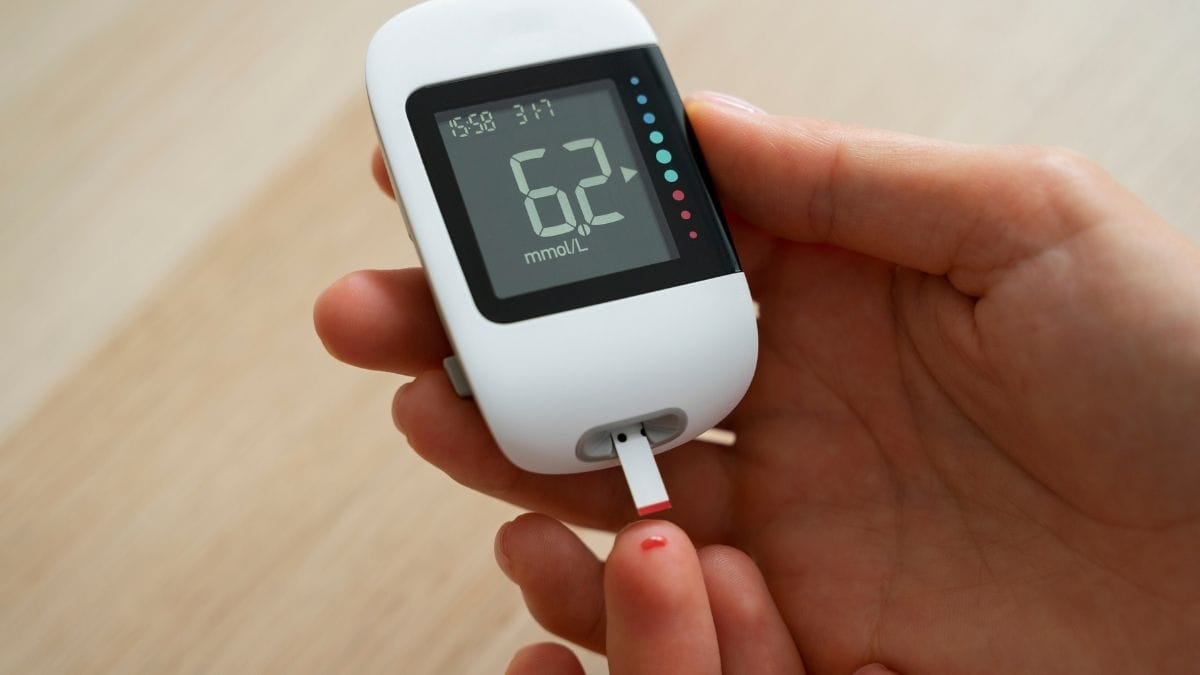
A study of over 11,000 patients showed that severe Hypoglycemia was linked to nearly three times the risk of a major heart event — and more than double the risk of dying from a cardiovascular cause. (Source: New England Journal of Medicine ADVANCE trial analysis) After 40, your warning signs for low blood sugar also get quieter. You may not feel dizzy or shaky until it is too late.
Your cardiovascular risk doubles. People with diabetes already have about double the heart disease risk of those without it. Add high blood pressure and cholesterol — common after 40 — and the risk stacks fast.
Your kidneys are quietly at risk. Chronic kidney disease shows up in 20–40% of people with diabetes. In type 2 diabetes, kidney damage can be present at the time of diagnosis. (Source: ADA Standards of Care 2025) Most people feel nothing until damage is serious.
Your brain is affected too.

People with diabetes have higher rates of dementia and Alzheimer’s than those without it. Both high and low blood sugar contribute to cognitive decline over time.
3 Quick Tips:
- Test your blood sugar before bed if you are on insulin or sulfonylureas
- Get a urine albumin test and eGFR blood test every single year — no skipping
- Tell your doctor if you feel more forgetful or foggy than usual
What You Must Do Differently After 40
Your 30s strategy will not carry you through your 40s and 50s. Here is what needs to change.
1. Get a personalized A1C target.

The ADA 2025 Standards split older adults into three health tiers — healthy, complex, and very complex — and each tier has different blood sugar goals.
Pushing too hard for a very low A1C can actually increase your risk of dangerous lows. Ask your doctor which tier fits you.
2. Start resistance training. Aerobic exercise helps. But resistance training — weights, bands, bodyweight moves — produces equally strong improvements in blood sugar control in people over 40.

(Source: PubMed) Aim for two sessions per week minimum.
3. Review your medications. The ADA 2025 guidelines say medication plans for older adults should be simplified where possible to cut hypoglycemia risk. If you are on a sulfonylurea — like glipizide — ask whether a safer option exists.
4. Ask about GLP-1 or SGLT2 drugs. These are no longer just for blood sugar. The ADA 2025 Standards recommend them for heart and kidney protection in appropriate patients — regardless of A1C level.
5. Consider a CGM.

The ADA now recommends continuous glucose monitors for type 2 diabetes patients on any glucose-lowering drug — not just insulin users. A CGM catches overnight lows you would never feel.
3 Quick Tips:
- Do not stop or change any medication without talking to your doctor first
- Ask specifically: “Am I on anything that raises my risk of low blood sugar?”
- Try a 10-minute resistance routine three times a week — even beginner-level counts
Lifestyle Changes That Actually Work After 40
This is the section most diabetes articles skip. And it is the most important one.
Your 40s may actually be your best window for turning diabetes around. Research shows that patients aged 44–56 have a diabetes remission rate of 7.5%. After 56, that rate drops to 6.5%. Your decade matters. (Source: PMC 2025)
The DiRECT trial proved that losing just 5 to 10 kg is the single strongest predictor of diabetes remission. That kind of weight loss triggered a 34% remission rate. You do not need to lose 50 pounds. You need to lose 10 to 22.
Diet matters — but the focus should be protein, not just cutting carbs. After 40, low protein speeds up muscle loss and makes blood sugar harder to control at the same time.

Sleep matters more than most people think. Poor sleep raises insulin resistance directly. Aim for 7 to 8 hours. If you sleep 5 hours regularly, your diabetes management is fighting an uphill battle every single morning.
Chronic stress raises cortisol. Cortisol raises blood sugar. This is not a soft wellness point — it is biology.
3 Quick Tips:
- Track your sleep for one week — note how your morning blood sugar changes on low-sleep nights
- Add a protein source (eggs, Greek yogurt, beans, meat) to every meal
- Try a 5-minute breathing or calming routine when stress is high — it directly helps blood sugar
Questions to Ask Your Doctor in 2026
Most people leave doctor appointments without asking the right questions. Here is your list. Bring it with you.
Your doctor actually wants you to ask these. It makes their job easier and your care better.

- What is my personalized A1C target — based on my age and other health conditions?
- Am I on any medication that increases my hypoglycemia risk?
- Should I try a GLP-1 receptor agonist or SGLT2 inhibitor — for heart or kidney protection?
- Have my eGFR and urine albumin been checked this year?
- Would a continuous glucose monitor help me?
- Do I need a cognitive screening?
- Am I eating enough protein to protect my muscle mass?
These seven questions cover blood sugar, kidneys, heart, brain, and medication safety. That is a complete picture of diabetes management after 40. Most people never get answers to all seven. You can.
3 Quick Tips:
- Write these questions on your phone before your appointment so you do not forget
- Ask for printed results of your kidney tests — not just a verbal “looks fine”
- If your doctor dismisses a question, ask them to explain why it does not apply to you
Lastly:
Turning 40 with diabetes is not a sentence. It is a signal to adjust.
Your body has changed. Your plan needs to change with it. The risks are real — but so are the tools available in 2026. Better medications. Better monitors. Better research.
Managing diabetes after 40 is harder. But it is also more manageable than ever before.