

Your skin’s worst enemy isn’t in your bathroom cabinet. It’s sitting in your kitchen.
Chronic inflammation can trigger acne, redness, early lines, and dull skin. New 2024 research shows food affects your skin more than most creams.
Here, you’ll learn the gut-skin connection and 9 anti-inflammatory foods that help you get calm, radiant skin.
🌟 9 Anti-Inflammatory Foods for Radiant Skin
Transform Your Skin From The Inside Out
How Inflammation Messes With Your Skin
If your skin often feels red, reactive, or breaks out for no clear reason, inflammation may be the real issue.
Your body uses inflammation to heal. But when it stays turned on for too long, it becomes chronic inflammation. This is when problems start.
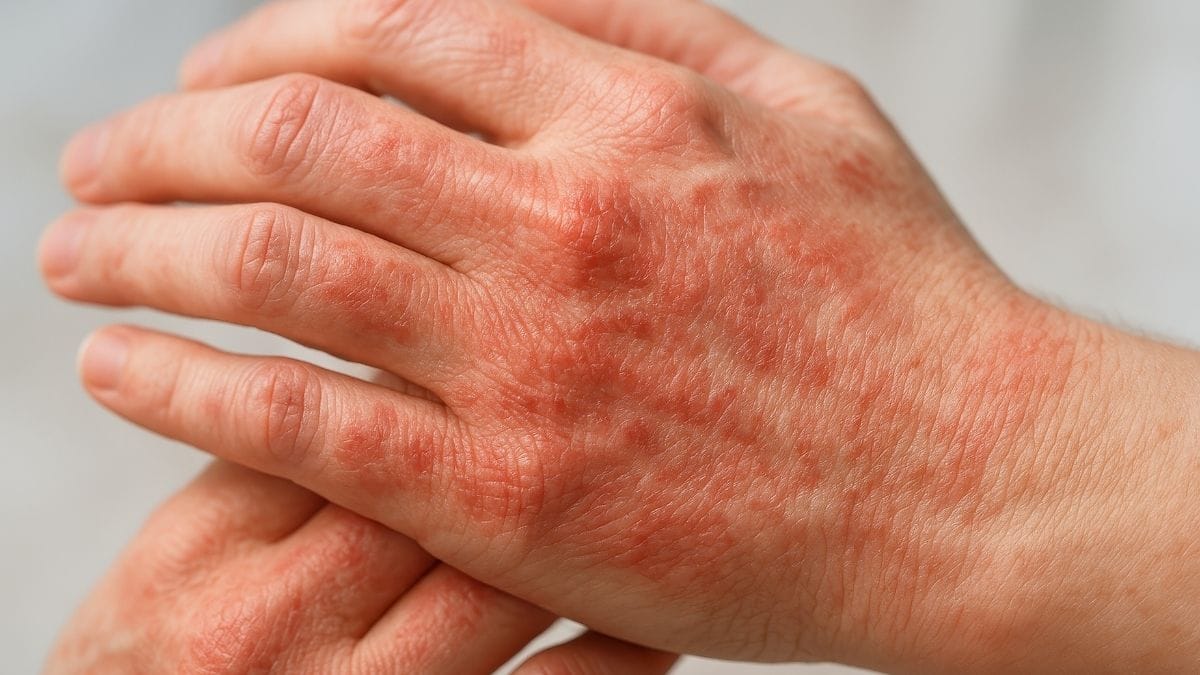
Chronic inflammation shows up as acne, redness, eczema flare-ups, and even early aging.
It speeds up collagen loss too. Most people begin losing about 1% of collagen each year after their mid-20s, and inflammation makes this drop happen faster.
Your gut also talks to your skin through the gut-skin axis. New research from 2024–2025 shows gut imbalance can trigger inflammatory skin conditions. The good news: your diet can calm this fire.
Foods for Radiant Skin – Fatty Fish: Your Skin’s Omega-3 Powerhouse
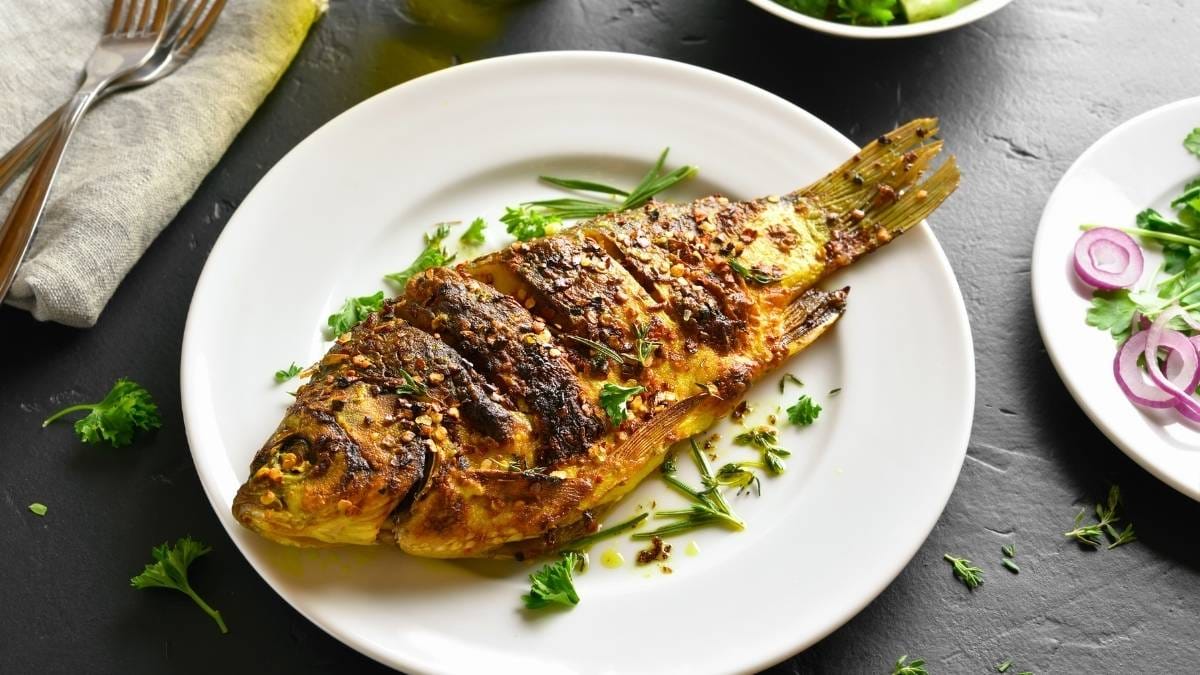
Fatty fish helps calm skin that feels red, irritated, or breakout-prone. Salmon, mackerel, and sardines are packed with EPA and DHA omega-3 fatty acids.
These healthy fats lower skin inflammation and help your moisture barrier stay strong. When your barrier is weak, your skin dries out fast. EPA also slows inflammatory signals that make acne and redness worse.
And here’s why that matters: a 2024 study showed omega-3s lowered acne severity and reduced the number of inflamed bumps.
Omega-3s also protect your skin from UV stress and early aging. Aim for two to three servings each week. Try wild salmon when possible.
Even canned sardines on whole-grain toast can give your skin a strong omega-3 boost.
Berries: Anthocyanin-Rich Collagen Protectors
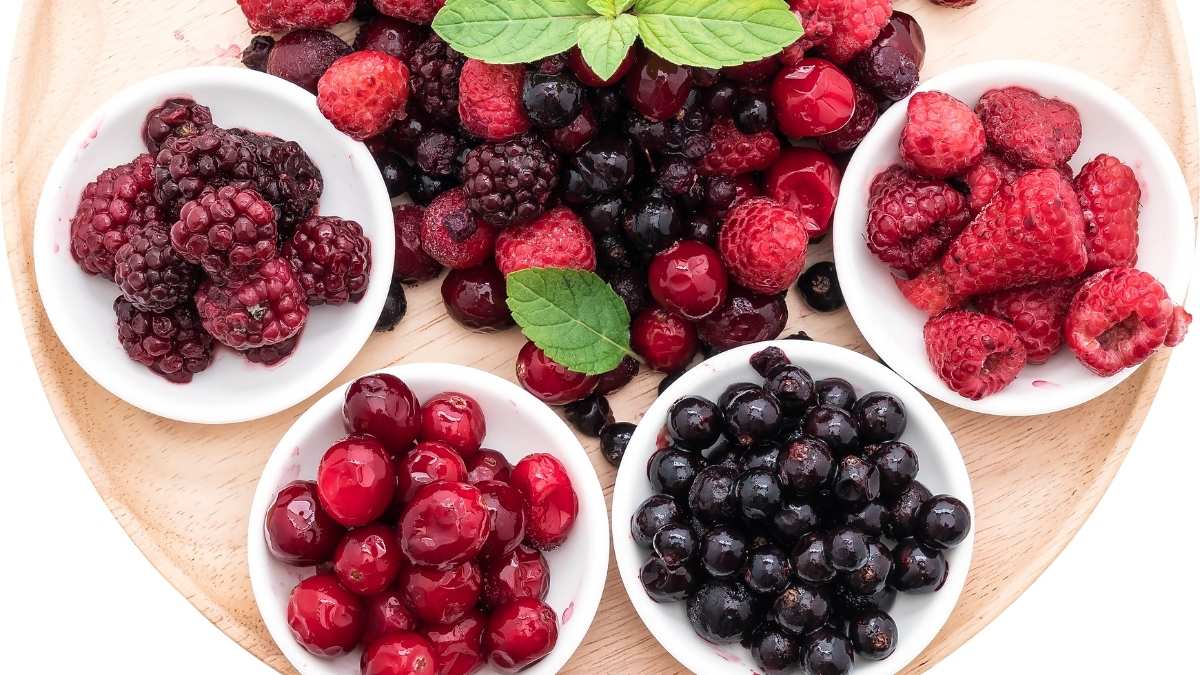
Berries are small, but they do big things for your skin. Blueberries, strawberries, raspberries, and blackberries contain anthocyanins—plant compounds that protect your collagen.
Collagen keeps your skin firm and smooth. When inflammation rises, collagen breaks down faster. Berries help slow that damage.
They also have vitamin C, which your skin needs to make new collagen.
2024 research found that anthocyanins help stabilize collagen and lower inflammation markers like IL-6 and TNF-α.
Blackcurrant studies even showed gains in collagen, elastin, and hyaluronic acid. That means better bounce and fewer fine lines.
Add fresh or frozen berries to yogurt or oatmeal. Eat them raw when you can since heat can lower anthocyanin strength.
Turmeric: The Golden Anti-Inflammatory Spice
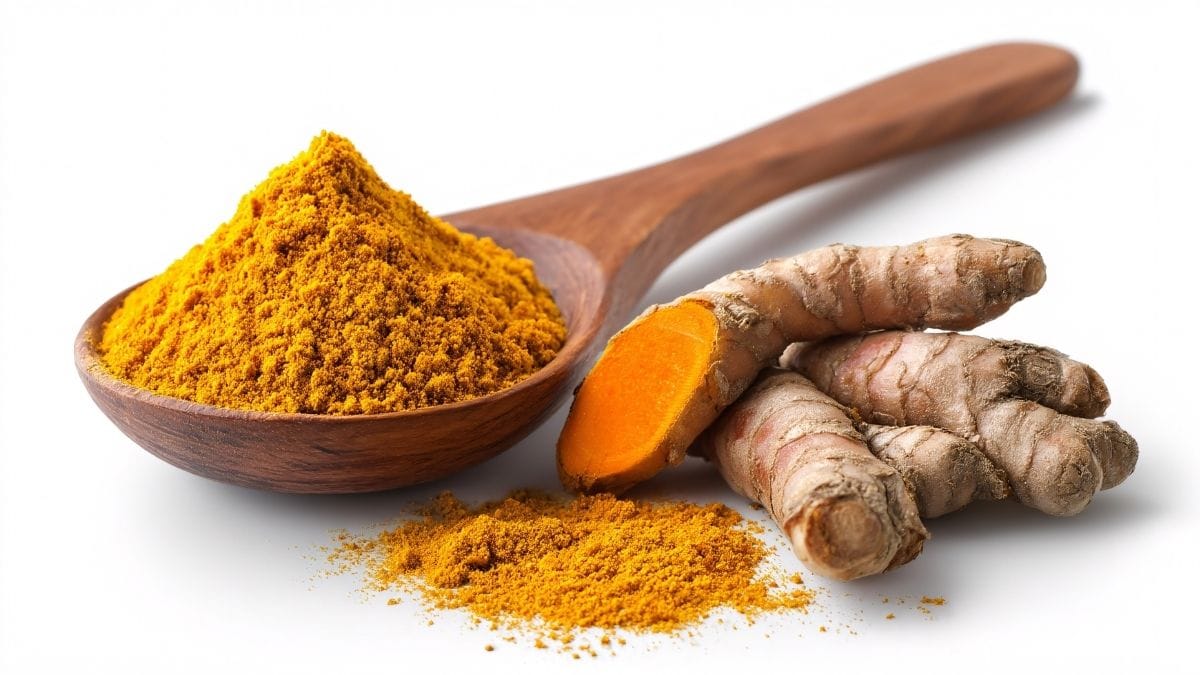
Turmeric is one of the best spices for calming inflamed skin. Its active compound, curcumin, blocks the signals that trigger redness, irritation, and swelling.
Many people notice less acne flare-ups when they use turmeric regularly. It also helps the skin heal faster and supports collagen formation.
Research from 2024 showed strong results for psoriasis, acne, and atopic dermatitis. One clinical study found that turmeric lowered radiodermatitis severity by up to 35%.
It even offers some protection against UVB damage. Another 2024 study showed better collagen deposition and stronger fibroblast activity, which matters for firm skin.
For better absorption, pair turmeric with black pepper. Try golden milk, or add turmeric to soups, curries, or roasted vegetables.
Leafy Greens: Vitamin-Packed Skin Defenders
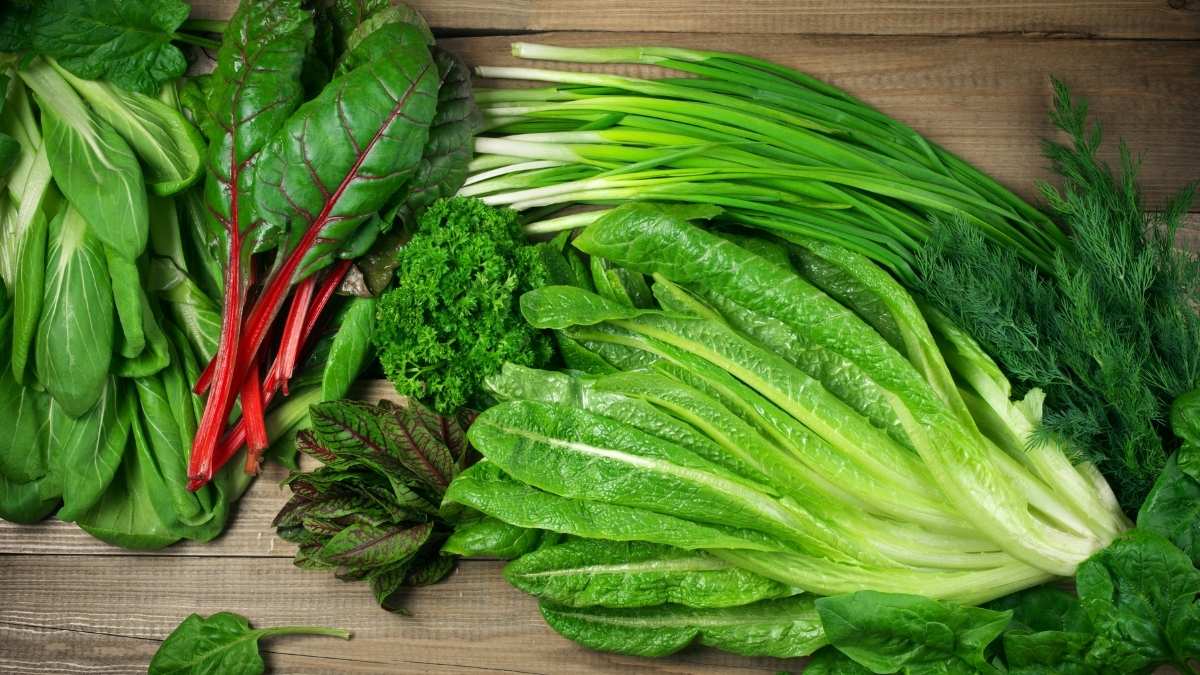
Leafy greens like spinach, kale, and Swiss chard give your skin the nutrients it needs to stay firm and bright.
They are loaded with vitamins A, C, E, and K. These vitamins lower oxidative stress, which can cause dullness and early aging. Vitamin C supports collagen production.
Vitamin E shields your skin from free-radical damage. Vitamin A helps new skin cells grow in a healthy way.
2024 research linked more plant-based foods to calmer inflammatory skin conditions. Greens also contain carotenoids that naturally protect your skin from stress.
Blend spinach into smoothies. Massage kale with olive oil for softer salads. Or sauté greens with garlic. Aim for two to three cups daily to feed your skin well.
Green Tea: Catechin-Rich Skin Soother
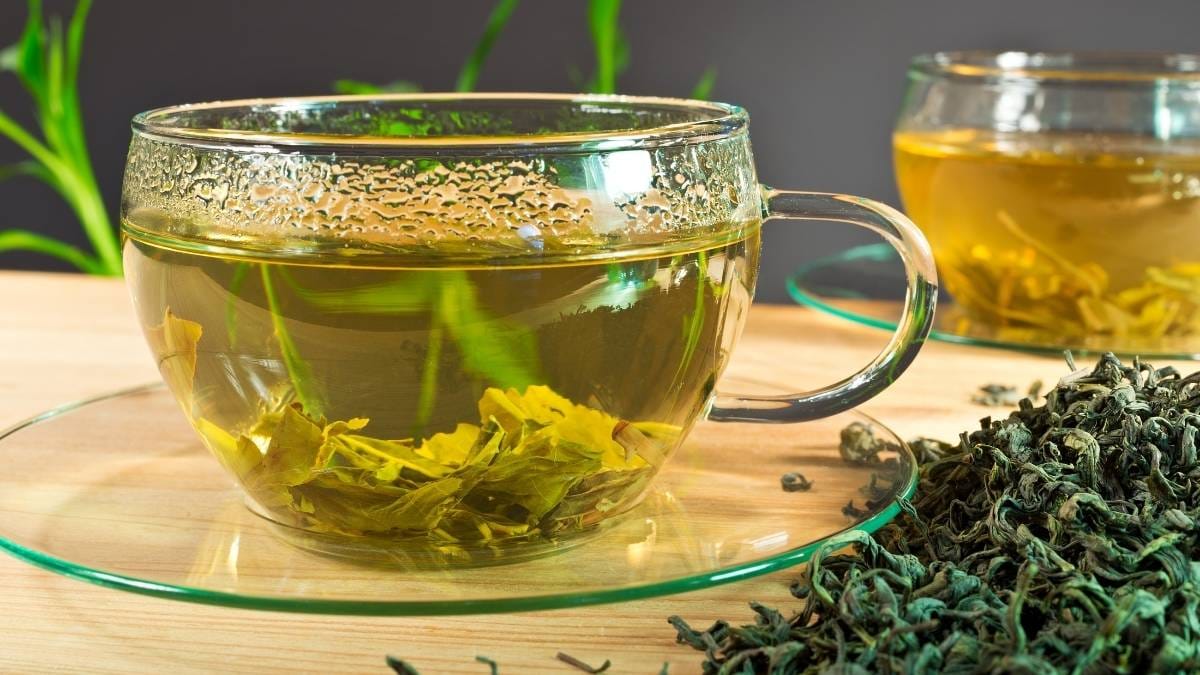
Green tea is calm in a cup. It contains catechins like EGCG that slow inflammation inside the skin. This helps people with acne, eczema, and redness.
Green tea also offers UV protection, which matters if you spend time in the sun. The polyphenols in green tea fight free radicals that speed up aging.
A 2024 review confirmed that drinking green tea can improve texture and support healthier skin. It may even help reduce oil production. That means fewer clogged pores.
Drink two to three cups a day. Brew for three to five minutes to release the most catechins.
Matcha is even stronger because you consume the whole leaf. Cool green tea can also be used as a gentle toner.
Nuts and Seeds: Healthy Fats for Hydrated Skin
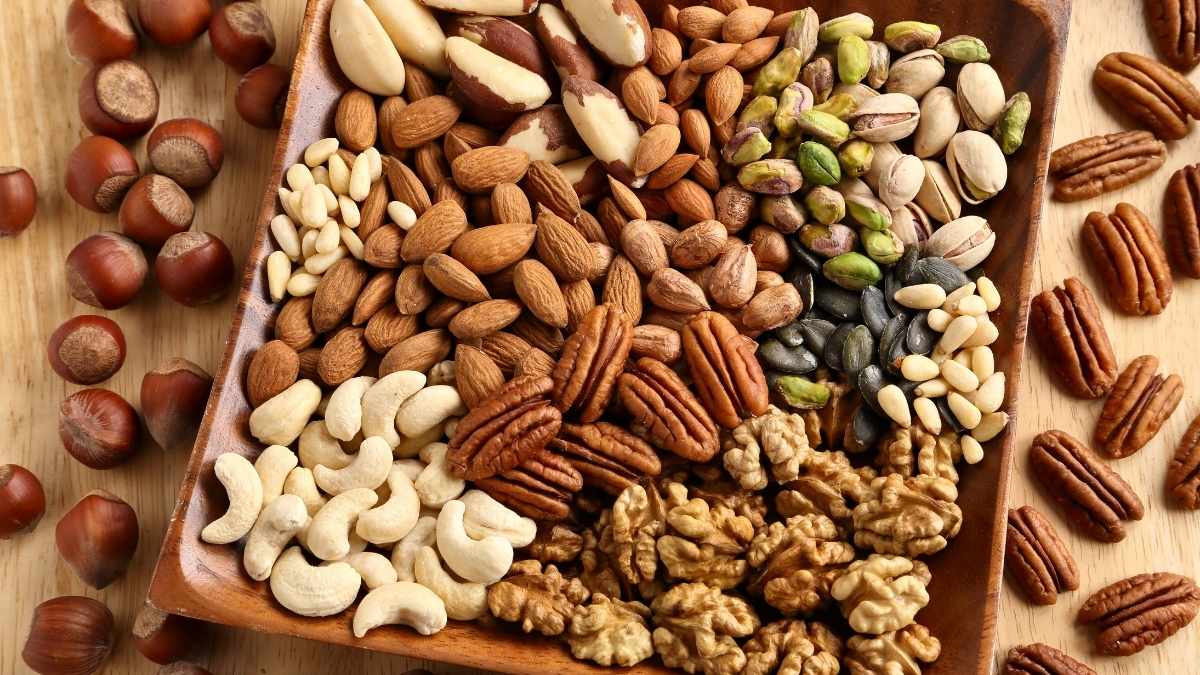
Nuts and seeds support soft, hydrated skin. Almonds, walnuts, chia seeds, and flaxseeds are packed with vitamin E, zinc, and healthy fats.
These nutrients help your skin repair itself. They also support a strong barrier that keeps moisture inside.
A well-known study found that almond intake reduced wrinkles and pigmentation in postmenopausal women. Nuts and seeds also lower inflammatory markers in the body.
Vitamin E defends against free-radical damage, while zinc supports wound healing and improves texture. Healthy fats in nuts help maintain natural oils that keep your skin from drying out.
Snack on raw almonds. Add ground flaxseeds to yogurt. Make chia pudding for breakfast. Pick raw or dry-roasted versions for the best benefits.
Probiotic Foods: Gut Health for Skin Glow
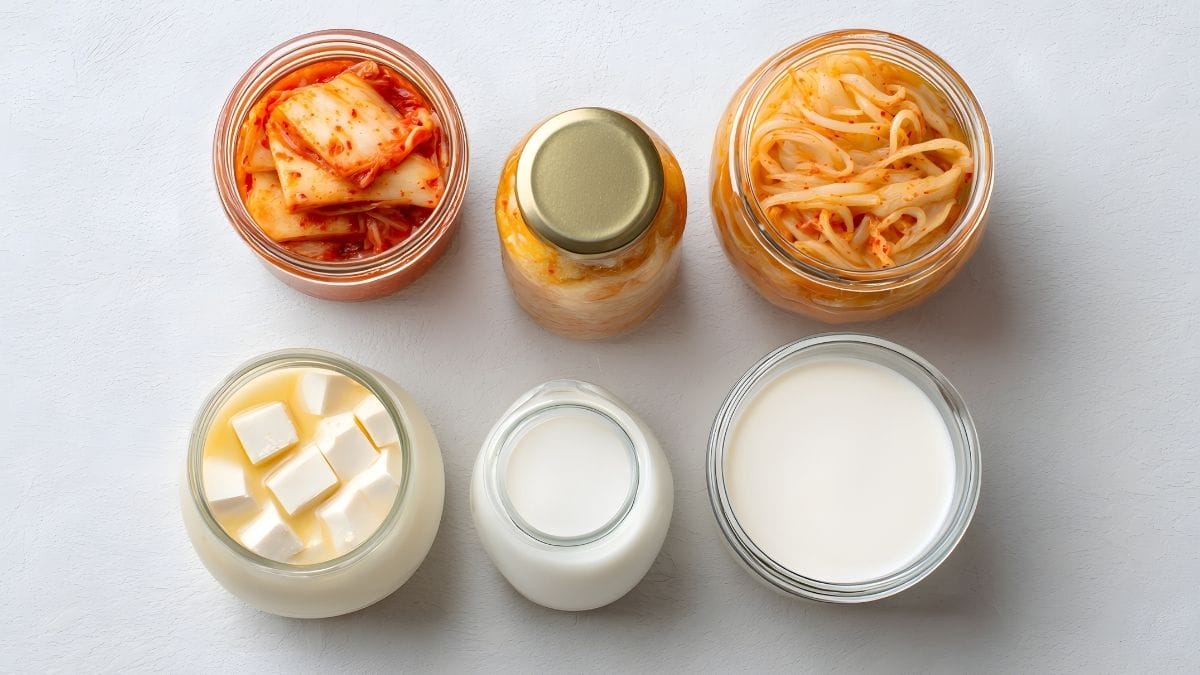
If your gut feels off, your skin often shows it. Probiotic foods like yogurt, kefir, kimchi, sauerkraut, and miso support a healthy gut microbiome.
This balance is linked directly to calmer skin. Probiotics help reduce inflammation, support barrier strength, and ease symptoms of acne, rosacea, and eczema.
New 2024–2025 studies show strong communication between the gut and skin. When your gut is balanced, your immune system reacts less harshly on your skin.
Probiotics also increase short-chain fatty acids, which have natural anti-inflammatory effects.
Try Greek yogurt with berries. Add one or two tablespoons of kimchi or sauerkraut to meals. Use miso in soups. You can also consider supplements with Lactobacillus and Bifidobacterium strains.
Sweet Potatoes: Beta-Carotene for Cell Turnover
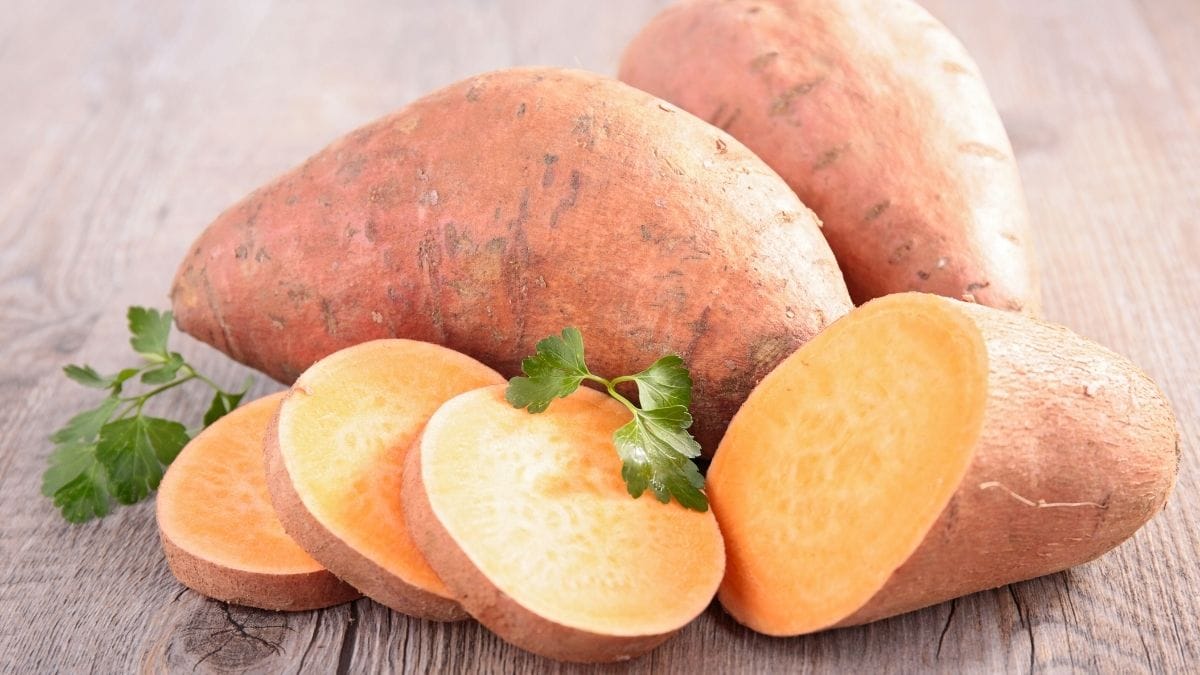
Sweet potatoes help your skin renew itself in a steady way. They are rich in beta-carotene, which turns into vitamin A inside the body.
Vitamin A supports healthy cell turnover. This keeps pores clear and helps smooth rough or uneven texture.
Sweet potatoes also reduce stress on your skin because they contain antioxidants that fight free radicals. Their fiber helps your gut too, which indirectly supports clearer skin.
And the low glycemic index gives you steady energy without the blood sugar spikes that can trigger breakouts.
Bake them with the skin on to keep the nutrients. Add them to bowls or salads. Or roast cubes with turmeric or herbs for a simple anti-inflammatory side dish.
Dark Chocolate: Flavonoid-Rich Treat

Dark chocolate can support your skin when you choose the right kind. Look for bars with 70% cacao or more. This gives you more flavonoids and fewer added sugars.
Flavonoids act as antioxidants that protect your skin from UV stress and early aging.
Studies show dark chocolate’s polyphenols help defend collagen and may improve skin texture.
But the benefit drops when the chocolate has too much sugar or dairy, which can trigger inflammation for some people. Quality really matters here.
Eat one to two small squares a day. Pair with berries or nuts for even more antioxidants. Check the label and choose chocolate with simple ingredients like cacao, cocoa butter, and a small amount of sweetener.
Building Your Anti-Inflammatory Skin-Glow Meal Plan
If your skin often feels dull, inflamed, or breaks out fast, the way you build your meals can help.
When you mix several anti-inflammatory foods in one plate, you give your skin steady support all day. Healthy fats keep your moisture barrier strong.
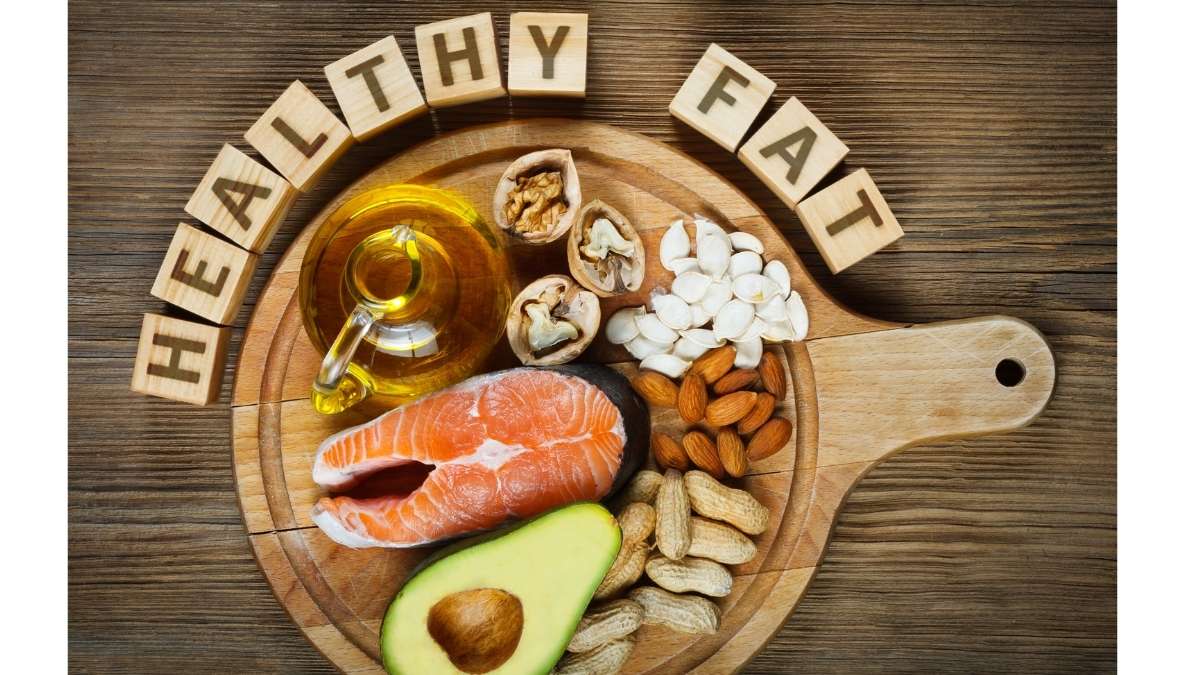
Antioxidants protect your collagen. Fiber helps your gut, which keeps inflammation down. And here’s the good part: you can do all this with simple meals.
Here’s a sample day that feeds your skin well. Start breakfast with Greek yogurt topped with berries, ground flaxseeds, and a little dark chocolate.
For lunch, try a spinach salad with grilled salmon, sweet potato, walnuts, and olive oil. Add a handful of almonds and green tea for a clean afternoon snack.
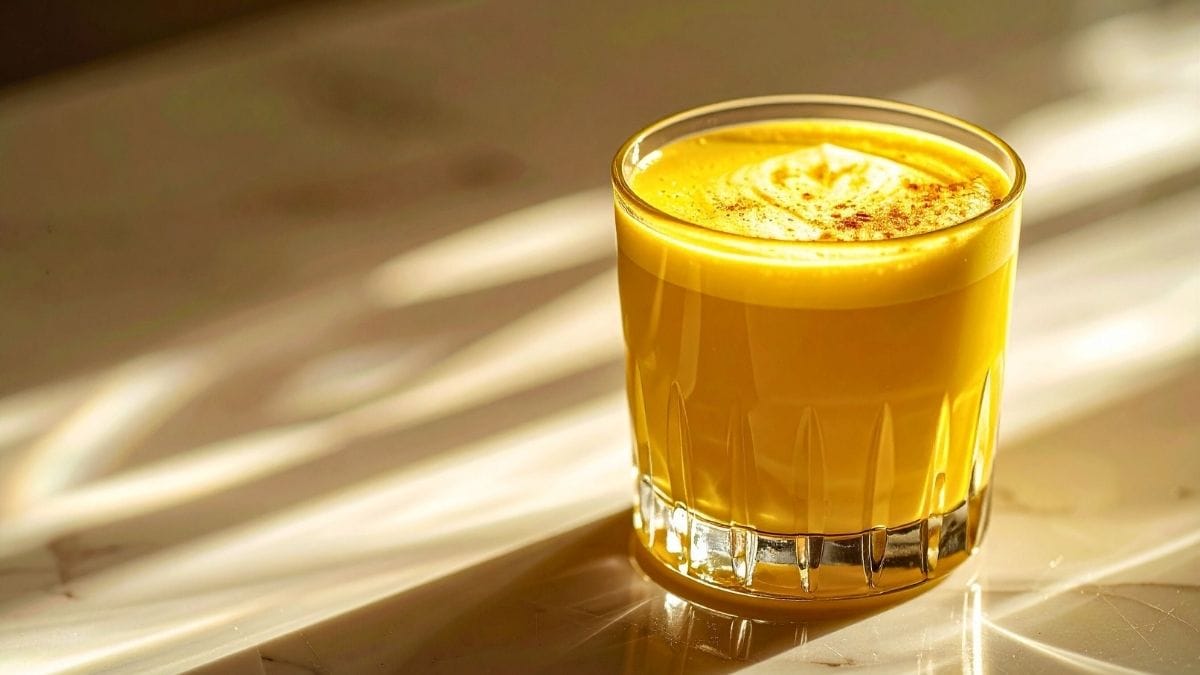
For dinner, cook turmeric-spiced tofu with mixed vegetables and brown rice. Add kimchi for a gut boost. End your day with warm turmeric milk to calm inflammation.
Keep things easy so you stay consistent. Cook salmon and sweet potatoes on Sundays. Freeze berries for quick smoothies.
Prep mason jar salads with leafy greens. Buy pre-washed spinach to save time. Use a slow cooker for turmeric soups on busy nights.
Some people may need extra support from supplements. Omega-3 fish oil, probiotics, and vitamin C can help fill gaps. But talk to a healthcare provider before starting anything new.
The Timeline: When to Expect Results
Skin does not change overnight. Skin cells need about 28–40 days to renew.
In the first 2 weeks, you may feel calmer digestion and less bloating as inflammation drops inside your body. By weeks 3–4, your skin may look less red and less reactive.
Most people notice real texture changes around weeks 6–8.

Breakouts may slow down. Hydration improves too. After 3 months, many see better tone, fewer fine lines, and a healthy glow.
Your results may differ based on your skin and habits. Pair your diet with sleep, sunscreen, and simple skincare for the best outcome.
Final Thought:
Healthy skin starts inside your body. The 9 anti-inflammatory foods you learned about can calm redness, support your gut, and help your skin feel smoother.

Fatty fish brings omega-3s, berries protect your collagen, and probiotic foods keep your gut strong. Small steps matter. Add one or two of these foods to your meals this week.
Your challenge: Pick 3 foods from this list and use them in your routine. Take a photo today. Look again in 8 weeks to see the change. Radiant skin through anti-inflammatory foods grows with steady habits.