
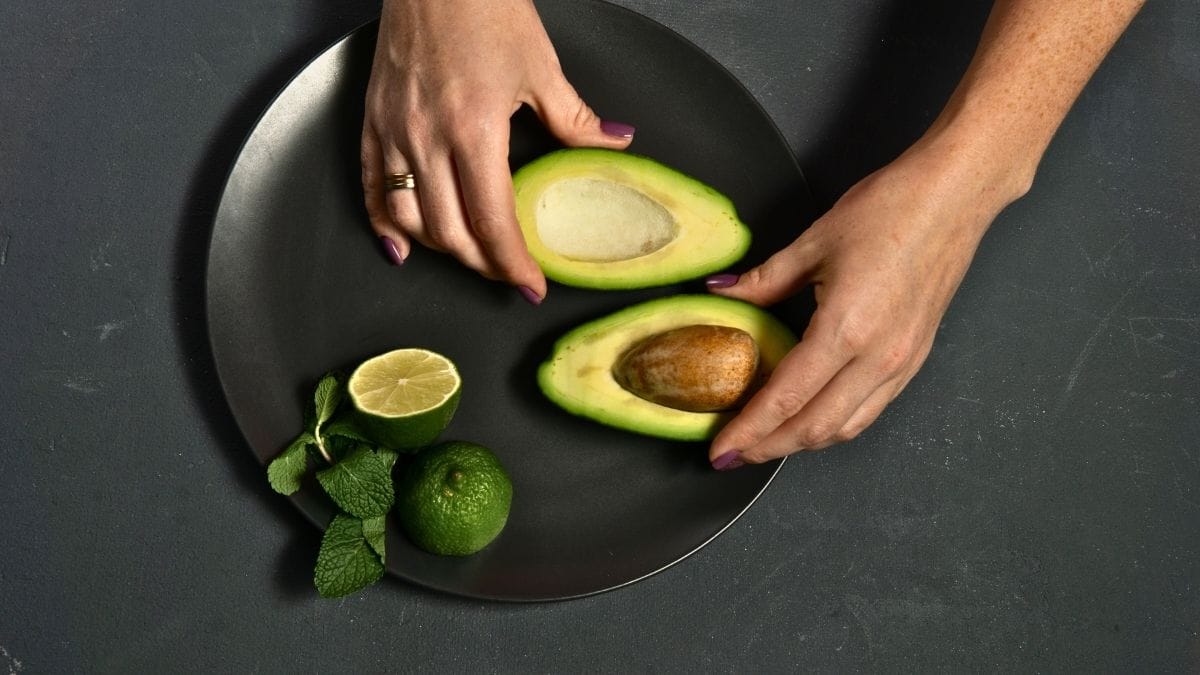
One avocado per week is linked to a 16% lower risk of cardiovascular disease. That finding comes from 30 years of data on 111,000 people at Harvard. That is not a small study. That is real proof.
Most people eat avocados on toast and move on. They do not know what is actually happening inside their body. They have no idea the research keeps growing every year.
This article will show you six science-backed reasons avocados help you age better. Every point comes from real clinical trials and named researchers — not food brand marketing.
By the end, you will know exactly why nutrition experts keep recommending avocados for healthy aging — and how much to eat to actually see results.
What Makes Avocados Different From Every Other Fruit
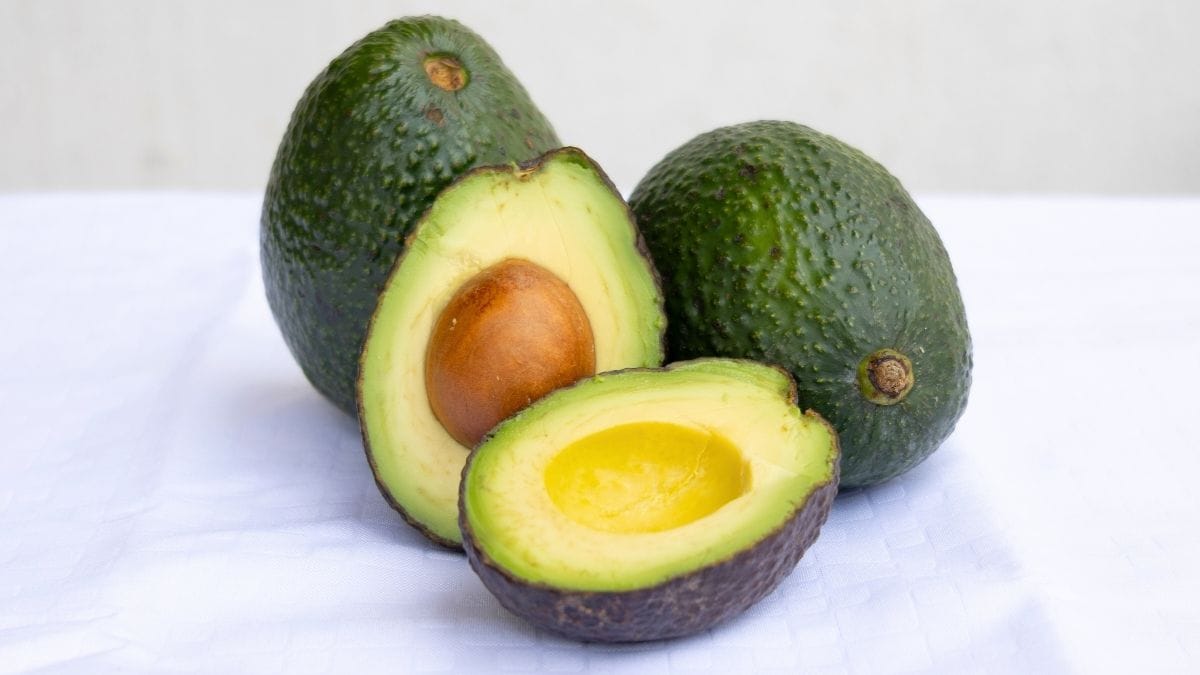
Most fruits are mostly water and sugar. Avocados are completely different. Half an avocado gives you 20% of your daily fiber, 10% of your potassium, and 15% of your folate — all in one food.
The fat in avocados is 71% monounsaturated fat. That is the same heart-healthy fat found in olive oil. It is not the kind of fat that hurts you. It is the kind that helps you.
Here is something most people miss. Fewer than 3% of U.S. adults get enough potassium daily. That gap is directly linked to higher blood pressure and weaker heart function as you age. Half an avocado helps close that gap fast.

Avocados also have both Vitamin C and Vitamin E together. These two antioxidants protect your blood vessels when they work as a team.
And unlike most fruits, avocados have only 0.2 grams of sugar per half. You get all the nutrition with almost zero blood sugar impact.
These are not bonus nutrients. As you get older, low potassium, low folate, and low healthy fats increase your risk for heart disease, memory problems, and inflammation. Avocados address all of that in one food.
Avocados and Heart Health — What the Clinical Trials Show
Harvard tracked over 111,000 people for 30 years. People who ate one avocado per week had a 21% lower risk of coronary heart disease.
This was published in the Journal of the American Heart Association in 2022. The Harvard study had no food industry funding. That makes it especially credible.
The research does not stop there. A 2025 meta-analysis of 10 randomized controlled trials found avocados reduced LDL cholesterol by 3.75 mg/dL and lowered systolic blood pressure by 1.15 mmHg.
A separate 2025 study from Tehran University found total cholesterol dropped by 6.97 mg/dL — with stronger results after 23+ weeks of eating avocados consistently.
The biggest trial ever run on avocados was the HAT Trial. It involved 1,008 adults across four medical centers over 26 weeks. Participants ate one avocado daily. Results were published in the Journal of the American Heart Association in February 2025.
Here is the mechanism behind it. Avocados contain oleic acid — a fat that reduces inflammation and improves how your arteries function.
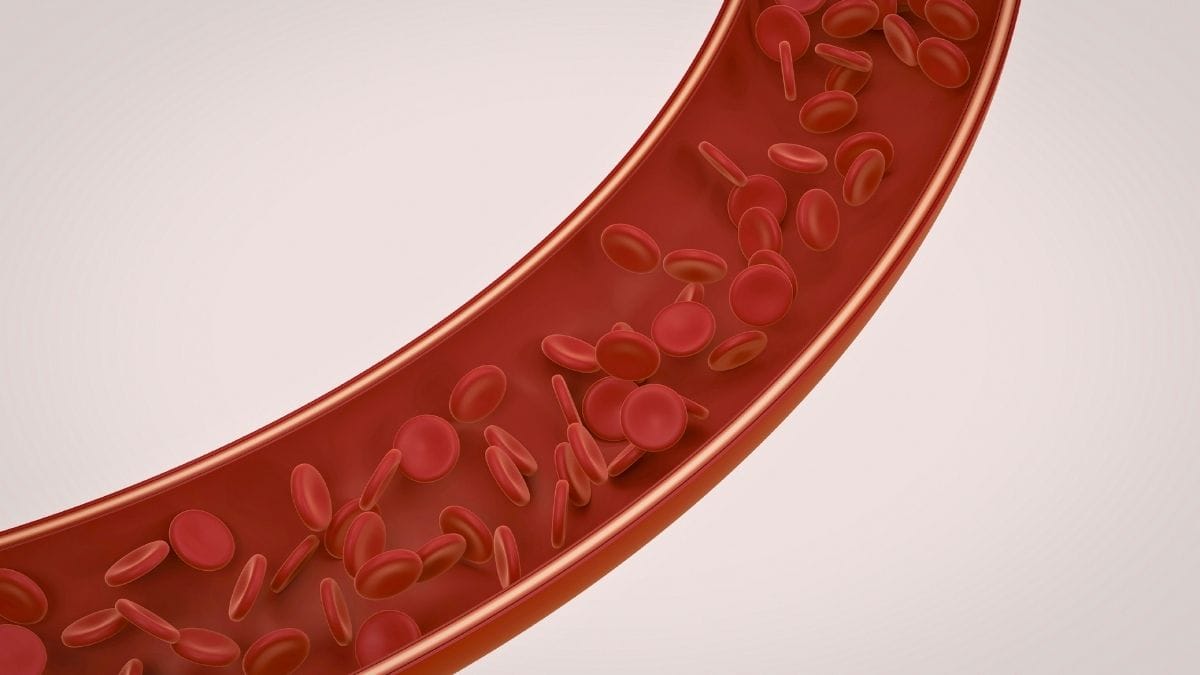
They also contain 104 mg of beta-sitosterol per medium avocado. That plant compound directly supports healthy cholesterol levels.
How Avocados Protect Your Brain as You Age
Most people think lutein is only for your eyes. It is not. Lutein is actually the dominant nutrient found in human brain tissue. And avocados are one of the most absorbable sources of lutein you can eat.
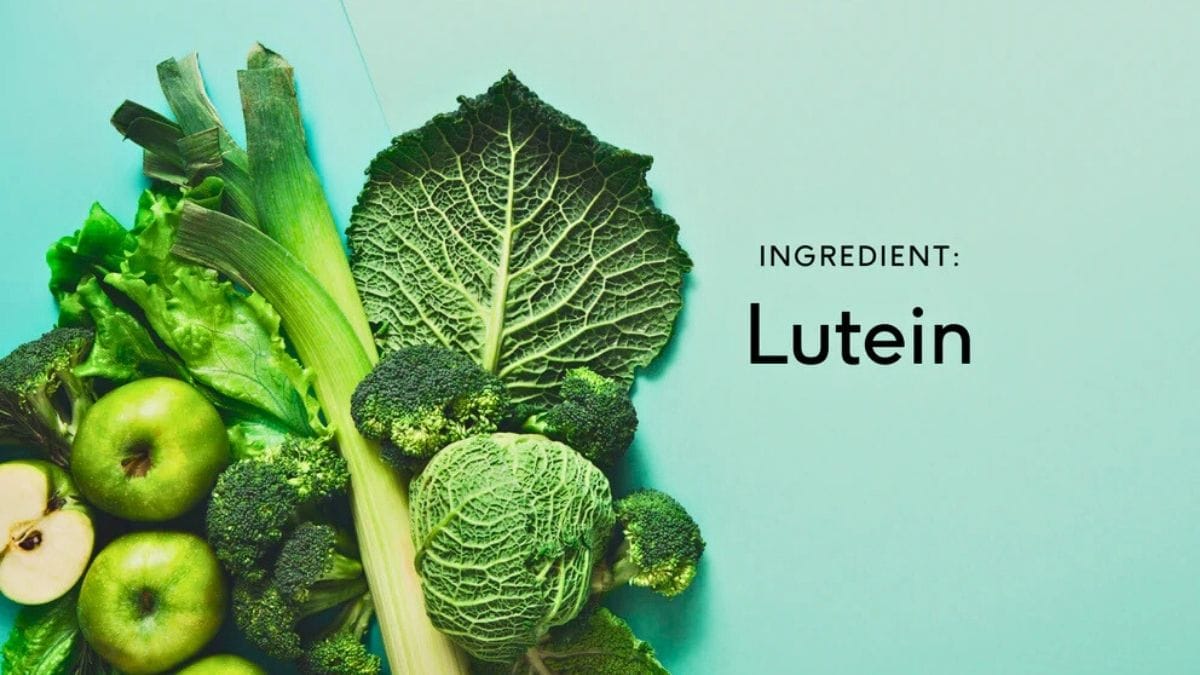
A 6-month clinical trial published in the journal Nutrients tested one avocado per day in healthy older adults. At the end of the trial, participants had 25% more lutein in their blood. Their memory and spatial working memory both improved.
A separate 12-week trial at the University of Illinois tested 84 adults. Daily avocado intake improved their ability to focus and filter distractions. This was measured on a clinical attention test called the Flanker task.
Right now, in 2026, a study called the AvoCog trial is actively running. It is testing one avocado per day in adults aged 65 to 85.
Researchers are using MRI scans and blood flow measurements to track brain changes. The results are expected to add more weight to what earlier trials already found.

Your gut also plays a role here. A 2025 study found avocados shifted gut bacteria in a healthier direction. Those bacteria produce compounds that cross into the brain and reduce inflammation.
Avocados and Your Eyes — The Vision Protection Most People Ignore
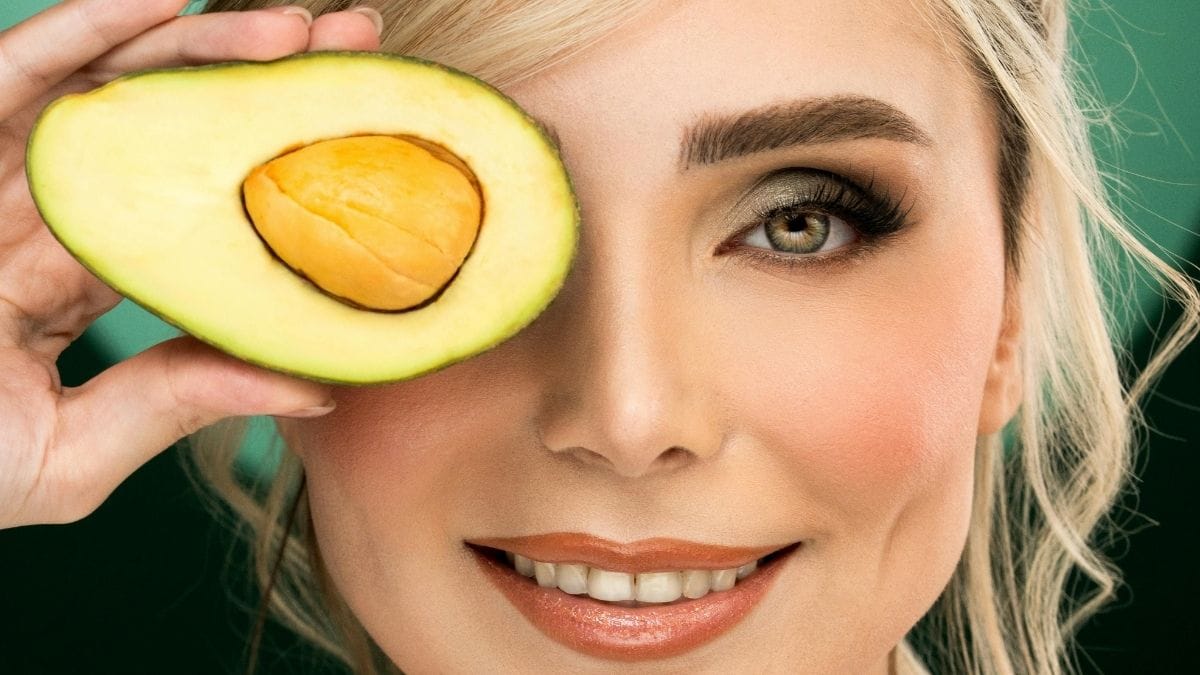
Age-related macular degeneration is the number one cause of vision loss in adults over 60. There are only two dietary nutrients proven to accumulate in the macula and protect it.
Those are lutein and zeaxanthin. Half an avocado gives you 185 micrograms of both combined.
Here is what makes avocados better than spinach or kale for eye health. Lutein needs fat to be absorbed properly.
Avocados have the right kind of fat built in. When you eat spinach alone, your body absorbs far less lutein than it could. Avocados solve that problem naturally.
Lutein levels also drop as you age. They are consistently lower in women than in men. This makes avocados especially valuable for women over 50 who are at higher risk for macular problems.
Research from the Women’s Health Initiative also found that diets high in monounsaturated fats were protective against age-related eye problems. Avocados fit that dietary pattern directly.
One bonus finding: higher lutein and zeaxanthin intake is also linked to fewer cartilage defects in the joints — an early sign of osteoarthritis. Eye health and joint health from the same food.
Avocados, Blood Sugar, and Your Gut After 40
After 40, your metabolism slows. Blood sugar becomes harder to control. Your gut bacteria start to shift in ways that increase inflammation. Avocados help with all three of these problems.
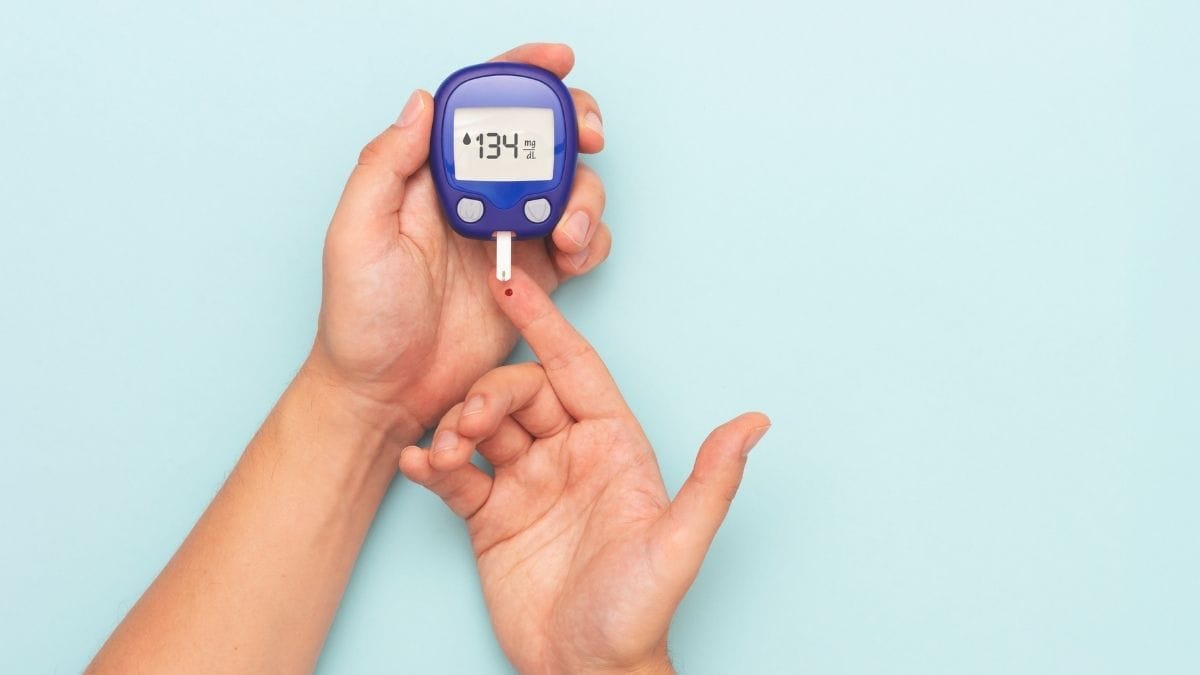
The fiber in avocados slows down digestion. This stops blood sugar from spiking after a meal. That matters a lot if you are managing prediabetes or trying to avoid insulin resistance.
A survey of over 6,000 Hispanic and Latino adults found that avocado eaters had a 20% lower risk of developing diabetes over six years.
Among people who already had prediabetes at the start, the risk dropped by 31%. That data was reported by Harvard Health in June 2025.
The HAT Trial — 1,008 adults over 26 weeks — also found something interesting. People who ate avocados daily improved their overall diet quality. They naturally stopped eating lower-quality foods. No one told them to. It just happened.
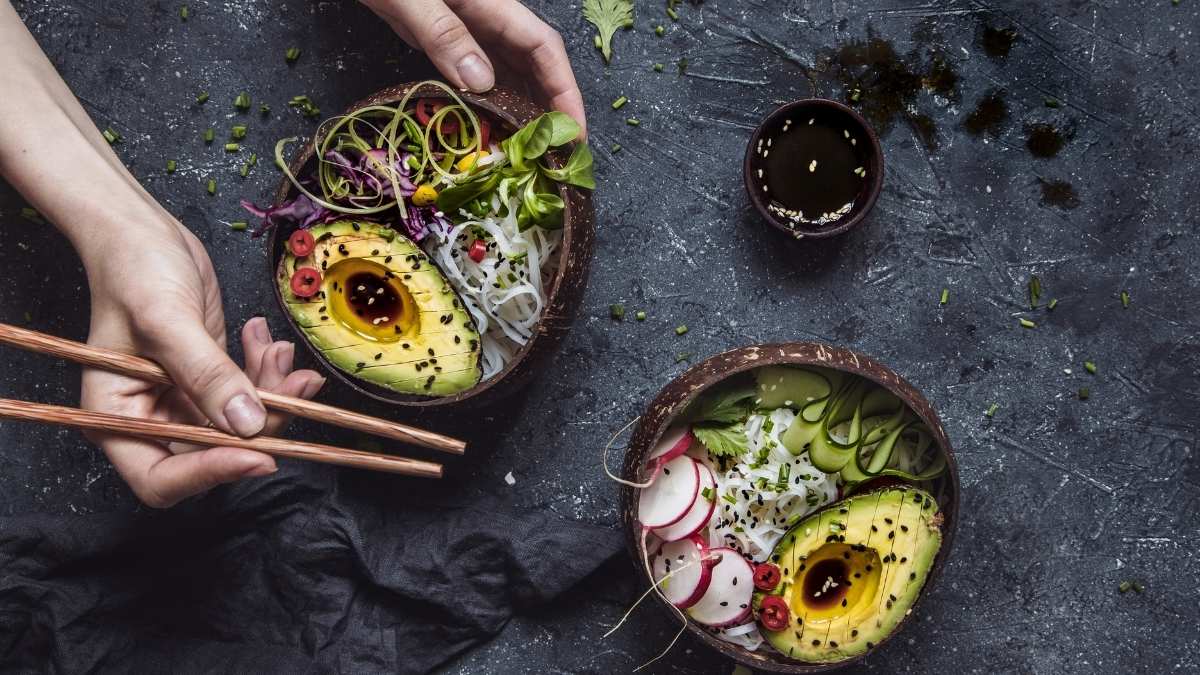
A 2025 gut health study using HAT Trial data found avocados shifted gut bacteria in a healthier direction.
They reduced harmful bacterial populations and increased short-chain fatty acid production. Those fatty acids protect your gut lining and lower body-wide inflammation.
How Much Avocado Should You Actually Eat in 2026
Here is the honest answer. Most clinical trials used one medium avocado per day. That is about 136 to 168 grams. It sounds like a lot, but it is very realistic to fit into daily meals.
If daily feels like too much, two servings per week still shows measurable heart health benefits. That is what the Harvard 30-year study was based on.
Half an avocado gives you: 114 calories, 4.6 grams of fiber, 6.7 grams of healthy fat, 345 mg of potassium, and 60 mg of folate. That is a lot of nutrition for one food.
One honest note. Teresa Fung, a registered dietitian and professor at Harvard T.H. Chan School of Public Health, said this clearly: “Avocado is very definitely a healthy food, but remember, it is not a low-calorie food.”
She said this to Harvard Health in June 2025. If you are watching calories, portion size still matters.
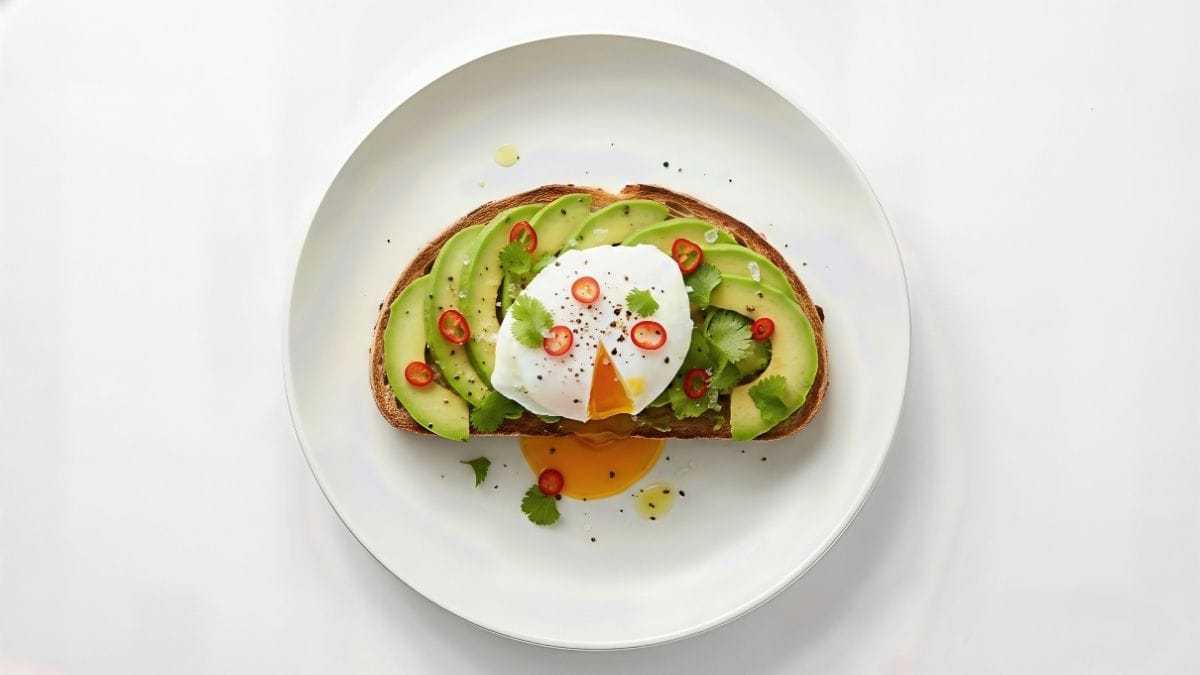
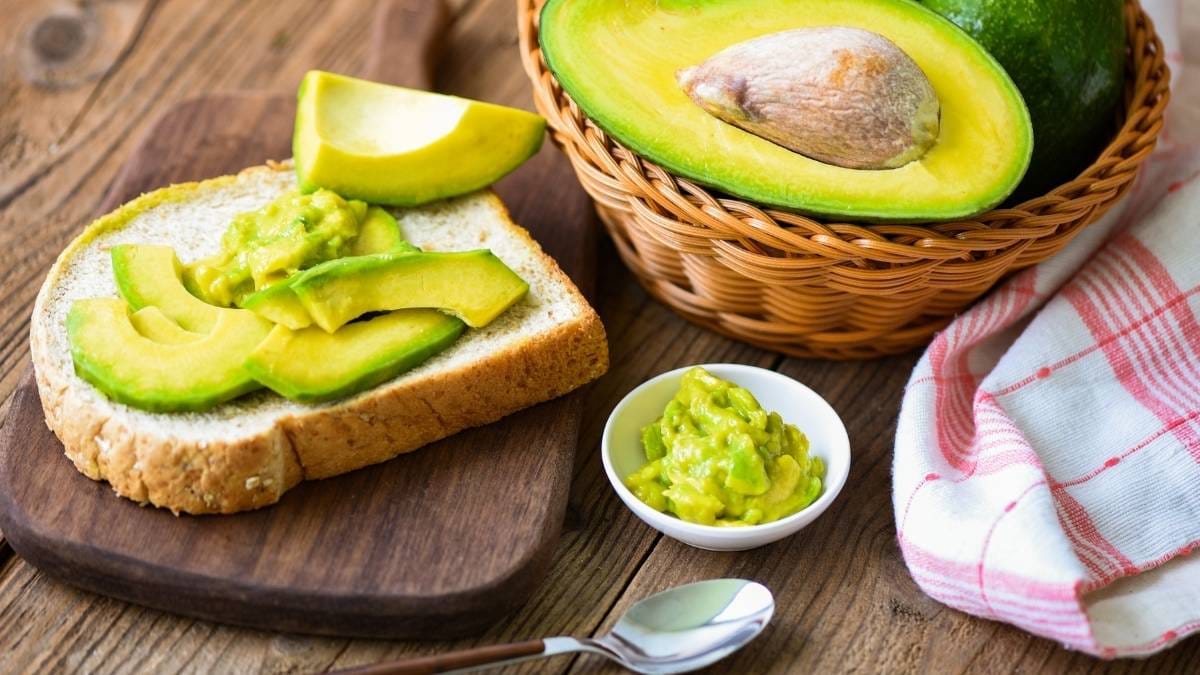
Simple ways to eat more avocados: half on whole-grain toast with an egg in the morning. Sliced on a lunch salad. Blended into a smoothie. Mashed instead of butter or mayo on sandwiches.
Lastly;
Avocados protect your heart, brain, eyes, gut, and blood sugar — all in one food. The proof comes from Harvard studies, multi-center clinical trials, and 2024–2025 research.
Start with half an avocado this week. Few foods give you this many real benefits for healthy aging.