
You’ve been told to eat more fiber for years. But most people still don’t do it. And their gut pays the price every single day.
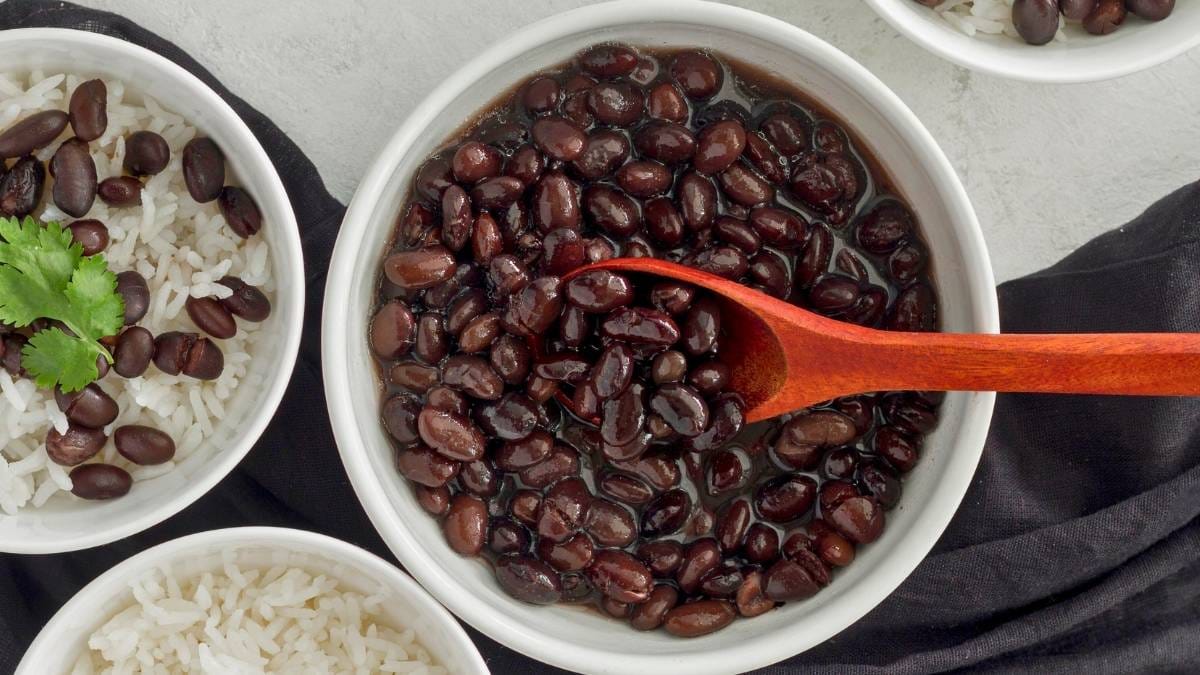
Here’s the thing — there’s one food that costs under a dollar, fits in any meal, and delivers nearly half your daily fiber in a single cup. It’s black beans. And most people skip them completely.
Your gut bacteria are likely starving right now. Not because you’re lazy. Because the modern diet is packed with processed food and stripped of the fiber your gut actually needs.
In this guide, you’ll learn why black beans are so powerful for digestion. You’ll see the real science behind how they feed your gut bacteria. And you’ll get simple, honest tips to add them to your meals — without the gas and bloating most people fear.
Why Most People Have a Gut Health Problem Right Now

Here’s an uncomfortable truth — almost nobody is getting enough fiber. According to the USDA, as many as 97% of Americans eat less fiber than they should. The recommended amount is 25–34 grams per day. Most people get around 15 grams.
Experts now call fiber a “nutrient of public health concern.” That’s a big deal. It means the gap is wide enough to cause real health problems across the population.
When you don’t eat enough fiber, your gut bacteria suffer. Low-fiber diets reduce the richness and diversity of bacteria in your gut. This leads to inflammation, irregular digestion, and a weaker immune system.
The risks go further too. Fiber deficiency is linked to Crohn’s disease, obesity, heart disease, and colorectal cancer. These aren’t small concerns.
The good news? The fix isn’t expensive. It’s not a supplement. One of the most powerful fiber sources has been sitting on grocery store shelves for decades — the humble black bean.
A single cup contains more gut-feeding fiber than most Americans eat in an entire day.
Black Beans Nutritional Profile: What’s Actually Inside
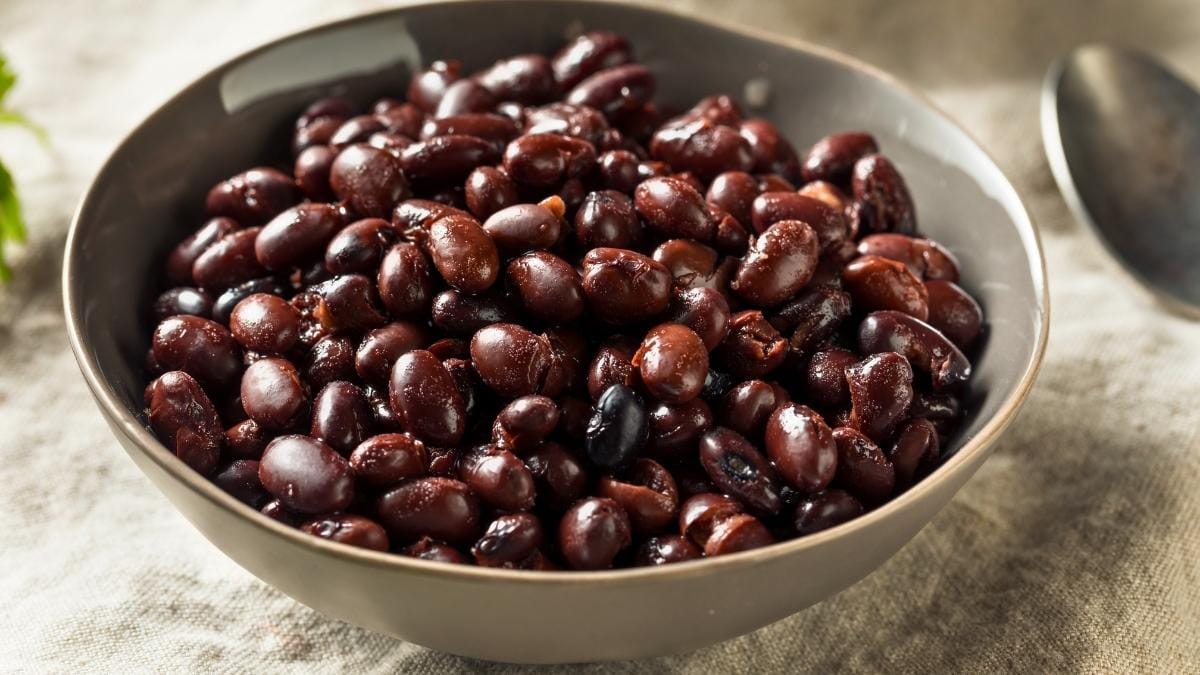
Before anything else, look at what one half-cup of cooked black beans gives you:
| Nutrient | Amount |
|---|---|
| Calories | 115 |
| Protein | 8g |
| Carbohydrates | 20g |
| Fiber | 8g |
| Fat | 0.5g |
That 8 grams of fiber in a half-cup is roughly 28–32% of your daily fiber goal in one serving. A full cup brings that to 13.7 grams — almost as much as most Americans eat all day.
Black beans don’t just deliver one type of fiber. They give you both soluble fiber and insoluble fiber. Soluble fiber slows digestion and feeds your gut bacteria. Insoluble fiber adds bulk and keeps things moving. Most foods give you one or the other — not both.
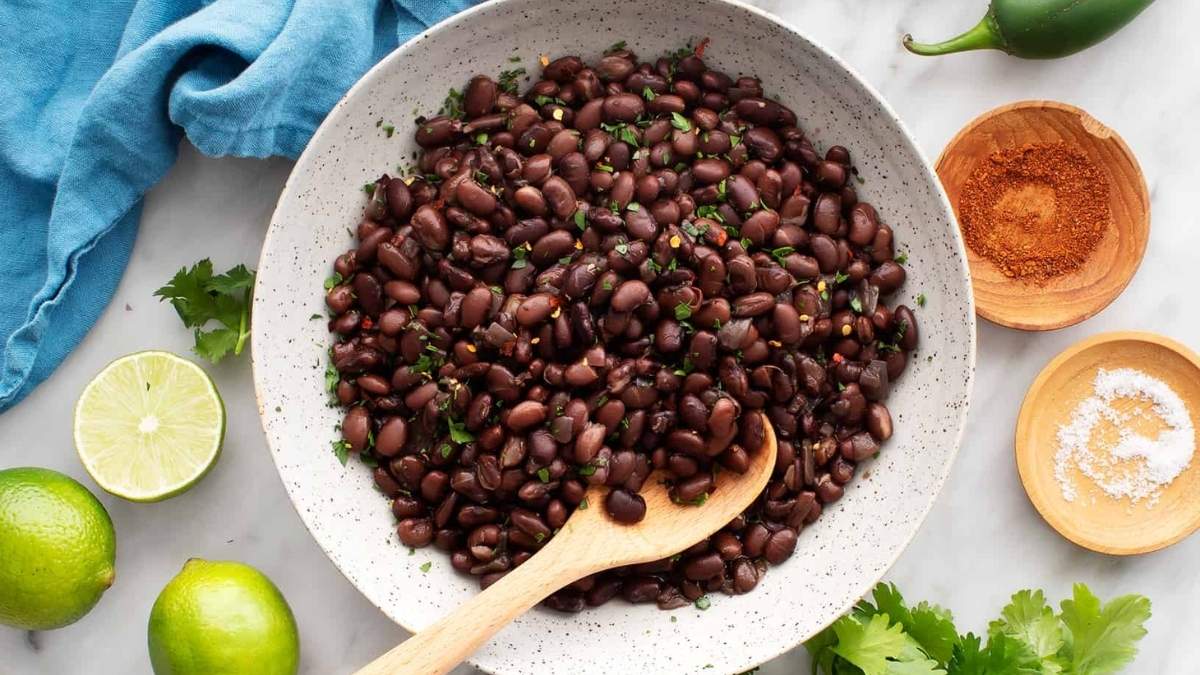
They also contain resistant starch. This is a type of carbohydrate your body can’t digest. It travels to your colon and becomes food for your bacteria. That’s where the real gut magic happens.
Black beans are also low on the glycemic index. They won’t spike your blood sugar. They keep you fuller longer and support healthier cholesterol levels too.
How Black Beans Feed Your Gut Bacteria (The Science, Simply Explained)
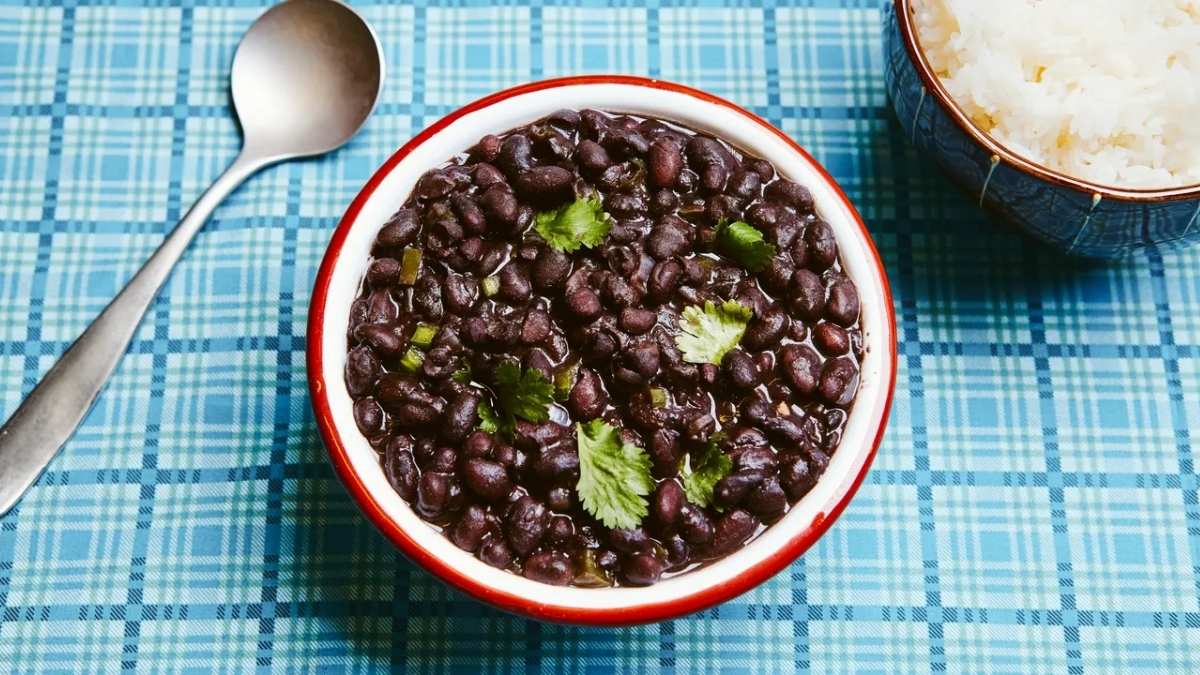
Your gut bacteria don’t eat what you eat. They eat what you don’t digest. That’s exactly where black beans come in.
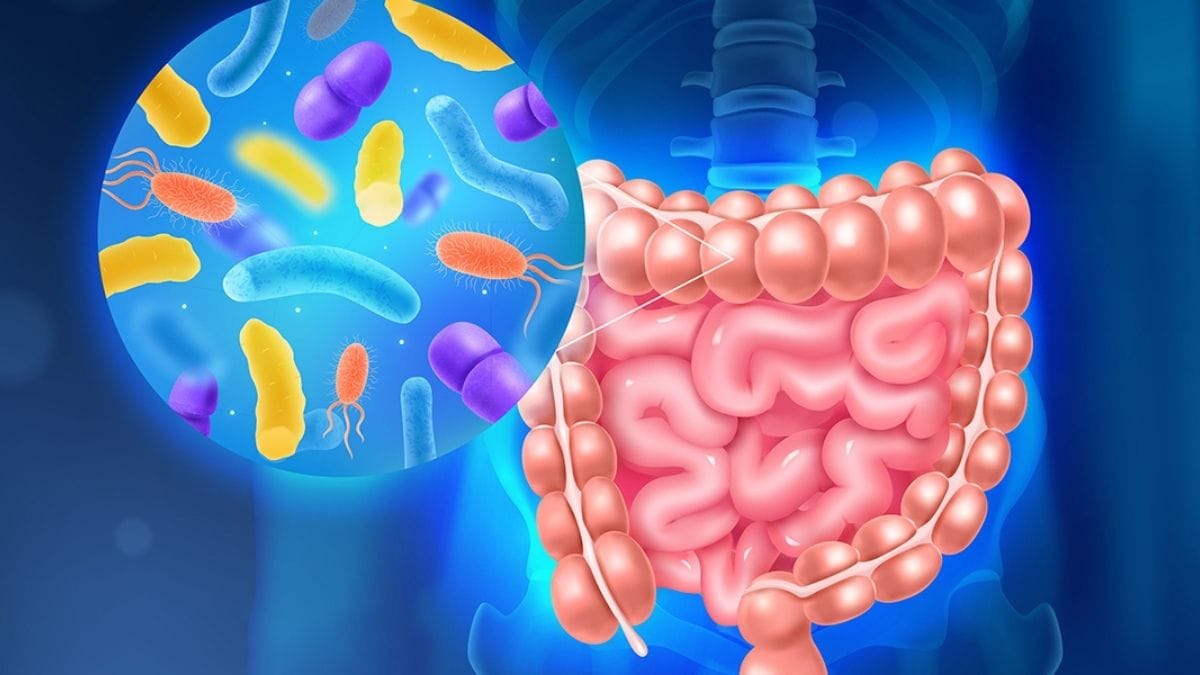
The resistant starch and fiber in black beans travel through your small intestine untouched. When they reach your colon, your gut bacteria ferment them. This fermentation process produces something called short-chain fatty acids — or SCFAs.
The main SCFAs are butyrate, acetate, and propionate. These compounds do important work. Butyrate protects the gut lining. It lowers inflammation.
It supports your immune system. Some research even links it to better brain health through what’s called the gut-brain axis.
Black beans also contain prebiotic compounds called galactooligosaccharides. These act as direct food for beneficial gut bacteria. More food for good bacteria means more diversity in your microbiome — and a stronger, more resilient gut.
Here’s what really matters: a study in adults with metabolic syndrome showed that eating whole black beans produced better gut and hormonal results than taking the same amount of fiber as a supplement.
The whole food wins every time. No powder replicates what a cup of black beans does.
Real Health Benefits of Eating Black Beans for Digestion
Let’s move from science to outcomes. What actually happens when black beans become a regular part of your diet?
First, your digestion improves.

Fiber adds bulk to stool and keeps bowel movements regular. If you deal with constipation, this alone is a major benefit.
Second, gut inflammation goes down. Butyrate produced from bean fermentation coats and protects the inner wall of your gut. Less inflammation means less bloating, less discomfort, and better overall function.
Third, your cancer risk may drop. Research from Cleveland Clinic shows beans can reduce chemical markers linked to colon cancer. Fiber from plant foods like black beans is consistently associated with lower rates of digestive tract cancers.
Fourth, your microbiome gets more diverse. More bacterial species in your gut means better immunity, better mood regulation, and better digestion overall.
Finally, blood sugar and hunger both become easier to manage. Studies show high-fiber diets improve blood glucose in people with type 1 and type 2 diabetes. And even if you don’t have diabetes, steadier blood sugar means fewer energy crashes and less mindless snacking.
The Gas Problem — How to Eat Black Beans Without the Bloating
Here’s the number one reason people stop eating black beans: gas. And it’s also completely fixable.
Beans contain oligosaccharides — fibers your body can’t break down. When gut bacteria ferment them, gas is produced. This is actually a sign that your gut bacteria are active and working. But it’s uncomfortable, and it’s real.
The good news: it gets better. In one study, adults who ate half a cup of legumes daily reported increased gas at first. But after 8 weeks, discomfort returned to normal levels. Your gut adapts.

Here are five practical fixes:
- Start small. Begin with 2–4 tablespoons per day. Increase slowly over weeks.
- Soak and rinse dried beans. Soak overnight for 6–12 hours. Discard the water before cooking. This removes sugars that cause gas.
- Use the right cooking method. Boil on the stove or use a pressure cooker. Slow cookers don’t get hot enough to break down lectins — a key cause of GI issues.
- Add digestive spices. Ginger, cumin, turmeric, bay leaf, or epazote during cooking make beans gentler on your stomach.
- Drink more water. Fiber needs water to move through your digestive tract smoothly.

How to Add Black Beans to Your Diet in 2026 (Practical, No-Fluff Guide)
You don’t need a meal plan overhaul. You need three or four simple swaps.
Start with canned vs. dried. Both work well. Canned beans are faster and easier. Dried beans are cheaper and let you control the sodium. Either way, always rinse them before eating.
Here are easy meal ideas that feel natural:
- Add black beans to scrambled eggs in the morning
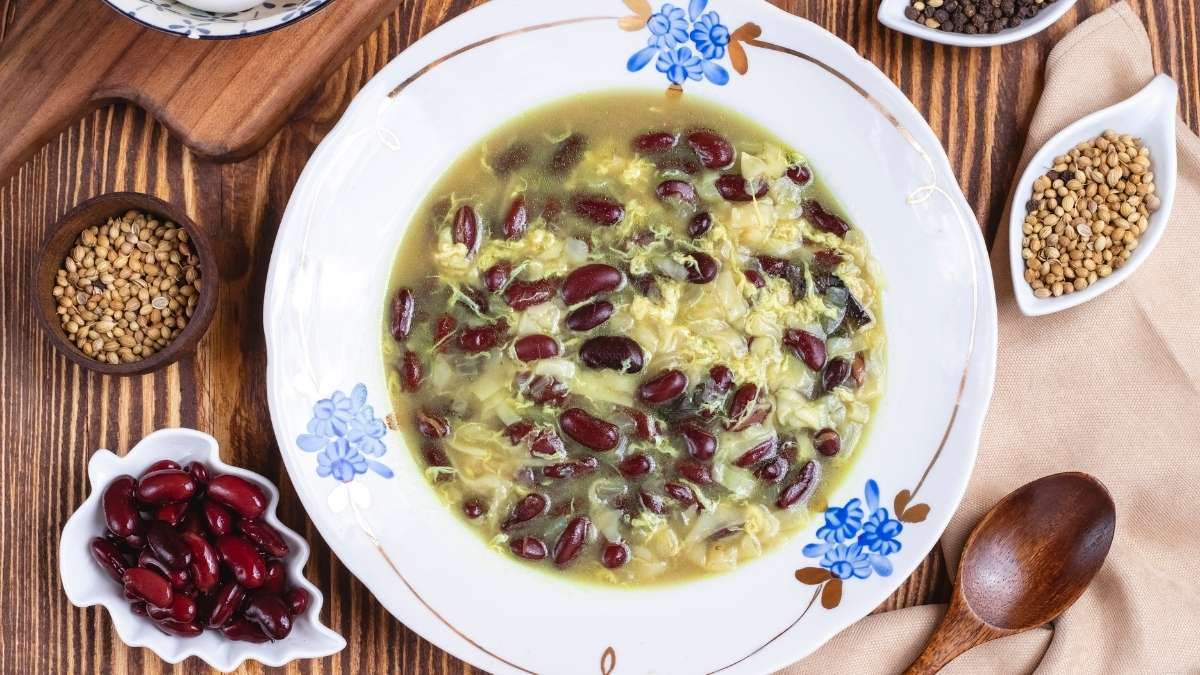
- Stir them into soups, stews, or rice dishes
- Use them as a taco or burrito filling
- Blend them into a dip or spread — easier to digest for beginners
- Add them to a smoothie — you genuinely can’t taste them
Aim for 3–4 half-cup servings per week to start. Research shows consistent eating over weeks — not a single meal — is what improves the microbiome.
Budget note: a can of black beans costs about $1 and gives you 3–4 servings. That’s one of the best value-for-nutrition trades available in any grocery store.
And don’t stop at black beans. Rotating between lentils, chickpeas, and kidney beans gives your gut bacteria even more variety to feed on.
Conclusion:
Black beans are one of the most affordable, proven gut health foods available right now. They feed your bacteria, protect your gut lining, and improve digestion over time.
Gas is real but temporary. Start with a small amount, stay consistent, and let your gut adapt. Few foods deliver this much for so little.