

What if the secret to boosting your metabolism isn’t about what you eat, but when you eat it?
You’ve tried calorie counting and macro tracking. Your energy still crashes by 3 PM. Your weight won’t move. You fight cravings all day.
The fix is simpler than you think: eat at the same time every day.
Here’s what you’ll learn. Consistent meal timing metabolism actually works. Eating same time daily fixes your circadian rhythm. When you eat randomly, your body’s clock breaks. This leads to weight gain and health problems.
You’ll get a 3-meal schedule backed by 2024 research. You can start tomorrow.

The Science Behind Meal Timing and Metabolism
Your body runs on a 24-hour internal clock called your circadian rhythm. This clock controls when you feel hungry, when you burn fat, and when you store energy. Every cell in your body follows this schedule.
Here’s what matters: meal timing syncs this clock. When you eat at the same times daily, your body knows what to expect. Your circadian rhythm meal schedule stays on track. Your metabolic health improves.
A November 2024 study tracked 2,485 people across 29 trials. The results? People lost 1-2 kg in 12 weeks just by timing meals better. Eating earlier in the day worked best. Even if you have genes that make weight loss hard, early eating helps.
Random eating breaks your clock. Eating after 9 PM increases heart disease risk. Starting breakfast after 9 AM does the same. Studies show mice gained more weight eating at the wrong times, even with identical food.
People who eat at consistent times have better cholesterol and lower obesity rates.
The Optimal 3-Meal Daily Schedule (Based on 2024-2025 Research)
Let’s get specific. Here’s the exact circadian rhythm meal schedule that works based on 2024 research.
Breakfast: Before 8:30 AM (Within 1-2 Hours of Waking)

Eat within two hours of waking up. If you wake at 6 AM, eat by 8 AM. Studies show breakfast before 8:30 AM lowers blood sugar spikes and cuts cardiovascular disease risk. Your body is primed to burn calories in the morning. Don’t waste it.
Skip breakfast and your metabolism slows down for the entire day.
Lunch: Noon to 1:30 PM

Eat lunch 5 hours after breakfast. If you ate at 7 AM, have lunch at noon. Your body needs protein, complex carbs, and healthy fats now. This keeps your metabolism working hard through the afternoon.
Wait too long and you’ll crash. Eat too early and you’ll be starving by dinner.
Dinner: Before 7:30 PM (Best at 5:30-6:30 PM)

Finish dinner at least 2-3 hours before bed. Eating after 9 PM increases heart disease risk by a lot. Your body doesn’t burn calories well at night. Evening meals get stored as fat easier.
Early dinner gives you a 13-hour overnight fast. This is where fat burning happens.
The 3-4 Hour Rule
Space meals 3-4 hours apart. This keeps blood sugar stable. Your stomach has time to digest properly. You won’t feel hungry between meals after the first week.
Sample Schedule for Eating Same Time Daily
- 7:00 AM – Breakfast (400-500 calories)
- 12:00 PM – Lunch (500-600 calories)
- 6:00 PM – Dinner (400-500 calories)
- Total eating window: 11 hours
- Overnight fast: 13 hours
What About Snacks?
Try to skip them. Three regular meal times should be enough. If you must snack, keep it small. Add protein and fiber. Greek yogurt. Apple with almond butter. Never snack within an hour of your meals.
Set phone alarms for these three times. Do this every day, even weekends.
What to Eat During Your 3 Daily Meals
Timing is half the battle. What you eat is the other half. Each meal needs protein, fiber, healthy fats, and carbs. This combo keeps you full and supports consistent meal timing metabolism.
Load Calories in the Morning
Eat your biggest meal at breakfast. Research shows a 45% breakfast, 35% lunch, and 20% dinner split works best. You feel less hungry all day. Your body burns morning calories faster than evening ones.
This feels backwards. But it works.
What Each Meal Should Look Like
Breakfast (45% of daily calories): Greek yogurt with berries and nuts. Eggs with whole grain toast and avocado. Oatmeal with protein powder.
Lunch (35% of daily calories): Grilled chicken salad with olive oil. Quinoa bowl with vegetables and salmon. Turkey sandwich on whole grain with side salad.
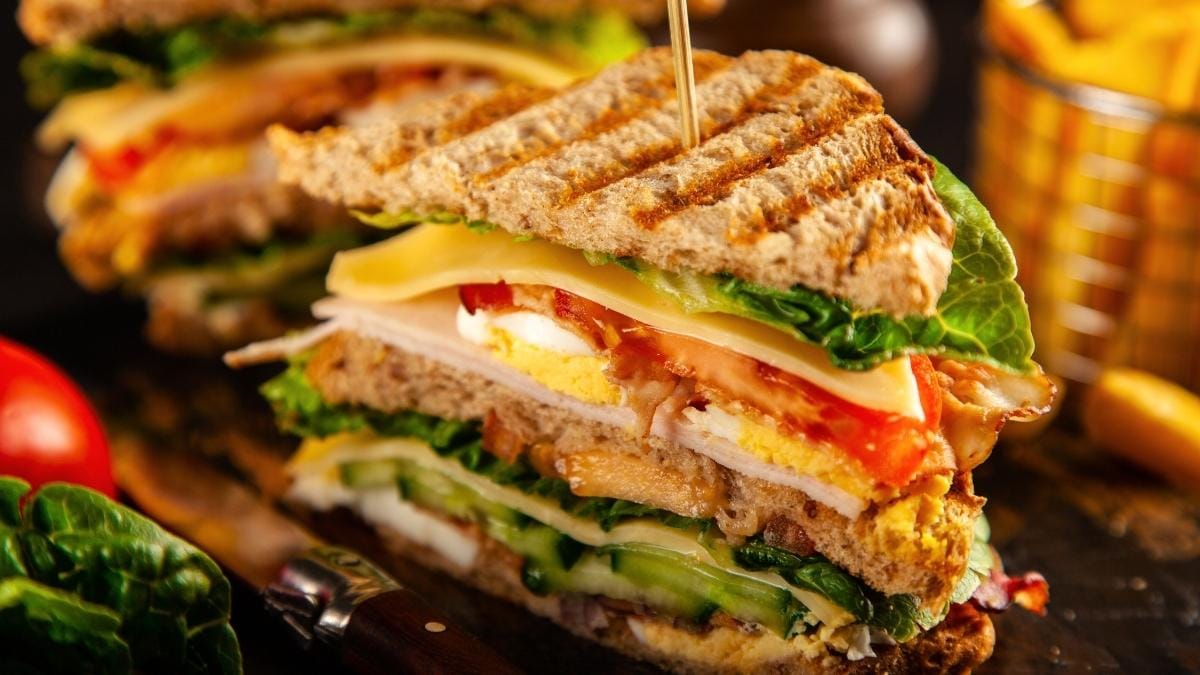
Dinner (20-30% of daily calories): Baked fish with roasted vegetables. Smaller portions. Light but satisfying.
Skip the Junk
Processed foods spike blood sugar and wreck your metabolic health. White bread, sugary snacks, and fast food mess up the timing benefits. Stick to whole foods. Drink water between meals, not soda or juice.
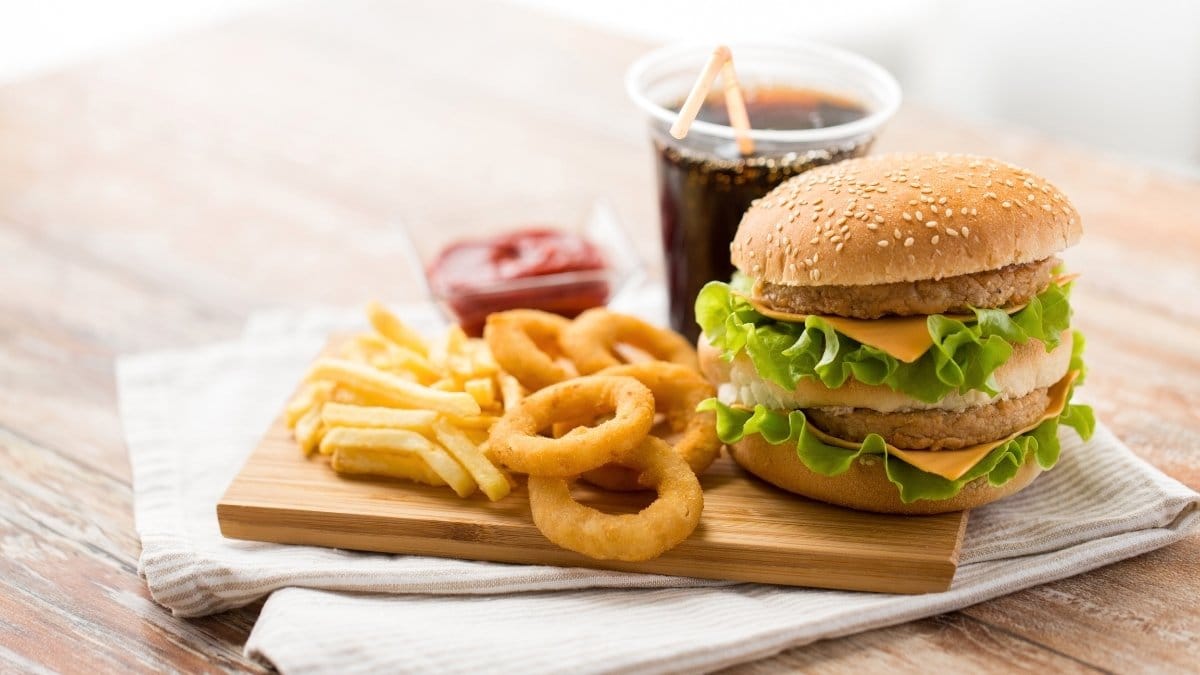
Quality ingredients make this schedule work better.
Common Mistakes to Avoid
Even with good intentions, these mistakes will ruin your progress.
Skipping Breakfast
This is the worst thing you can do. It breaks your circadian rhythm meal schedule. You’ll overeat at lunch and dinner. Studies link skipping breakfast to higher heart disease risk.
Your body thinks it’s starving. It holds onto fat all day.
Eating After 9 PM
Late dinners increase heart disease risk and kill fat burning. Your body doesn’t process food well at night. You’ll sleep worse too. Stop eating by 7:30 PM.
Weekend Meal Time Changes
Eating at different times on weekends resets your progress. Saturday brunch at 11 AM when you usually eat at 7 AM confuses your body. Irregular meal times increase diabetes risk.
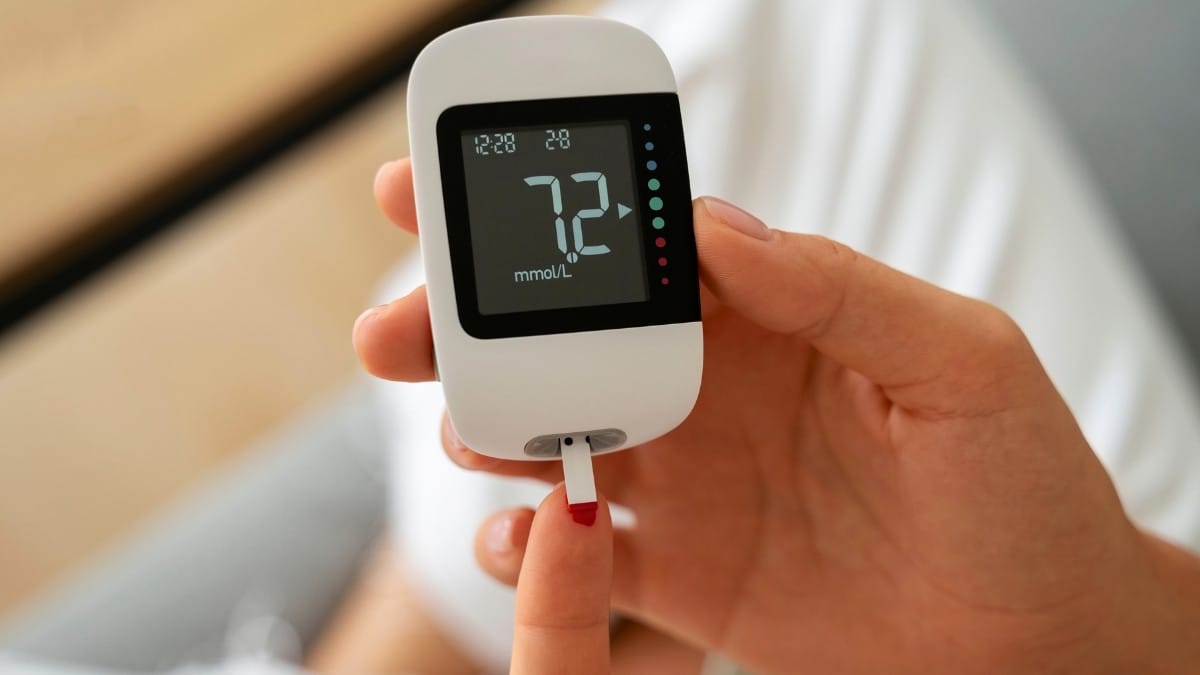
Stick to your schedule seven days a week.
Constant Snacking
Random snacking causes high blood pressure, diabetes, and weight gain. Your insulin stays high all day. Your body never burns fat. Eating same time daily means no grazing between meals.
Eating Window Over 14 Hours
Keep your eating window to 10-12 hours max. 6 AM to 8 PM is too long. Try 7 AM to 6 PM instead.
How to Start Your Consistent Meal Timing Schedule Tomorrow
Ready to start? Here’s your step-by-step plan.
Week 1: Track What You Do Now
Write down when you eat for 7 days. Include energy levels, hunger, and cravings. You’ll spot patterns. Maybe you skip breakfast and crash at 2 PM. Maybe you eat dinner at 9 PM and sleep badly.
Know your problems before you fix them.
Week 2: Pick Your Three Meal Times
Choose times that fit your life. Work at 8 AM? Eat breakfast at 6:30 AM. Get home at 5 PM? Eat dinner at 6 PM. Set three phone alarms for your meal times. Your body needs to know when food is coming.
Stick to these times every day, including weekends. This is where most people fail.
Week 3-4: Fine-Tune Your Schedule
You don’t need to be perfect. A 30-minute window is fine. 7 AM or 7:30 AM both work. Adjust portion sizes if you’re too hungry or too full. Track how you feel.
Meal prep on Sundays. Store food in containers. Pack meals for work. Tell your family your schedule so they don’t pressure you to eat at random times.
When Life Gets Messy
Social dinners and travel will happen. Eat off schedule once, then get back on track the next meal. Choose restaurants with early dinner times. Pack protein bars and fruit for travel days.
Find an accountability partner who’s doing eating same time daily too.
Expected Results and Timeline
Here’s what to expect week by week.
Week 1-2: The Adjustment Phase
You’ll feel weird hunger at odd times. Your body is confused. Energy might drop or spike randomly. This is normal. Push through.
Week 3-4: Things Click
Hunger comes right before meal times. No more random cravings. Your energy stays steady all day. You’ll notice you’re not thinking about food constantly.
Month 2-3: Real Changes Show Up
Expect 1-2 kg of regular meal times weight loss over 12 weeks. Your digestion works better. You sleep deeper. Blood sugar stays stable without trying.
Weigh yourself weekly, not daily.
Month 3+: Long-Term Wins
Your cholesterol improves. Heart disease risk drops. Consistent meal timing metabolism becomes automatic. You won’t want to eat at random times anymore.
Get bloodwork done at 3 months to see the proof.
Final Thought:
The secret isn’t what you eat. It’s when you eat it.
2024 research with thousands of people proves it. Eating same time daily works. Breakfast before 8:30 AM. Lunch at noon. Dinner before 7:30 PM. This circadian rhythm meal schedule fixes your blood sugar, boosts energy, and cuts disease risk.

Start tomorrow morning. Pick your three meal times. Set phone alarms. Stick to the schedule for 7 days straight. Track how you feel.
Your body will adjust. Your consistent meal timing metabolism will improve. Give it one week.