

Inflation has made grocery shopping harder than ever, but eating healthy doesn’t have to drain your wallet.
Many people want better health but feel stuck because food prices keep rising. You might think healthy eating is expensive, but that isn’t always true.
This guide shows you budget-friendly healthy foods backed by real data from USDA, Harvard, and Cleveland Clinic, so you can start healthy eating on a budget without stress.
Whole Grains That Deliver Maximum Nutrition for Minimum Cost
Whole grains are one of the easiest ways to eat better without spending much. Many people skip them because they think healthy food costs more. But grains like oats, brown rice, and barley stay cheap even when other groceries go up.
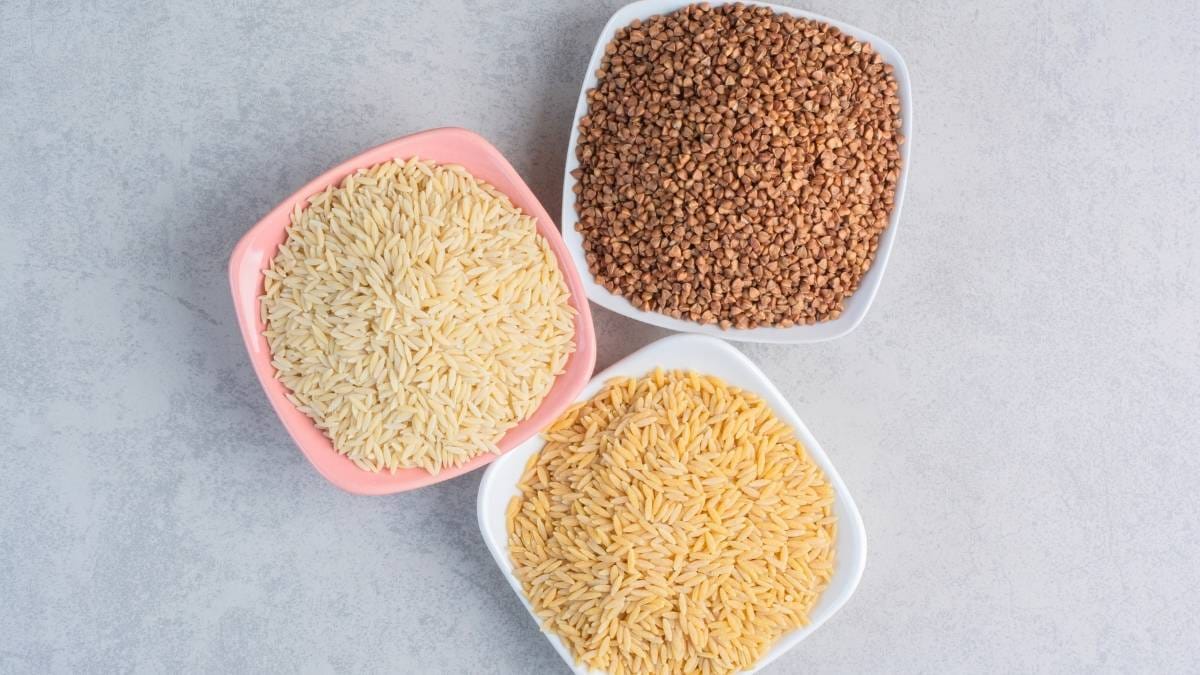
And here’s why that matters. These grains give you steady energy, more fiber, and better blood sugar control at a low price.
USDA 2024 data shows that oats cost about $0.14 per serving, which makes them one of the most budget-friendly healthy foods you can buy.
Brown rice and barley stay in the same price range, which makes them smart staples when you want affordable nutrient-dense foods.
Harvard reports that eating whole grains can cut your heart disease risk by up to 22%, which is a big win for such cheap foods.
You also get better digestion, longer fullness, and fewer energy crashes. One bowl of oats in the morning can keep you full for hours. Brown rice keeps your blood sugar steady.

Barley adds fiber that supports gut health. These benefits come from simple foods that fit whole grains on a budget.
You can use whole grains in quick meals that don’t take effort. Try overnight oats with fruit. Make a rice bowl with eggs or beans. Cook barley soup with carrots and onions. These meals cost under a dollar per serving but give you real nutrition.
If you’re trying to stretch your food budget, whole grains belong in your kitchen. They’re cheap, filling, and backed by strong research.
High-Protein Foods That Are Cheaper Than Meat
Protein prices keep rising, and that makes it harder for you to eat well without going over budget. Meat costs more in 2025, so many people feel stuck.
But there are smart cheap healthy foods that give you the same protein value for a much lower price. And this is where plant-based protein helps you save real money.
FAO and USDA data show that lentils give you 18g of protein per cooked cup for under $0.30 per serving, which makes them one of the most affordable nutrient-dense foods you can buy.
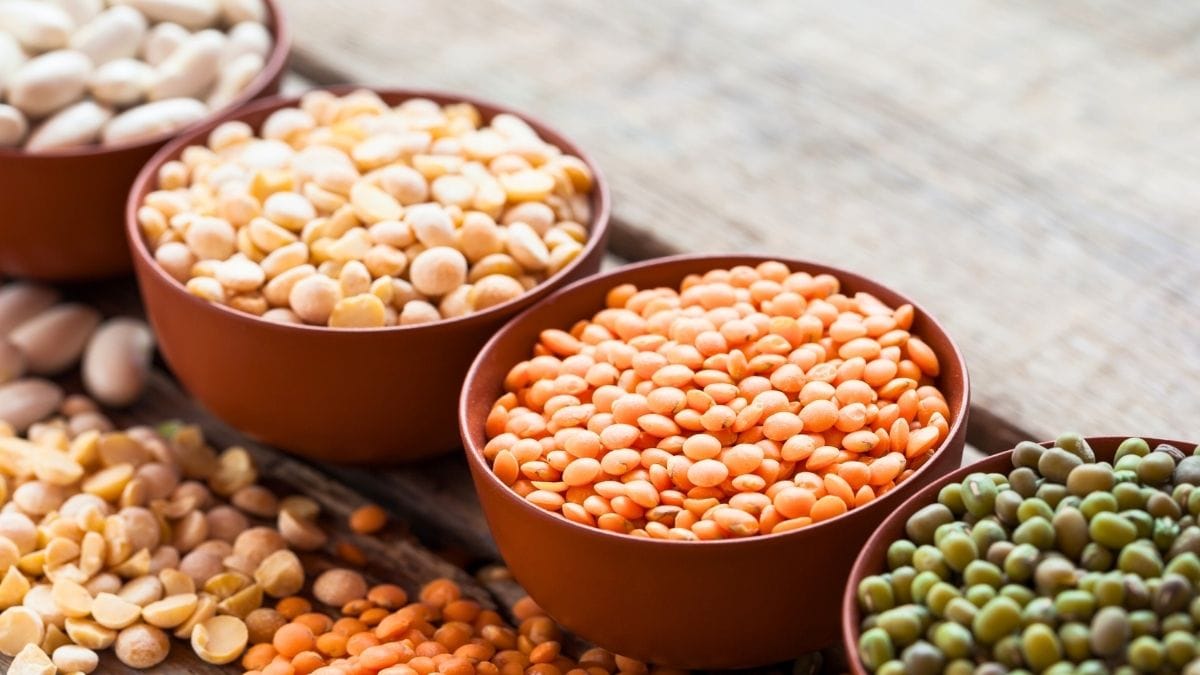
Beans and chickpeas fall in the same range. A 2023 study in the journal Nutrients found that chickpeas can lower LDL cholesterol by 5–8%, which supports heart health.
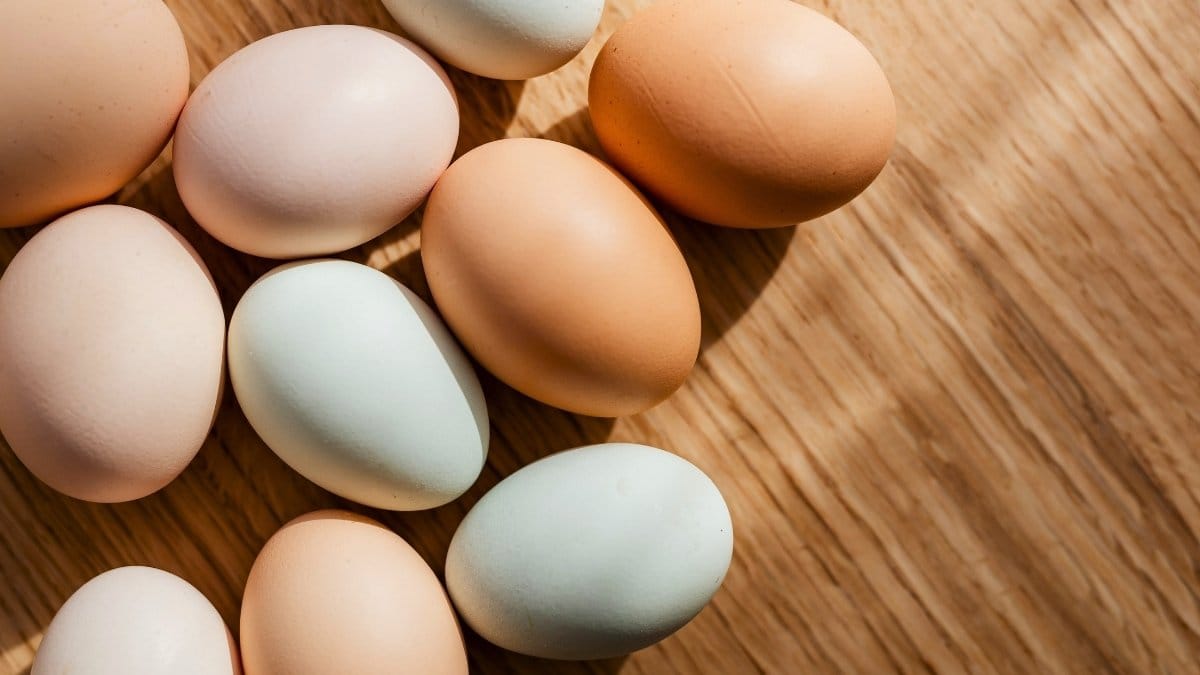
Eggs are also reliable, costing around 20–30 cents each in most markets in 2025, and they remain one of the best cheap protein foods.
Protein helps your body burn calories more efficiently. It keeps you full longer. It supports muscle repair. This is why you feel more satisfied after eating a protein-rich meal.
Lentils and beans also give you iron, folate, fiber, and slow-burning carbs. Eggs add vitamin B12 and healthy fats.
You can meal prep these foods easily. Cook a large batch of lentils for the week. Add spices and make lentil curry.
Use chickpeas for salads or mash them for a quick spread. Make bean chili for a filling dinner. Hard-boil eggs for fast snacks.
If meat feels too expensive, these foods give you the same strength and fullness without the cost. They stretch your budget, last longer in your pantry, and help you stay healthy with simple meals that anyone can make.
Vegetables That Offer Huge Nutrient Value for Low Cost
Vegetables are the simplest way to add more nutrients to your meals without raising your grocery bill.
Many people think veggies are expensive, but plenty of budget-friendly healthy foods cost less than processed snacks. And this is where smart choices help you save real money.
Carrots, cabbage, sweet potatoes, spinach, and onions are some of the most affordable vegetables around.
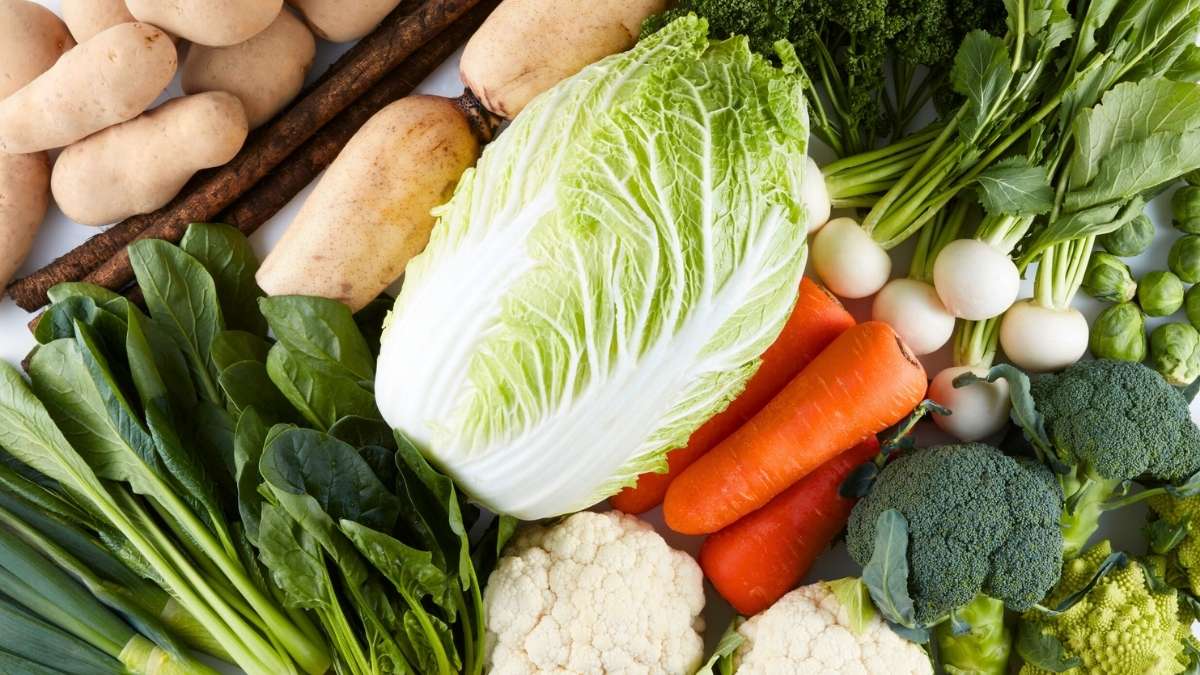
FAO lists cabbage as one of the top 5 cheapest vegetables globally. Sweet potatoes often stay under $1 per pound, based on the 2024 Food Price Outlook. These foods give you vitamins, minerals, and steady energy at a low cost.
Seasonal produce is even cheaper. Prices drop when farms harvest more. For example, carrots and spinach cost less during major growing months. Buying in season helps you get fresher food for less money.
Frozen vegetables are a smart pick when fresh produce is too pricey. A 2023 University of California study found that frozen vegetables keep 90–100% of their nutrients. They also last longer, which cuts waste and saves money. You can use them in soups, stir-fries, and smoothies without losing nutrition.

Fiber-rich vegetables help your stomach work better. They keep you full, which helps with weight control. Carrots, cabbage, and sweet potatoes all add fiber that supports digestion.
You can make cheap meals in minutes. Try cabbage stir-fry with eggs. Make sweet potato and spinach bowls with rice. Use mixed frozen vegetables for quick fried rice. These meals are cheap, fast, and filling.
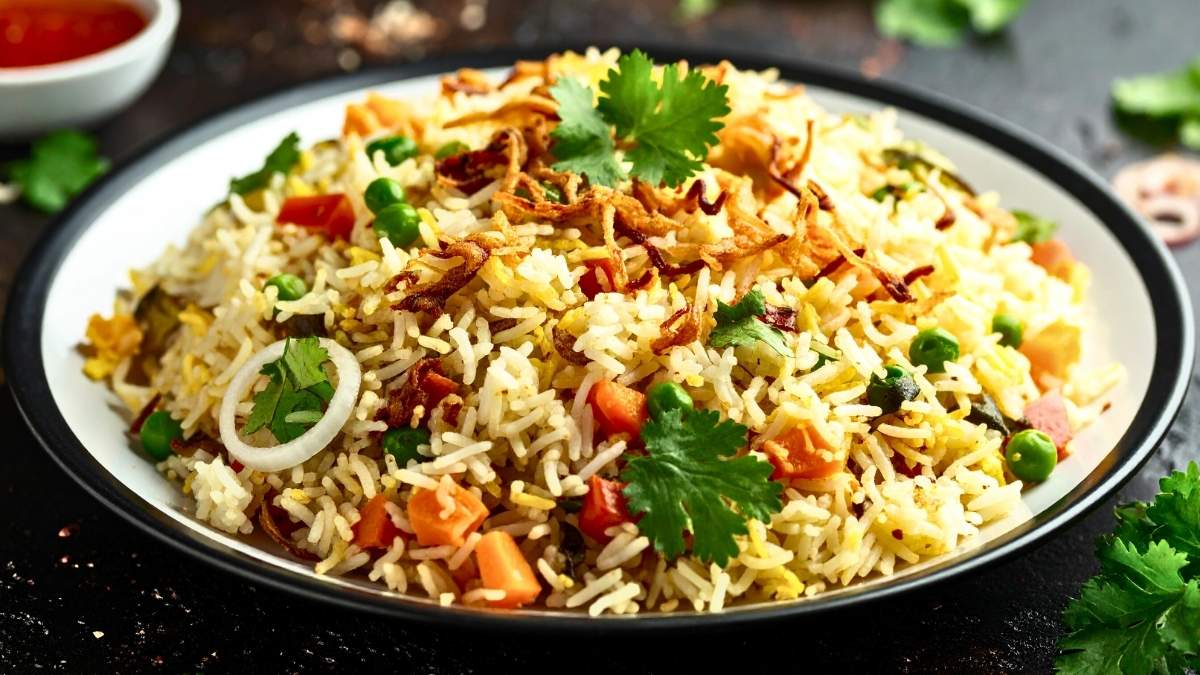
If you want healthy eating on a budget, vegetables give you real value for very little money. They stretch your meals, add flavor, and support your health with simple daily habits.
Budget-Friendly Fruits That Pack High Antioxidants
Fruit is one of the easiest ways to eat healthy without spending much. Many people skip fruit because they think it costs too much. But several cheap fruits stay affordable year-round, and they give you strong antioxidant support.
Bananas, apples, oranges, and frozen berries are the best budget-friendly healthy foods in this category.
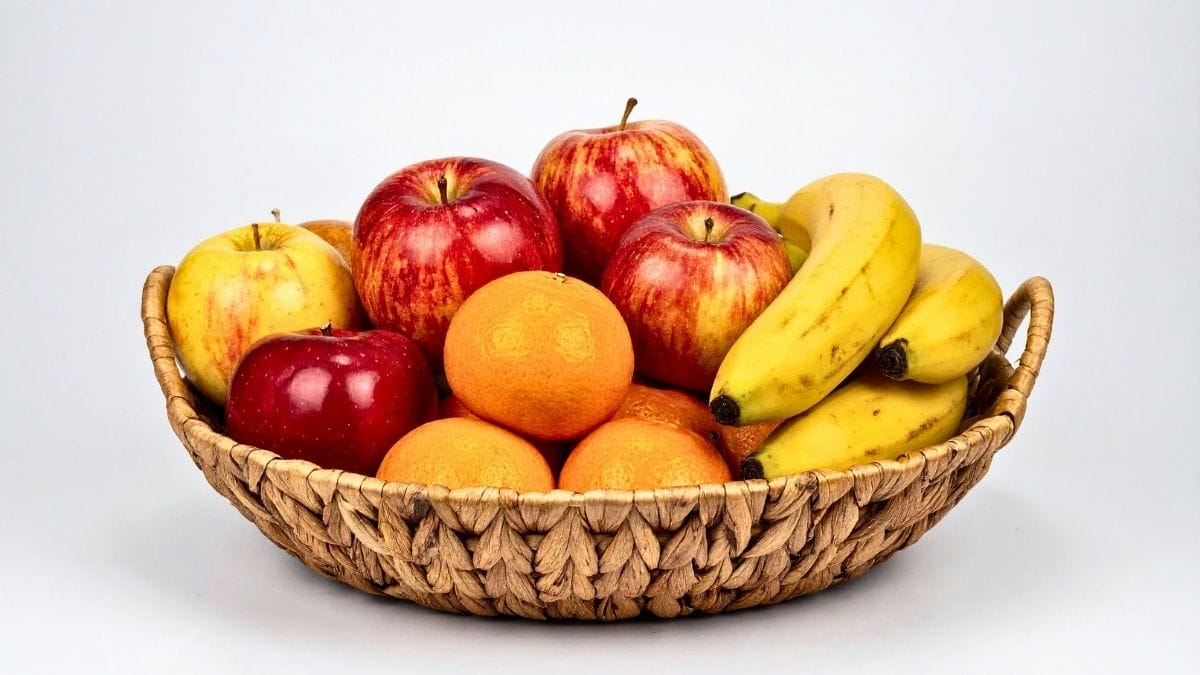
Bananas stay steady at $0.20–0.25 each in most places. A medium apple gives you 4g of fiber, which helps digestion. Oranges provide 92% of your daily vitamin C, which supports your immune system. Frozen berries are a smart buy too. Consumer Reports found they cost 40–60% less than fresh berries in 2024–25.
These fruits are rich in antioxidants that help lower inflammation. This matters because inflammation affects your skin, energy, and long-term health. Vitamin C also helps your body fight illness and recover faster.
You can stretch your money by storing fruit the right way. Keep bananas away from other produce to slow ripening. Refrigerate apples and oranges to keep them fresh longer. Freeze berries in small bags so you can use a little at a time.
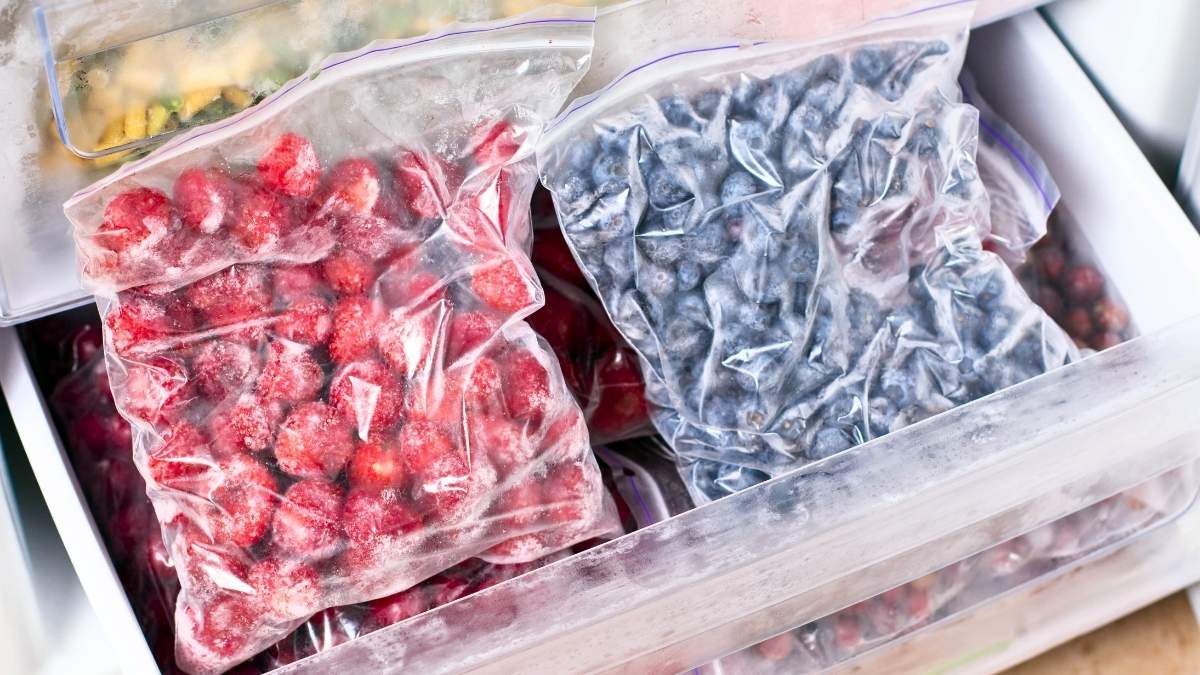
You can use these fruits in quick snacks. Make yogurt with apples or bananas. Blend frozen berries into a simple smoothie. Eat an orange before work for a fast energy boost.
If you want affordable nutrient-dense foods, fruit gives you big benefits for little cost. Simple habits like adding one fruit a day can improve your health without hurting your budget.
Healthy Fats That Are Still Affordable in 2025
Healthy fats can feel expensive, and that’s a big problem when you’re trying to eat well on a tight budget. But the good news is that some of the cheapest items in stores are also great sources of healthy fats your body needs.
Your body uses healthy fats for hormones, brain function, and skin repair. And here’s why that matters: low-fat diets can leave you tired, moody, and hungry all day.
Peanut butter is one of the best cheap healthy foods.

It costs about $0.10–0.12 per tablespoon and gives you steady energy. Sunflower seeds are another smart pick. FAOSTAT lists them as one of the cheapest seeds worldwide, and they add crunch to salads or yogurt.
Flaxseed is a powerful budget-friendly food. One tablespoon gives you 2.3g of ALA omega-3 (NIH), which supports your heart and fights inflammation.
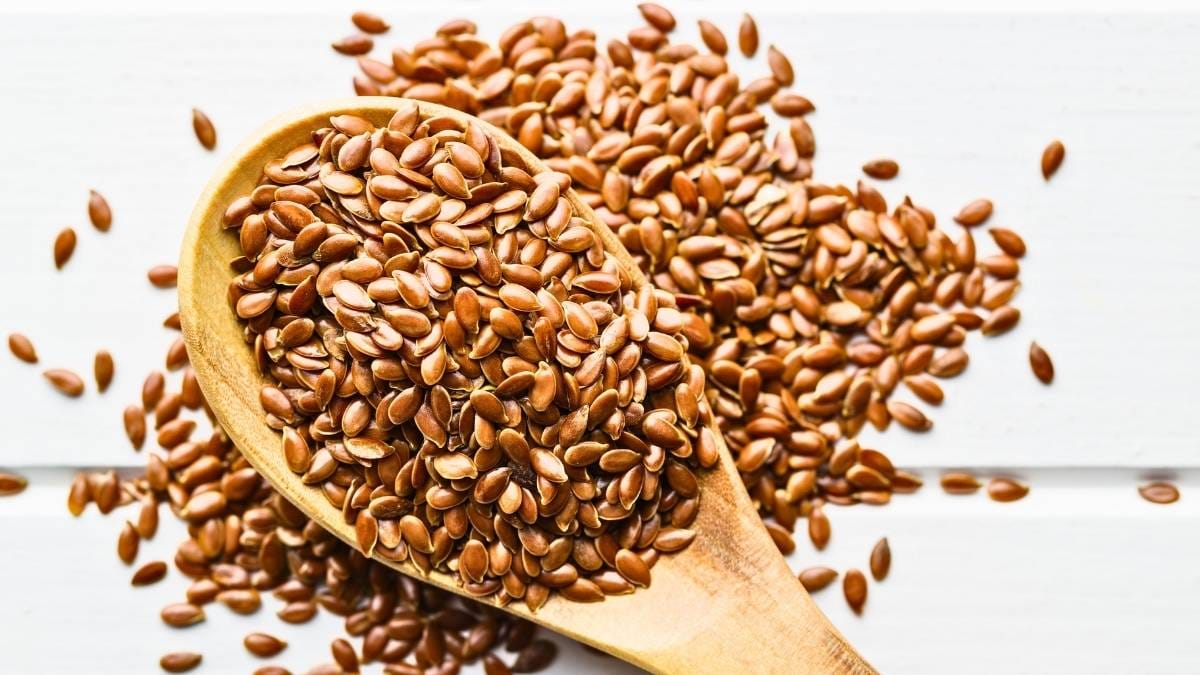
These seeds stay fresh for weeks, so you won’t waste money. Olive oil can feel pricey, but buying a small bottle helps you control portions and keep costs low.
You can add these affordable healthy fats to many meals. Stir peanut butter into oatmeal. Sprinkle sunflower seeds on vegetables. Add flaxseed to a smoothie. Use a teaspoon of olive oil when cooking eggs, pasta, or veggies.

These affordable nutrient-dense foods help you eat healthy without pushing your budget. Small daily choices give you real results.
Smart Shopping Tips to Eat Healthy on a Tight Budget
Healthy eating feels stressful when prices keep rising. You want good food, but your budget pulls you back. The right budget grocery tips can cut costs without cutting nutrition, and that’s the part most people miss.
Buy in bulk when it makes sense. Rice, oats, and beans stay fresh for months, and bulk bags cost far less per serving. USDA reports that choosing store-brand foods instead of name brands can save 15–25% right away.
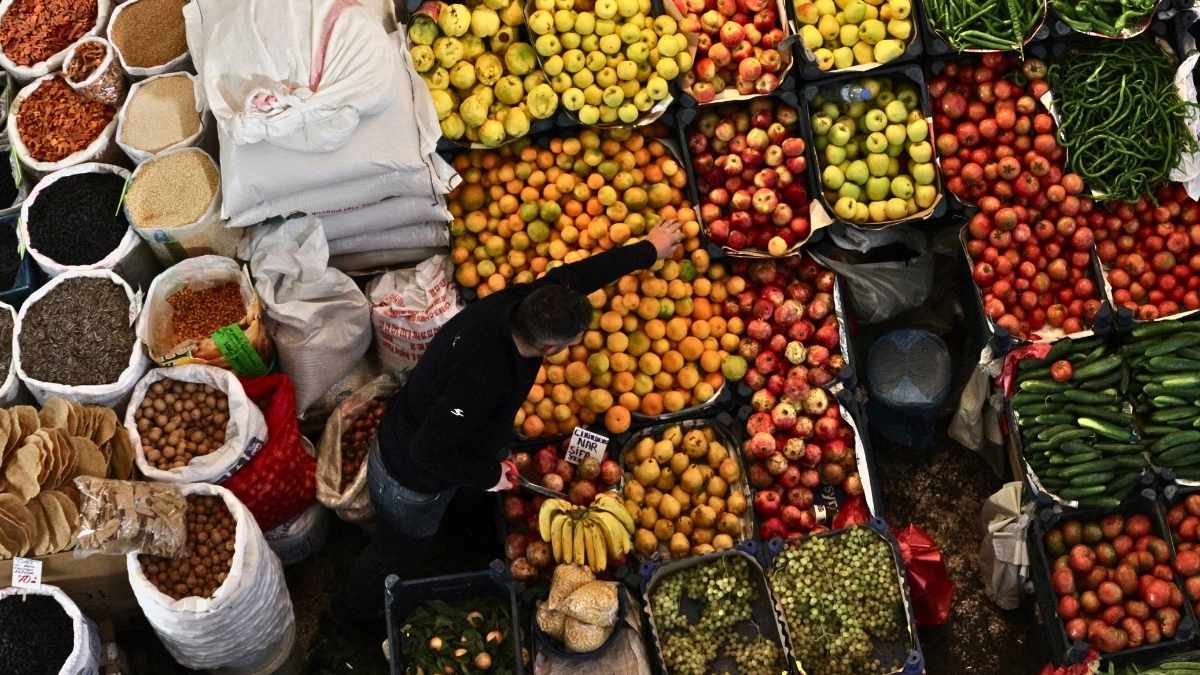
Cooking once and eating the same food for 2–3 meals also protects your wallet. The EPA says meal prepping can reduce weekly food waste by up to 40%, which means you stop throwing money in the trash.
Check unit pricing every time you shop. One item may look cheaper, but the price per gram or ounce often tells a different story. Apps like Flipp, Basket, and Instacart help you compare prices in 2025, so you know where the best deals are before you leave home.
Freezer storage is a quiet money saver. It can extend cooked meals for 2–3 months, which helps you build backup meals for busy days. Store food in airtight containers so leftovers last longer.
These simple steps help you choose budget-friendly healthy foods and cut your monthly bill without giving up cheap healthy foods that keep you full and energized.
As a Final Note:
Healthy eating doesn’t have to be expensive. Simple foods like grains, beans, vegetables, fruits, and seeds give your body everything it needs. And that’s the point many people miss. You can build strong meals with budget-friendly healthy foods without stressing over prices.
Pick one cheap healthy food today and add it to a meal. Keep it small and easy.
Then try a 7-day budget health challenge and see how much better you feel.
Small steps make healthy eating on a budget possible for anyone.