
You’ve cut your calories to 1,200 a day. You’ve tracked every bite for three months. The scale hasn’t budged.
You’re not imagining things.
After 50, your body changes. The calorie counting after 50 that worked in your 30s stops working. You eat less but gain weight. You hit frustrating weight loss plateaus that won’t break.
Why? Your metabolism fights back through metabolic adaptation.
Here’s what you’ll learn: why calorie counting fails, how hormones sabotage your efforts, and four strategies that actually work for sustainable weight loss and longevity.
Why Calorie Counting Triggers Metabolic Adaptation Over 50
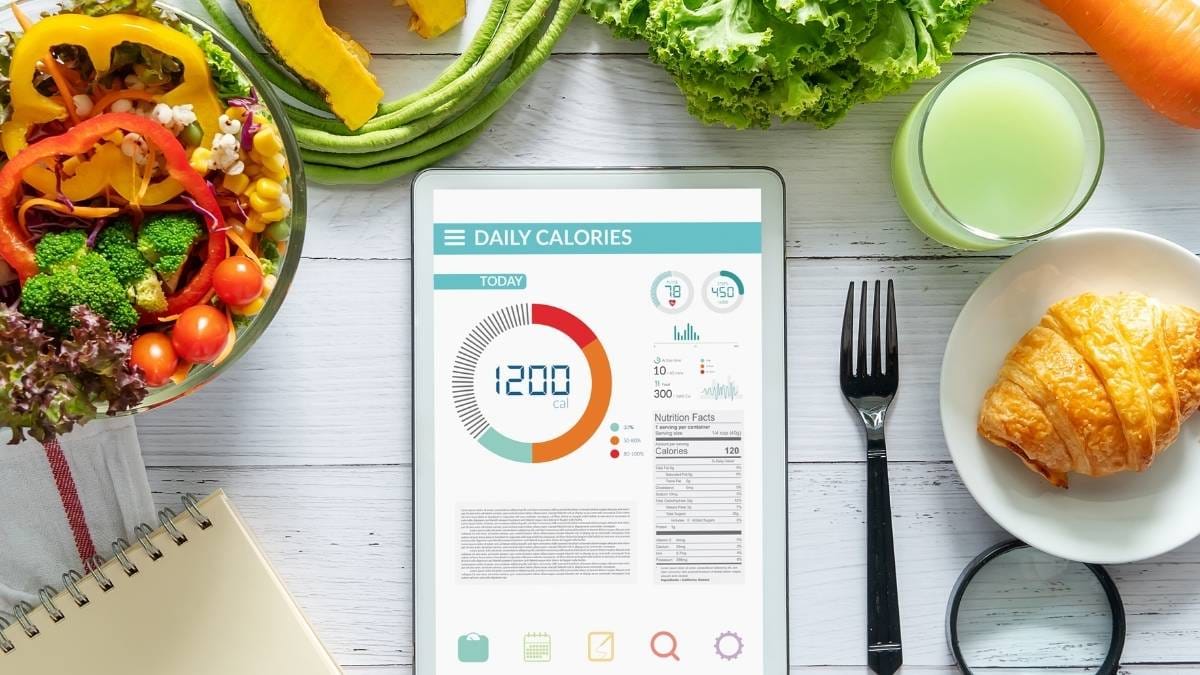
Sarah ate 1,200 calories a day for six months. She lost 15 pounds in the first two months. Then nothing. The scale stopped moving even though she ate the same amount.
Her metabolism slowed down on purpose.
Here’s what happens. When you cut calories, your body thinks you’re starving. It protects you by burning fewer calories. Think of it like a thermostat turning down the heat to save energy.
The CALERIE study tracked people who cut calories for two years. They burned 80-120 fewer calories per day than expected. That’s on top of the normal slowdown from weighing less.
After 50, metabolic adaptation over 50 gets worse. A 2024 study found your metabolism slows by 50-100 calories for every 10% of body weight you lose. Lose 15 pounds? Your body now burns 50-100 fewer calories daily.
This happens fast. One study showed metabolic adaptation kicked in after just three weeks of calorie restriction metabolism changes.
People burned 108 fewer calories per day. When they started eating normally again, their resting metabolic rate only recovered by 20 calories.
Here’s the worst part. This slowdown sticks around. Even after you regain the weight, your metabolism stays slower. Your body remembers the “starvation” period.
This isn’t broken. Your body works exactly as designed. It protects you from what it sees as danger.
But metabolism isn’t the only factor working against calorie counting after 50.
Four Hormonal Changes That Make Calorie Counting Fail After 50
Your metabolism slowdown isn’t the only problem. Three other changes happen in your body that make calorie counting even harder.
1. Estrogen Drops (For Women)

After menopause, estrogen levels crash. This causes a 10-20% increase in how your body breaks down fat.
Sounds good, right? But here’s the catch. That same estrogen drop makes you store more belly fat. The dangerous kind that wraps around your organs.
Your metabolism also slows down. These hormonal changes metabolism over 50 work against you, not for you.
2. Testosterone Declines (For Men)
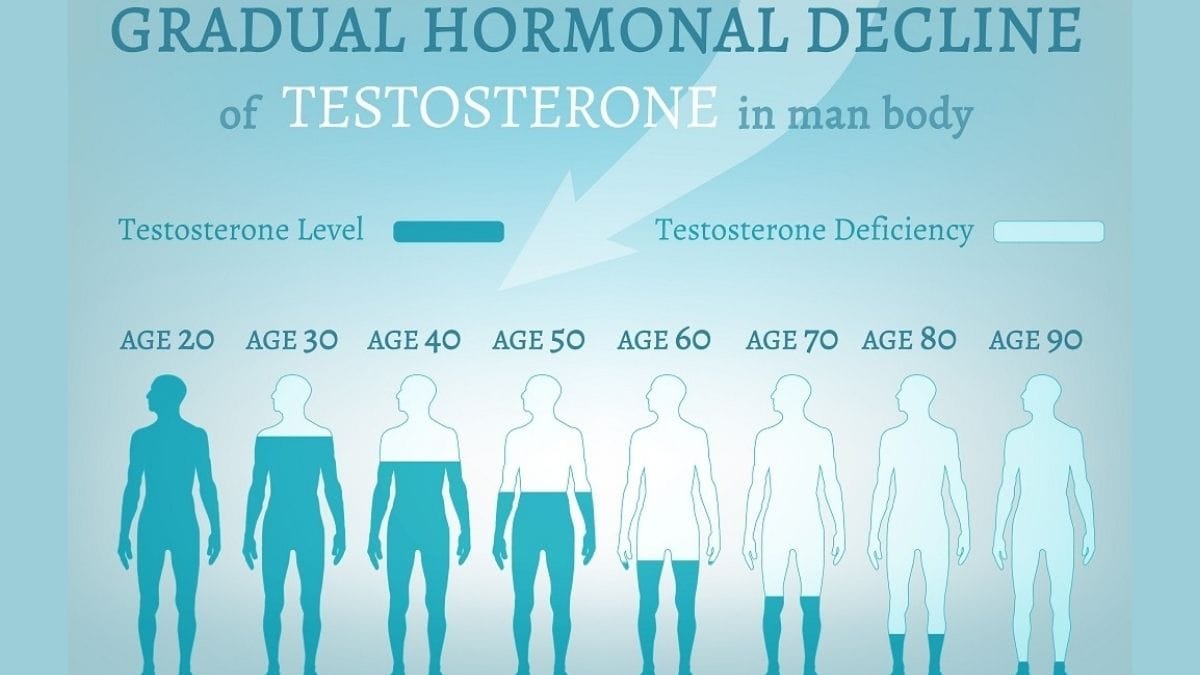
Men lose testosterone at 1% per year after age 30. Free testosterone drops even faster at 2% yearly. Less testosterone means less muscle mass. Less muscle means your body burns fewer calories at rest.
By age 60, you’ve lost 30% of your testosterone. That’s a big hit to your metabolic rate.
3. Muscle Loss Happens to Everyone

Starting at 40, you lose 3-8% of muscle mass every decade. By your 80s, you could lose up to 50% of your muscle.
This muscle loss after 50 destroys your metabolism because muscle burns calories 24/7, even while you sleep.
Lose 10 pounds of muscle? Your body now burns 50-70 fewer calories per day doing nothing.
4. Sleep Gets Worse

Are you sleeping less than 7 hours? Poor sleep quality weight loss becomes a real issue. Bad sleep increases ghrelin, your hunger hormone. It decreases leptin, which tells you you’re full.
A 2023 study found that poor sleep predicted weight regain after weight loss. You work hard to lose weight, then bad sleep brings it back.
The Perfect Storm
These four changes happen at the same time. Your metabolism slows. Hormones shift. Muscle disappears. Sleep suffers. Calorie counting alone can’t fix this.
But here’s the good news. Specific strategies can.
Why Protein Intake Matters More Than Calories After 50
Forget counting calories. Count protein grams instead.
After 50, your body needs more protein to keep muscle. The old recommendation of 0.8 grams per kilogram doesn’t work anymore. You need 1.2-1.6 grams per kilogram of body weight daily.
Here’s the math. Weigh 150 pounds? That’s 68 kilograms. You need 82-109 grams of protein every day.
Why This Works
A 2024 study found protein intake for muscle preservation above 1.3 g/kg stopped muscle loss during weight loss. Below 1.0 g/kg? You lost muscle fast.
Protein also burns calories just by being digested. Your body uses more energy to break down protein than carbs or fat. Free calorie burn.
How to Eat Protein
Don’t eat all your protein at dinner. Spread it out. Women need 25 grams per meal. Men need 30 grams. This triggers muscle protein synthesis three times daily instead of once.
Sample Day:
- Breakfast: 3 eggs + Greek yogurt = 28g
- Lunch: Grilled chicken breast (4 oz) = 35g
- Dinner: Salmon (5 oz) + lentils = 38g
- Total: 101g protein
Best Protein Sources:
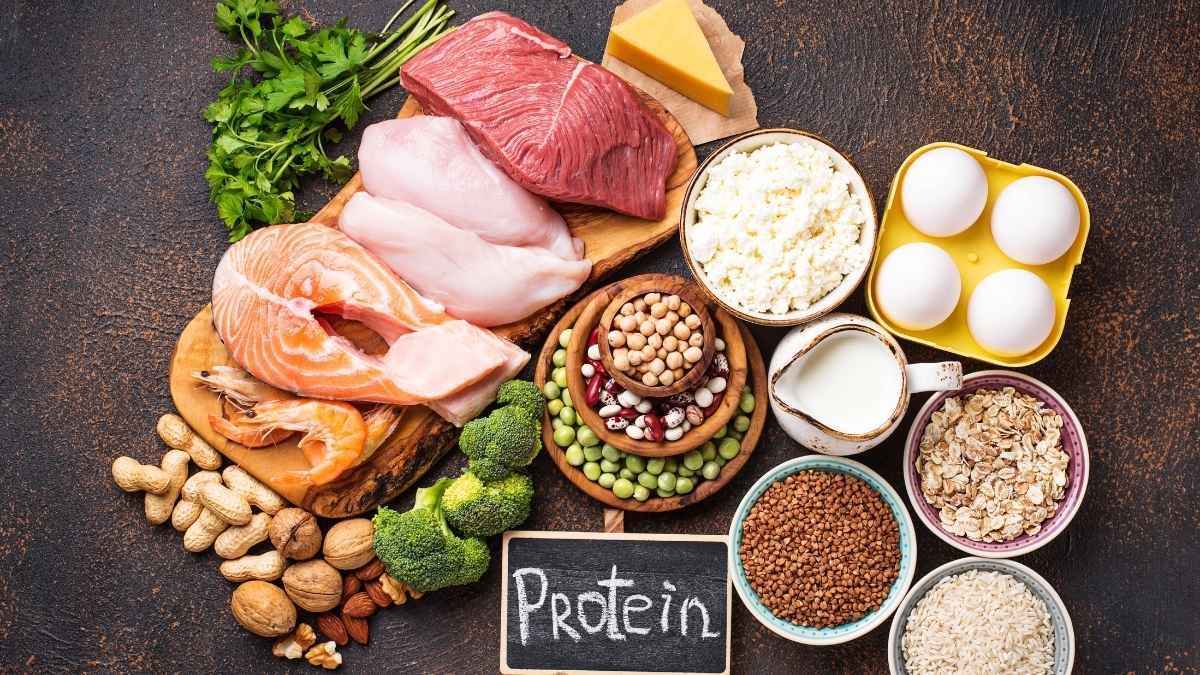
- Chicken breast (4 oz): 35g
- Greek yogurt (1 cup): 20g
- Salmon (5 oz): 33g
- Eggs (3 large): 18g
- Cottage cheese (1 cup): 28g
- Lean beef (4 oz): 32g
- Tuna (5 oz): 40g
- Lentils (1 cup): 18g
Worried about your kidneys? Don’t be. Research shows healthy adults handle higher protein requirements after 50 with no kidney problems.
Protein preserves muscle. Muscle keeps metabolism high. It’s that simple.
Resistance Training for Longevity: The Ultimate Metabolism Booster After 50

Want to live longer? Lift weights.
Just 30-60 minutes of resistance training longevity work per week increases your life expectancy by 10-17%.
That’s from a 2021 review of 16 studies. Even better, 90 minutes weekly slows biological aging by almost four years.
Women who strength training after 50 for 2-3 days per week cut their cardiovascular death risk by 30%. This isn’t just about looking good. It’s about staying alive.
Why It Works
Resistance training builds muscle. More muscle mass metabolism means you burn more calories all day, even while sleeping. One year of heavy resistance training preserved muscle function for up to four years in older adults.
You can even start at 70 and reverse muscle loss. It’s never too late.
How to Start
Do 2-3 sessions per week. Focus on big movements that work multiple muscles.
Beginner Workout (20 minutes):
- Squats: 2 sets of 8-12 reps
- Push-ups (wall or knee): 2 sets of 8-12 reps
- Dumbbell rows: 2 sets of 8-12 reps
- Planks: 2 sets of 20-30 seconds
Safety Tips:
- Start light. Form matters more than weight.
- Rest 48 hours between sessions.
- Stop if you feel sharp pain.
- Consider one session with a trainer to learn proper form.
What Counts as Resistance Training: Weight lifting, resistance bands, bodyweight exercises, yoga, Pilates, carrying groceries, gardening with heavy tools.
No gym? No problem. Resistance bands cost $15 and work just as well as weights.
The best part? You don’t need hours. Just 30 minutes twice a week changes everything.
How Sleep Quality Affects Weight Loss After 50 (And How to Fix It)

Bad sleep destroys your weight loss efforts. Even if you eat perfectly and exercise consistently.
Here’s why sleep quality metabolism matters so much. When you sleep less than 6 hours, your body loses muscle instead of fat during weight loss.
A study found sleep restriction during calorie deficit increased fat-free body mass loss. You’re working hard but losing the wrong weight.
Poor sleep and weight loss creates a hunger problem too. Less than 7 hours of sleep increases ghrelin (your hunger hormone) by up to 28%. It also decreases leptin (your fullness hormone). You feel hungrier and never satisfied.
The numbers don’t lie. A 2024 study found people with sleep problems had higher BMI, bigger waist measurements, and more body fat. Poor sleep predicted weight regain after one year.
Are You Sleeping Poorly?
- Do you sleep less than 7 hours?
- Wake up 3+ times per night?
- Feel tired during the day?
- Snore loudly?
7-Day Sleep Fix Protocol:
Days 1-2: Set a consistent bedtime. Same time every night, even weekends.
Days 3-4: Cool your room to 65-68°F. Buy a fan if needed.
Days 5-6: No screens 1 hour before bed. Read a book instead.
Day 7: Evaluate your sleep. Track how you feel.
Common Sleep Disruptors After 50:
- Hot flashes (women): Keep room cool, use moisture-wicking sheets
- Frequent urination: Stop drinking fluids 2 hours before bed
- Sleep apnea: See a doctor if you snore loudly
Better sleep makes your protein work harder. It makes your workouts more effective. Fix your sleep, fix your metabolism.
Beyond Calorie Counting: Sustainable Approaches That Work After 50
Stop eating the same low calories every day. Your body adapts and your metabolism crashes.
Try Calorie Cycling Instead
Eat lower calories for 11 days, then normal calories for 3 days. Research shows this produces the same weight loss as constant restriction but with NO metabolic rate decline. Your body never fully adapts.
Sample Week:
- Monday-Thursday: 1,500 calories (lower days)
- Friday: 1,900 calories (normal day)
- Saturday-Sunday: 1,500 calories
- Repeat pattern
Don’t Cut Calories Too Hard
A moderate 500-calorie daily reduction works better than extreme cuts. You can stick with it. Your metabolism doesn’t panic. Sustainable weight loss beats fast crashes every time.
Take Diet Breaks
Lost 5% of your body weight? Stop. Maintain that weight for 3-6 months before losing more. Clinical guidelines show 5% weight loss improves insulin sensitivity. Let your body adapt to the new normal before going lower.
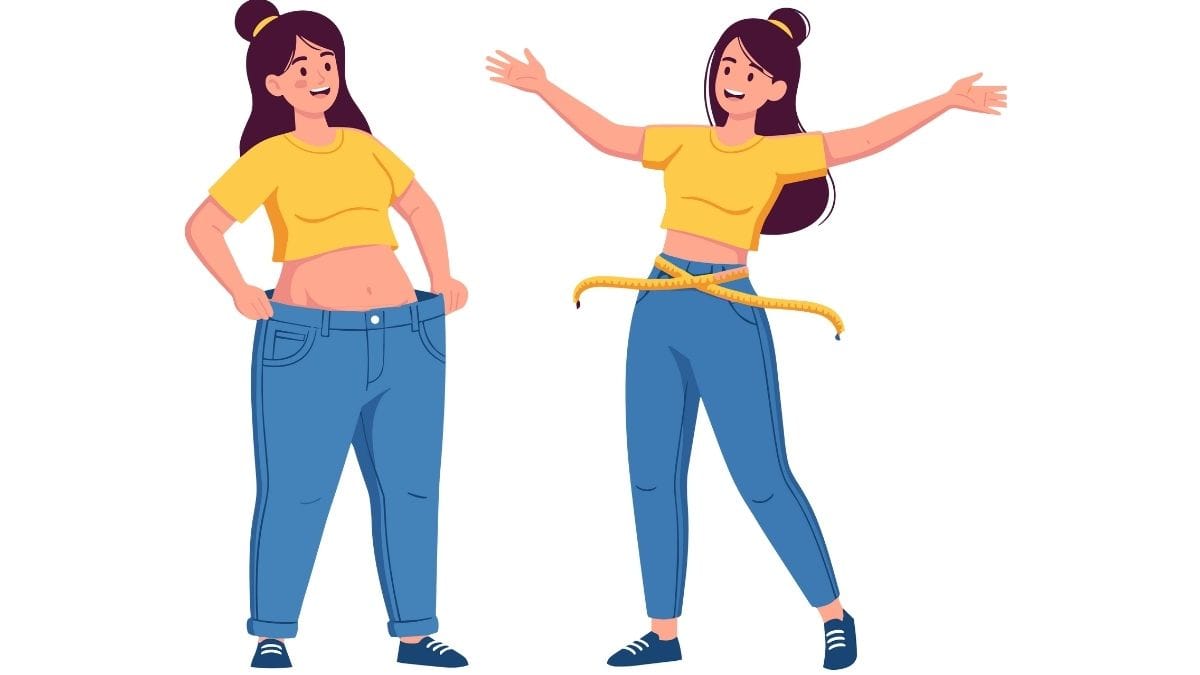
Your metabolism can reset to a new weight if you maintain it for 6-12 months. This is how you keep weight off permanently.
Track More Than the Scale
Track these instead:
- How your clothes fit
- Waist measurement
- Energy levels throughout the day
- Strength gains in the gym
- How many flights of stairs you can climb
Focus on Nutrient Density
Eat foods packed with nutrients per calorie:
- Salmon (omega-3s, protein)
- Spinach (iron, vitamins)
- Blueberries (antioxidants)
- Sweet potatoes (fiber, vitamins)
- Almonds (healthy fats, protein)
Quality matters more than quantity after 50.
Your Evidence-Based 4-Week Plan to Restart Your Metabolism After 50
You know what works. Now let’s do it step by step.
Week 1: Boost Your Protein
- Calculate your protein target (body weight in kg × 1.2-1.6)
- Eat 25-30g protein at each meal
- Track protein daily (use an app or notebook)
- Take starting measurements: weight, waist, how clothes fit
Week 2: Start Lifting
- Add 2 resistance training sessions
- Do 3-4 exercises, 2 sets of 8-12 reps each
- Rest 48 hours between sessions
- Keep tracking protein
Week 3: Fix Your Sleep
- Set consistent bedtime (same time nightly)
- Cool room to 65-68°F
- No screens 1 hour before bed
- Track sleep hours and quality
- Continue protein and workouts
Week 4: Fine-Tune Everything
- Review your progress (not just the scale)
- Add calorie cycling if needed
- Adjust protein or workout intensity
- Plan your next 4 weeks
Realistic Expectations
Aim for 0.5-1% body weight loss per week. That’s 0.75-1.5 pounds weekly for a 150-pound person. Slow wins.
Not Seeing Results?
- Are you eating enough protein at EACH meal?
- Did you actually lift weights twice this week?
- Are you sleeping 7+ hours?
- Are you being honest with portions?
Stay Accountable
- Find a workout partner over 50
- Take progress photos every 2 weeks
- Share your plan with someone who’ll check on you
One step at a time. One week at a time. That’s how you rebuild your metabolism for good.
The Bottom Line
Your metabolism changed after 50. Calorie counting after 50 triggers metabolic adaptation that works against you.
The fix? Eat 1.2-1.6 g/kg protein daily. Lift weights 30-60 minutes weekly. Sleep 7-9 hours. Use calorie cycling instead of constant restriction.
Start small. Boost breakfast protein to 25-30g this week. Add resistance training next week. These strategies don’t just help you lose weight. They help you live longer and stronger.