
The organ most responsible for whether you are sharp, strong, and mobile at 70 is not your heart or your brain. It is your gut. And the clock started at 50.
Right now, you might feel slower digestion. Maybe more bloating. Less energy after meals. Most people assume this is just normal aging and move on. It is normal — but it does not have to become damaging.
What you do for your gut in your 50s quietly programs your health for the next 20 years. That is not an exaggeration. The research published in 2024 and 2025 is very clear on this.
In this article, you will learn why your gut changes after 50, how those changes affect your whole body, and what you can do right now to protect yourself. No hype. No complicated science. Just a clear, honest plan.

What Actually Happens to Your Gut After 50
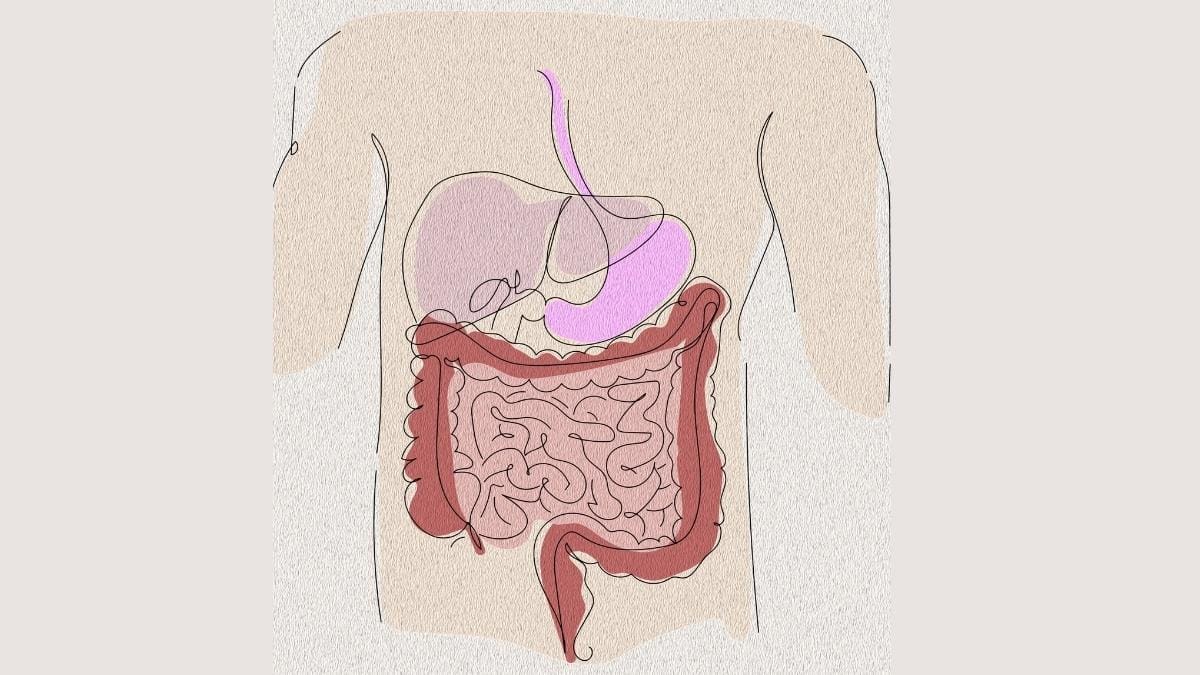
Imagine your gut as a garden. In your 30s and 40s, it is full of diverse, thriving life. After 50, without the right care, weeds start to crowd out the flowers.
Here is what is actually happening inside your body. Beneficial bacteria called Bifidobacteria and Lactobacilli start to drop. Harmful bacteria get more room to grow. Research published in Frontiers in Microbiology (2025) confirmed this pattern clearly.
Your immune system also starts to slow down around this age. Scientists call it immunosenescence. It means your body becomes less effective at fighting infections, and more vulnerable to chronic diseases.
At the same time, your digestive enzymes slow down. Stomach acid shifts. Food moves through your gut more slowly. These are real, measurable changes — not just feelings.
Around 30 to 40 million Americans already live with some form of digestive disease. That is nearly one in seven people. And research tracking gut health in adults over 45 found that bacterial diversity peaks in the 45–49 age group and drops after that.
The good news is your gut responds well to the right habits. Here is what the science says.
3 Quick Tips:
- Eat a different vegetable every day this week to feed gut diversity
- Notice if your digestion slows after certain foods and cut back on those
- Book a basic gut health check with your doctor if you have not done so in two years
Why Your Gut Controls Far More Than Digestion
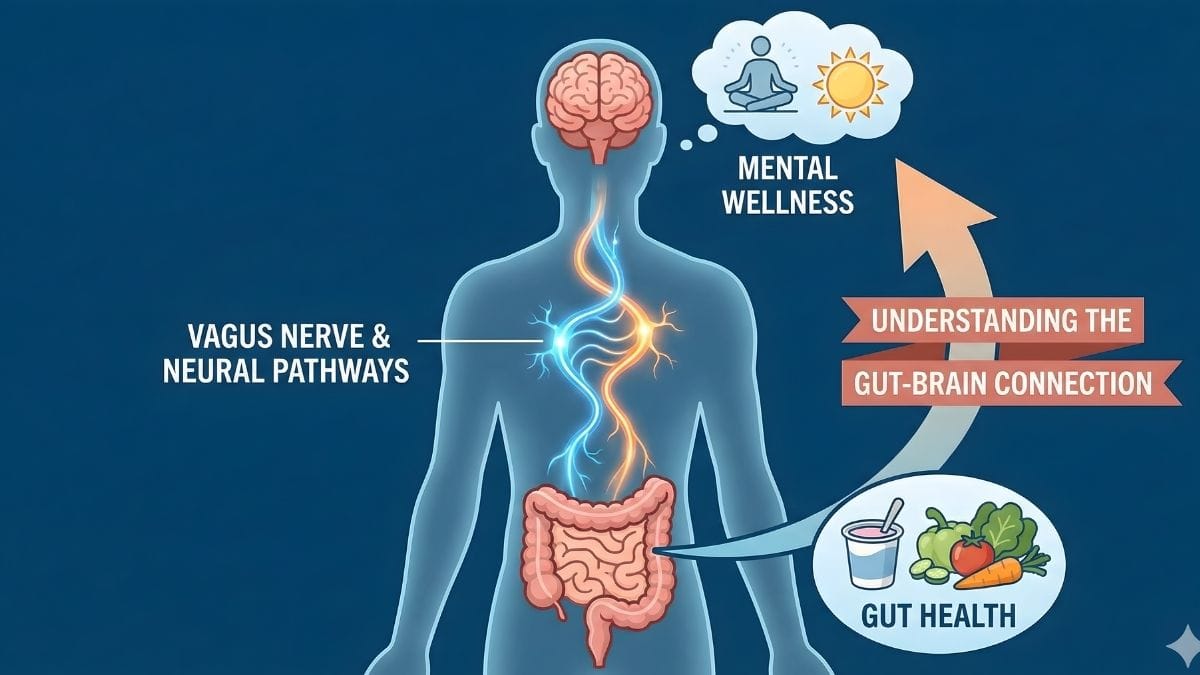
Your gut does not stop at digestion. It is running a second government in your body — managing your immune system, your mood, your metabolism, and your mental clarity.
Your gut bacteria produce short-chain fatty acids, vitamins like B12, K, and folate, and chemicals that directly affect your brain. This is called the gut-brain axis. When your gut bacteria decline, your brain feels it too — through brain fog, low mood, and memory issues.
Researchers at Aging and Disease journal (2025) confirmed that gut microbiome decline is linked to deterioration in the brain, bones, muscles, immune system, and blood vessels. All of them.
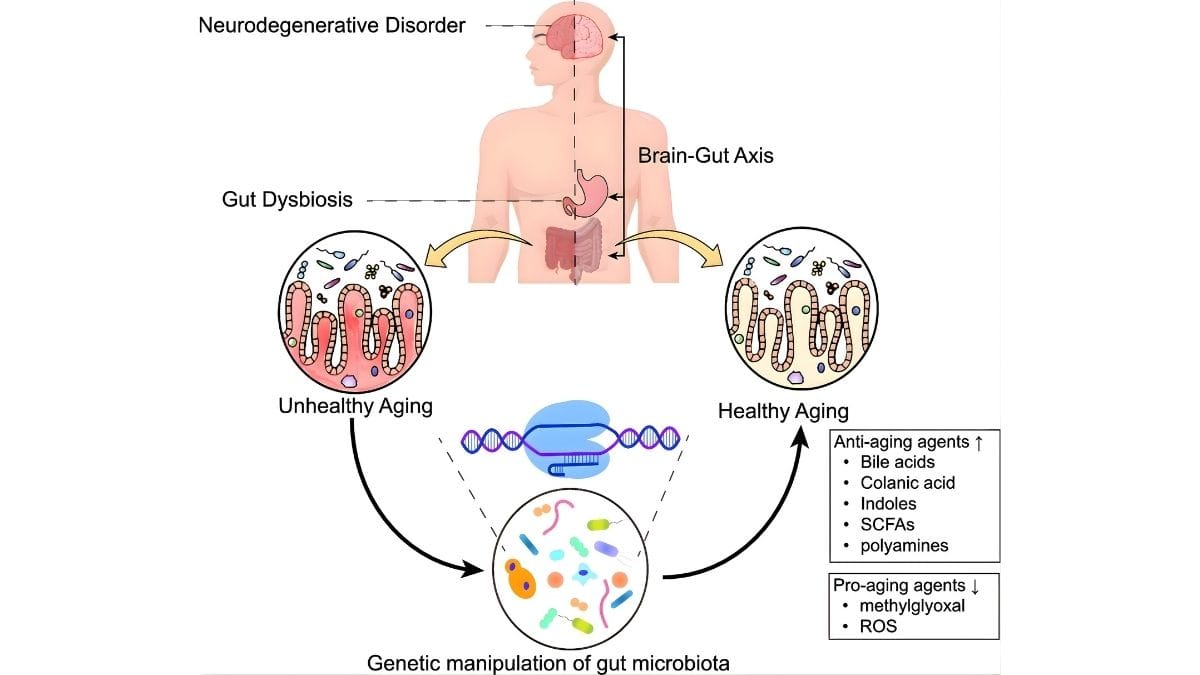
People with healthier, more diverse gut microbiomes had lower bad cholesterol, higher vitamin D, and more protective compounds in their blood — according to research backed by the National Institute on Aging (2024).
This is not a wellness trend. This is biology. Your gut is connected to everything.
When your gut microbiome weakens in your 50s and you do nothing about it, you are quietly setting the stage for who you will be at 70.
3 Quick Tips:
- Take a probiotic with your morning meal three times a week and track how you feel
- Add one omega-3 rich food daily — like walnuts or canned salmon — to support the gut-brain link
- If you feel foggy or low after meals, write it down — it may be a gut signal worth checking
The 5 Biggest Gut Mistakes People Make After 50
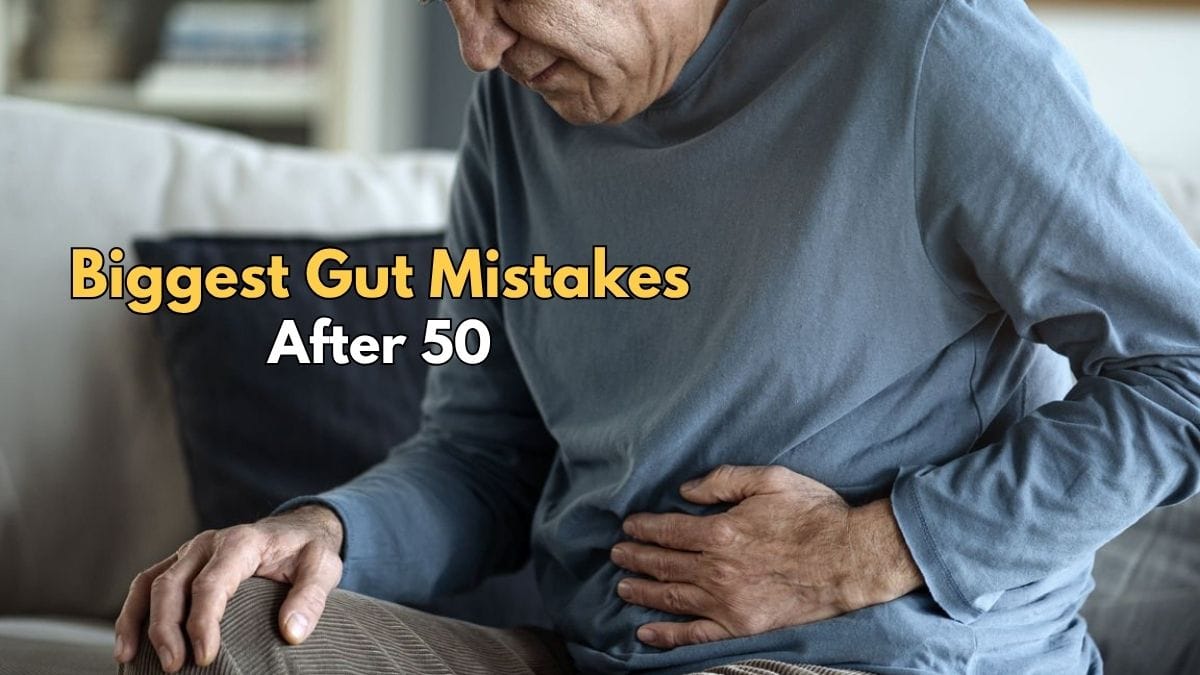
Most of the gut damage that shows up at 70 was not caused by one big event. It was caused by years of small habits that seemed harmless.
Mistake 1: Eating the same diet as in your 30s. Your gut needs more fiber and fermented foods now. What worked before does not cut it anymore.
Mistake 2: Ignoring constipation. Slow movement through your gut destroys the bacteria that protect your gut wall. That leads to body-wide inflammation.
Mistake 3: Over-using antacids and acid blockers. Stomach acid helps you absorb B12, iron, calcium, and magnesium. Long-term use without a doctor’s guidance causes quiet nutritional damage.
Mistake 4: Not recovering after antibiotics. Research shows older adults cannot naturally restore gut diversity after antibiotics without deliberate help. You need to actively rebuild.
Mistake 5: Sitting too much. Physical inactivity slows your gut and shrinks your bacterial diversity. Even regular walking makes a real difference.
Now that you know what is causing the damage, let us talk about what actually fixes it.
3 Quick Tips:
- After any antibiotic course, eat fermented foods daily for at least 4 weeks to help recovery
- If constipation is regular, increase water and fiber before reaching for medication
- Stand up and walk for 5 minutes every hour — this alone helps gut motility
What the Research Says You Should Actually Do in 2026
Here is the plan that current science — not opinion, not trends — actually supports. Each step below has research behind it from 2024 or 2025.
Eat more fiber. Aim for 25 to 38 grams per day. Oats, lentils, chickpeas, leafy greens, and apples with skin are easy places to start. Fiber feeds your good bacteria and helps rebuild your gut wall.
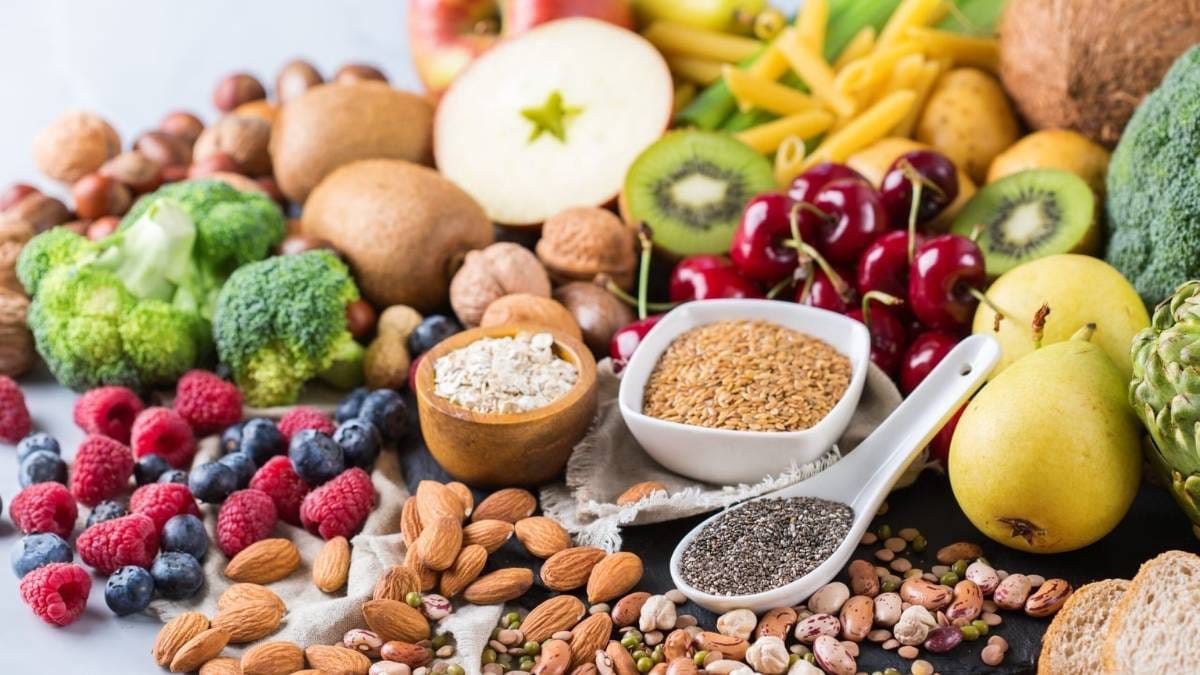
Add fermented foods daily. Yogurt with live cultures, kefir, kimchi, sauerkraut, and miso all add live bacteria to your gut. A 2025 study in PubMed Central found that adults over 50 who ate these foods had less inflammation and more protective gut bacteria.
Take a multi-strain probiotic. Look for ones with Lactobacillus and Bifidobacterium — the exact strains that drop after 50.
Move your body. Thirty minutes of walking five days a week improves gut motility and microbial diversity. Add two strength sessions per week to protect your muscles.
Sleep 7 to 8 hours. Poor sleep directly harms gut bacteria. This is not optional.
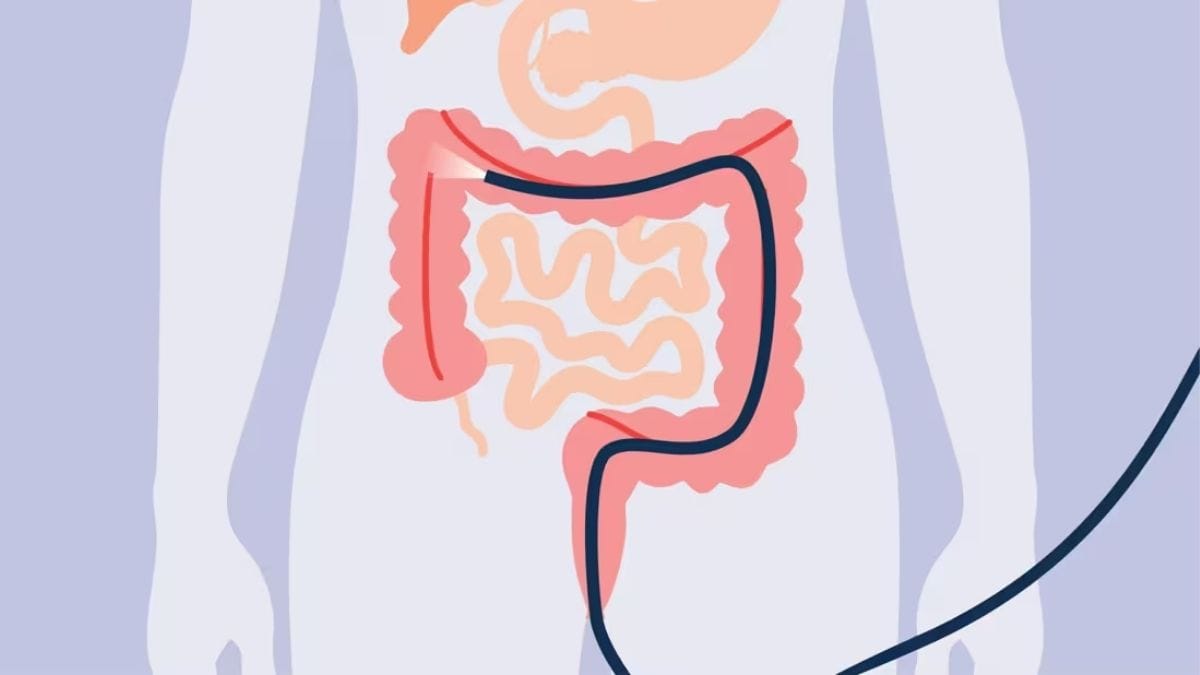
Get screened. Colonoscopy is now recommended from age 45. Do not skip it.
You do not need to do all of this perfectly. You need to do most of it consistently.
3 Quick Tips:
- Swap one processed snack per day with a fiber-rich option like an apple, nuts, or hummus with vegetables
- Add kimchi or plain yogurt to one meal daily — start small, stay consistent
- Set a phone alarm for 10:00 PM as a sleep reminder — your gut bacteria work while you sleep
What Healthy 70-Year-Olds Have in Common

Researchers who study centenarians and healthy 80-year-olds keep finding the same thing. Their guts look young. That is not a coincidence.
A 2025 study in Frontiers in Microbiology found that healthy long-lived people maintain a more youthful, diverse gut microbiome. Their gut bacteria resemble those of people decades younger. This is a pattern, not luck.
Research published in Springer’s Journal of Biomedical Science (2025) confirmed that the characteristics of a long-lived gut — high diversity, more beneficial bacteria, stronger gut barrier — can be deliberately built. They are not just genetic gifts.
What do healthy 70-year-olds typically do? They eat mostly plants. They stay active. They sleep well. They manage stress. They have strong social lives.
Every single one of those habits also happens to be exactly what your gut bacteria need to thrive.
The window between 50 and 65 is the most important window you have. The choices you make during these years do not just help you now. They compound. They stack up. And 20 years from now, your body will show the difference.
Your gut is telling you something right now. The question is whether you will listen while there is still everything to gain.
3 Quick Tips:
- Pick one Mediterranean-style meal per week and work up to three — olive oil, legumes, fish, vegetables
- Call a friend or join a group activity — social connection supports both mood and gut health
- Write down one gut health habit you will start this week and put it somewhere you will see it
Final Thought:
Your gut changes after 50. Left alone, those changes drive inflammation, disease, and faster aging. But you can change this. Eat more fiber. Add fermented foods. Move your body. Sleep well. Get screened.
Gut health after 50 is not a wellness trend. It is your 20-year plan for how well you live.