
You’ve probably been told that eating healthy means giving up the foods you love. No more warm soup. No more hearty breakfasts. Just salads and willpower.
That’s not true. And science backs that up.
A 30-year study of over 105,000 people found that the diets most linked to living longer weren’t restrictive or punishing. They were built on simple, whole, satisfying foods. The kind your grandmother kept in her kitchen.
Five comfort foods — beans, oatmeal, olive oil dishes, vegetable soups, and nuts — show up again and again in the diets of the world’s longest-lived people. These are foods that help you live longer without making you miserable.
Here’s exactly what the research says, and how to eat these foods starting this week.
Why Comfort Food and Long Life Aren’t Opposites
Most people think eating for a long life means suffering. It doesn’t. The Blue Zones — places like Sardinia, Okinawa, and Ikaria — are full of people eating rich, filling, flavorful meals every single day.
Harvard researchers followed 105,000 people for 30 years. They found that people who ate the most whole, plant-based foods had an 86% greater chance of reaching age 70 free of major disease. That’s not a small number.
The foods that protect you most do three things. They reduce inflammation. They support your gut health. And they lower oxidative stress — the slow cellular damage that speeds up aging.
None of that requires a diet overhaul. It just requires eating more of what already works. These five foods do exactly that.
Food 1: Beans and Lentils: The Longevity Food Everyone Overlooks

Beans are cheap, filling, and wildly underrated. A 2004 study looked at people over 70 across three different cultures. It found that every two tablespoons of beans eaten per day cut the risk of dying by 8%.
Eating beans or lentils three to four times a week can lower chronic disease risk by up to 25%. That includes heart disease, type 2 diabetes, and certain cancers.
In every Blue Zone community, beans are a daily staple. Sardinians eat them in thick minestrone. Okinawans cook with soybeans. Costa Ricans eat black beans with almost every meal.
You don’t need recipes. Open a can of chickpeas and toss them into pasta. Add lentils to any soup. Make a quick chili on a Sunday. That’s it. Beans are the single most powerful food on this list.
Food 2: Oatmeal: The Breakfast That Slows Down Aging
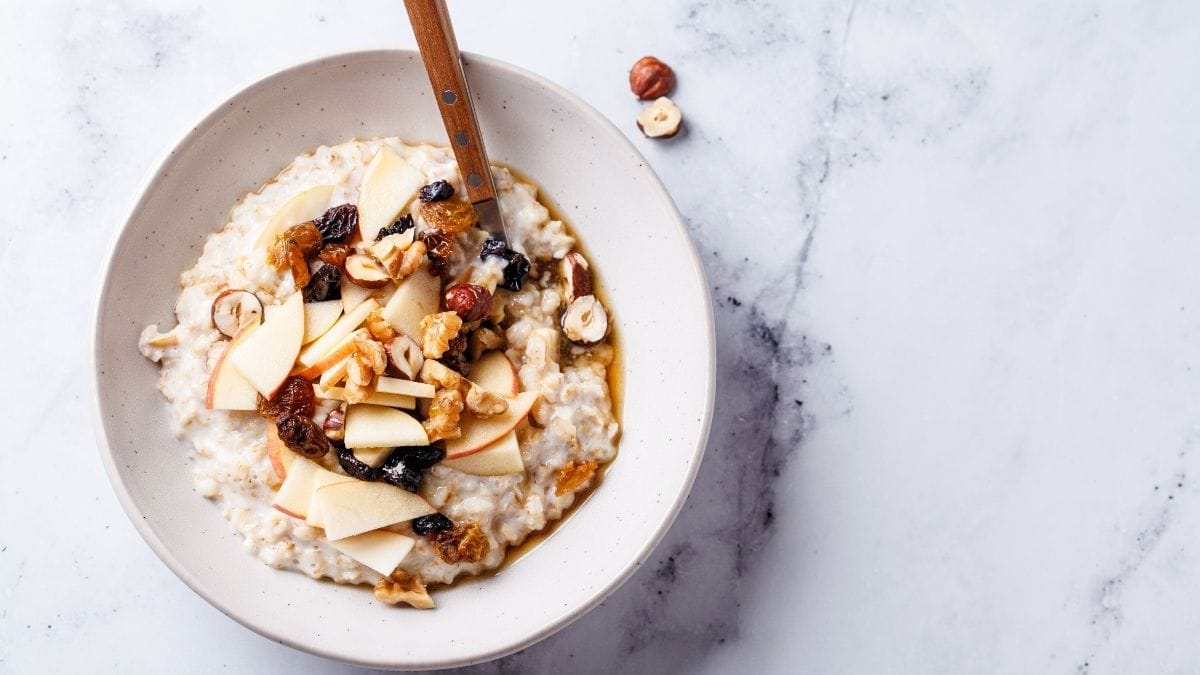
Oatmeal is one of the easiest wins in this entire list. It’s warm, filling, and ready in five minutes. It’s also one of the most studied foods for healthy aging.
Whole oats are a whole grain. Whole grains help regulate inflammation, support your metabolism, and fight oxidative stress — the process that ages your cells faster than they should.
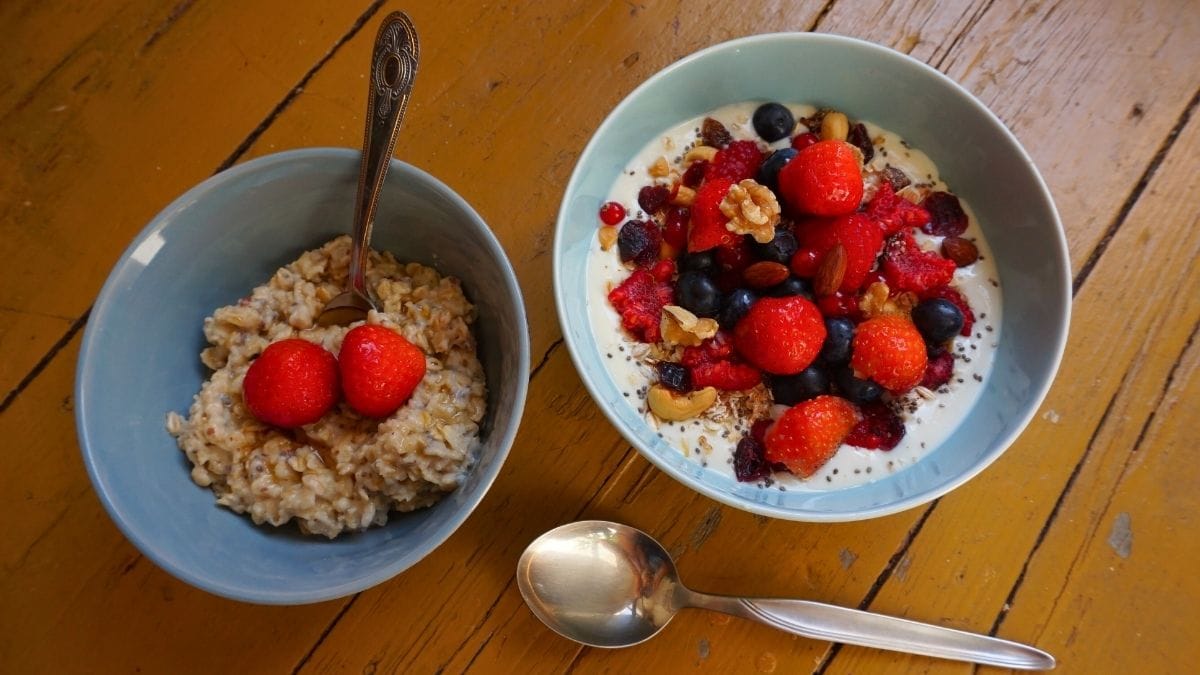
High-fiber diets lower colorectal cancer risk by up to 40%. Oats are one of the best fiber sources available. The daily target is 30–35 grams. One bowl of oatmeal with berries and a tablespoon of chia seeds gets you halfway there.
Here’s an easy upgrade. Add walnuts, blueberries, and a pinch of cinnamon to your oatmeal. That single bowl covers three of the five foods on this list. You’ve already started.
Food 3: Olive Oil: The Fat That Actually Helps You Live Longer
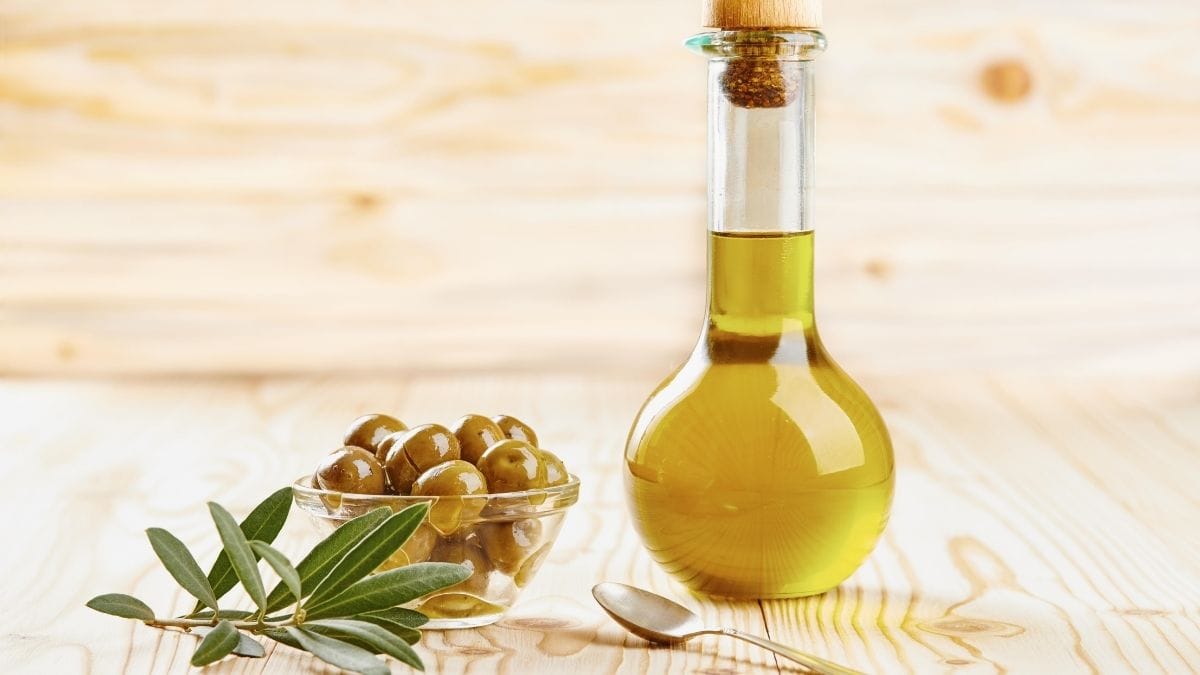
For years, people avoided fat. That was a mistake. Olive oil — especially extra-virgin — is one of the most protective foods on earth.
It’s packed with oleic acid, a monounsaturated fat that supports heart health. It’s also full of polyphenols — natural plant compounds that fight inflammation at the cellular level.
In a large study of U.S. adults, people who used olive oil daily had a significantly better chance of aging without major disease.
One to two tablespoons a day is all you need. Drizzle it on roasted vegetables. Use it as a bread dip. Replace butter in mashed potatoes. It works at cooking temperatures up to 400°F, so you can use it for most everyday meals.
A good bottle lasts weeks when you use it as a finisher. It’s not expensive when you use it right.
Food 4: Vegetable Soups and Stews: Longevity in a Single Bowl
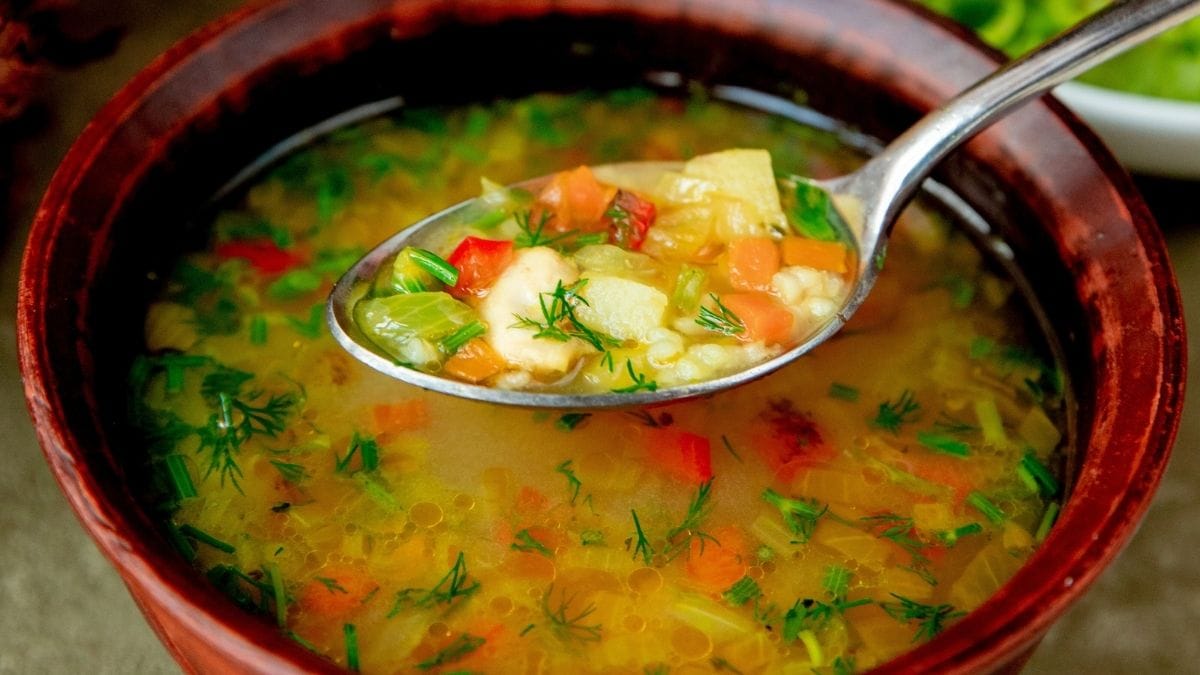
A bowl of vegetable soup isn’t just comfort. It’s one of the smartest longevity meals you can make. It combines several protective foods into one pot — beans, leafy greens, olive oil, garlic, and anti-inflammatory herbs.
This is exactly how people in the Blue Zones eat. Sardinians make minestrone with white beans, vegetables, and olive oil.
People in Ikaria, Greece, eat chickpea soup regularly. Japanese centenarians eat miso-based broths packed with vegetables.
Dana Hunnes, PhD, senior dietitian at UCLA Health, explains that high-fiber whole-food diets help protect your DNA from aging too fast. Soup is one of the easiest ways to get that protection.
Use this simple formula: beans or lentils + a dark leafy green + barley or farro + olive oil + garlic and herbs. Make one pot on Sunday. You’ll have lunches for four days.
Food 5: Nuts: The Snack That Adds Real Years to Your Life
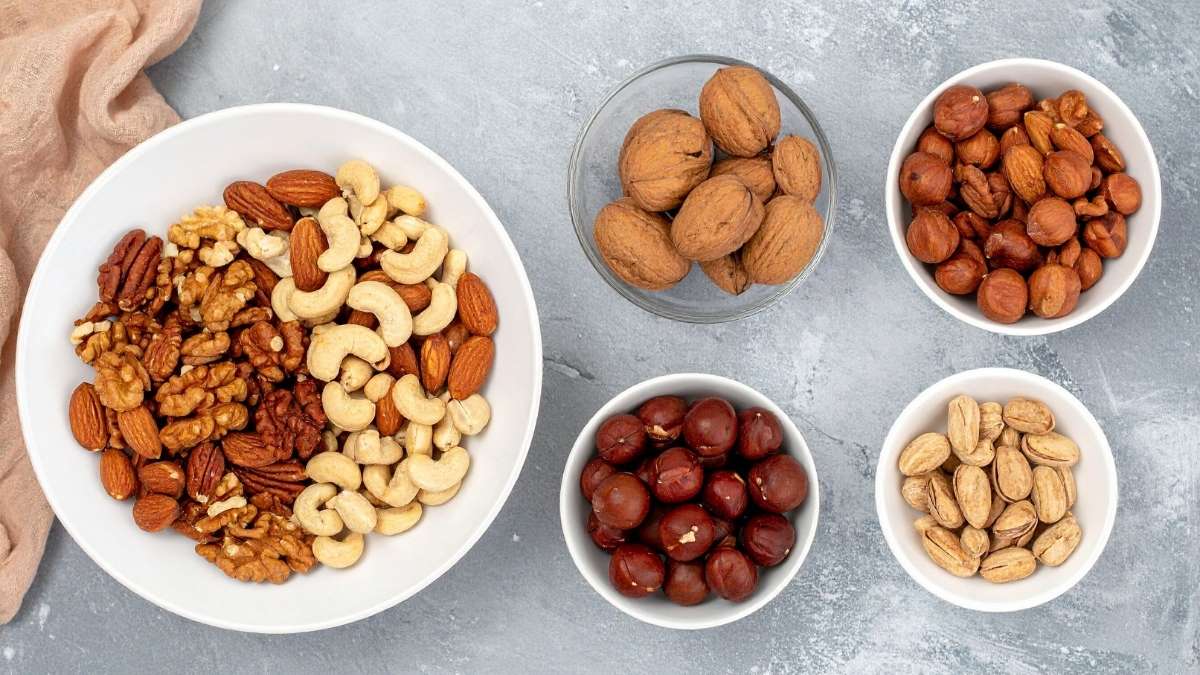
You don’t need much. Even half an ounce of nuts per day has been linked to longevity benefits in multiple studies. A small handful — about one ounce — is the serving used in most research.
Walnuts, almonds, pistachios, and hazelnuts all count. They’re rich in healthy fats, fiber, protein, and antioxidants. A March 2025 study found that eating walnuts at breakfast improved cognitive performance and brain activity throughout the entire day.
These aren’t diet snacks. They’re real food that keeps you full, supports your heart, and protects your brain as you age.
Practical ways to eat more: add walnuts to your oatmeal, keep almonds on your desk, spread almond butter on whole grain toast, or make trail mix with mixed nuts and dried fruit. No prep needed. Just grab a handful and go.
How to Add These 5 Foods to Your Week Without Any Planning
You don’t need a meal plan. You just need a simple weekly rhythm that actually sticks.
Here’s one that works. Eat oatmeal three mornings a week. Have a bean-based dinner twice a week — chili, soup, dal, or pasta with chickpeas.
Eat a small handful of nuts every day as a snack. Cook with olive oil instead of butter or seed oils. Make one pot of vegetable soup on the weekend.
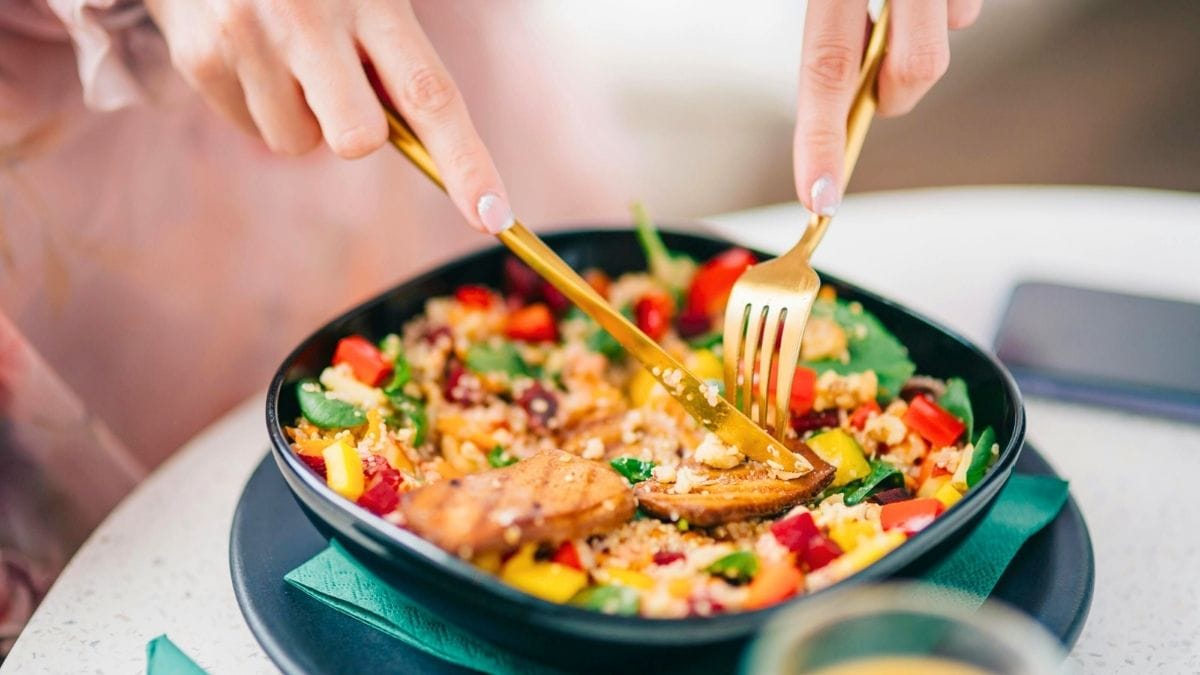
That covers all five foods. No special grocery list. No new cooking skills.
Research shows that switching from a Western diet to one built on whole plants and legumes could add more than a decade to healthy life expectancy. But you don’t need to be perfect. You just need to be consistent.
Start with one swap. Replace one processed snack this week with a handful of walnuts or almonds. That’s enough to begin.
Final Thought;
Five foods. No deprivation. Real science. Beans, oatmeal, olive oil, vegetable soup, and nuts are what the world’s longest-lived people actually eat. Start with one this week. One small habit, repeated consistently, is how healthy aging really works.