

You try to eat better.
You read health headlines.
Yet every week, the advice changes.
One day, carbs are the enemy.
The next day, fat is the problem.
Some say eat less. Others say eat more protein.
If you feel confused by longevity diet advice, you are not alone. Many health-conscious adults feel the same pressure and doubt. Everyone seems confident. Few seem clear.
This article is not here to sell you a diet.
It is here to slow things down.
Let’s step away from trends and look at what real evidence consistently supports—across cultures, decades, and large populations. Not promises. Not extremes. Just what holds up.
Why Longevity Diet Advice Feels So Overwhelming
Nutrition advice today moves faster than science.
Social media rewards strong opinions.
Headlines favor drama.
Simple answers spread faster than careful ones.
Most longevity diet advice online suffers from three problems:
- It focuses on single foods or rules
- It ignores long-term data
- It treats nutrition like a shortcut
But human biology does not work in shortcuts.
Longevity research looks at patterns, not hacks. It asks how people eat over years—not what they tried for 30 days.
When advice ignores this, confusion grows.
What “Evidence” Actually Means in Longevity Nutrition
Before going further, let’s be clear.
Evidence does not mean:
- One small study
- Animal experiments alone
- Personal success stories
Strong evidence usually comes from:
- Long-term population studies
- Repeated findings across countries
- Consistent patterns over time
Longevity science rarely points to one perfect diet. Instead, it shows common habits shared by people who age well.

That distinction matters.
The First Big Truth: No Single Longevity Diet Exists
This may disappoint some readers. But it builds trust.
People live long lives eating:
- Mediterranean food
- Traditional Asian diets
- Plant-heavy Latin diets
- Simple rural diets with little processing
These diets look different on the plate. Yet they share deep similarities.
Longevity diet advice becomes clearer when we stop asking what people eat—and start asking how they eat.
Pattern #1: Mostly Whole Foods, Minimally Processed
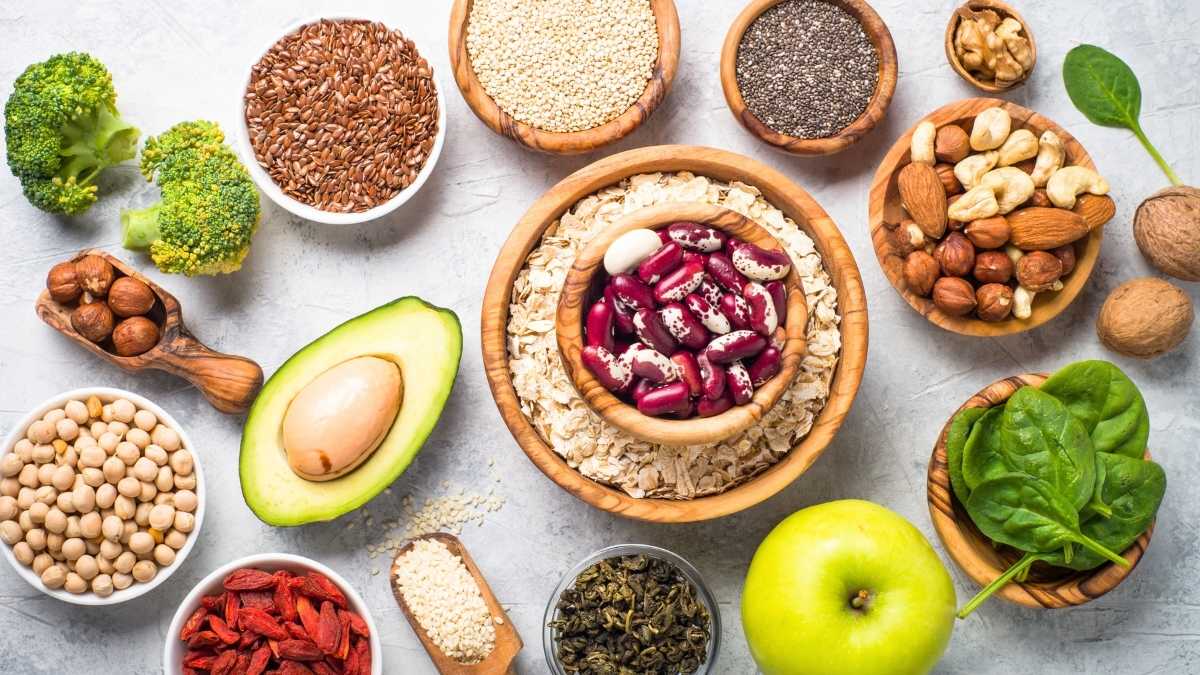
Across nearly all longevity research, one pattern stands firm.
People who live longer tend to eat foods close to their natural form.
This includes:
- Vegetables
- Fruits
- Beans and lentils
- Whole grains
- Nuts and seeds
- Simple animal foods in modest amounts
Ultra-processed foods show the opposite pattern.
These foods are:
- High in refined sugar
- High in refined oils
- Low in fiber
- Easy to overeat
No study shows long-term health benefits from a diet built on packaged convenience foods.
This is not about perfection. It is about direction.
Pattern #2: Plants Play a Central Role
Longevity diet advice often turns into a fight: plant-based vs animal-based.
The evidence is calmer.
Long-living populations do not avoid animal foods entirely.
But they do not center their meals around them.
Plants provide:
- Fiber for gut health
- Antioxidants that reduce damage
- Volume that supports healthy weight
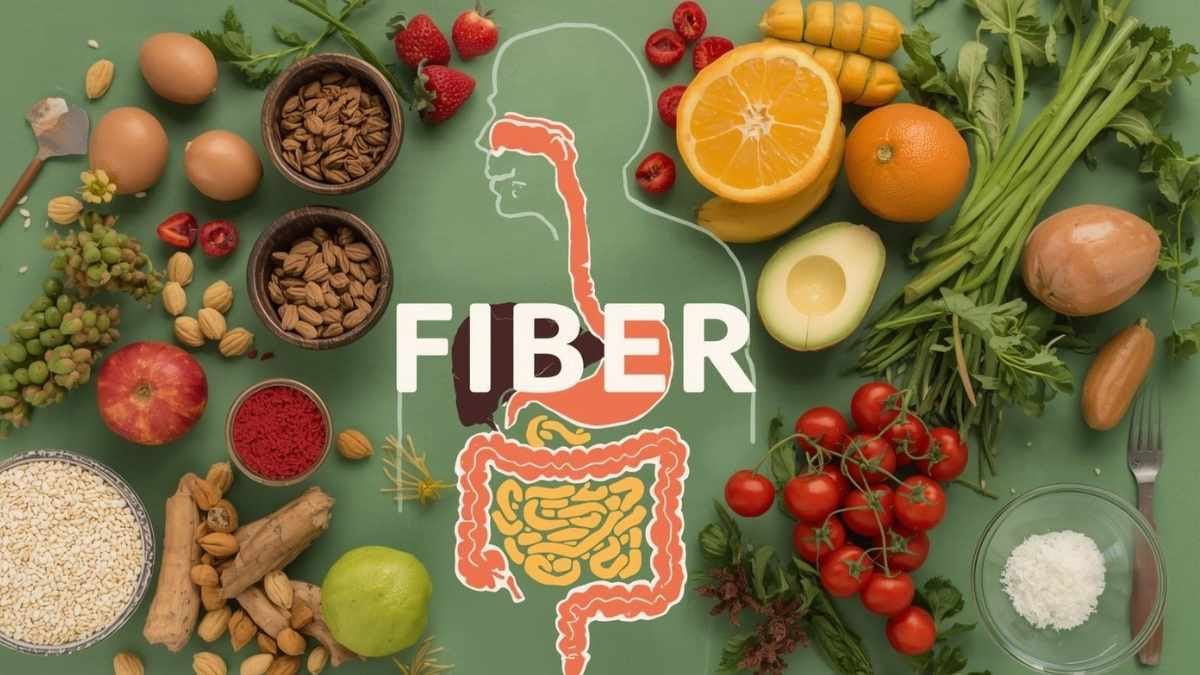
Even small increases in plant foods show benefits over time.
The key is not elimination. It is proportion.
Pattern #3: Protein Quality Matters More Than Quantity
Protein has become loud in nutrition media.
More protein. Higher protein. Protein everything.
Evidence tells a quieter story.
Protein supports muscle and strength as we age. But excess protein, especially from heavily processed sources, does not show added longevity benefits.
Long-living groups often get protein from:
- Beans and lentils
- Fish
- Eggs
- Fermented dairy
- Small portions of meat
Quality, timing, and balance matter more than chasing numbers.
Pattern #4: Calories Still Count—But Not Obsessively
Calorie restriction appears often in longevity discussions. It is also widely misunderstood.
Evidence suggests:
- Chronic overeating shortens health span
- Mild calorie control may support longevity
But extreme restriction increases stress and reduces quality of life.
Healthy aging comes from:
- Eating until comfortably full
- Avoiding constant snacking
- Letting hunger cues reset

Longevity diet advice becomes harmful when it ignores sustainability.
Pattern #5: Sugar and Refined Carbs Are the Real Problem
Not all carbs are equal. The evidence is clear here.
Whole carbohydrates:
- Whole grains
- Fruits
- Beans
These are linked with better health outcomes.
Refined carbohydrates:
- White sugar
- Sweet drinks
- Pastries
These consistently show negative effects on metabolic health.
Longevity is not anti-carb. It is anti-refined.
Pattern #6: Fats Are Context-Dependent
For decades, fat was blamed for everything. Then fat was praised as the solution.
Neither extreme holds up.
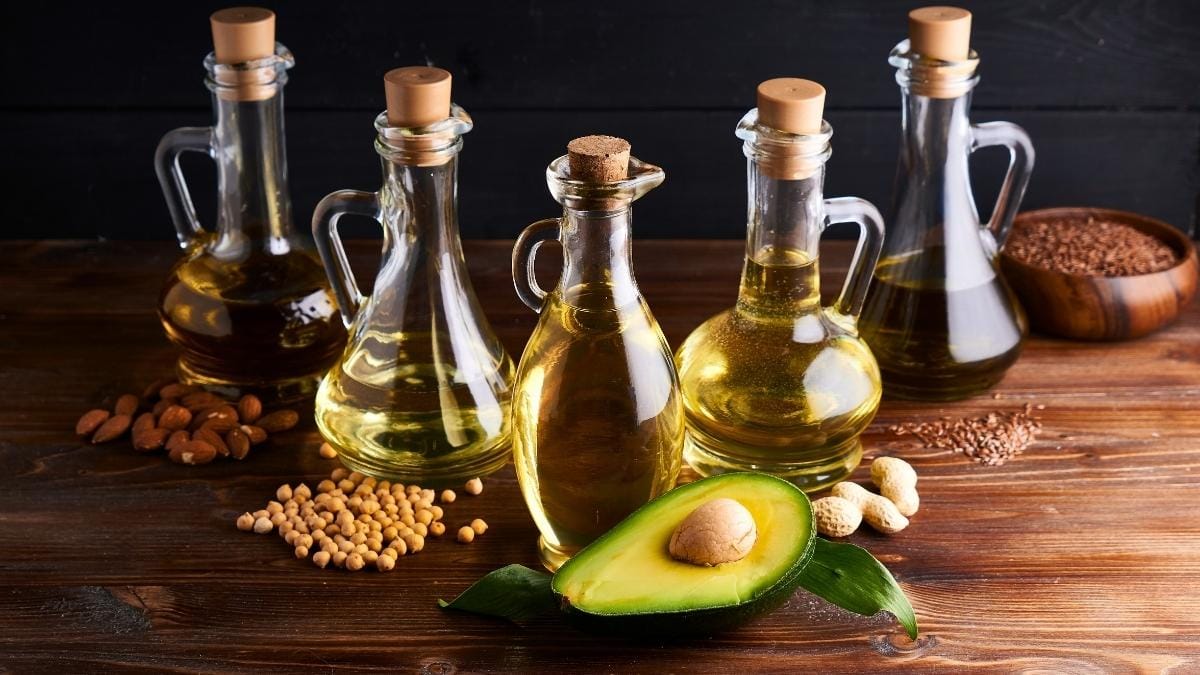
Evidence supports:
- Unsaturated fats from plants and fish
- Traditional oils used in moderation
Evidence does not support:
- Large amounts of industrial trans fats
- Deep-fried processed foods
Longevity diet advice works best when fats are part of a balanced whole—not a hero or villain.
What the Evidence Does Not Strongly Support
This matters just as much.
Despite popularity, evidence does not strongly support:
- Extreme fasting schedules for everyone
- One “superfood” extending lifespan
- Supplements replacing real food
- Cutting entire food groups long-term
Most bold claims fade when tested over decades.
Longevity research rewards patience, not extremes.
Why Consistency Beats Perfection
One overlooked finding appears again and again.
People who age well do not eat perfectly.
They eat consistently.
They return to simple patterns.
They recover quickly from indulgence.
They do not label foods as moral failures.
This mental approach reduces stress—and stress itself affects aging.
Longevity diet advice that increases fear often does more harm than good.
The Role of Culture and Enjoyment
Food is not just fuel. It is social.
Evidence shows:
- Shared meals improve emotional health
- Enjoyment supports long-term habits
- Restriction without joy rarely lasts

Cultures with long lifespans do not treat eating as punishment.
They eat slowly.
They celebrate food.
They stop before discomfort.
This context matters as much as nutrients.
How to Think About Longevity Diet Advice Going Forward
Instead of asking:
“Which diet is best?”
Try asking:
- Can I eat this way for years?
- Does this reduce stress or add it?
- Does this align with evidence, not hype?
Longevity comes from direction, not obsession.
A Simple Evidence-Aligned Framework (Not Rules)
Without turning this into another diet, evidence gently supports:
- Build meals around whole foods
- Let plants fill most of the plate
- Choose protein sources with care
- Limit ultra-processed foods
- Eat with awareness, not fear
These ideas appear across cultures and studies. That consistency matters.
Why This Clarity Matters More Than Ever
Confusion leads to paralysis.
Paralysis leads to poor choices.
Clear, calm longevity diet advice helps people act—not panic.
You do not need to eat perfectly to age well.
You need patterns that respect your biology and your life.
Final Reflection:
If you feel overwhelmed by longevity diet advice, pause.
Science is quieter than trends.
Evidence is slower than headlines.
Long life is rarely built on extremes.
It is built on habits that repeat, meals that nourish, and choices that reduce stress.
Clarity is not found in the loudest claim.
It is found in what holds up over time.
And that is where real longevity begins.