

Every 11 seconds, an older adult is treated in an emergency room for a fall injury. Most of them never saw it coming.
Here is the hard truth. Most people over 60 think balance problems are just part of getting old. So they wait. They wait for a near-miss, a stumble, or something worse before they act.
But falls are not inevitable. Physical therapists work with older adults every day and they have simple, proven habits that actually work. No gym. No special equipment. Just the right moves done consistently.
This guide gives you exactly what they recommend. You will learn fall prevention exercises for seniors over 60, what to add to your daily routine after 60, and how balance training can protect you starting today.
Why Falls Are a Bigger Threat Than Most People Realize
Here is the reality most people do not want to face.
Falls are the leading cause of injury-related death in adults over 65. The death rate from falls rose 21% between 2018 and 2024. That number is still climbing.
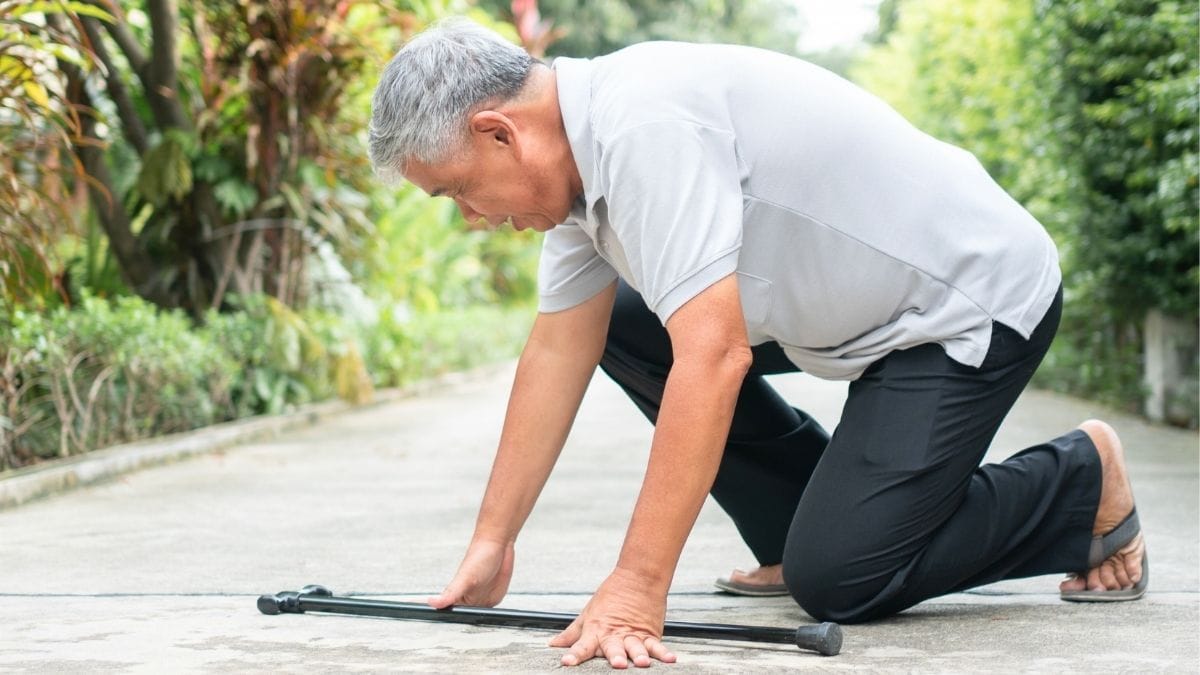
Emergency rooms record 1 million fall-related visits each year.
The financial cost is also serious. In 2022, healthcare spending for nonfatal falls among older adults hit $70 billion. By 2030, that number is expected to top $88 billion.
But here is something even more troubling. Many people who fall — even when not hurt — become afraid of falling again. So they move less. They sit more. Their muscles get weaker. And their fall risk goes up. It becomes a cycle that is hard to break.
The risk of falling also grows fast with each risk factor you add. One risk factor puts your chance of falling at 19%. Four or more risk factors push that number to 78%.
The good news? Most of these fall risk factors are directly changeable. Physical therapists have known this for decades.
What Physically Changes After 60 (And Why It Affects Your Balance)
You may have already felt it. A slight pause before stepping off a curb. A moment where you reach for a wall you did not need last year.

That is not your imagination. After age 30, we lose 3 to 5% of muscle mass each decade. After 60, that loss speeds up. Less muscle means less ability to catch yourself when you stumble.
Other changes happen too. Over 56% of adults over 60 have high blood pressure, which can cause lightheadedness when standing up.
About 21% have Type 2 diabetes, which often causes numbness in the feet. When your feet cannot feel the ground properly, your balance suffers.
Your inner ear, vision, and proprioception also weaken with age. Proprioception is your body’s internal GPS. It tells your brain where your body is in space. When it slows down, your feet cannot send signals fast enough to stop a stumble.
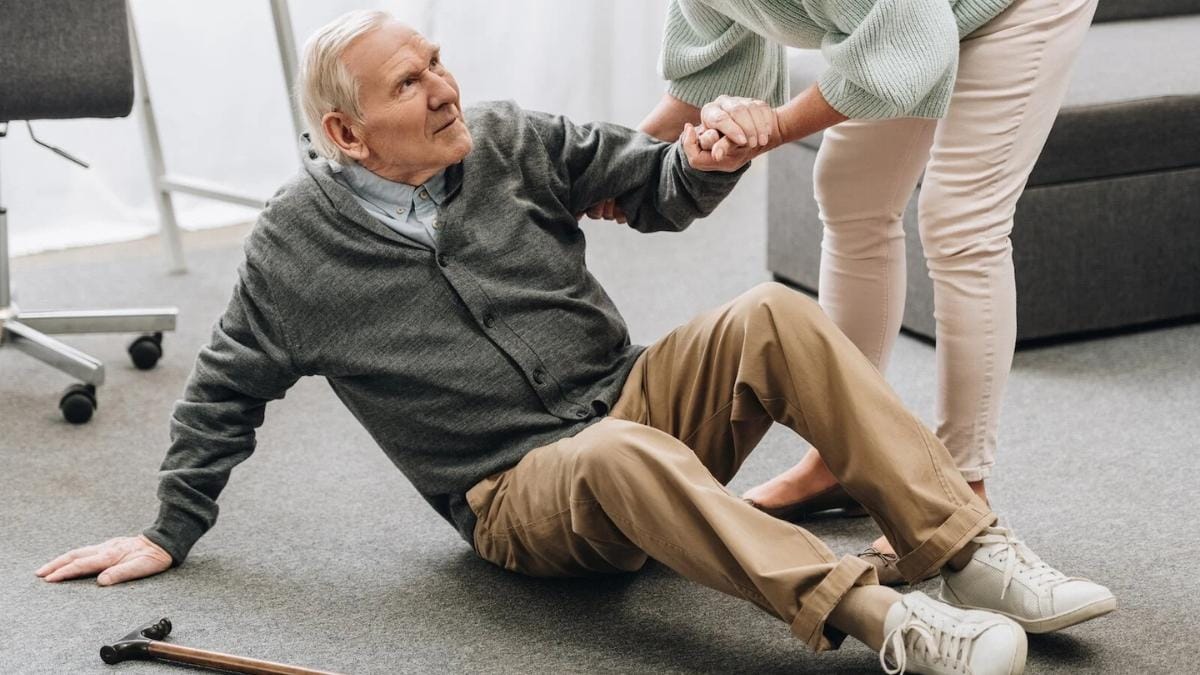
Certain medications — including some antidepressants, sedatives, and even common over-the-counter drugs — also affect how steady you are on your feet.
These changes are real. But they are not permanent. Physical therapists work with these exact issues every day, and the exercises they recommend are simpler than you think.
What Physical Therapists Actually Recommend: The Core Daily Habits
This is the part most articles skip. These are the exact movements physical therapists use with their patients, explained so you can follow them today.
Balance Training — 3 to 5 Days Per Week
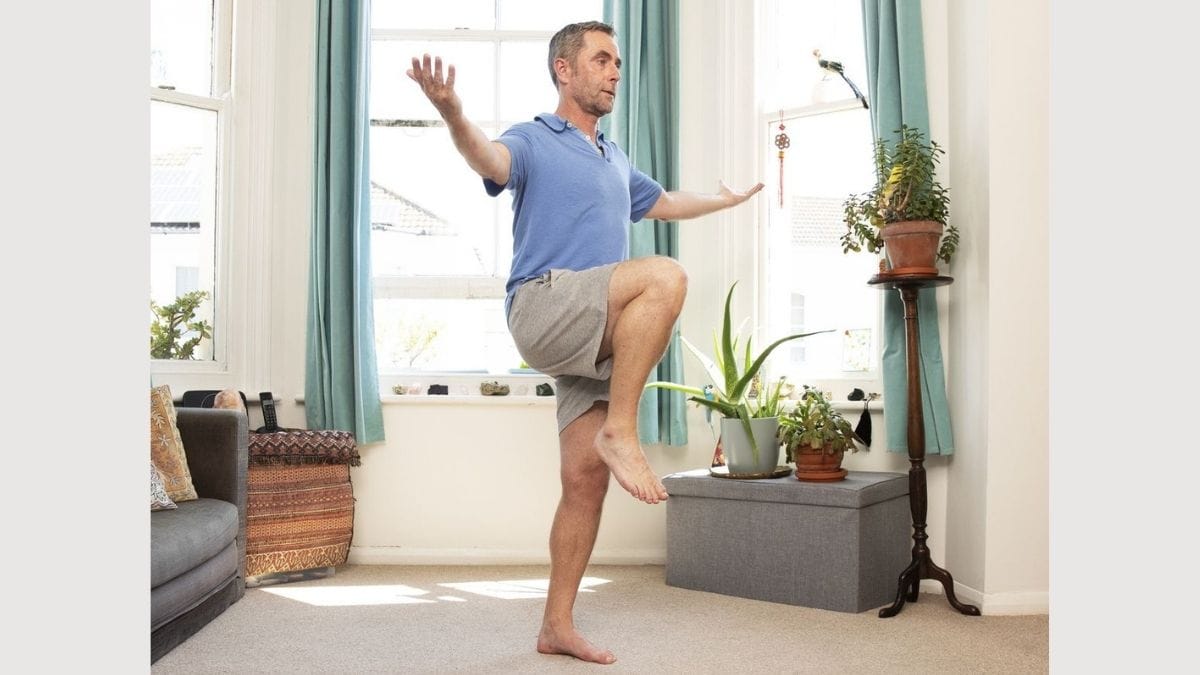
Start with the single-leg stand. Stand near a counter. Lift one foot slightly. Hold for 10 seconds. Work up to 30 seconds. Once that feels easy, try it with your eyes closed.
Next, try heel-to-toe walking. Walk in a straight line and place the heel of one foot directly in front of the toes of the other. This mimics how you walk in real life and trains your balance fast.
Also try weight shifting. Stand with feet shoulder-width apart. Slowly move your weight from side to side. Then front to back. This builds your body’s ability to react when you lose balance.
Leg and Core Strength — 2 to 3 Days Per Week
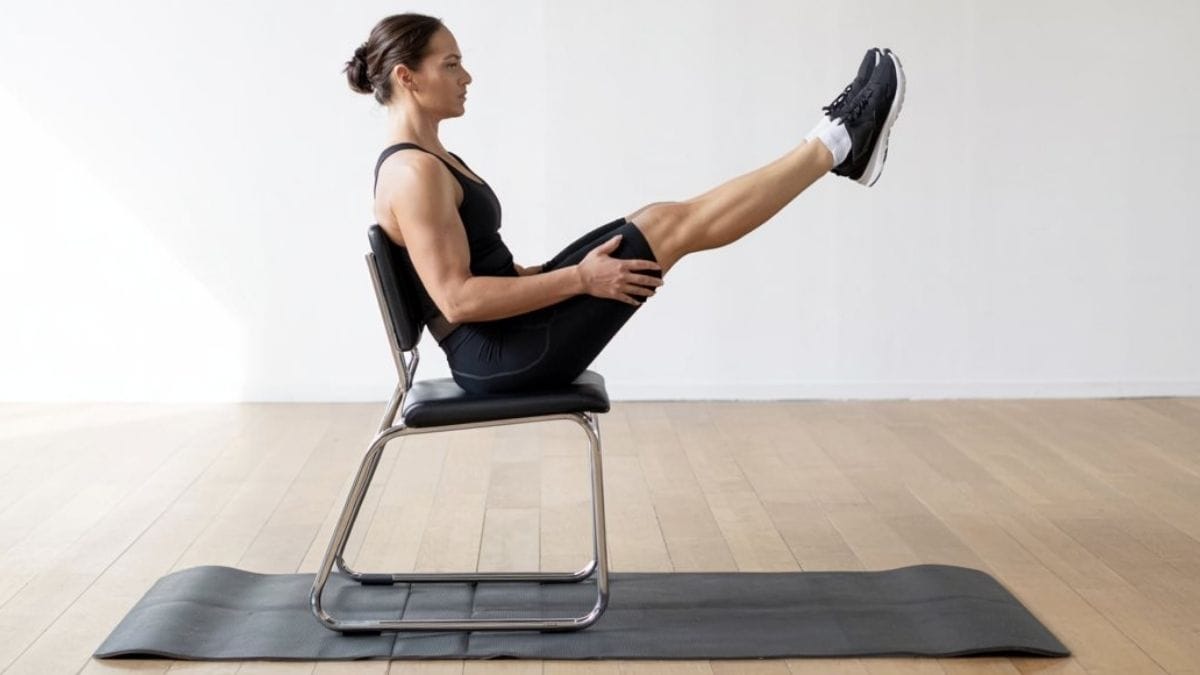
Do sit-to-stands from a chair. Cross your arms on your chest. Stand up slowly. Sit back down with control. Do 10 reps. This one exercise builds the exact muscles you need to recover from a stumble.
Add seated leg raises. Sit upright in a chair. Raise one leg straight out in front. Lower it slowly. Do 10 to 20 reps per leg. Simple and effective.
Wall push-ups work well too. Stand facing a wall, arms extended. Bend your arms to bring your chest closer to the wall. Push back. This builds upper body stability without any equipment.
Walking — 3 Times Per Week
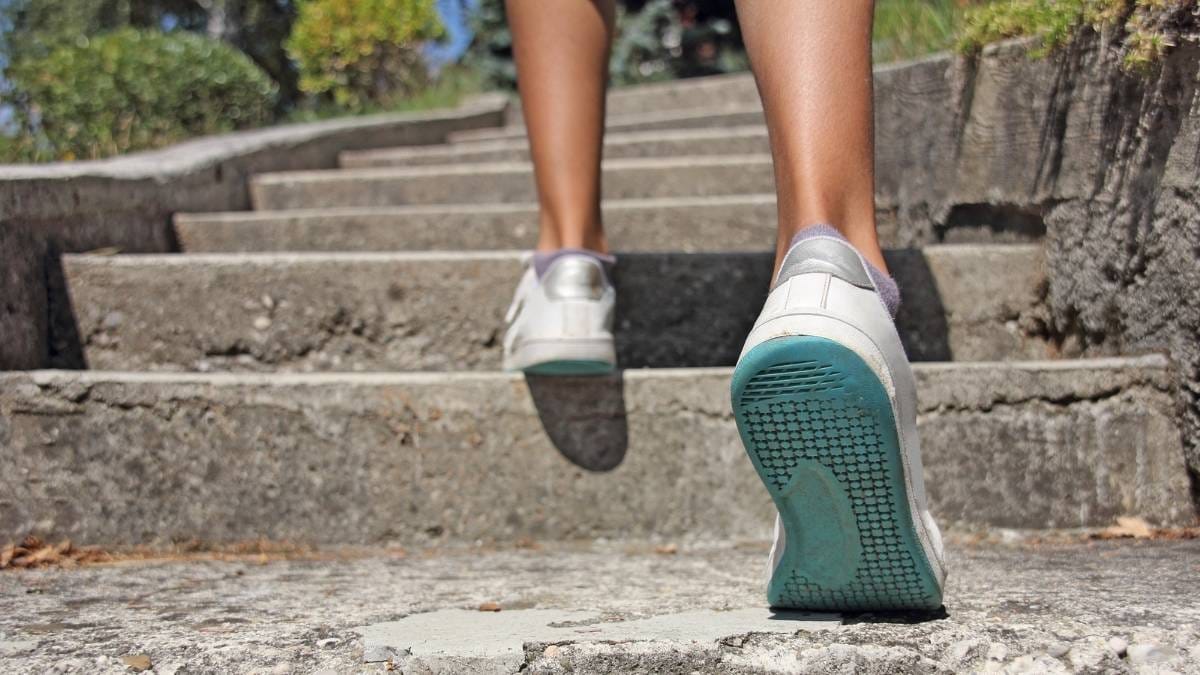
Walking has real benefits, but it does not build leg strength unless you are walking on hills or stairs. Work up to a 30-minute walk, three times a week.
A good schedule: exercise on Monday, walk on Tuesday, rest or stretch on Wednesday, then repeat. Start small. Consistency matters more than intensity.
You do not need an hour a day. Ten to fifteen focused minutes, done consistently, is what the evidence supports.
The Evidence-Backed Programs You Should Know About
You may be wondering if any of this is actually proven. The answer is yes — and the research is specific.

The Otago Exercise Program is one of the most studied fall prevention programs in the world. It consists of 17 exercises done three times a week, combined with a walking plan.
Studies show it can reduce falls by up to 35%. A trained physical therapist prescribes and monitors the program for each person. It is not a one-size-fits-all workout.
Tai Chi also has strong evidence behind it. A 2024 meta-analysis in Frontiers in Medicine found that Tai Chi significantly improved balance in older adults.
Between 71 and 81% of older adults stick with class-based Tai Chi programs, which makes it one of the most realistic long-term options.
The CDC’s STEADI Initiative is a free tool at cdc.gov/STEADI. It includes a fall risk screening questionnaire you can complete at home or with your doctor.
SilverSneakers is available to many people on Medicare Advantage plans. It gives access to gyms, group classes, and workout videos designed for adults over 65.
These programs exist because falls are preventable. The challenge is knowing about them before something goes wrong.
Home Safety: The Other Half of Fall Prevention
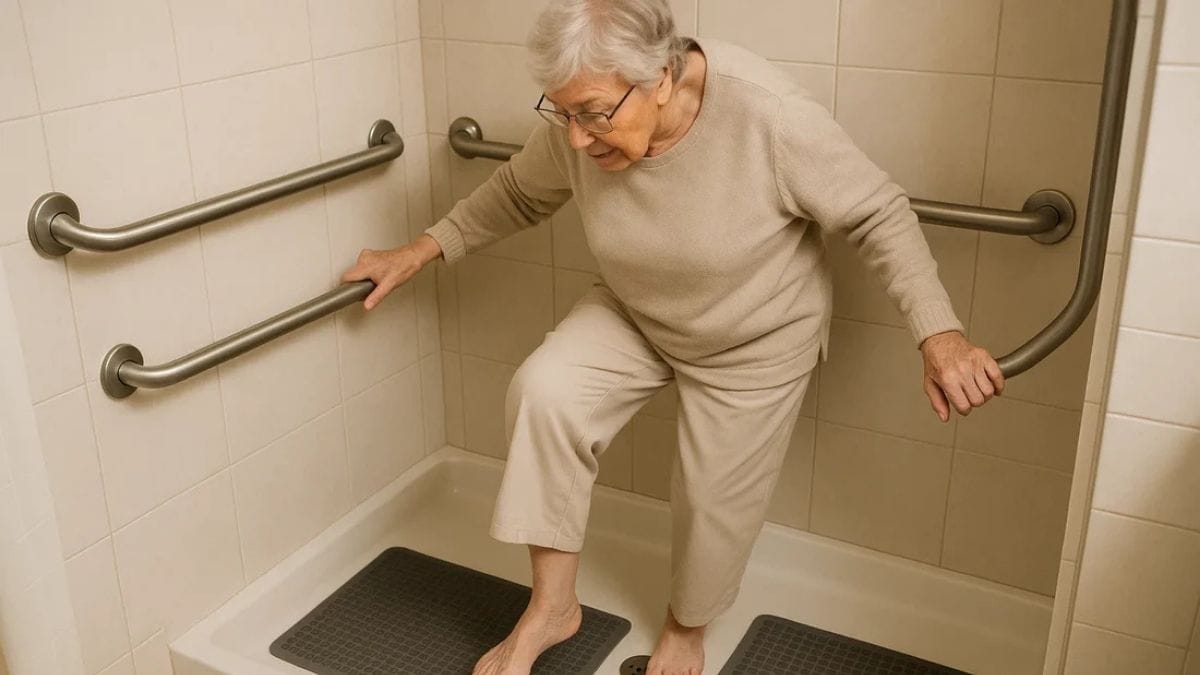
Even the best exercise routine will not protect you if your home is working against you.
Physical therapists do not just assign exercises. They also help people spot hidden hazards inside their homes.
The most common ones are loose rugs, poor lighting on stairs, no grab bars in the bathroom, cluttered walkways, and electrical cords crossing paths where people walk.
The fixes are not expensive. Add grab bars in the shower and next to the toilet. Put non-slip mats in the bathroom. Add railings to both sides of any staircase.
Put nightlights in hallways and bathrooms. Remove throw rugs completely — they are one of the most common causes of home falls.
Check your medications. Tranquilizers, sedatives, antidepressants, and some common over-the-counter pills all affect your balance. Ask your doctor or pharmacist to review your medications for fall risk. This one step alone can make a big difference.
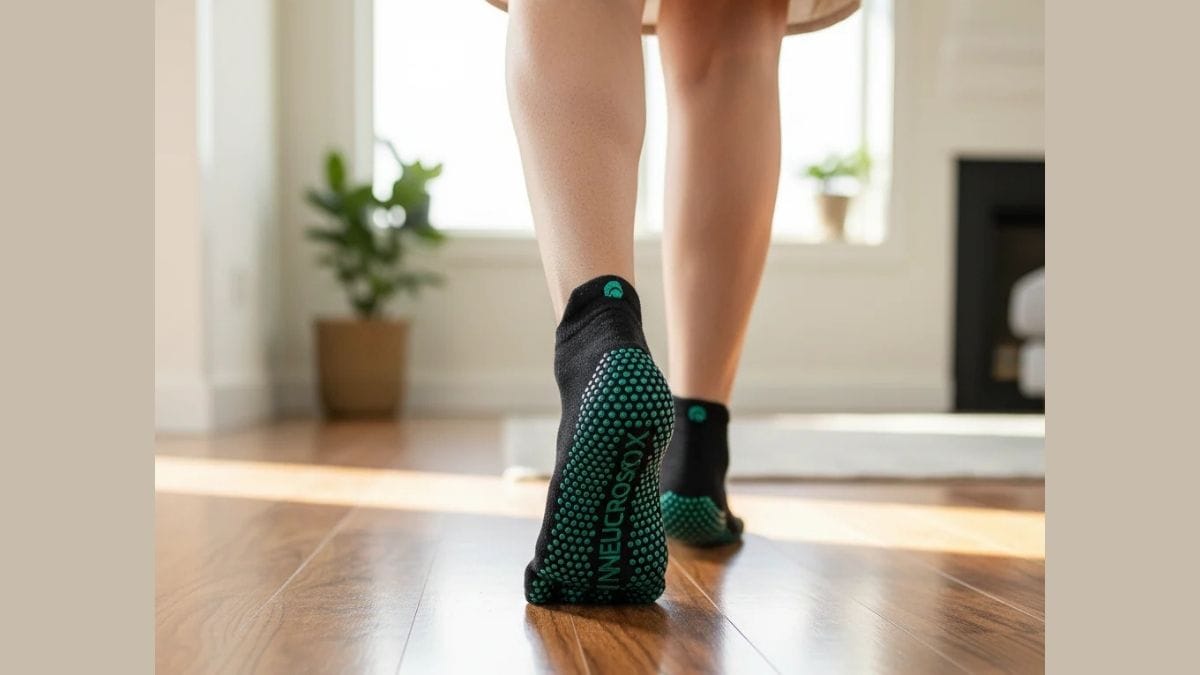
Do not overlook your footwear. Socks on hardwood floors, worn soles, and loose slippers are frequent fall triggers. Choose shoes with firm soles and ankle support.
Get your eyes checked once a year. An outdated eyeglass prescription is a real and often ignored fall risk.
Think of home safety as your backup system. Your exercises are the primary defense. Your environment either supports that or works against it.
When to See a Physical Therapist (And How to Find One)

You do not have to figure this out alone, and you do not have to wait for something to go wrong before you make an appointment.
Physical therapists are movement experts. They can spot the specific areas where your fall risk is highest and build a plan around your exact needs.
See a PT if you have had a recent fall or near-fall. See one if you feel unsteady while walking or standing. See one if your doctor has told you that your fall risk is high. You can also see one simply because you want a structured, personalized plan.
Your first visit will be an evaluation. The therapist will measure your strength, motion, and balance. From there, they build a plan just for you.
Final Thought:
Falls are preventable. Physical therapists have simple, proven tools to help you stay safe — balance training, leg strengthening, daily walks, and a home safety check.
Start with one thing today. Try a five-minute single-leg stand after your morning coffee. If you want a full plan, book a PT evaluation. Small daily habits are the best fall prevention exercises for seniors over 60 you will ever find.