

In Okinawa, Japan, people say three words before every meal. Hara hachi bu. It means: stop eating when you’re 80% full. That one habit may do more for a long life than most supplements you’ll ever buy.
You’ve probably read ten different articles about what to eat. One says cut carbs. Another says eat more fat. It’s confusing, and most of it doesn’t stick.
This article is different. It looks at real research from five places on earth where people regularly live past 90.
You’ll see what they eat, why it works, and six things you can actually do this week. No extreme diets. No expensive routines. Just clear, honest habits backed by real data.
What Are Blue Zones and Why Should You Care?
Blue Zones are five places where people live unusually long, healthy lives. A researcher named Dan Buettner found them in 2004 through a National Geographic project funded by the National Institute on Aging.

The five zones are Okinawa in Japan, Sardinia in Italy, Nicoya in Costa Rica, Ikaria in Greece, and Loma Linda in California. People there reach age 100 at roughly 10 times the rate of average Americans.
Here’s the part most people get wrong. They assume long life is about good genes. But the Danish Twin Study found that only 20% of how long you live comes from genetics.
The other 80% is lifestyle and daily habits. That means what you eat, how much you move, and how you live your day matters far more than your family history.

One honest note: a 2022 research paper and a 2024 study from University College London raised fair questions about birth record accuracy in some zones.
That’s worth knowing. But the diet and lifestyle patterns these communities share are backed by separate, large-scale studies too. The habits hold up.
The 5 Diet Patterns Found in Every Blue Zone
Researchers looked at over 150 dietary surveys from the world’s longest-lived people. Five eating patterns showed up every single time, across all five zones.
Plant-heavy, not plant-only. Blue Zone people eat a 95% plant-based diet. Meat shows up about five times a month in small portions.
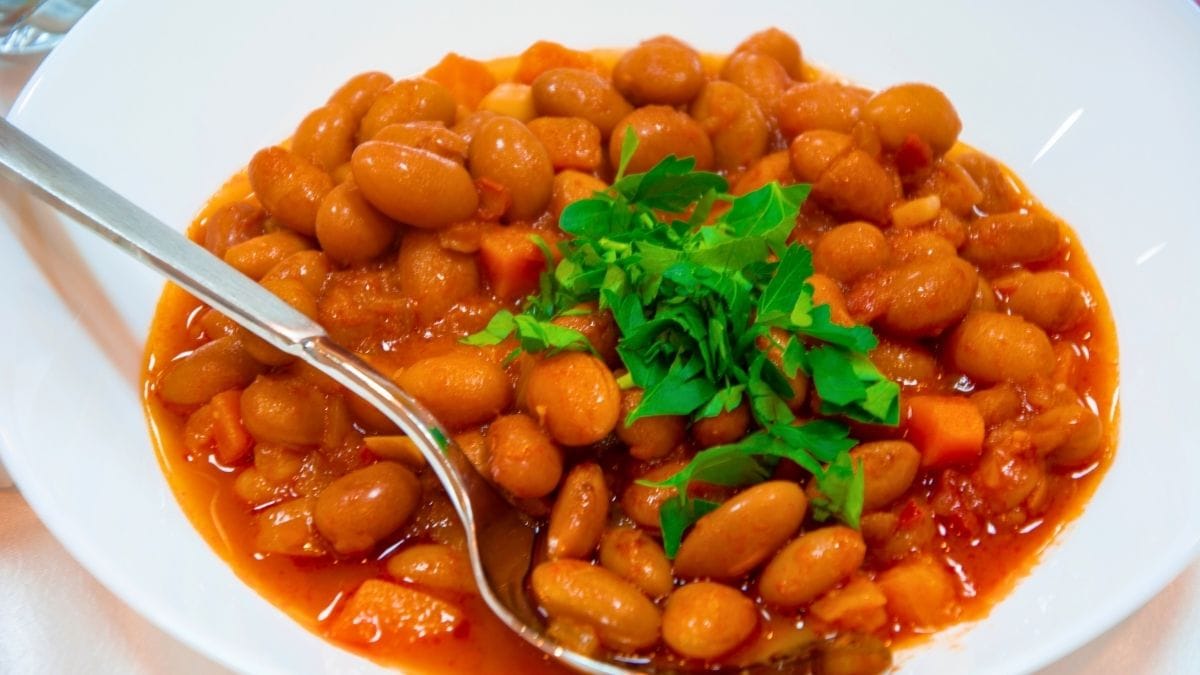
Beans are the real star — black beans in Costa Rica, lentils in Sardinia, soybeans in Okinawa. Blue Zone people eat four times more beans than the average American.
Fermented foods every day. Sardinians eat fermented cheese and sourdough bread. Okinawans eat miso and natto. Ikarians eat Greek yogurt.
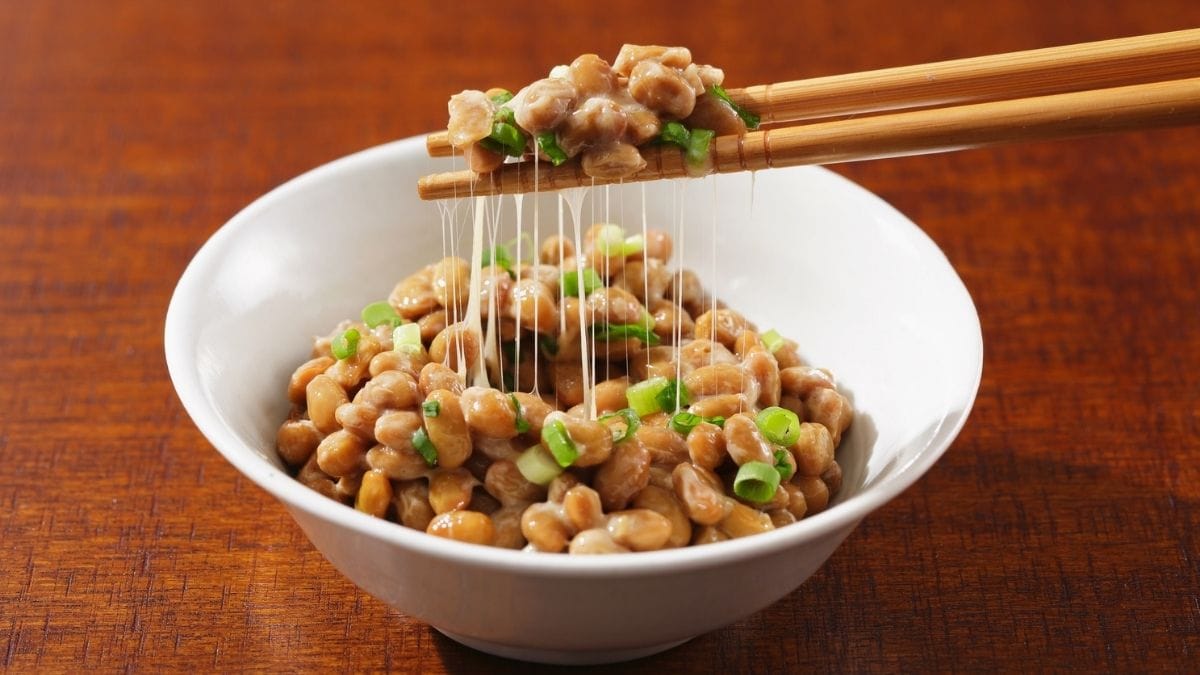
A 2025 peer-reviewed review linked daily fermented food to lower inflammation and better gut health — two things directly connected to slower aging.
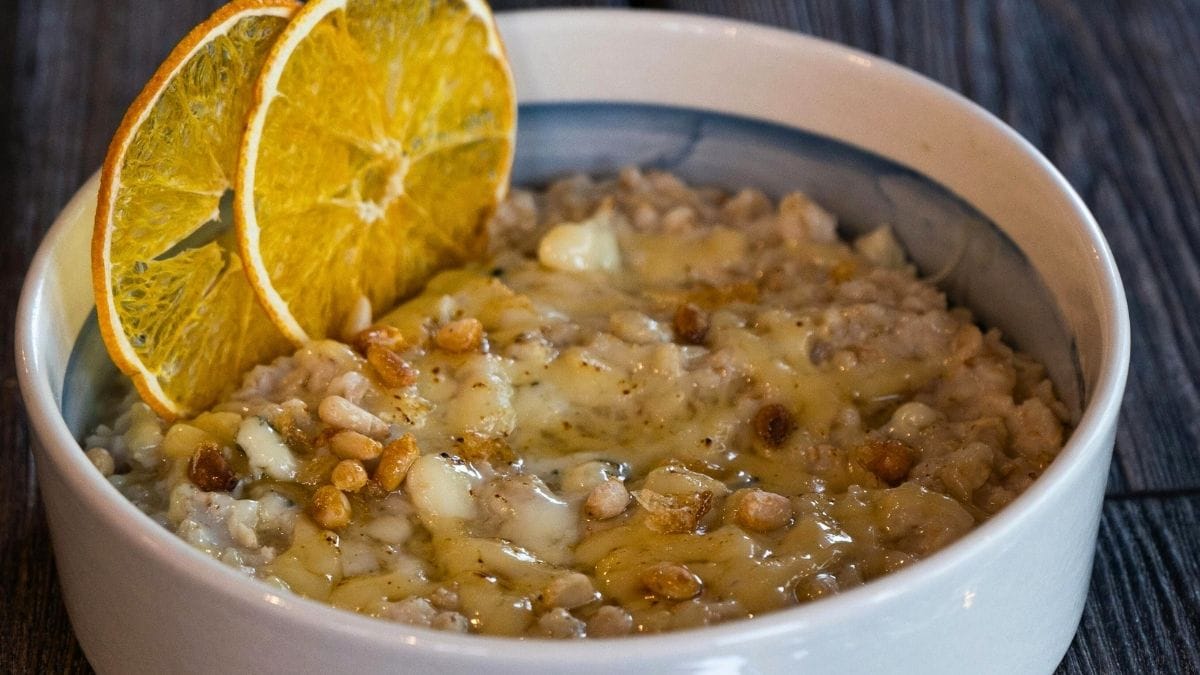
Whole grains, not processed carbs. There’s no white bread or sugary cereal in these diets. Whole grains keep blood sugar steady and energy consistent throughout the day.
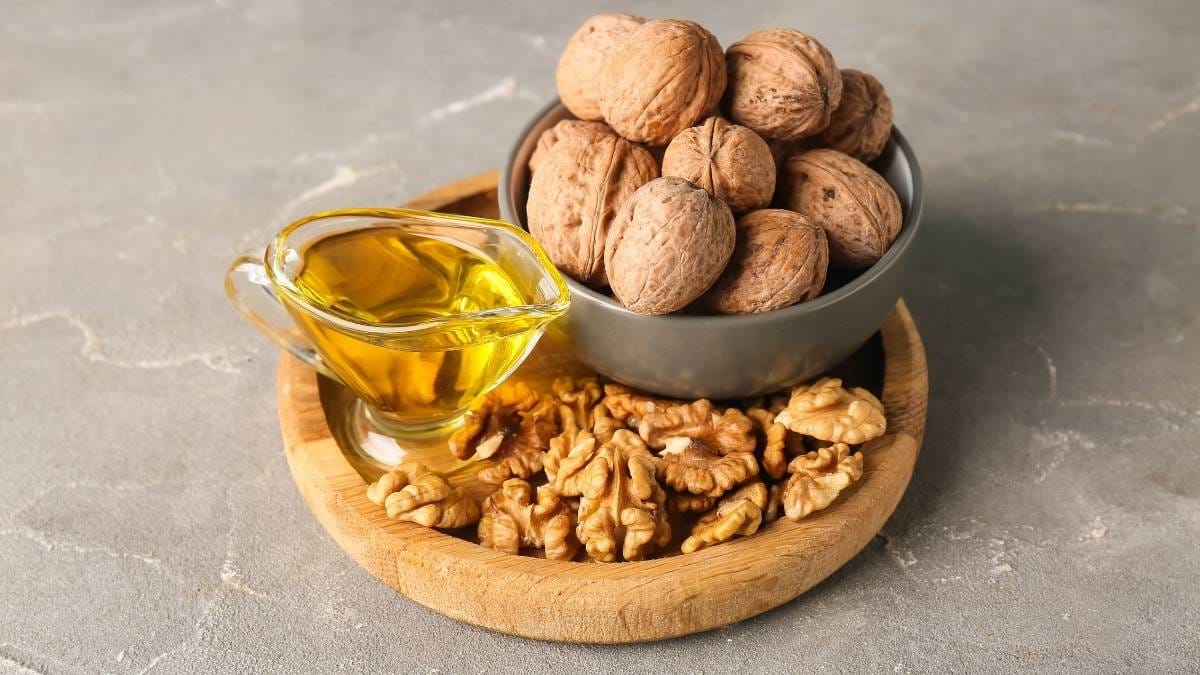
Healthy fats from olive oil and nuts. Sardinians use olive oil heavily. People across multiple zones eat a small handful of nuts daily. These fats protect the heart and reduce inflammation.
Water first. Alcohol with food and friends, not alone. In four of the five zones, people drink one to two glasses of wine per day — always paired with a meal and social time. Loma Linda abstains entirely and still thrives.

Hara Hachi Bu — The Eating Rule That Changes Everything
This is a 2,500-year-old Confucian phrase. Okinawans say it before meals as a reminder to stop eating when they feel 80% full. It sounds simple. But the impact is massive.
This habit creates a natural 10–15% caloric reduction without counting a single calorie. Okinawan centenarians maintain a BMI between 18 and 22 for most of their lives.
A 2018 study in Cell Metabolism showed that moderate caloric reduction slows biological aging and reduces disease risk in humans.

Here’s the science behind why it works. The hormones that tell your brain you’re full take about 20 minutes to kick in after you start eating. If you eat fast and stop when you feel stuffed, you’ve already eaten too much.
Stopping at “not hungry” instead of “full” works with your body’s natural delay, not against it.
A 2019 study in the journal Obesity found that mindful eating — which is behaviorally similar to hara hachi bu — produced equal or better weight results than traditional calorie counting. And people stuck with it longer. That’s the real win.
What Each Blue Zone Actually Eats (Zone by Zone)
Each zone has its own food culture. But the structure is always the same: plants first, legumes daily, small protein portions, and very little processed food.
Okinawa, Japan — Sweet potatoes are the main calorie source. Add tofu, miso, seaweed, bitter melon, and turmeric. Pork appears occasionally. Hara hachi bu is practiced at every meal.
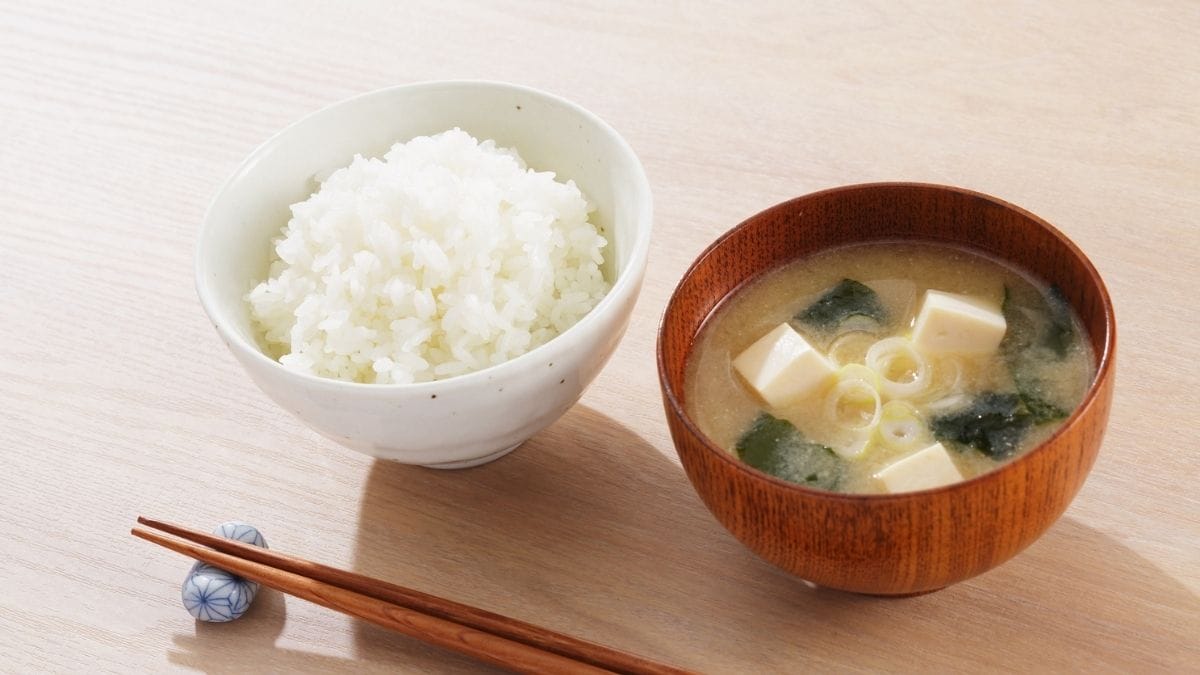
Sardinia, Italy — Whole-grain flatbread, fava beans, garden vegetables, fermented goat and sheep milk products, and Cannonau wine. Goat meat is saved for celebrations.
Nicoya, Costa Rica — Corn, beans, and squash form almost every meal. Tropical fruits and rice round it out. A 60-year-old in Nicoya has four times better odds of reaching 90 than a 60-year-old American.
Ikaria, Greece — Classic Mediterranean eating. Olive oil, whole grains, beans, potatoes, and wild herbal teas like sage and rosemary. Midday naps are normal, which reduces stress tied to overeating.
Loma Linda, California — The only US Blue Zone. Seventh-day Adventists eat mostly vegetarian or vegan. Nuts, legumes, oatmeal, avocado, and water.
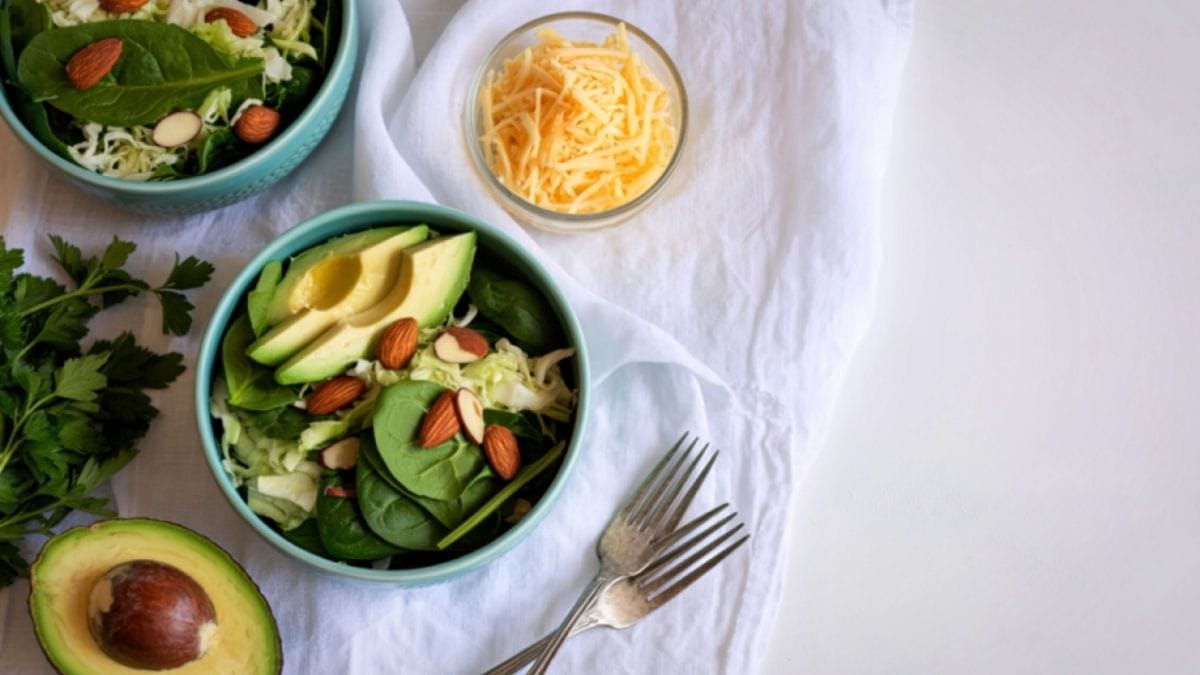
No alcohol. This community is studied inside a modern American environment, which makes the research especially strong.
What the Research Actually Proves (And Where It’s Not Perfect)
This part matters. A 2022 paper by researchers Pes, Dore, Tsofliou, and Poulain said clearly:

current evidence cannot confirm that Blue Zone diets directly cause longer life outside their original cultural settings. Most of the studies are observational. That means they show a connection, not a proven cause.
Researcher Saul Newman won a 2024 Ig Nobel Prize for pointing out data problems in some regions.
In Japan, 82% of people listed as centenarians in 2010 had already died. Birth records in some areas were unreliable.
That’s worth saying out loud. You deserve honest information.
But here’s what’s also true. A November 2025 review published in MDPI looked at the Mediterranean diet, DASH diet, plant-based diets, Blue Zones, and others side by side.
It found strong, consistent evidence that eating more whole plants and less processed food reduces chronic disease and death risk — regardless of which diet label you use.
The Blue Zone data isn’t perfect. But the habits it points to are solid.
6 Blue Zones Habits You Can Start This Week
You don’t need to move to Okinawa. These six habits are things you can test right now.
1. Eat beans at one meal every day.

Start with half a cup of cooked beans at lunch. Chickpeas in a salad, lentil soup, or black bean tacos all work. This single shift changes your fiber, protein, and energy intake fast.
2. Practice hara hachi bu at your next meal. Put your phone away. Eat slowly. Stop when you feel “not hungry” — not “full.” Set a 20-minute timer if it helps you slow down.
3. Swap processed snacks for nuts or fruit. A small handful of walnuts or almonds mirrors what Loma Linda and Sardinian people snack on. Same calories, far more nutrition.
4. Replace one refined grain with a whole grain today.
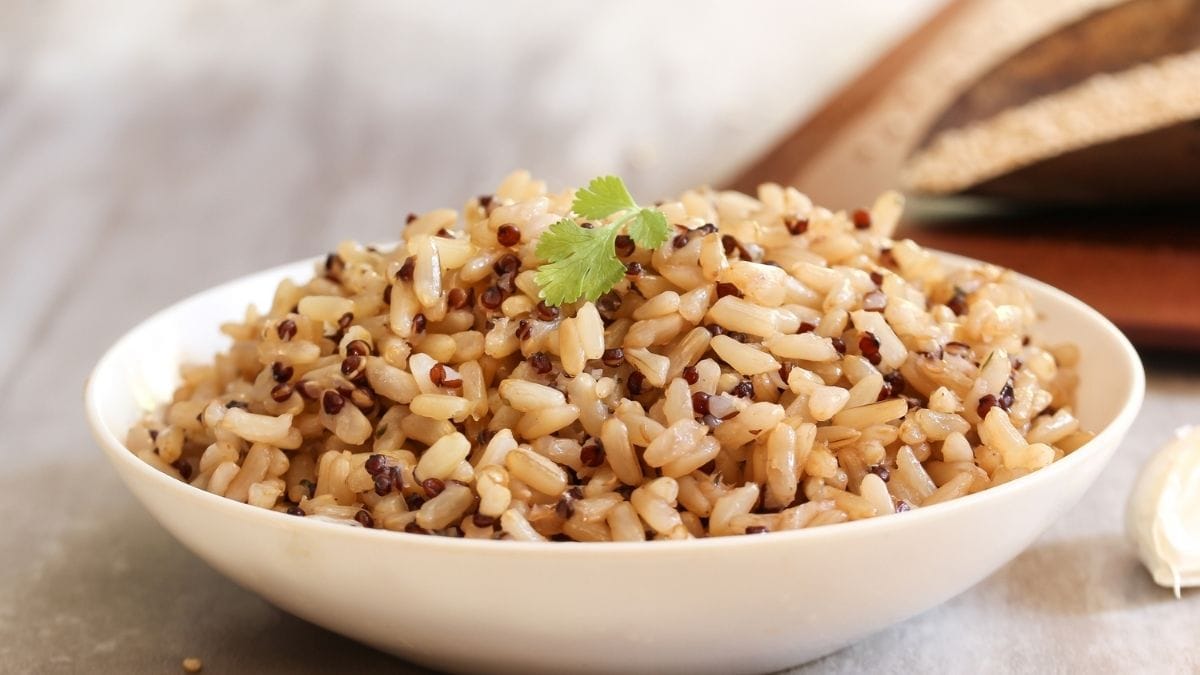
Whole-grain sourdough instead of white bread. Brown rice instead of white. Oats instead of boxed cereal. One swap. That’s it.
5. Add one fermented food daily. Plain Greek yogurt, miso soup, kimchi, or kefir. These are easy to find in 2026 and directly mirror what people in Sardinia and Okinawa eat for gut health.
6. Replace one drink with water or herbal tea. Ikarians drink wild sage and rosemary tea daily. Swap one sugary drink for water with lemon or a simple tea. Small change, real results.