
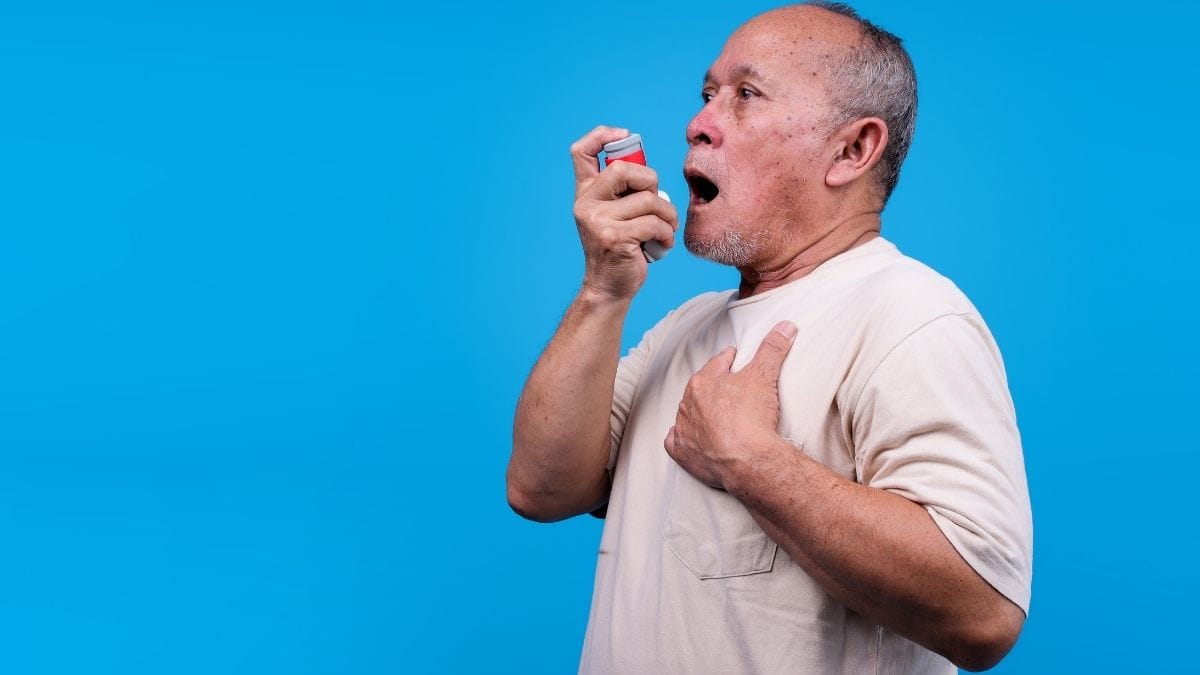
One morning at 60, I bent down to tie my shoes and had to stop to catch my breath. That scared me.
I wasn’t running. I wasn’t lifting anything heavy. I was just tying my shoes.
I didn’t know if this was serious or just part of getting older. I felt confused and a little embarrassed. Nobody talks about this stuff openly.
So I started researching. I talked to my doctor. I tried things. Some worked. Some didn’t.
This article shares five strategies that gave me real, lasting relief from breathing difficulty at 60. These are not miracle cures. They are simple, proven steps backed by real research.
If you’re dealing with shortness of breath, aging lungs, or just feeling winded during easy tasks — you are not alone. And you are not helpless.
Why does breathing become more difficult with age (And Why This Is Not All In Your Head)
Here’s something most doctors don’t explain well. Your lungs start declining after age 35. By your 60s, you really start to feel it.
The diaphragm — your main breathing muscle — gets weaker. Lung tissue loses its stretch. The rib cage actually shrinks a little, leaving less room for your lungs to expand.
According to the American Lung Association, the amount of air you can exhale in one second drops 1 to 2 percent every year after age 25. That adds up fast over decades.
Research from PubMed Central found that between 9% and 39% of people experience breathlessness — and older adults are more affected than younger ones.
This is not anxiety. It’s not weakness. It’s real, documented biology.
But here’s the good news. It is manageable. The strategies in this article are backed by real research and real results.
One important warning: If your breathlessness is sudden, comes with chest pain, or feels severe — stop reading and call your doctor. This article is for gradual, activity-related shortness of breath only.
3 Quick Tips:
- Ask your doctor for a spirometry test to measure your actual lung function
- Keep a simple log of when breathlessness happens and how long it lasts
- Do not dismiss your symptoms as “just aging” — get them checked first
Strategy 1 — Do Daily Breathing Exercises (The Most Powerful Tool You Already Have)
You don’t need a gym. You don’t need equipment. You just need a chair and five minutes.
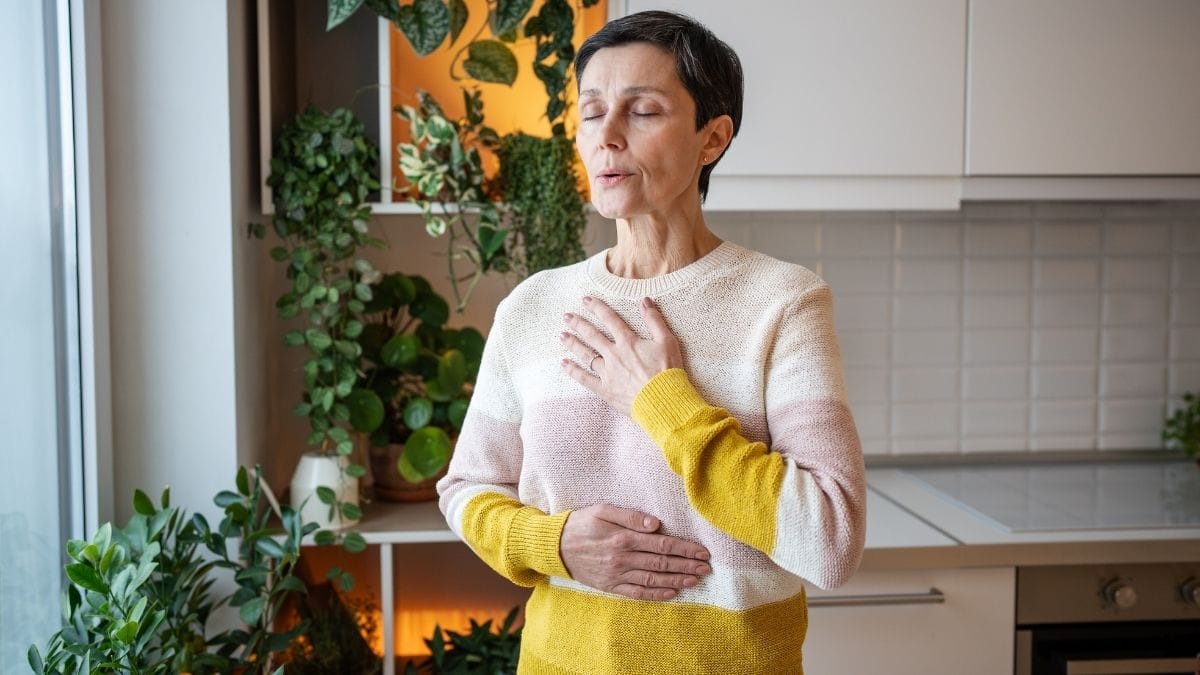
Pursed-Lip Breathing: Breathe in through your nose for two counts. Then breathe out slowly through pursed lips — like blowing out a candle — for four counts. Repeat for two to three minutes. This keeps your airways open longer and slows your breathing down.
Belly Breathing: Put your right hand on your chest and your left hand on your belly. Breathe in. Your left hand should rise, not your right. This means your lungs are filling from the bottom — the most efficient way to breathe.
A clinical study published on PubMed Central followed elderly asthma patients through a 16-week breathing program. Their lung muscle strength improved by 27.6% on the inhale and 20.5% on the exhale. Their quality of life improved too.
Start with five minutes every morning. Add one more minute each week.
3 Quick Tips:
- Do pursed-lip breathing whenever you climb stairs or feel winded
- Practice belly breathing lying down first — it’s easier to feel the movement
- Set a phone reminder every morning so you don’t skip it
Strategy 2 — Change What You Eat (Your Lungs Are Fed by Your Fork)

Food affects your breathing more than most people realize. The wrong foods cause inflammation in your airways. The right foods reduce it.
Add these to your meals this week: turmeric, garlic, ginger, tomatoes, leafy greens, and fatty fish like salmon.
Turmeric contains curcumin, which has anti-inflammatory properties that directly support lung tissue. Garlic contains allicin, which helps clear mucus and reduce airway inflammation. Spinach is high in magnesium — a mineral your breathing muscles need to work properly.
According to Baptist Health, red peppers are one of the richest sources of vitamin C, which supports your immune system and lung health.
How you eat matters too. Large meals press on your diaphragm and make breathing harder. Eat smaller meals, more often. Rest for a few minutes before eating. Don’t rush.
Cut back on fizzy drinks, fried food, and alcohol. These cause bloating and inflammation — two things that make breathing feel worse.
3 Quick Tips:
- Add half a teaspoon of turmeric to your morning tea or eggs
- Replace one large meal with two smaller ones and notice the difference
- Drink at least 6 glasses of water daily — it keeps mucus thin and easy to clear
Strategy 3 — Fix Your Posture (The Silent Problem You Can’t See)
Right now, while reading this — how are you sitting?
Most people over 60 sit with rounded shoulders, a forward-leaning head, and a slouched back. That posture directly squeezes your lungs. It makes it physically harder to take a full breath.
Here’s a simple test. Sit against a wall with your shoulder blades flat against it. Now take a deep breath. Notice how much easier that feels? That’s what good posture does for your breathing.
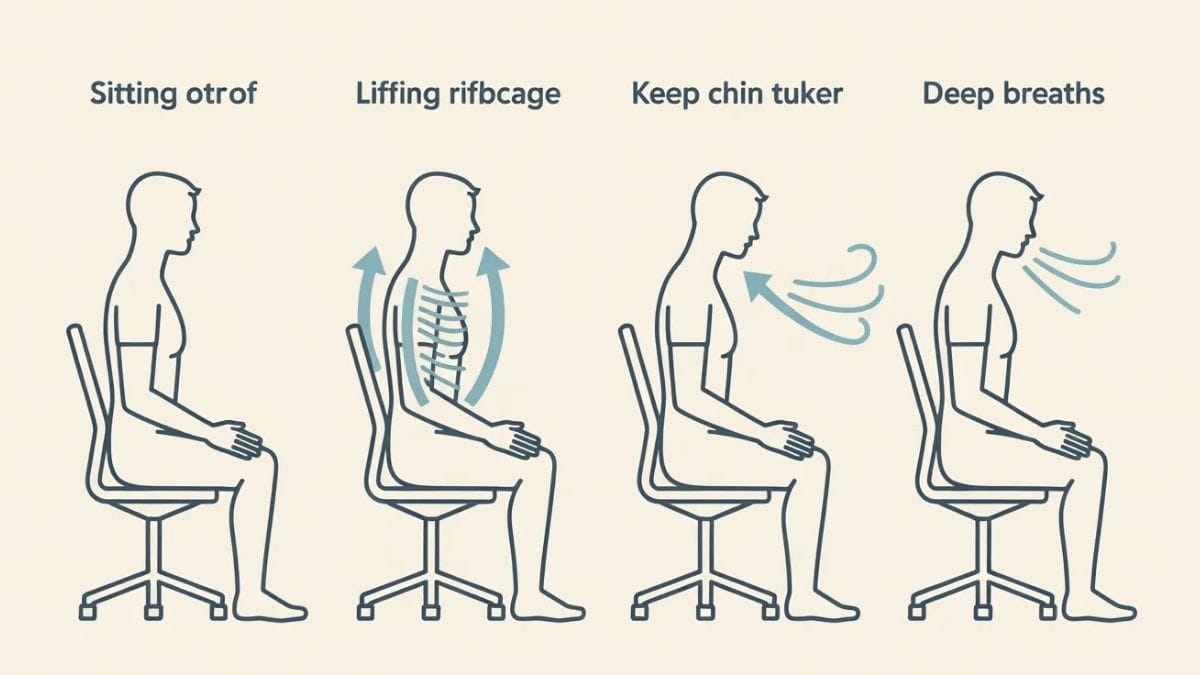
The fix is not complicated. Sit at the front edge of your chair. Lift your ribs slightly. Keep your chin tucked. Take three slow breaths every time you sit down somewhere.
According to HealthInAging, sleep posture matters too. Loud snoring, choking at night, or long pauses in breathing are signs of sleep apnea — very common in older adults. Raising the head of your bed by 2 to 4 inches can help reduce nighttime breathlessness.
3 Quick Tips:
- Set a reminder every hour to check and correct your posture
- Try sleeping on your side instead of your back — it opens the airway
- Roll your shoulders back 10 times every morning before getting out of bed
Strategy 4 — Move Your Body (Even 10 Minutes a Day Makes a Difference)
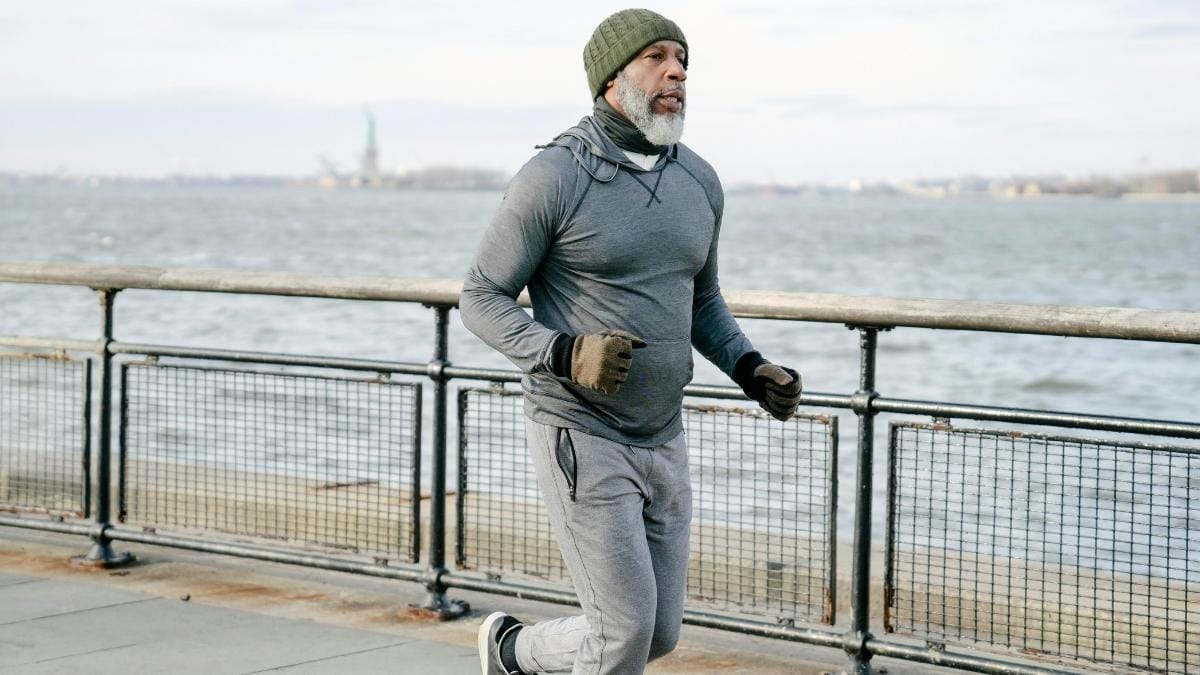
This is the one most people resist. When breathing is hard, moving more sounds like bad advice. But staying still actually makes things worse.
According to MedlinePlus, lying down or sitting for long periods lets mucus collect in your lungs. That raises your risk of infection and makes breathing even harder over time.
You don’t need intense exercise. Start with a 10-minute flat walk every day. That’s it. After two weeks, add two more minutes. Keep building slowly.
The American Lung Association shared a real example. A patient in her 50s with early-stage COPD started daily walks and managed her medications properly. Her lung function stabilized and stayed stable for over three years.
If walking is hard on your joints, try seated exercises. Seated arm raises, shoulder rolls, and slow leg lifts all keep your chest muscles active and support better breathing.
Also — get your vaccines. The American Lung Association recommends annual flu, RSV, COVID-19, and pneumococcal vaccines for all adults over 60.
3 Quick Tips:
- Walk right after breakfast when your energy is highest
- Use a chair for seated breathing exercises if standing is difficult
- Track your walks in a notebook — seeing progress keeps you going
Strategy 5 — Clean Up the Air Inside Your Home (Most People Never Think About This)
Here’s something that surprised me. Most of us spend 80 to 90 percent of our time indoors. And indoor air can be 2 to 5 times more polluted than outdoor air — according to the US Environmental Protection Agency.
Common triggers hiding in your home: dust mites, mold, pet hair, chemical cleaners, cooking fumes, and cigarette smoke.
These irritate airways that are already more sensitive at 60. And you breathe this air all day, every day.
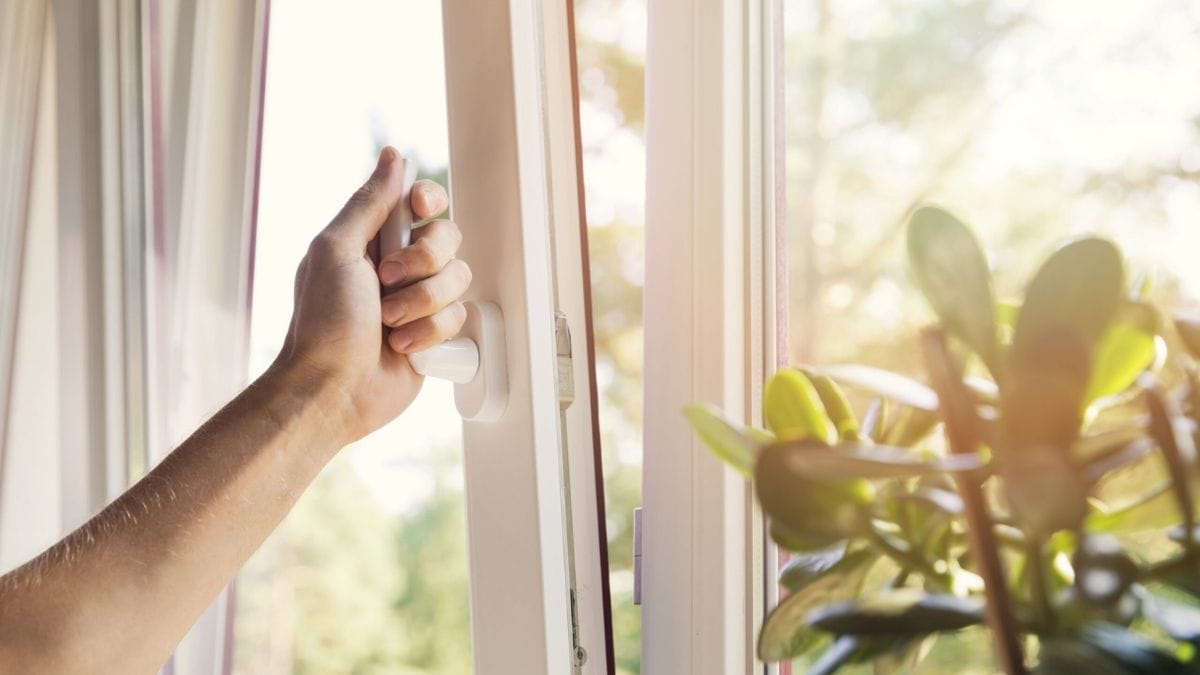
Simple steps that actually work: Open your windows for 15 minutes every morning. Get a HEPA air purifier for your bedroom. Switch chemical spray cleaners for vinegar or baking soda. According to Svago, a humidifier in dry months adds moisture to the air and makes breathing easier, especially if you have sinus issues or allergies.
One more thing. Stop using strong air fresheners and scented candles. They release chemicals called VOCs that directly irritate your airways.
3 Quick Tips:
- Put a HEPA air purifier in the room where you sleep — that’s the most important room
- Wash bedding in hot water every week to kill dust mites
- Never spray chemical cleaners in small, closed rooms without ventilation
Final Thought;

Breathing difficulty at 60 is real. But it is not the end.
Five things helped me: breathing exercises, better food, fixing my posture, daily movement, and cleaner indoor air.
Pick one. Start today. Small, consistent steps beat doing nothing every single time.
You can breathe easier. I promise.