

For two decades, Blue Zones promised the secret to living past 100. But new research in 2025 shows the truth is more complex.
You’ve heard people in these regions eat sweet potatoes and vegetables to live longer. Recent studies now question these claims.
You’re left wondering: does longevity come from what they eat or what they skip?
Here’s what you’ll learn. We’ll cover the current science on Blue Zones and what’s actually proven. You’ll discover whether longevity benefits come from specific foods or avoiding certain ones.
Most importantly, you’ll get practical steps to apply evidence-based nutrition for healthy aging—no matter what the Blue Zone debate concludes.
The Blue Zone Controversy: Separating Fact from Fiction
In September 2024, Dr. Saul Newman won an Ig Nobel Prize for exposing problems with Blue Zone data.
His research revealed something shocking. About 72% of Greek centenarians were actually dead, missing, or involved in pension fraud.
Dan Buettner originally identified five Blue Zones where people supposedly lived past 100. These included Sardinia, Okinawa, Nicoya, Ikaria, and Loma Linda.
The concept became famous worldwide. But Newman found major issues with the demographic validation.

The problems were serious. Many regions had poor recordkeeping and missing birth certificates.
Here’s another surprise: Japanese government data shows Okinawans eat the least vegetables and sweet potatoes in Japan. They also have the highest BMI.
So what can you trust? Four regions—Sardinia, Okinawa, Nicoya, and Ikaria—still have peer-reviewed validation.
Harvard researcher Dr. Walter Willett analyzed 155 dietary surveys over 80 years. His longevity research found one clear pattern.
These populations ate mostly plant-based whole foods. That core principle holds up. The Blue Zone diet effectiveness comes from what science can actually prove, not just centenarian counts.
What Blue Zone Populations Actually Ate (According to Validated Data)
Dr. Willett’s meta-analysis of 155 dietary surveys reveals the truth about traditional dietary patterns. People in validated Blue Zones ate 95% plant foods. This wasn’t a diet trend. It was how they lived.
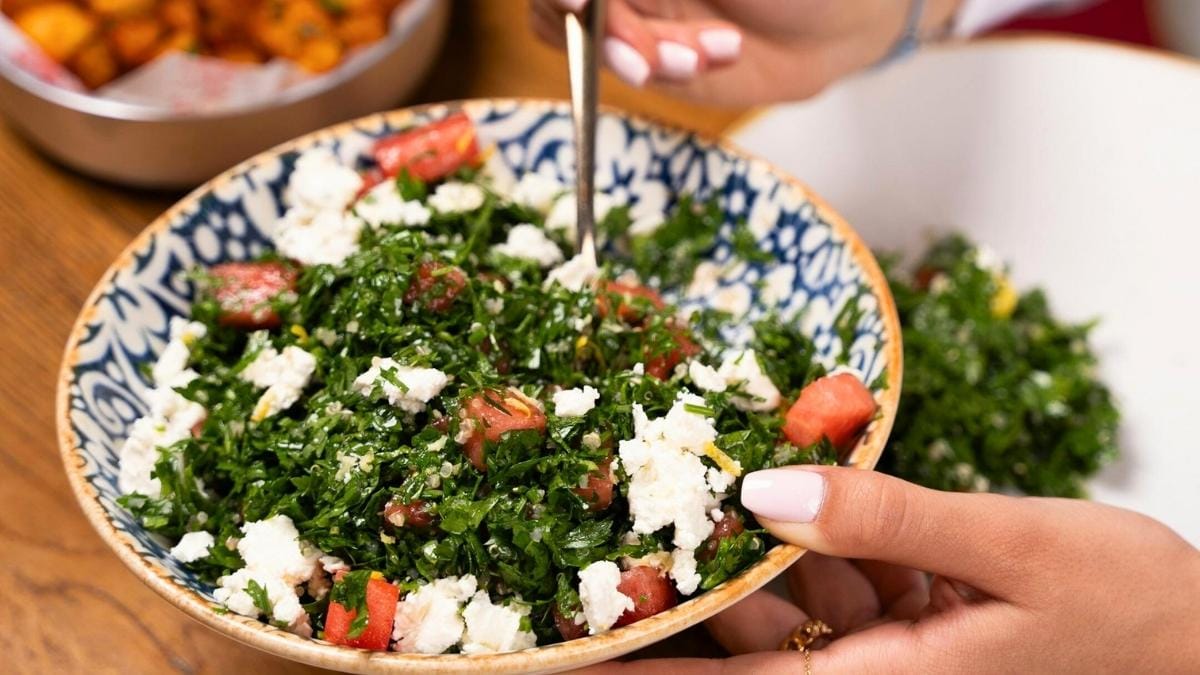
Their plates looked similar across all regions. Leafy greens, beans, whole grains, nuts, and sweet potatoes formed the base.
Meat appeared rarely—about 2 ounces or less, five times per month maximum. That’s roughly the size of a deck of cards.
The Adventist Health Study 2 backs this up. Vegetarian Seventh-day Adventists outlived meat-eaters by 8 years. Plant-based longevity diets show consistent results across multiple studies.
Okinawans practiced “hara hachi bu”—eating until 80% full. They stopped before feeling stuffed. This simple habit prevented overeating without counting calories.
Drinks mattered too. Okinawans drank green tea daily. People in Ikaria chose rosemary and sage tea. Coffee appeared in most regions. Water was the main beverage.

Fermented foods played a key role. Miso, pickled vegetables, and yogurt provided probiotics. These foods supported gut health naturally.
Here’s what stands out: whole food nutrition came from local ingredients. No supplements. No processed foods. Just real food grown nearby.
These traditional dietary patterns worked because of what they included and what they left out. The next section shows why that second part might matter even more.
The Foods Blue Zone Populations Didn’t Eat—And Why That Matters
Here’s what might matter more than what Blue Zone residents ate: what they didn’t eat. And the science on this is clear.
Traditional Blue Zone diets had virtually no ultra-processed foods. No packaged snacks. No frozen dinners. No fast food. These products simply didn’t exist in their food systems yet.
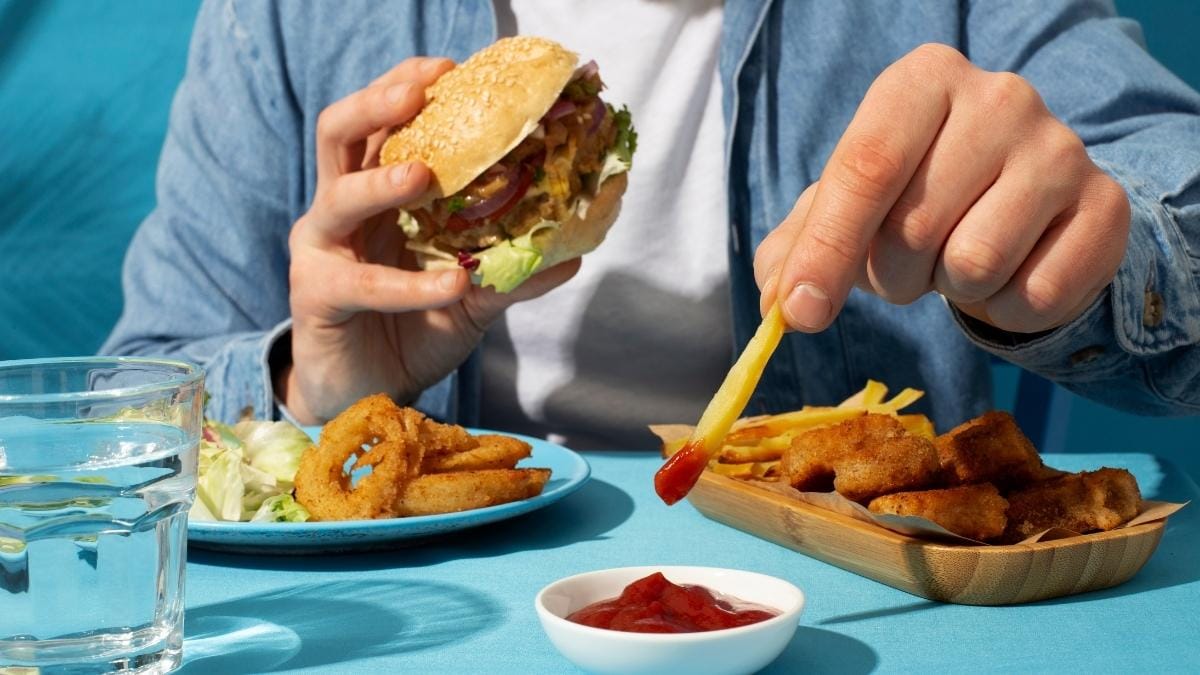
Compare that to today’s American diet. CDC 2024 data shows 53% of adult calories come from ultra-processed foods.
For children, it’s worse—61.9% of their calories. We’re eating a completely different diet than populations known for longevity.
The 2024 BMJ study reviewed data from 10 million participants. The ultra-processed foods health risks are serious.
These foods increase cardiovascular death risk by 50%. They raise anxiety by 48%. The study linked them to 32 different adverse health outcomes.
Harvard tracked 114,000 adults for over 30 years. Processed meat showed the strongest link to early death.
Hot dogs, bacon, sausages, and deli meats topped the list. Stanford Medicine confirms these foods connect to obesity, diabetes, cardiovascular disease, and cancer.

Blue Zone populations also skipped sugar-sweetened beverages. They drank water, coffee, tea, and moderate amounts of wine. No sodas. No energy drinks. No sweetened juices.
This processed food avoidance wasn’t intentional at first. These populations lived in isolated areas. Industrial food companies hadn’t reached them yet. But the result was whole food nutrition by default.
Here’s the key point: you can’t buy your way to health with exotic superfoods. You might get better results by simply cutting out what’s harming you.
Ultra-processed foods weren’t part of any longevity diet for a simple reason—they didn’t need to be banned because they weren’t available.
Today, you have to choose processed food avoidance deliberately. Your local grocery store makes it harder than it was for traditional Blue Zone populations.
But that choice might be the most important one you make for your health.
Caloric Restriction vs. Food Quality: What Research Shows
The Okinawan phrase “hara hachi bu” means eat until you’re 80% full. This simple practice might explain part of their longevity. But does eating less actually help you live longer?

An October 2024 Nature study tested this with mice. Caloric restriction extended lifespan based on how much the mice reduced their intake. The more they cut calories, the longer they lived—up to a point.
The human CALERIE trial put 25% caloric restriction to the test. Participants showed a 2-3% slowing in biological aging.
Their fasting insulin dropped by 29%. Columbia University research suggests this equals a 10-15% reduction in mortality risk.
But here’s the surprising part. The Jackson Laboratory studied 960 mice in 2024. Mice that maintained their weight while eating less lived the longest.
Weight loss wasn’t the key factor. Genetic resilience mattered more than the diet itself.
Penn State 2024 research shows caloric restriction benefits affect telomere loss rates. Telomeres are caps on your DNA that shorten as you age. This is a real longevity biomarker scientists can measure.

Here’s what this means for you. Eating less might help, but your genes play a bigger role than the restriction alone. You can’t out-diet bad genetics. And severe calorie cutting isn’t sustainable for most people.
The practical takeaway? Stop eating when you’re 80% full, like Okinawans do. You don’t need to count every calorie or go hungry. Just avoid stuffing yourself at every meal.
Quality matters as much as quantity. Eating less junk food beats eating less healthy food. The next section shows why the type of food you choose makes all the difference.
Plant-Based Eating: The Common Thread That Holds Up
Forget the Blue Zone debate for a moment. One finding shows up in study after study: plant-based longevity diets work.
Harvard tracked over 200,000 participants for 30 years in a 2024 study. People who ate more plant protein than animal protein had real benefits. Their cardiovascular disease risk dropped 19%. Coronary artery disease risk fell 27%.

A PLOS ONE 2024 review analyzed 49 papers on vegetarian and vegan diets. The results were clear.
These diets reduce risk for cardiovascular disease, prostate cancer, and gastrointestinal cancer. The evidence comes from independent research worldwide.
The Planetary Health Diet research adds more proof. Following a whole food plant-based pattern cuts premature death risk by 30%. This isn’t a small effect.
Why do these diets work so well? They give you more fiber, which most Americans lack. They reduce saturated fat that clogs arteries.
They pack in essential vitamins and minerals your body needs. Cardiovascular disease prevention starts with what you put on your plate.
The Mediterranean diet earned the #1 ranking for seven years straight in 2024 U.S. News rankings. It’s mostly plant-based with some fish and olive oil. A 2025 study shows similar nutritional benefits from fully plant-based diets.
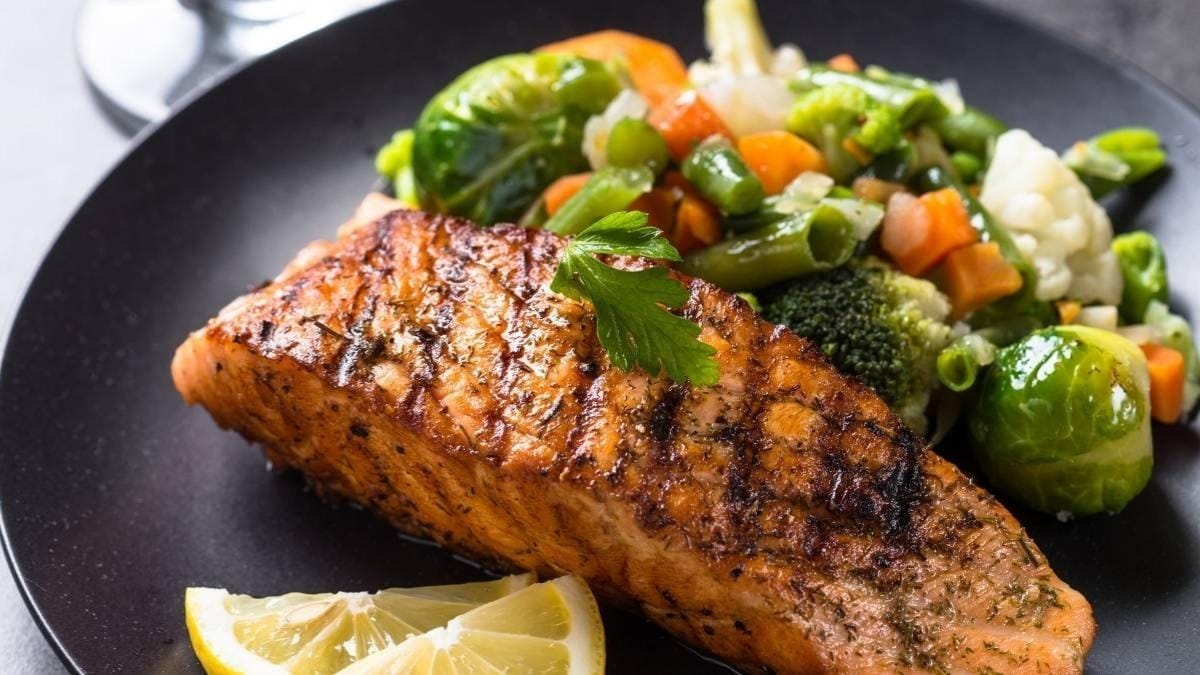
You don’t have to go vegan overnight. Start by making half your plate vegetables at dinner. Add beans to your lunch. Switch one meat meal per week to a plant-based option.
Here’s what matters: the more plants you eat, the better your health markers get. This holds true whether Blue Zone centenarian counts were accurate or not. The science on plant-based eating stands on its own.
Your genes matter, but so do your food choices. And this is one choice you can control starting today.
What Modern Research Says About Longevity Diets in 2025
The American College of Lifestyle Medicine and American Heart Association agree on evidence-based nutrition for 2025.
Eat a variety of minimally processed vegetables, fruits, whole grains, legumes, nuts, and seeds. No magic superfood will save you.
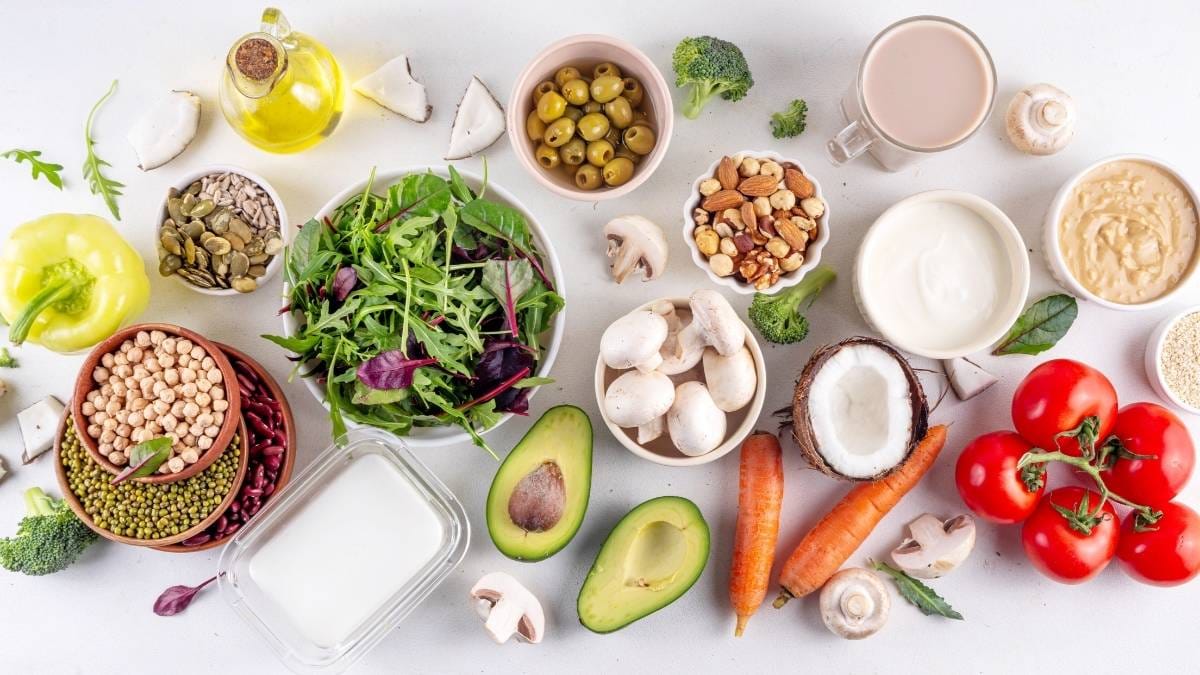
Dr. Walter Willett from Harvard puts it simply: “It’s more about piecing together the best examples of available foods.” You don’t need exotic ingredients. You need consistent, smart choices.
A March 2025 Journal of Population Ageing study reveals something important about Blue Zone residents. They didn’t go to gyms.
They farmed, walked everywhere, and did housework. Physical activity was built into their daily lives. Healthy aging strategies include movement, not just food.
Diet alone won’t guarantee longevity. Stress management matters. Social connections matter. Sleep matters. These lifestyle medicine factors work together.
Here’s a reality check: genetics influences lifespan more than dietary restriction alone, according to 2024 research. You can’t completely override your DNA with kale smoothies. But you can improve your odds significantly.
The quality of plant-based eating makes a difference. Oreos are vegan, but they’re not health food. Processed vegan burgers and cheese aren’t the same as whole foods. Focus on foods that look like they came from the ground or a tree.

There’s no single perfect diet that works for everyone. Your body might respond differently than your neighbor’s. Some people thrive on more protein. Others do better with more carbs.
The 2025 consensus is clear: eat mostly whole plant foods, stay active throughout the day, manage stress, and maintain strong relationships.
That’s the pattern that consistently shows up in longevity research. Everything else is details.
Practical Steps: Building Your Own Longevity-Supporting Diet
You don’t need to overhaul your entire kitchen tonight. Northwestern Medicine recommends starting with 50% plant-based meals. Gradually work up to 80% over a few months.
Make simple swaps first. Replace processed meats like bacon and deli turkey with beans or lentils. Swap sugary drinks for water or unsweetened tea. These practical dietary changes add up fast.

Focus on anti-inflammatory plant foods. Berries, leafy greens, broccoli, nuts, and olive oil fight inflammation naturally. Add colorful vegetables to every meal. The more variety, the better.
You need about 7 grams of protein per 20 pounds of body weight. A 160-pound person needs roughly 56 grams daily. That’s easy to hit with plant-based longevity diets—beans, lentils, tofu, quinoa, and nuts pack plenty of protein.
Cut out ultra-processed foods as much as possible. Check ingredient lists. If you can’t pronounce most ingredients, skip it. Choose foods with five ingredients or less when possible.
Practice the Okinawan “hara hachi bu” method. Stop eating when you’re 80% full. Put your fork down between bites. Eat slowly without distractions.
Don’t aim for perfection. Ate pizza last night? Fine. Get back to healthy aging nutrition today. Consistency over weeks and months matters more than one perfect day.
Start with one change this week. Build from there. Small steps create lasting habits.
Conclusion
The Blue Zone concept has problems with demographic data. But the core dietary principles still hold up in independent research. The secret isn’t exotic foods—it’s eating whole plant foods and avoiding ultra-processed products.
Choose one meal today to make 100% plant-based with whole foods. Track how you feel for a week. Focus on adding colorful vegetables, beans, and whole grains.
The most effective longevity diet in 2025 isn’t about following a specific Blue Zone. It’s about applying validated principles of plant-based whole food nutrition while minimizing ultra-processed foods in your daily life.